
Must-Have Succulents for Beginners

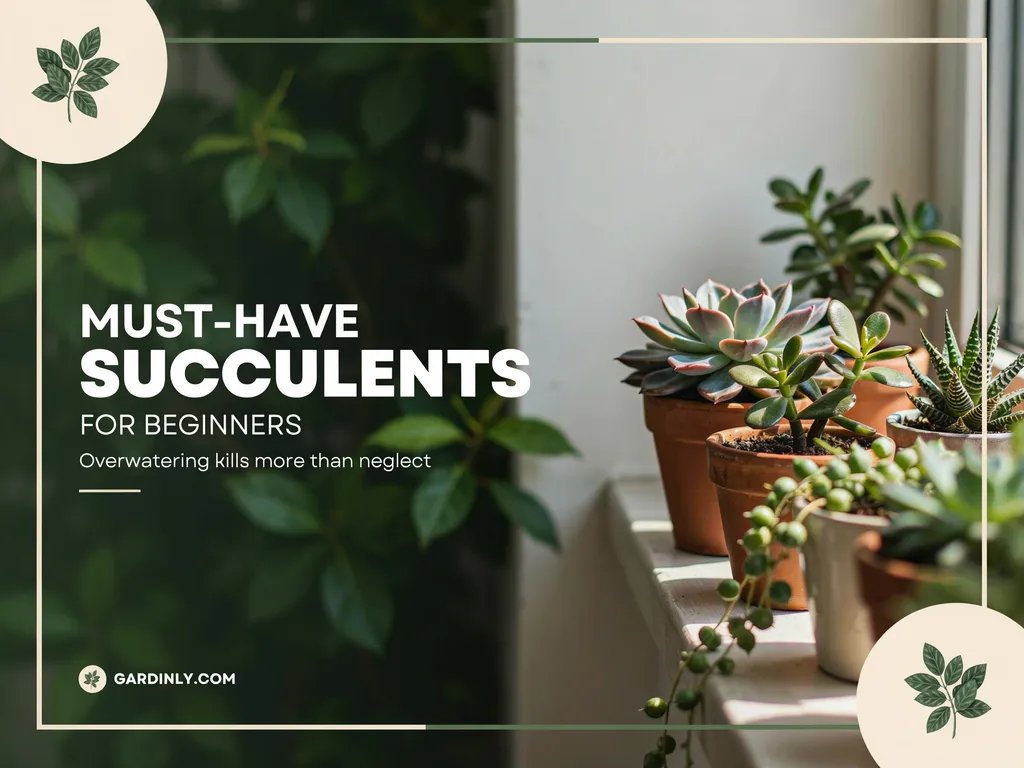
Succulents get recommended to beginners constantly, but not all succulents are actually beginner-friendly, since some popular varieties are genuinely fussier about light and humidity than their reputation suggests. The seven varieties below were chosen specifically for how much beginner error they tolerate, not just for looking easy in a nursery display.
Quick Answer
Why Succulents Get Killed by Kindness More Than Neglect
The One Rule That Prevents Most Beginner Succulent Deaths
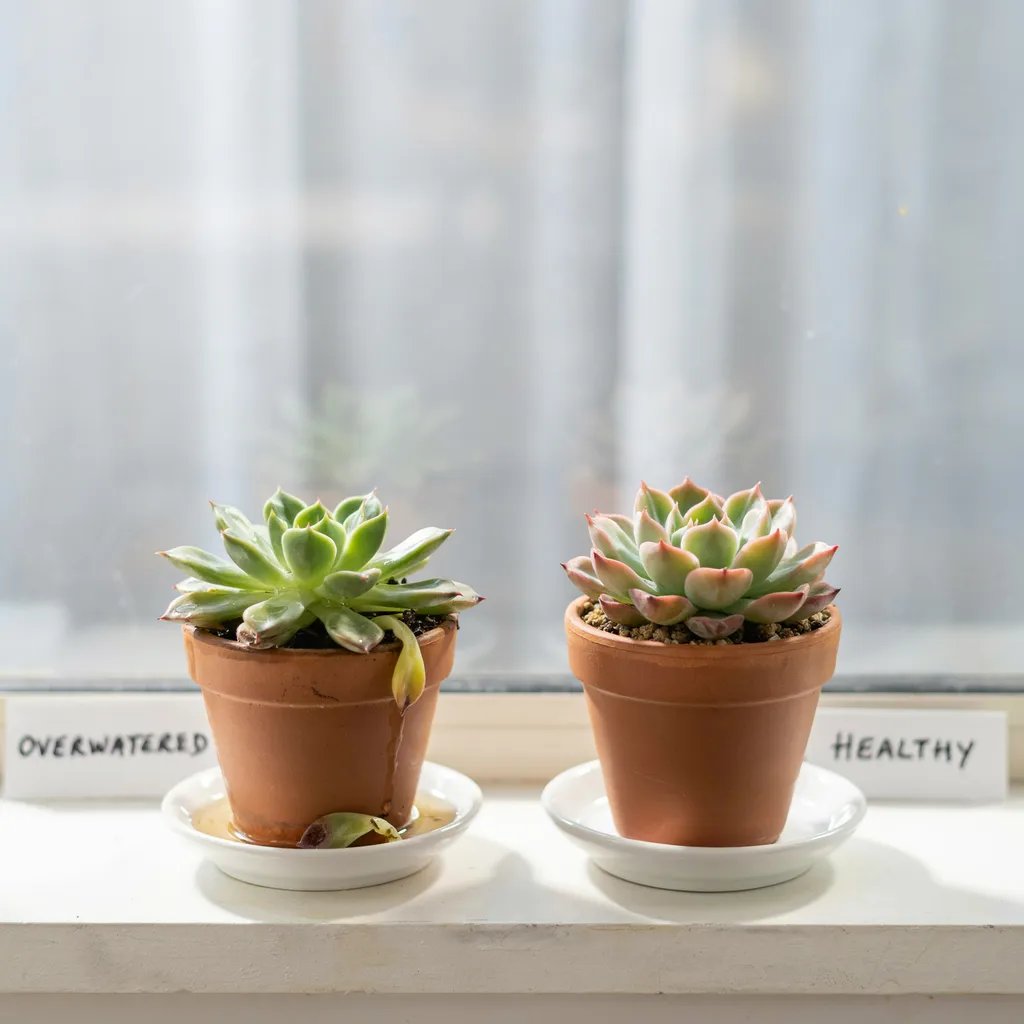
Why succulents get killed by kindness more than neglect is that succulents evolved to store water in their leaves and stems specifically to survive long dry periods, so the beginner instinct to water on a regular schedule, the way most houseplants need, is actually the behavior most likely to cause root rot.
The one rule that prevents most beginner succulent deaths is to let soil dry out completely between waterings, checking with a finger before watering rather than following a fixed calendar schedule, since succulent watering needs change with season, light, and pot size in a way a rigid schedule doesn’t account for.
More beginner succulents die from overwatering than underwatering, so checking soil dryness before watering, rather than following a fixed schedule, is the single most protective habit to build.
1. Jade Plant for Near-Total Beginner Forgiveness
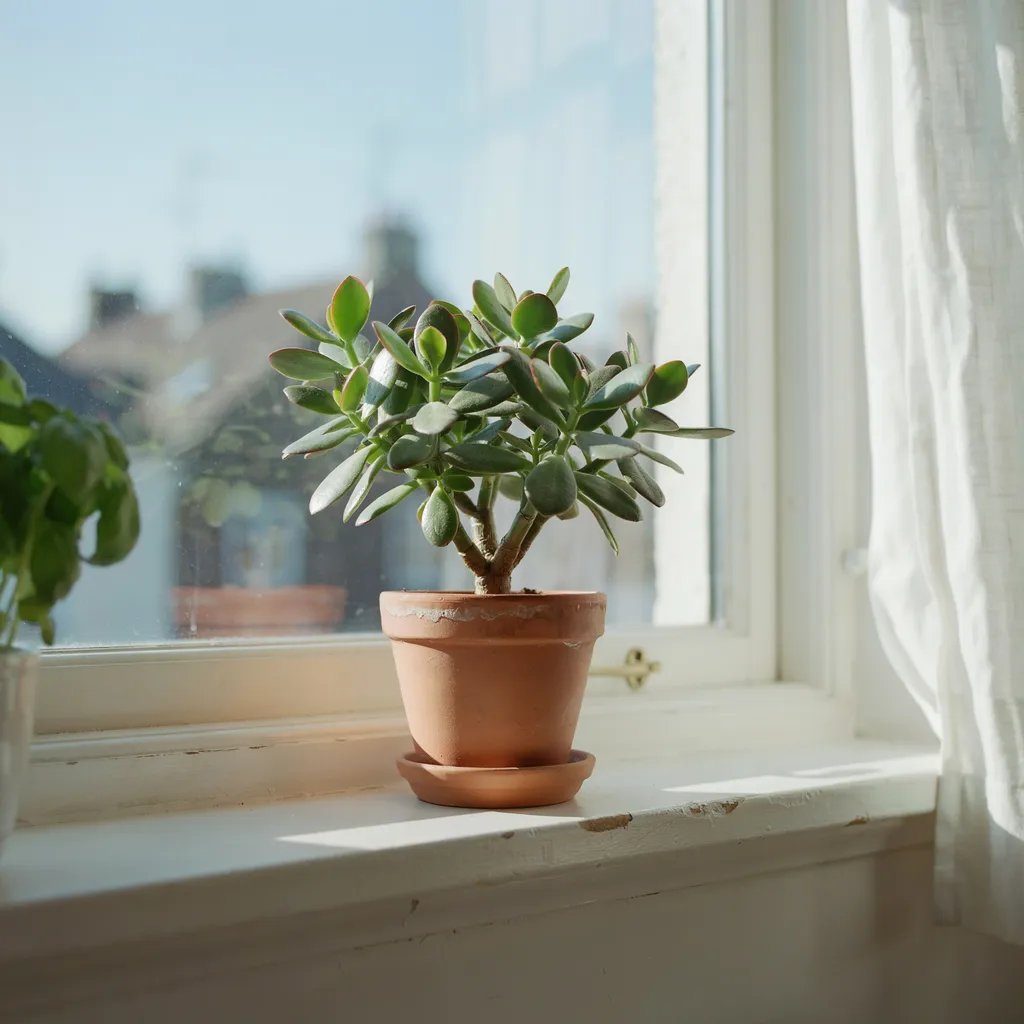
Jade plant for near-total beginner forgiveness tolerates inconsistent watering, average indoor light, and general neglect better than almost any other common succulent, making it a realistic first plant for someone who has struggled to keep other plants alive.
Jade plant’s tolerance for genuinely inconsistent care makes it the honest starting point for anyone worried specifically about killing their first succulent.
2. Echeveria for Classic Rosette Shape With Real Durability
Why Echeveria Needs Bright Light to Keep Its Compact Shape
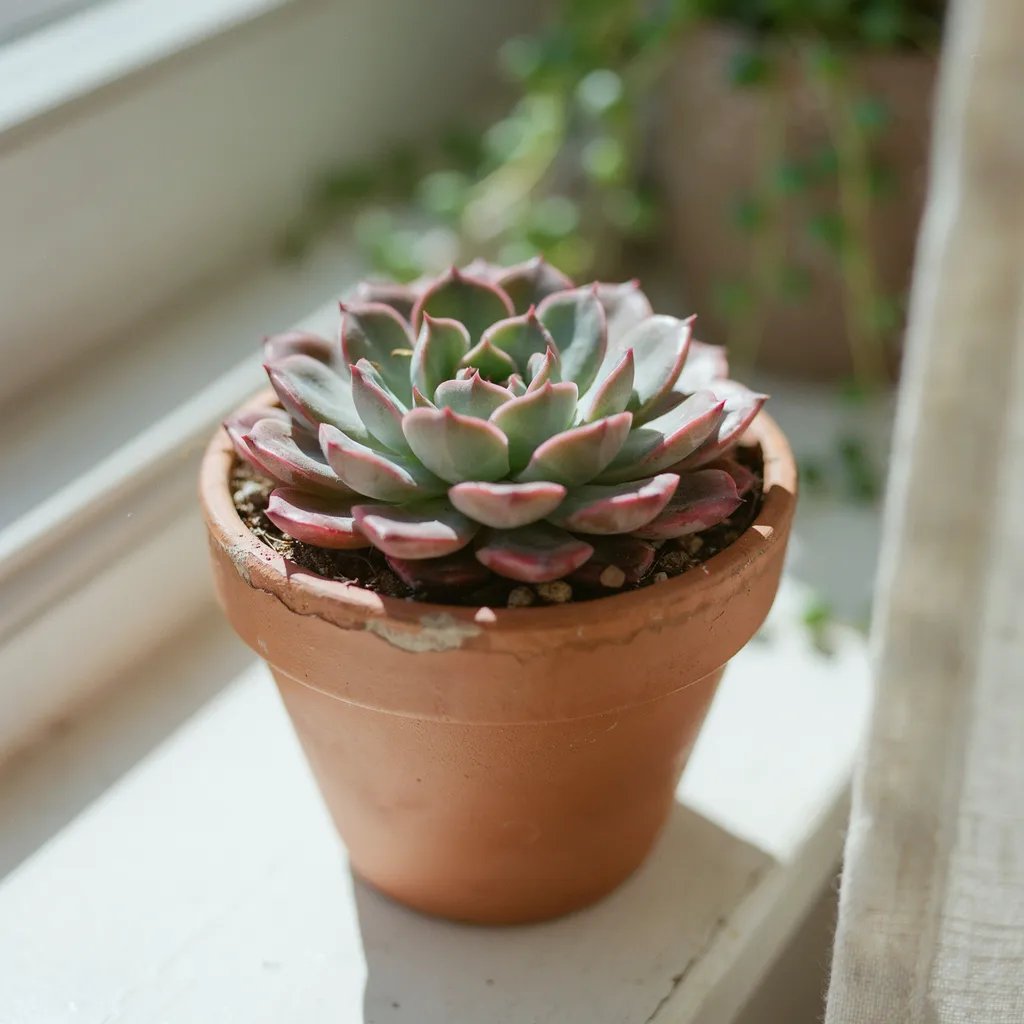
Echeveria for classic rosette shape with real durability offers the tight, colorful rosette form most people picture when they think “succulent,” while tolerating the occasional missed watering that would seriously stress a more delicate houseplant.
Why echeveria needs bright light to keep its compact shape is that insufficient light causes the plant to stretch, or etiolate, reaching toward the light source and losing its tight, attractive rosette form, which is the most common way an otherwise easy echeveria ends up looking leggy and unhealthy.
Echeveria is forgiving of watering mistakes but genuinely needs bright light to keep its compact form, making light, not water, the variable to watch most closely with this plant.
3. Snake Plant for the Lowest Light Tolerance on This List
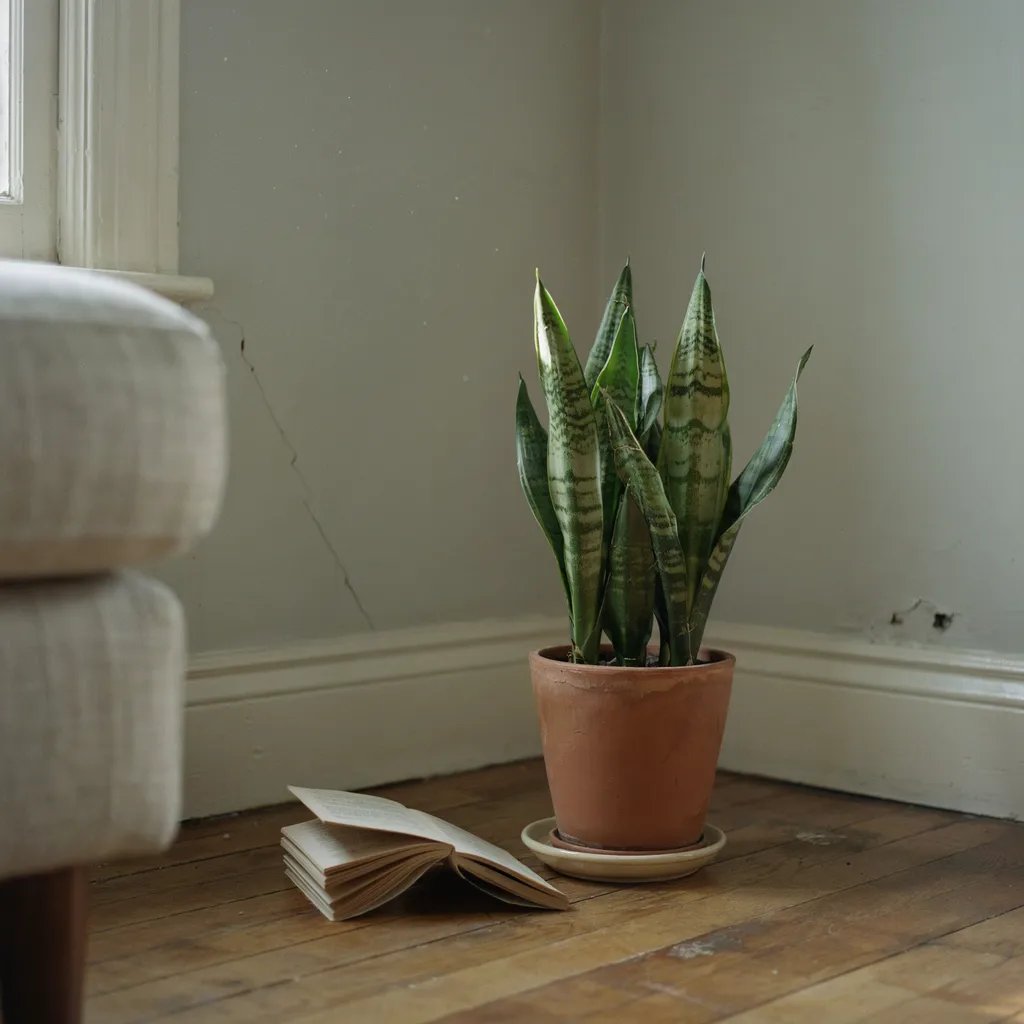
Snake plant for the lowest light tolerance on this list handles genuinely dim indoor conditions, including corners far from any window, better than nearly every other succulent, making it the practical choice for apartments and offices without strong natural light.
Snake plant’s tolerance for low light specifically sets it apart from most succulents on this list, which generally need brighter conditions to thrive.
4. ZZ Plant for Drought Tolerance in Low-Light Rooms
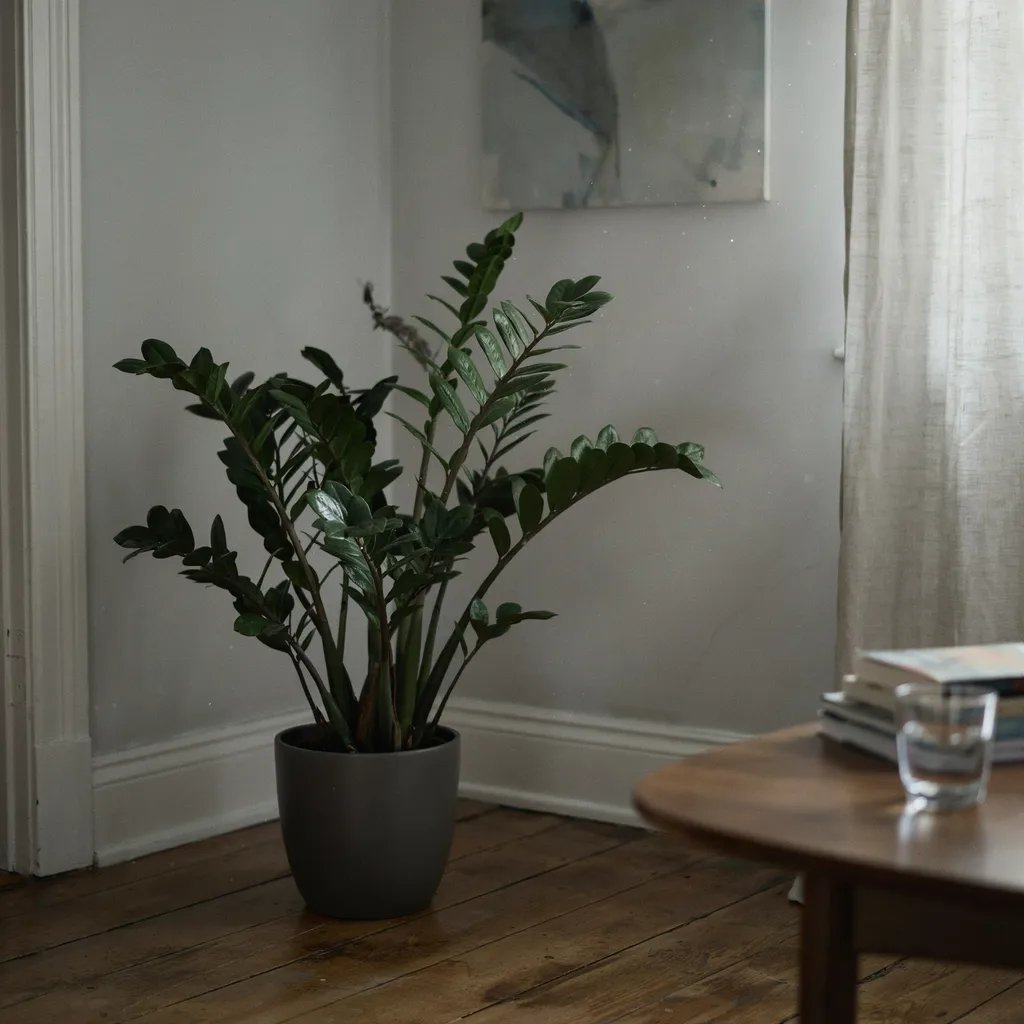
ZZ plant for drought tolerance in low-light rooms combines snake plant’s tolerance for dim conditions with an even higher tolerance for missed watering, storing water in underground rhizomes that let it go weeks without attention.
ZZ plant is arguably the single most forgiving plant on this list, tolerating both low light and long stretches without water better than almost any true succulent alternative.
5. Haworthia for Slow, Low-Risk Growth
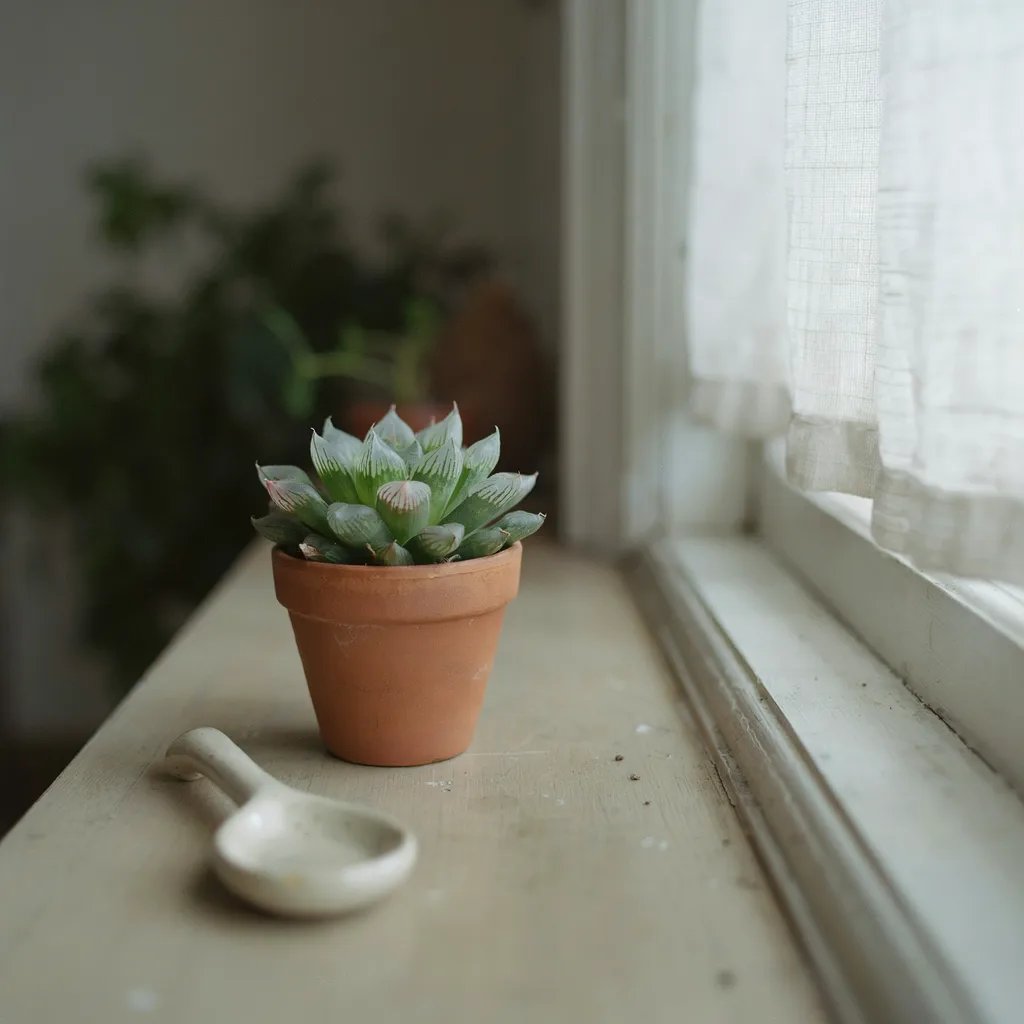
Haworthia for slow, low-risk growth grows slowly enough that overwatering mistakes have less immediate consequence than with faster-growing succulents, and its compact size makes it well suited to a windowsill or desk without needing much space.
Haworthia’s slow growth rate gives beginners more margin for error before a watering mistake becomes visibly damaging, compared with faster-growing succulents.
6. Aloe Vera for Practical Purpose
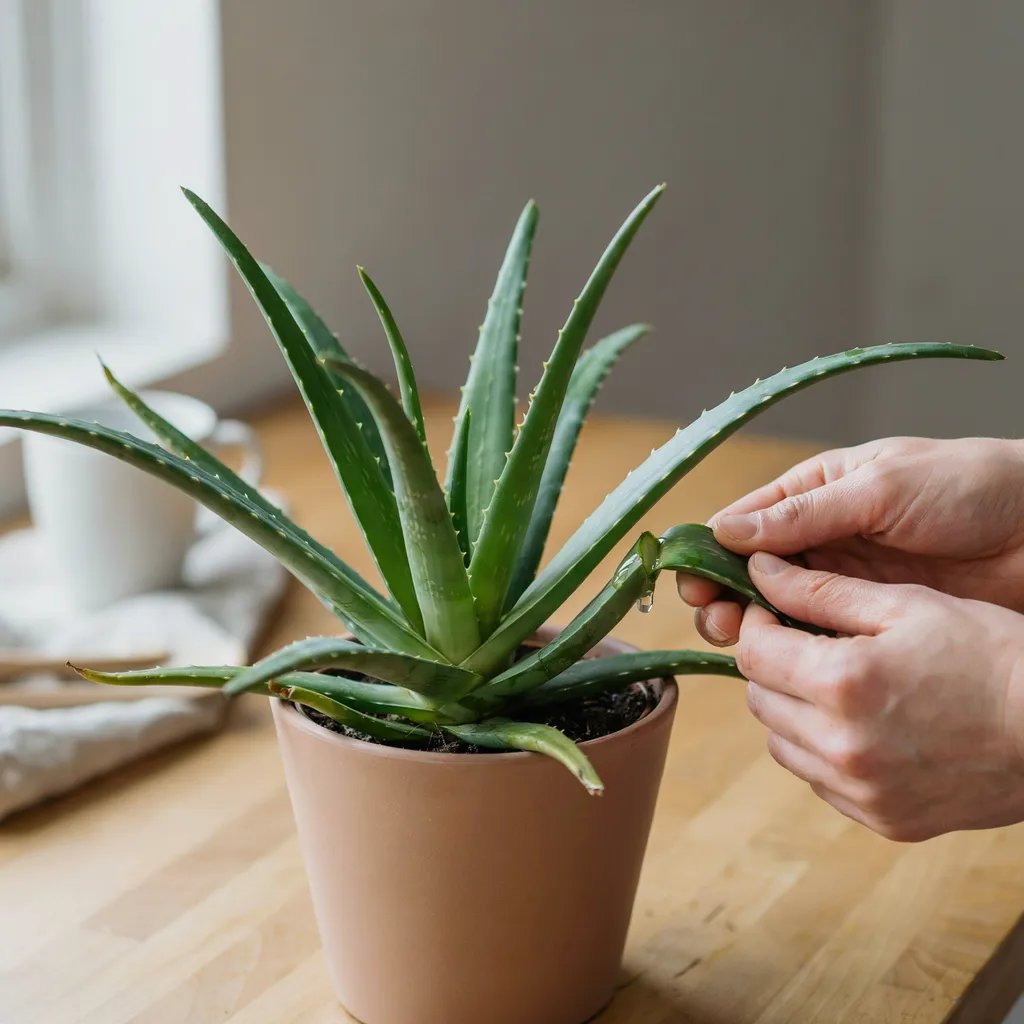
Aloe vera for a useful succulent with genuine purpose combines easy care similar to echeveria with practical value, since its gel is commonly used for minor skin irritations, giving beginners a reason to keep the plant beyond decoration alone.
Aloe vera offers the same beginner-friendly care as most succulents on this list, with the added incentive of practical household use that keeps some beginners more consistently engaged with plant care.
7. String of Pearls for an Easy Trailing Option
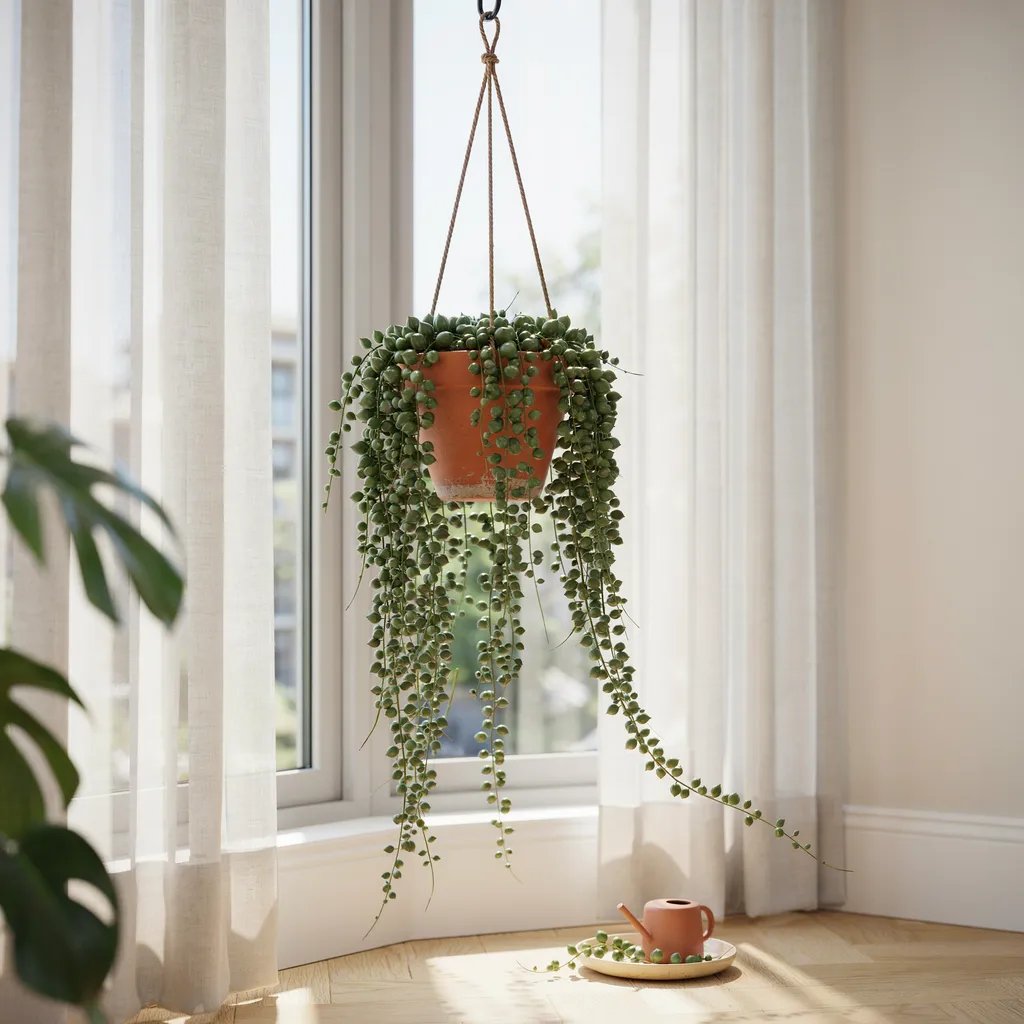
String of pearls for an easy trailing option brings a genuinely different growth habit to a beginner collection, trailing rather than growing upright, and while slightly more particular about consistent bright light than jade or echeveria, it remains forgiving of irregular watering.
String of pearls is the trailing-growth option on this list, worth choosing specifically for hanging planters or shelf edges where an upright succulent wouldn’t suit the space.
Building a Beginner Succulent Collection That Actually Survives
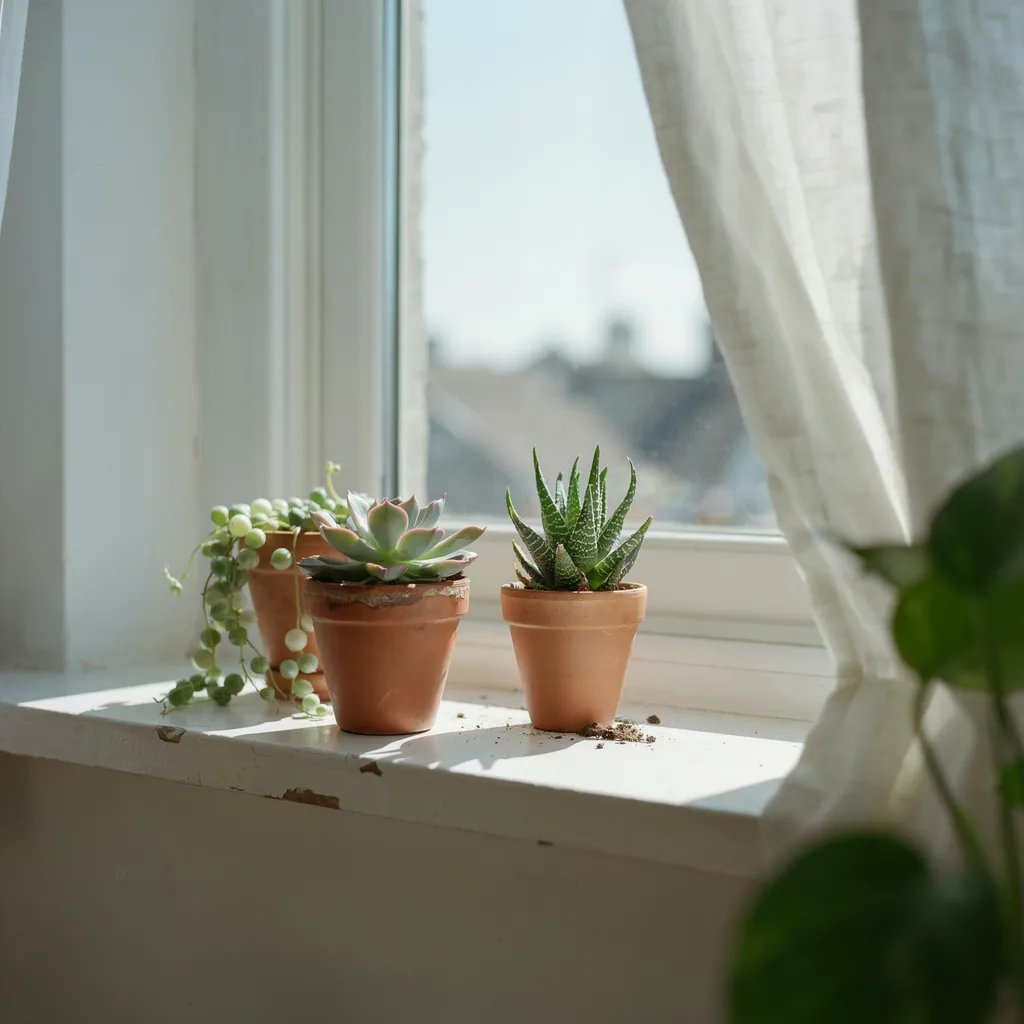
Building a beginner succulent collection that actually survives means starting with two or three varieties matched to actual available light, rather than a large mixed collection assembled from whatever looked appealing at the store, since mismatched light needs are what cause most early failures.
Match the first few succulents chosen to the light conditions actually available at home, rather than assembling a varied collection first and hoping every plant adapts to the same spot.
The Bottom Line
Beginner-friendly succulents share one trait more than any other: tolerance for inconsistent watering, since overwatering, not neglect, is what kills most succulents in a beginner’s care. Jade plant and ZZ plant offer the widest margin for error, snake plant and ZZ plant handle low light best, and matching variety to actual available light before buying prevents most early failures.
Frequently Asked Questions
How Often Should Beginner Succulents Actually Be Watered?
There’s no universal schedule; the reliable method is checking that soil has dried out completely before watering again, which in most indoor conditions works out to roughly every one to three weeks depending on the specific plant, pot size, and season.
Can Succulents Survive Without Direct Sunlight?
Some can, particularly snake plant and ZZ plant, which tolerate low indoor light reasonably well, while others like echeveria genuinely need bright, direct or near-direct light to maintain their compact form and won’t thrive long-term in a dim corner.
Why Do Succulent Leaves Turn Yellow and Mushy?
Yellow, mushy leaves are the classic sign of overwatering and early root rot, and the response is to stop watering immediately, let the soil dry out fully, and check the roots for rot if the problem continues, rather than watering more to try to fix it.
Do Beginner Succulents Need Special Soil?
Yes, a well-draining succulent or cactus mix matters significantly more than most beginners expect, since regular potting soil retains too much moisture around succulent roots and is one of the most common hidden causes of overwatering-related problems.
Can Succulents Be Kept Outdoors Year-Round?
This depends entirely on climate; most of the succulents on this list are not cold-hardy and need to come indoors before frost in most regions, though a few, like certain hardy sedum varieties, can survive outdoors year-round in colder zones.
How Do I Know if a Succulent Needs a Bigger Pot?
Roots visibly growing out of the drainage hole, or a plant that dries out unusually fast after watering, are both signs a succulent has outgrown its current pot and would benefit from repotting into a slightly larger container with fresh, well-draining soil.