
Gorgeous Non-Toxic, Dog-Friendly Plants

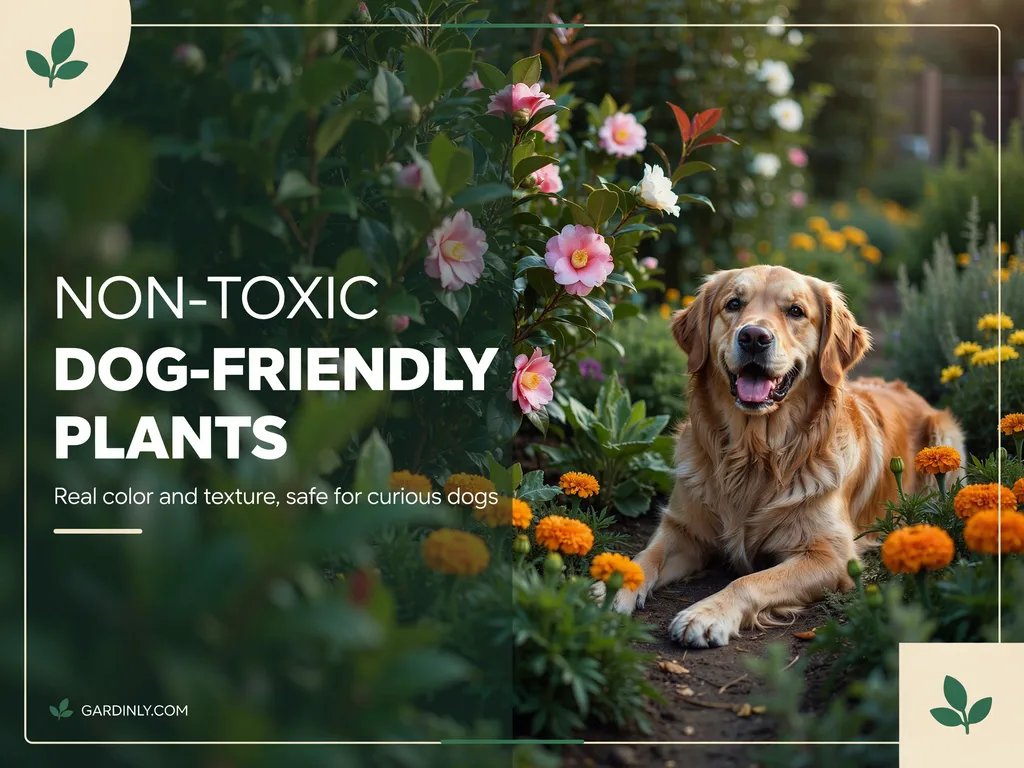
Dog-friendly plant lists have a reputation for being visually underwhelming, heavy on ferns and grasses while skipping anything with real flower color, but that reputation isn’t actually deserved. The nine plants below prove a non-toxic garden can still have genuine visual impact, organized by the design role each one fills.
Why “Non-Toxic” Lists Need Double-Checking, Not Just Trusting
Why This Matters More for Dogs Than General Garden Safety Advice
Why this matters more for dogs than general garden safety advice is that dogs, unlike most cats, will readily chew and eat unfamiliar plant material out of curiosity, making actual ingestion risk higher and the stakes of an inaccurate toxicity claim more serious.
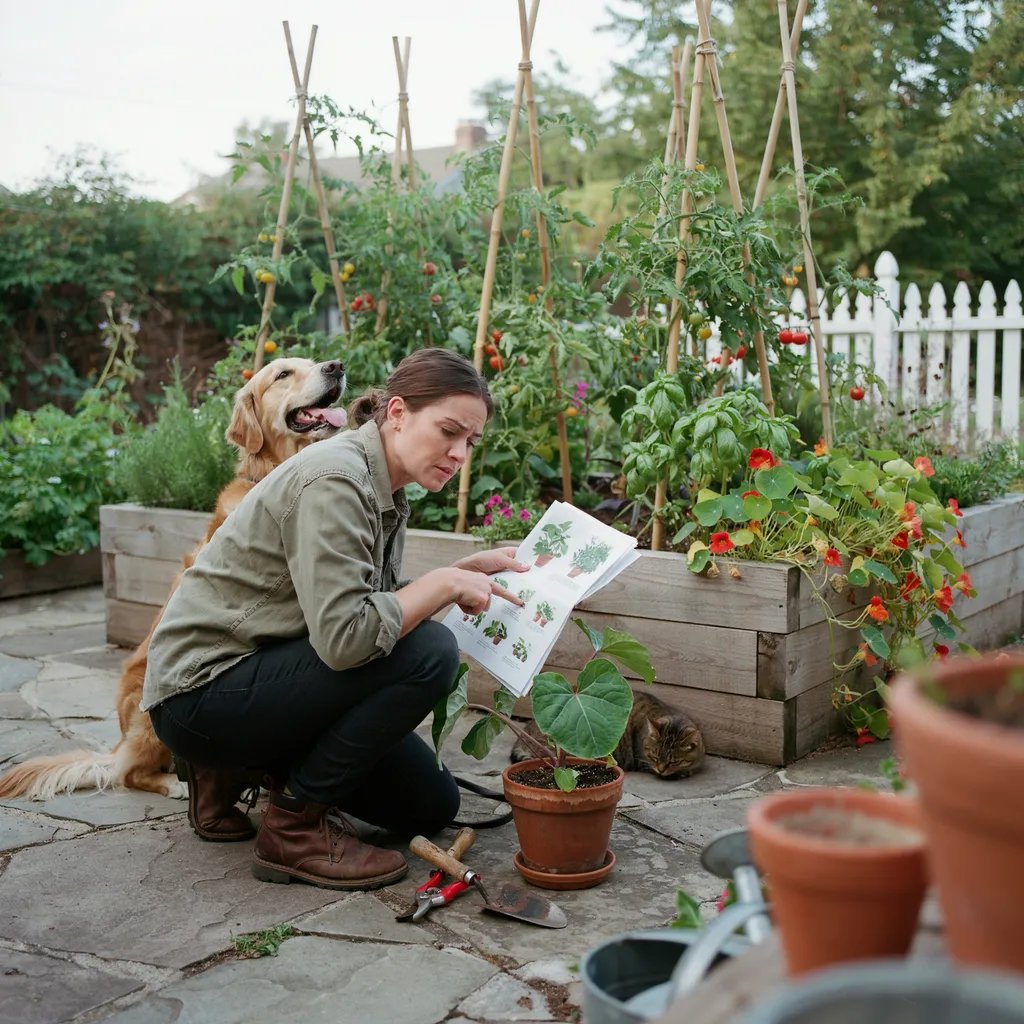
Why “non-toxic” lists need double-checking, not just trusting is that toxicity information varies somewhat between sources, and a plant considered safe in one list occasionally appears with cautions in another, which makes cross-referencing any specific plant against a source like the ASPCA’s toxic and non-toxic plant list worth the extra step before planting near dogs.
Cross-reference any specific plant against a reliable source like the ASPCA’s toxic plant database before relying on a single list, since toxicity information does vary somewhat between sources.
1. Camellia for Flowering Color
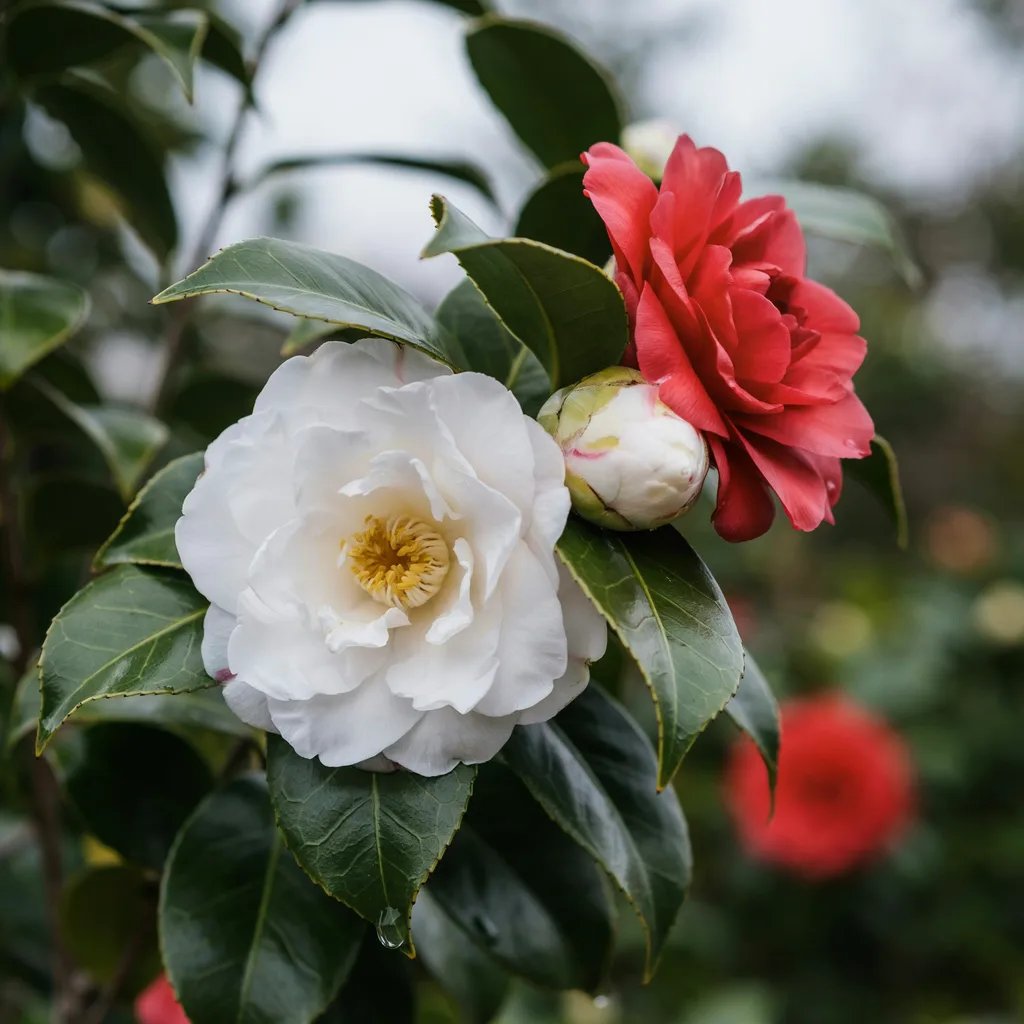
Camellia for genuine flowering color brings large, rose-like blooms in shades from white to deep red, proving a dog-friendly garden doesn’t have to sacrifice real flowering drama, and it holds glossy evergreen foliage year-round as a bonus.
Camellia is one of the strongest flowering options on this list specifically because its blooms rival many toxic ornamental shrubs in visual impact.
2. Snapdragon for Tall, Colorful Cottage-Garden Height
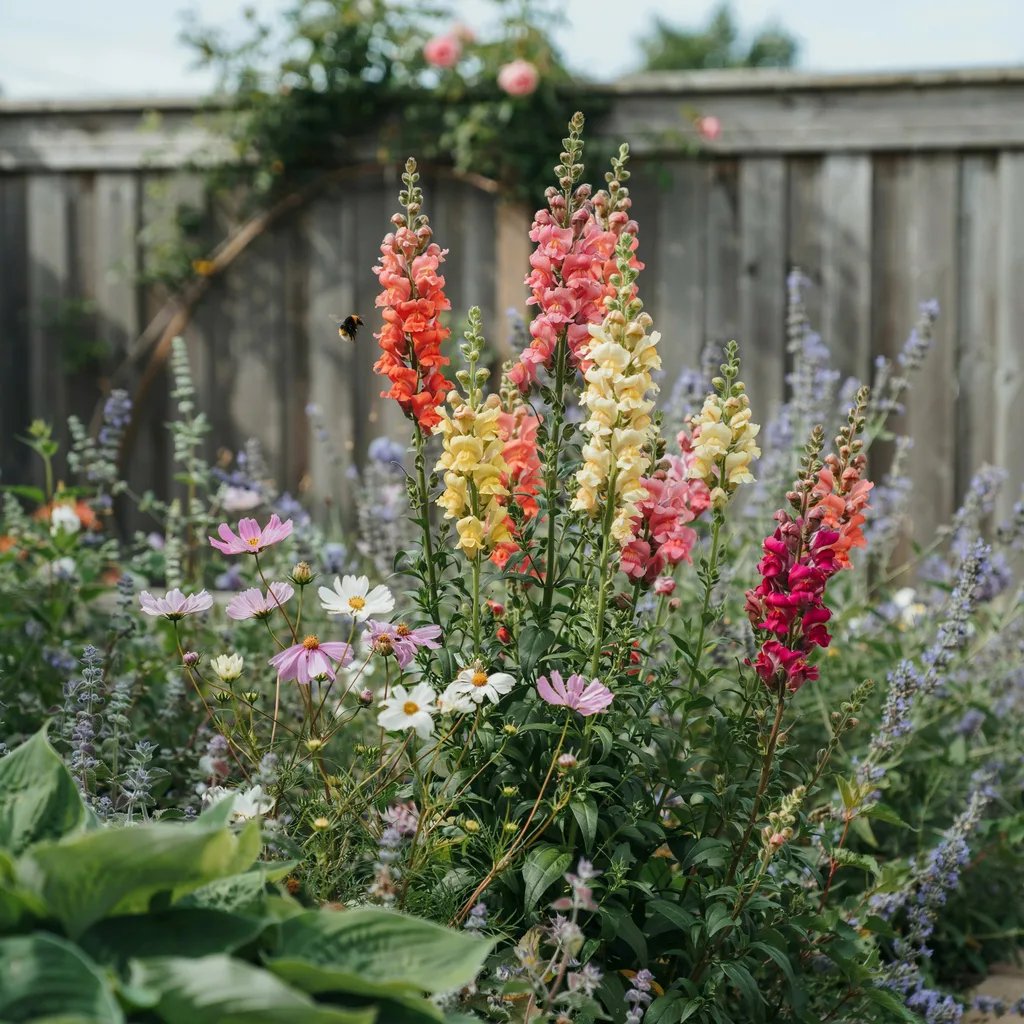
Snapdragon for tall, colorful cottage-garden height offers vertical flower spikes in a wide range of bright colors, giving the same tall cottage-garden presence as many toxic options like foxglove or larkspur, without the same ingestion risk.
Snapdragon fills the tall-flower-spike design role safely, a role often occupied by genuinely toxic plants in cottage garden designs.
3. Boston Fern for Lush, Textural Greenery
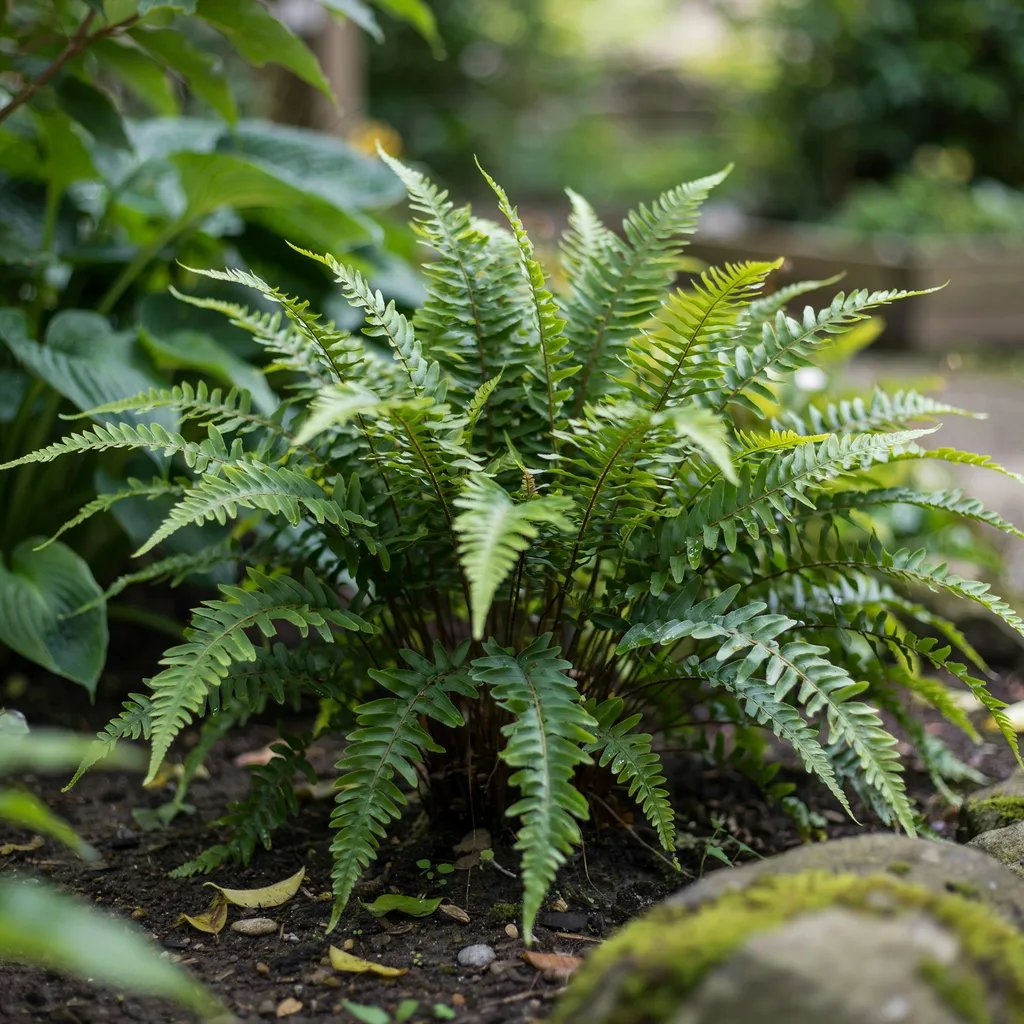
Boston fern for lush, textural greenery provides dense, arching fronds that add real texture and fullness to a shaded bed or hanging basket, doing the visual job many gardeners reach for toxic pothos or philodendron to accomplish indoors.
Boston fern is worth choosing specifically as a safe substitute for popular but toxic trailing houseplants like pothos, since it offers similar lush, cascading texture.
4. Spider Plant for Easy, Trailing Foliage Indoors and Out
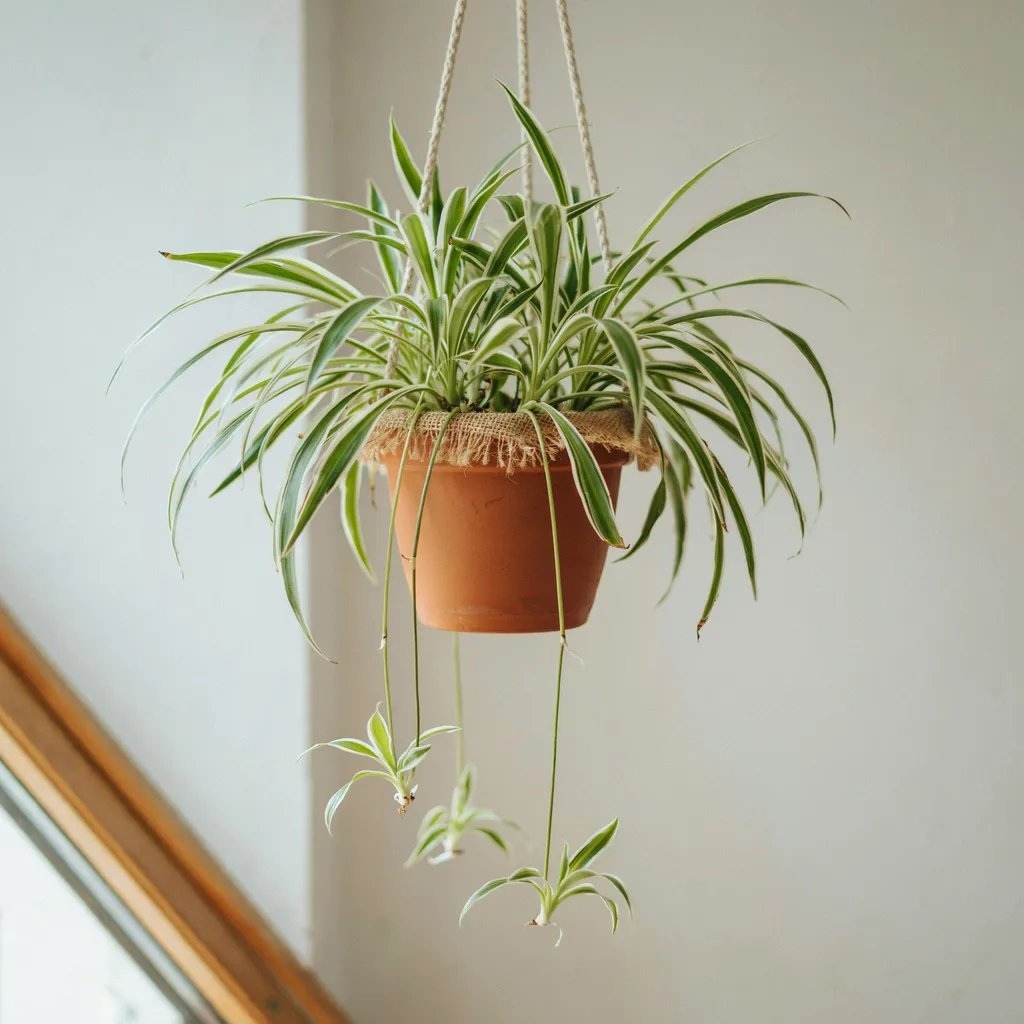
Spider plant for easy, trailing foliage indoors and out grows readily in both containers and hanging baskets, tolerating a wide range of light conditions while adding the same cascading foliage effect many toxic trailing plants provide.
Spider plant’s easy care and tolerance for varied light make it a practical, low-maintenance choice for gardeners specifically prioritizing safety without sacrificing convenience.
5. Rosemary for a Dog-Friendly Herb Garden Anchor
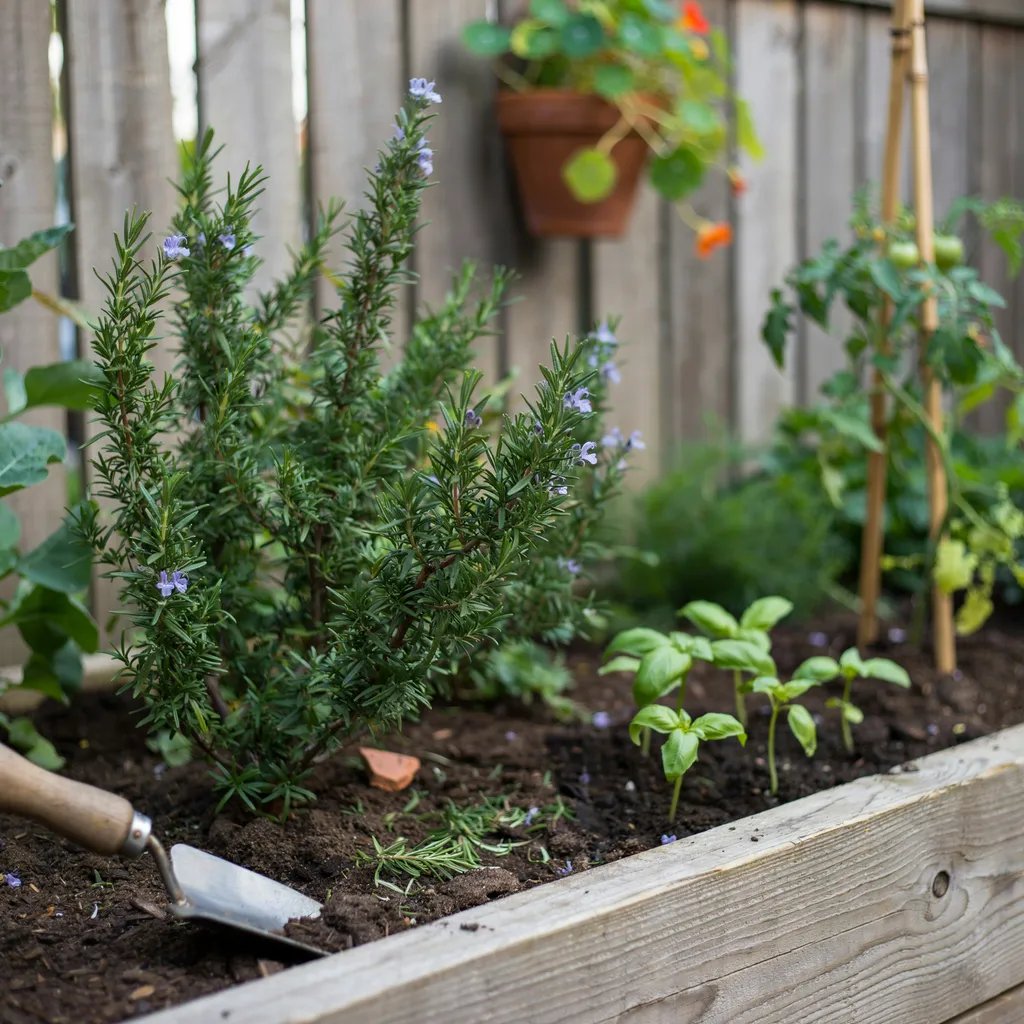
Rosemary for a dog-friendly herb garden anchor is both genuinely safe for dogs and one of the most useful culinary herbs available, making it a natural anchor plant for anyone building a kitchen garden in a yard shared with pets.
Rosemary’s dual role, safe for dogs and genuinely useful in the kitchen, makes it a practical anchor for a dog-friendly herb garden rather than just a decorative safe option.
6. Basil for Fast, Safe, Productive Growing
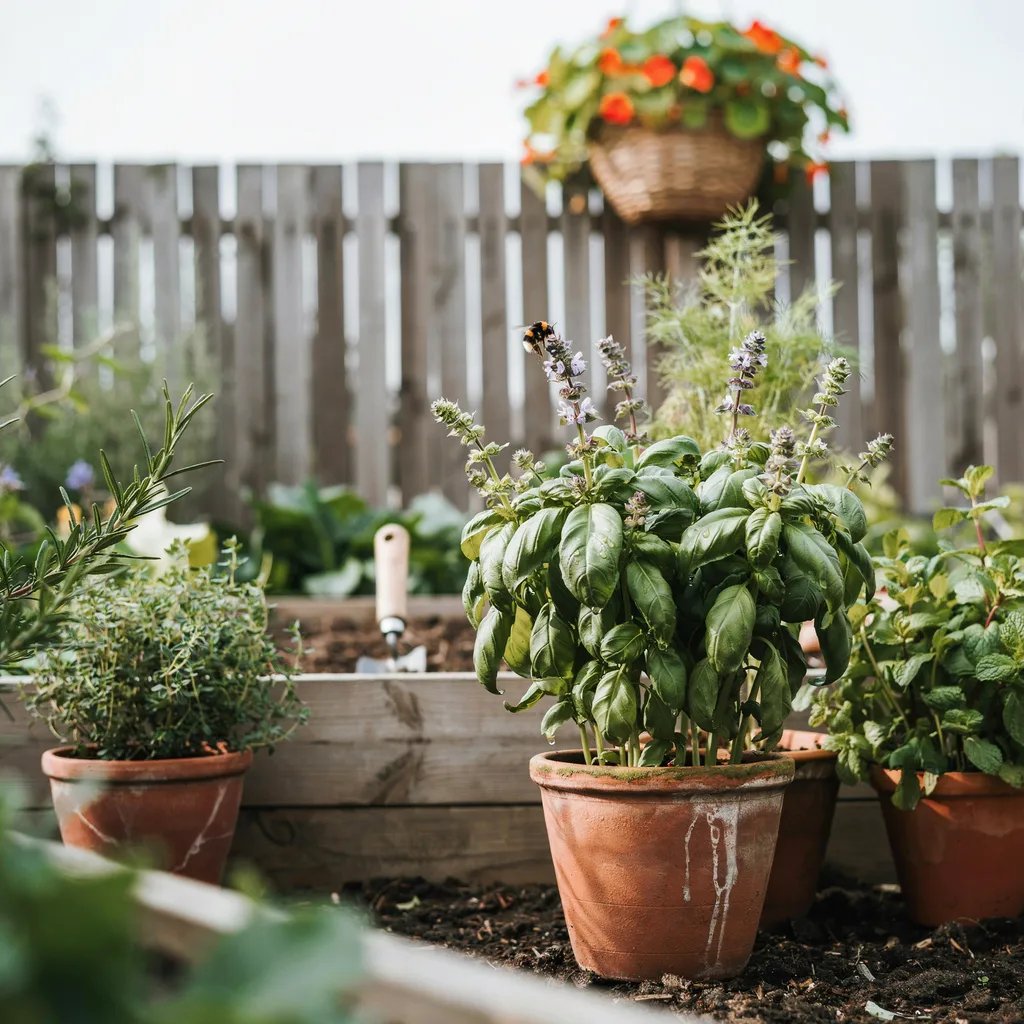
Basil for fast, safe, productive growing rounds out a dog-friendly herb garden with a fast-growing, highly productive plant that’s completely safe if a curious dog samples a leaf, unlike several ornamental plants often grown nearby.
Basil pairs well with rosemary specifically because both are genuinely useful kitchen herbs that also happen to be completely safe around dogs.
7. Marigold for Bright, Cheerful Border Color
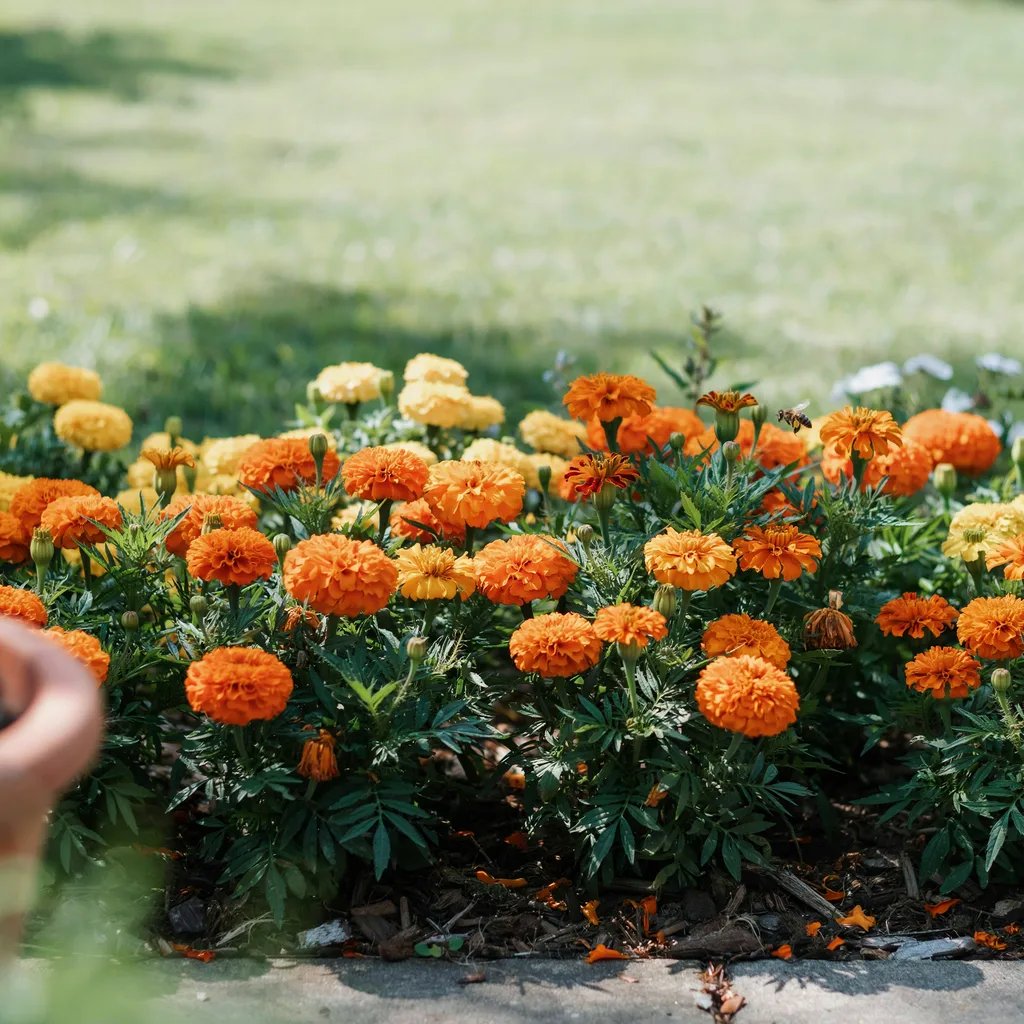
Marigold for bright, cheerful border color provides reliable, long-blooming orange and yellow color for borders and containers, filling the same cheerful, easy-annual role many gardeners reach for with less pet-safe options.
Marigold delivers dependable bright color with minimal care, making it a strong safe substitute wherever a garden design calls for cheerful, long-blooming annual color.
8. Rose for Garden Elegance
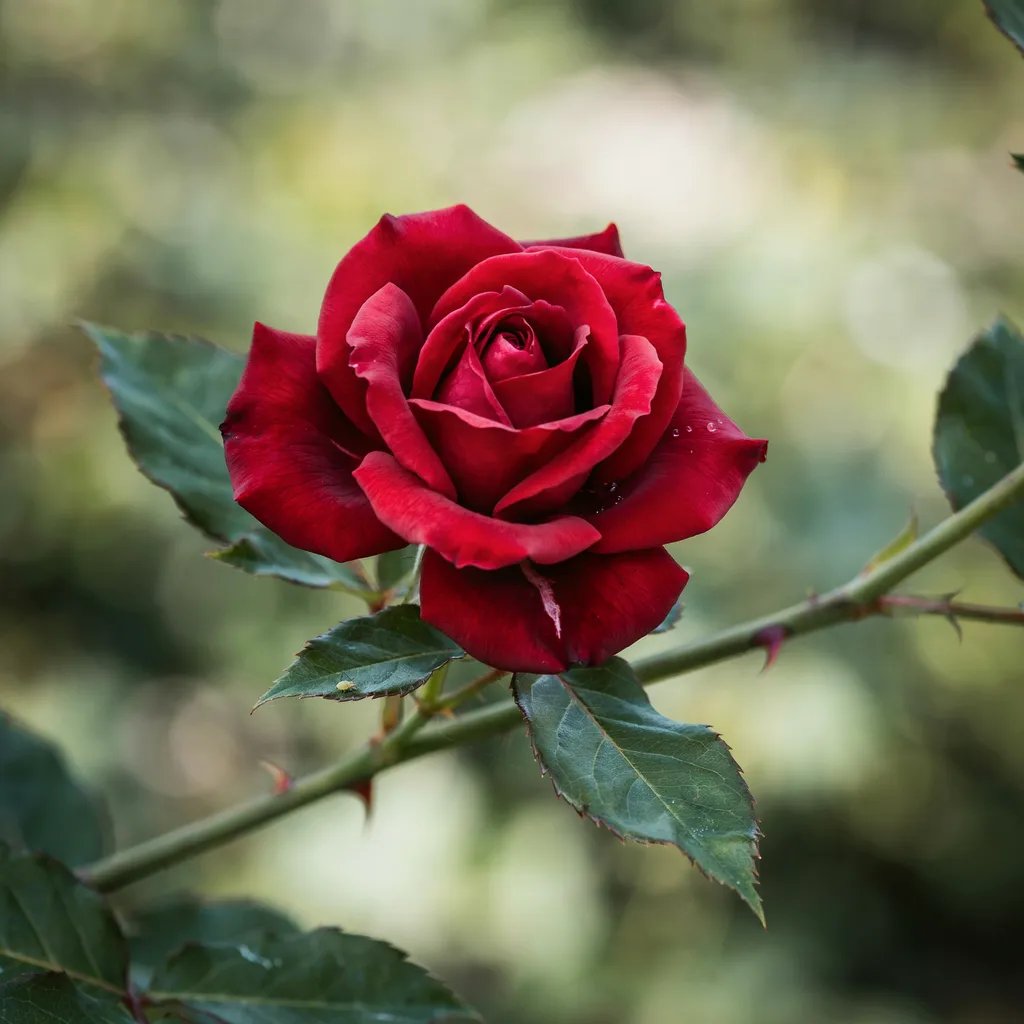
Rose for genuine garden elegance is a welcome surprise on any dog-friendly list, since true roses are non-toxic to dogs (though thorns pose a separate physical risk), meaning a garden can still include this classic flowering shrub without ingestion concerns.
The Thorn Caveat Worth Knowing
The thorn caveat worth knowing is that while rose foliage and petals aren’t toxic, the thorns can cause physical injury to a curious dog, so placement away from high-traffic dog areas is still worth considering even though the toxicity concern doesn’t apply.
Roses are genuinely non-toxic, but their thorns present a physical, not chemical, risk worth factoring into placement decisions around dogs.
9. Sunflower for Bold, Cheerful Height
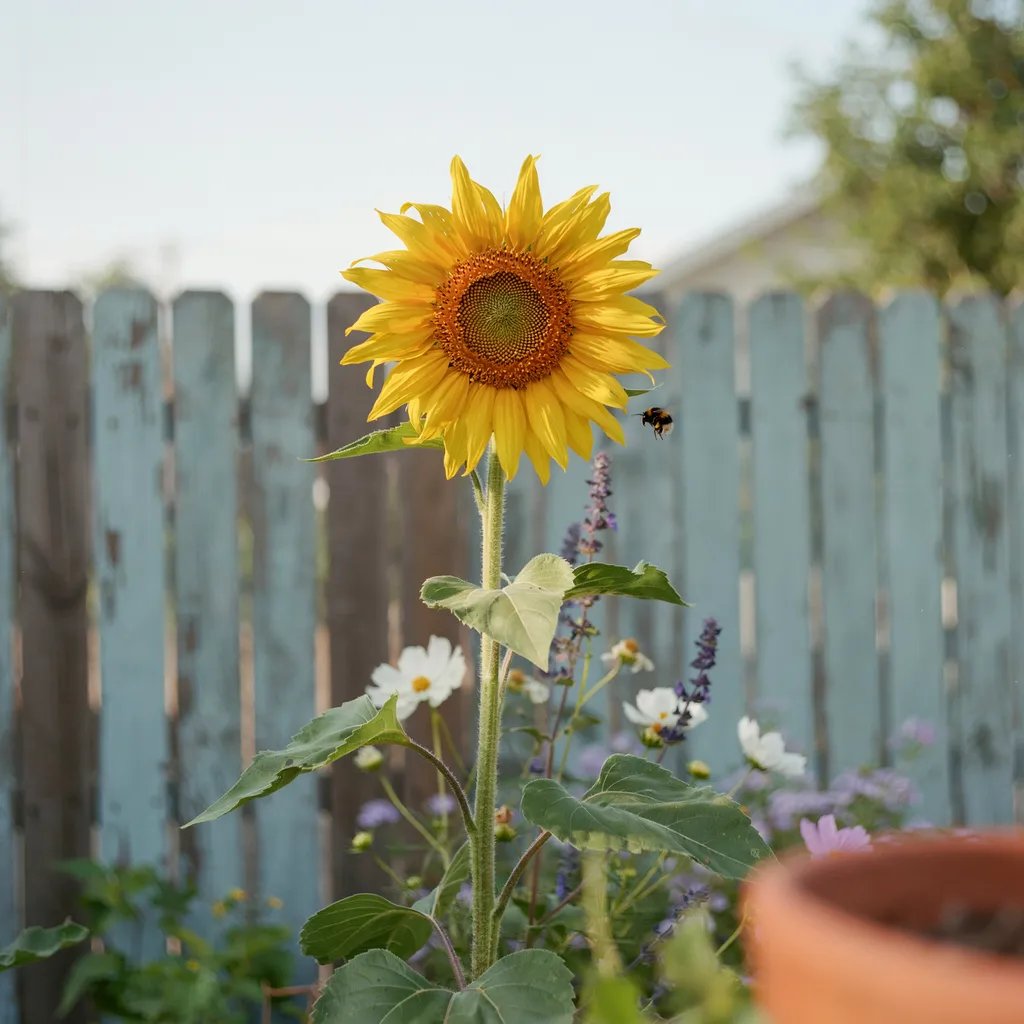
Sunflower for bold, cheerful height brings dramatic vertical scale and bright color to a dog-friendly garden, a role many gardeners might otherwise fill with a taller toxic plant, while sunflowers remain completely safe if a dog investigates fallen petals or leaves.
Sunflower fills the tall, bold-statement role safely, giving dramatic height and color without the ingestion risk of some other tall garden plants.
Designing a Full Dog-Friendly Garden, Not Just a Safe Plant List
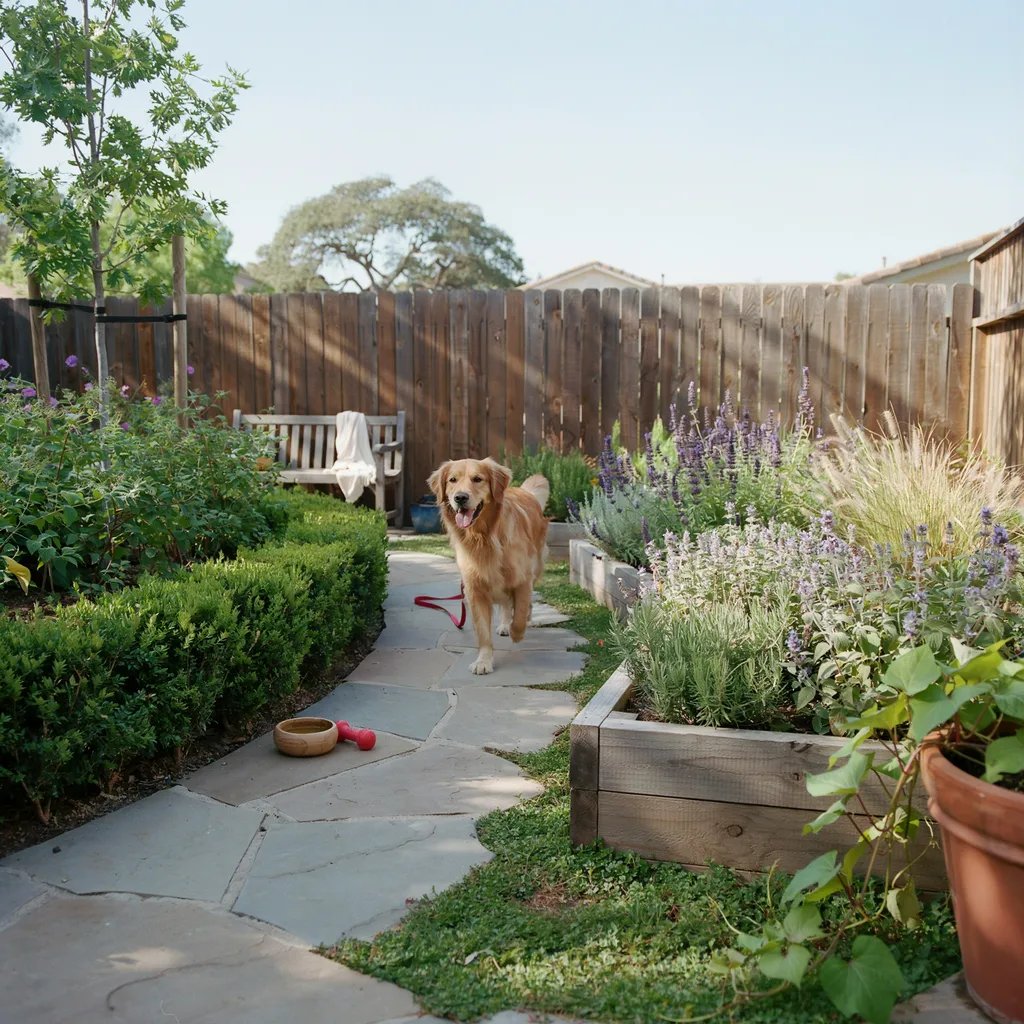
Designing a full dog-friendly garden, not just a safe plant list, means thinking about layout too, since even non-toxic plants benefit from some protection against a dog running through a bed, and physical barriers or sturdy plant choices matter alongside toxicity screening.
A genuinely dog-friendly garden considers both toxicity and physical layout, since even a safe plant can get damaged by regular dog traffic if placement isn’t also considered.
The Bottom Line
Non-toxic, dog-friendly plants don’t have to mean a boring, flowerless garden, since camellia, snapdragon, rose, and sunflower all provide real visual drama while remaining safe if a curious dog investigates them. Rosemary and basil round out a genuinely useful dog-friendly herb garden, and cross-checking any specific plant against a reliable source like the ASPCA’s toxic plant list remains worth doing before planting, since toxicity information can vary between sources.
Frequently Asked Questions
Where Can I Find a Complete, Reliable List of Toxic Plants for Dogs?
The ASPCA maintains a comprehensive, regularly updated database of toxic and non-toxic plants specifically for dogs, cats, and horses, and it’s generally considered one of the most reliable single sources available for checking a specific plant before bringing it into a pet-friendly garden.
Are These Plants Also Safe for Cats, Not Just Dogs?
Most of the plants on this list are safe for both dogs and cats, though toxicity can differ slightly between species for certain plants, so it’s worth checking a species-specific source if cats are also present in the household.
Is It Safe to Assume a Plant Labeled “Pet Safe” at a Garden Center Is Accurate?
Garden center labeling isn’t always reliable or consistently verified, so cross-referencing any plant labeled pet safe against a dedicated database like the ASPCA’s list is worth doing regardless of what the retail label claims.
Can Non-Toxic Plants Still Cause Digestive Upset if a Dog Eats Them?
Yes, even genuinely non-toxic plants can cause mild digestive upset like vomiting or diarrhea if a dog eats a large quantity, since “non-toxic” means not poisonous, not necessarily easy on the digestive system in large amounts.
Do I Need to Worry About Mulch or Soil Additives Being Toxic to Dogs?
Yes, this is a separate concern from plant toxicity; cocoa mulch specifically is toxic to dogs and should be avoided entirely in a dog-friendly garden, with cedar or pine mulch generally considered safer alternatives.
Are There Any Non-Toxic Plants That Are Still Physically Dangerous to Dogs?
Yes, roses are the clearest example on this list, non-toxic but physically thorny, and any plant with thorns, spines, or a lot of dense woody structure can pose a physical injury risk even when it poses no chemical toxicity risk at all.