
How to Use 10 Secrets for Organic Vegetable Gardening Success

Genuine organic vegetable gardening success depends less on which products you avoid and more on actively building soil biology, since healthy soil microbiology is what replaces synthetic fertilizers and pesticides in a working organic system. The gardeners who struggle with organic methods usually treat “organic” as simply subtracting chemicals from a conventional approach, while the ones who succeed treat it as building an entirely different, self-sustaining system centered on compost, crop diversity, and beneficial insects. These 10 practices work together as a system rather than as isolated tips, which is why partial adoption (just switching fertilizer brands, for instance) often disappoints.
1. Build Soil Health as the Foundation, Not an Afterthought
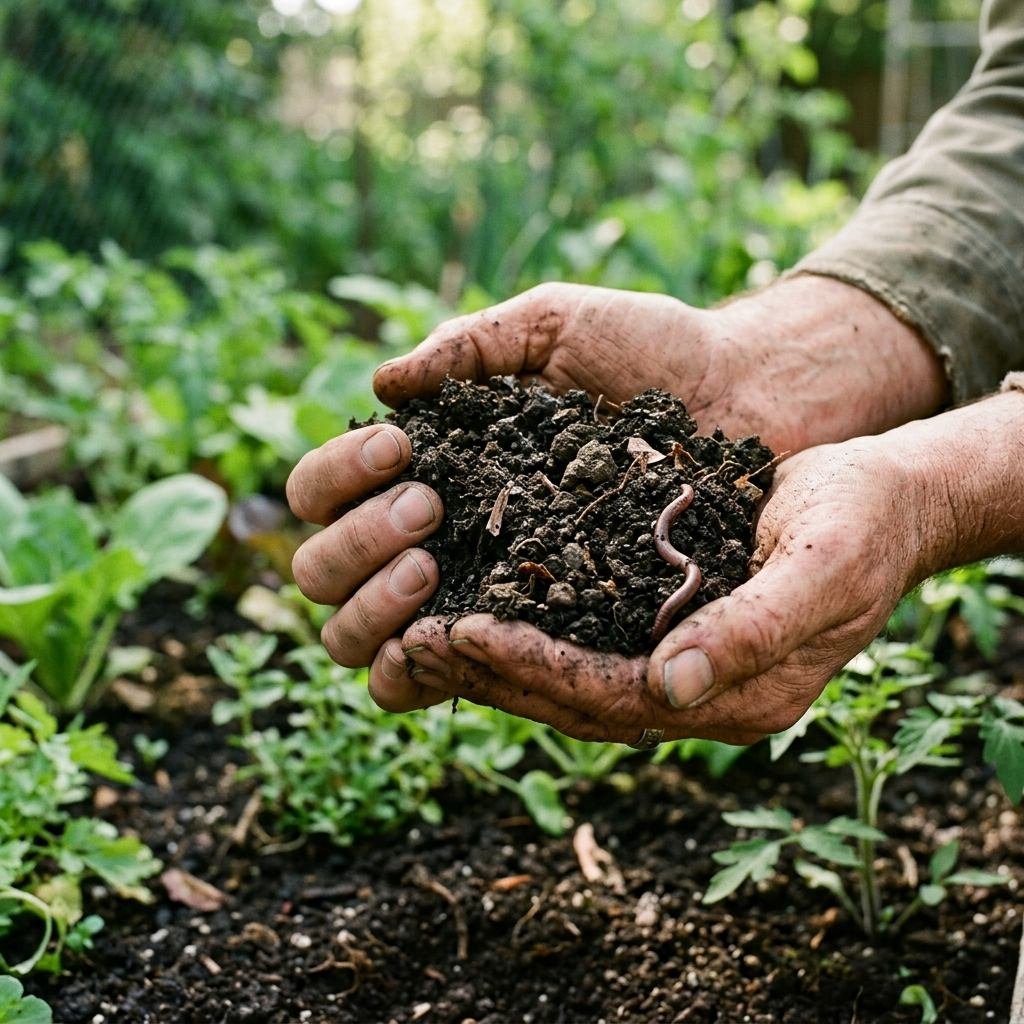
The central principle separating successful organic gardens from struggling ones is feeding the soil ecosystem rather than feeding the plant directly, since a biologically active soil full of beneficial bacteria, fungi, and earthworms naturally makes nutrients available to roots and suppresses many pathogens through competition. Working 2-3 inches of finished compost into beds each season, rather than relying primarily on organic fertilizer products, builds the organic matter percentage in soil over time (a realistic goal is reaching 5-8% organic matter within 3-5 years of consistent amendment), which correlates directly with better water retention, nutrient availability, and disease suppression. Avoiding excessive tilling preserves the fungal networks (mycorrhizae) that form symbiotic relationships with plant roots, extending their effective root reach for water and phosphorus uptake by as much as tenfold in some studies.
Key takeaway: Every dollar and hour spent building soil organic matter pays back more reliably than the same investment in any packaged organic product.
2. Rotate Crop Families on a Genuine 3-4 Year Cycle
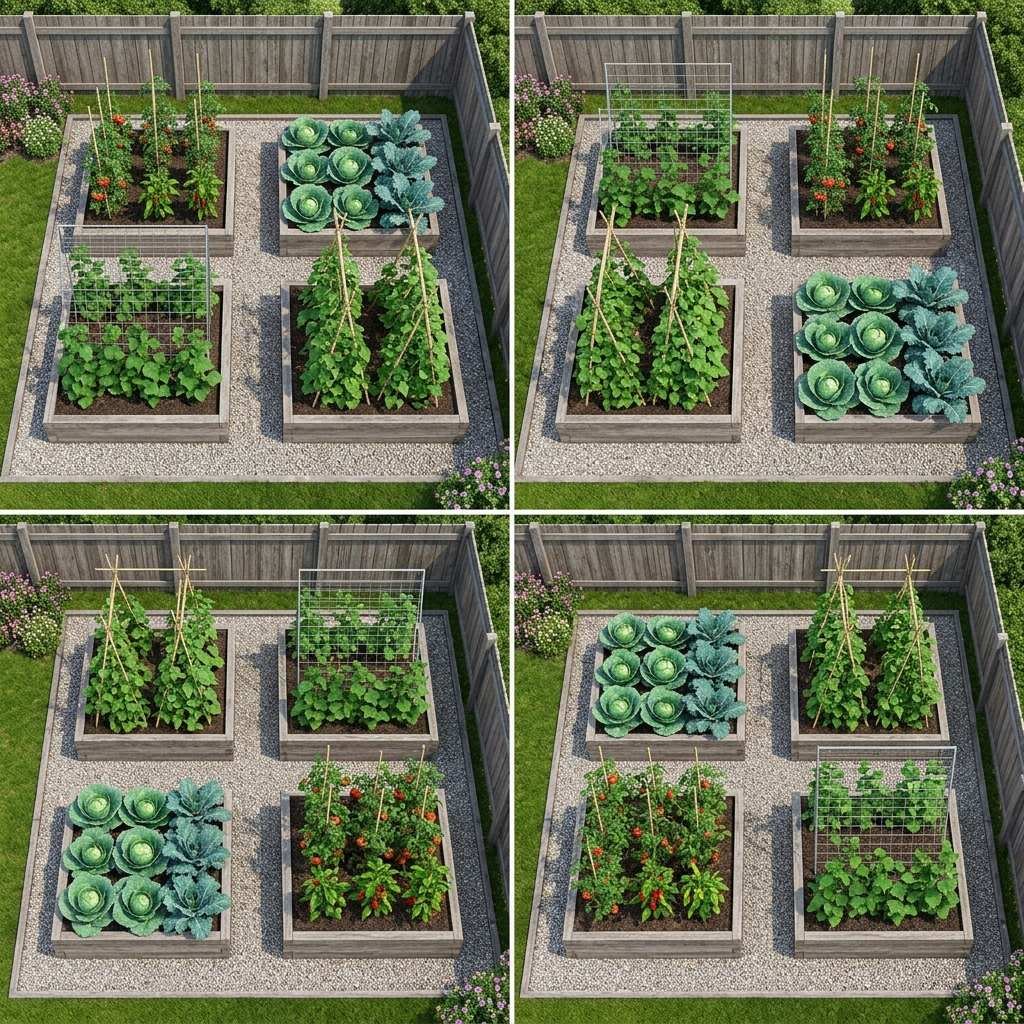
Growing the same plant family in the same spot year after year allows soil-borne pests and diseases specific to that family to build up in the soil, which is precisely why tomato blight, squash vine borer, and clubroot in brassicas become chronic problems in gardens that don’t rotate. A proper rotation groups plants by family (nightshades: tomatoes, peppers, eggplant, potatoes; brassicas: broccoli, cabbage, kale; legumes: beans, peas; cucurbits: squash, cucumbers, melons) and moves each group to a different bed section for at least 3, ideally 4, years before returning to the original spot. This single practice, more than almost any product-based intervention, is responsible for the reduced disease pressure experienced in well-managed organic gardens compared to gardens that replant the same layout annually.
Key takeaway: Map your garden into 4 rotation zones by plant family and physically move each family to the next zone every year without exception.
3. Use Companion Planting Strategically, Not Decoratively
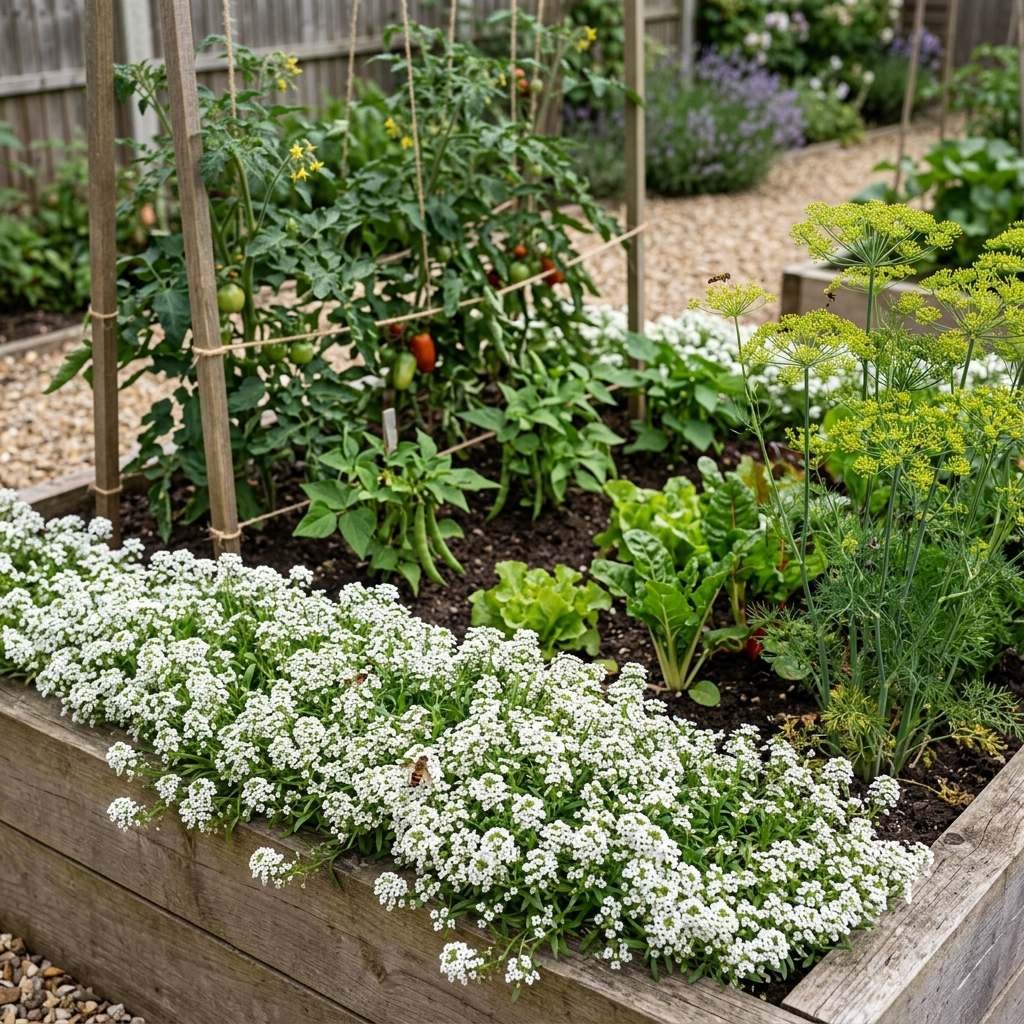
Companion planting works through several real mechanisms: some combinations repel specific pests through scent (marigolds’ root exudates deter certain nematodes, and their strong scent confuses many flying pests locating host plants by smell), some attract beneficial predatory insects that then patrol nearby crops, and some improve growing conditions directly (tall plants providing afternoon shade for heat-sensitive lettuce, for example). The classic “Three Sisters” planting of corn, pole beans, and squash demonstrates multiple mechanisms at once: beans fix nitrogen the corn needs, corn provides a living trellis for beans, and squash’s broad leaves shade out weeds and retain soil moisture for all three. Planting a dedicated border of pollinator- and predator-attracting flowers (alyssum, dill, and yarrow are particularly effective at drawing in parasitic wasps and hoverflies) around vegetable beds does more consistent pest suppression work than most gardeners expect from something so simple.
Key takeaway: Choose companion plants for a specific, real mechanism (pest confusion, nitrogen fixing, beneficial insect attraction) rather than following generic pairing charts without understanding why they work.
4. Encourage Beneficial Insects Before Reaching for Any Spray
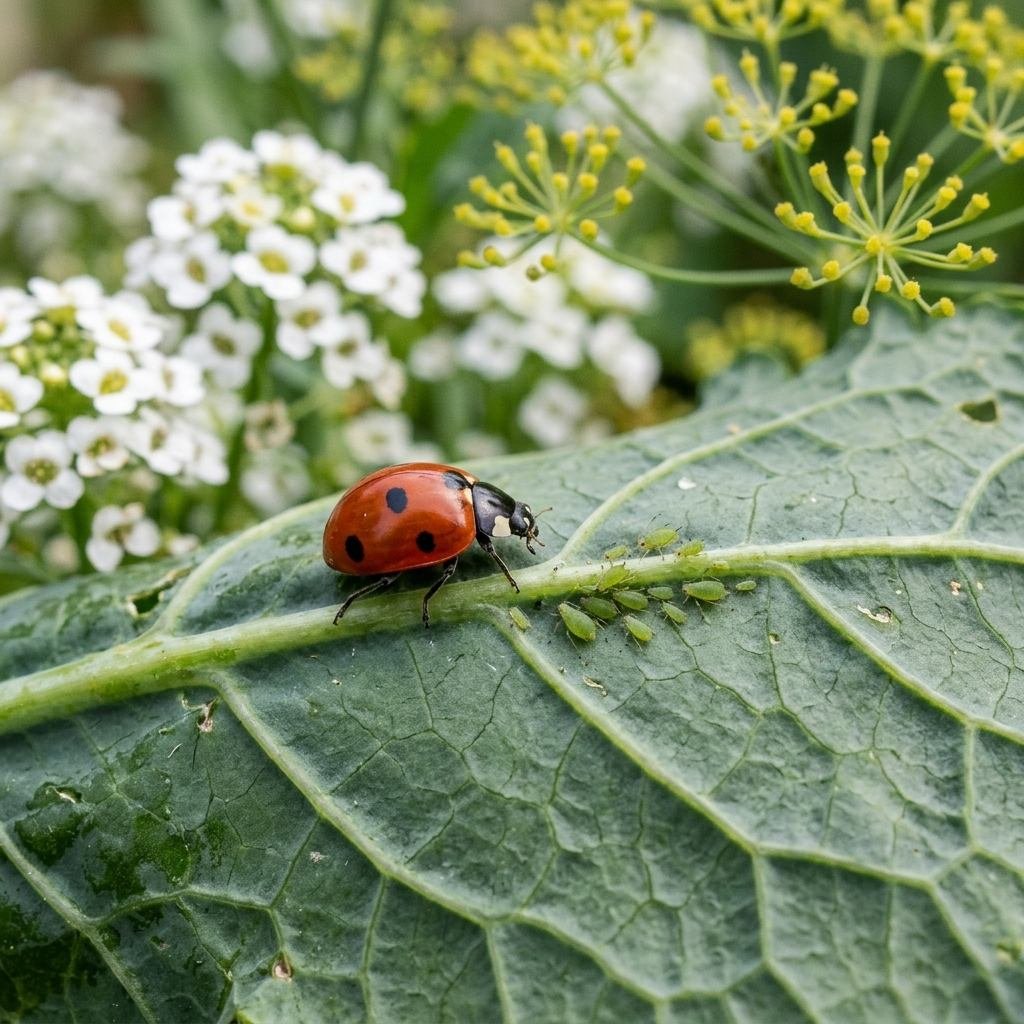
An organic garden with a healthy population of ladybugs, lacewings, parasitic wasps, and predatory ground beetles handles a meaningful share of pest control automatically, and disrupting this balance with even organic-approved sprays (like broad-spectrum neem oil applied indiscriminately) can do more harm than good by killing beneficial insects alongside pests. Providing habitat, a shallow water source, a diversity of flowering plants blooming across the whole season, and leaving some leaf litter or a brush pile undisturbed for overwintering beneficial insects, builds a resident population that provides pest control continuously rather than only when a spray is applied. When intervention becomes necessary, targeted approaches (hand-picking, a strong water spray for aphids, or specific biological controls like Bacillus thuringiensis for caterpillar pests) preserve more of the beneficial insect population than broad-spectrum organic pesticides.
Key takeaway: Treat beneficial insects as your first line of pest defense and reserve even organic sprays for situations that genuinely require intervention.
5. Mulch Heavily and Consistently
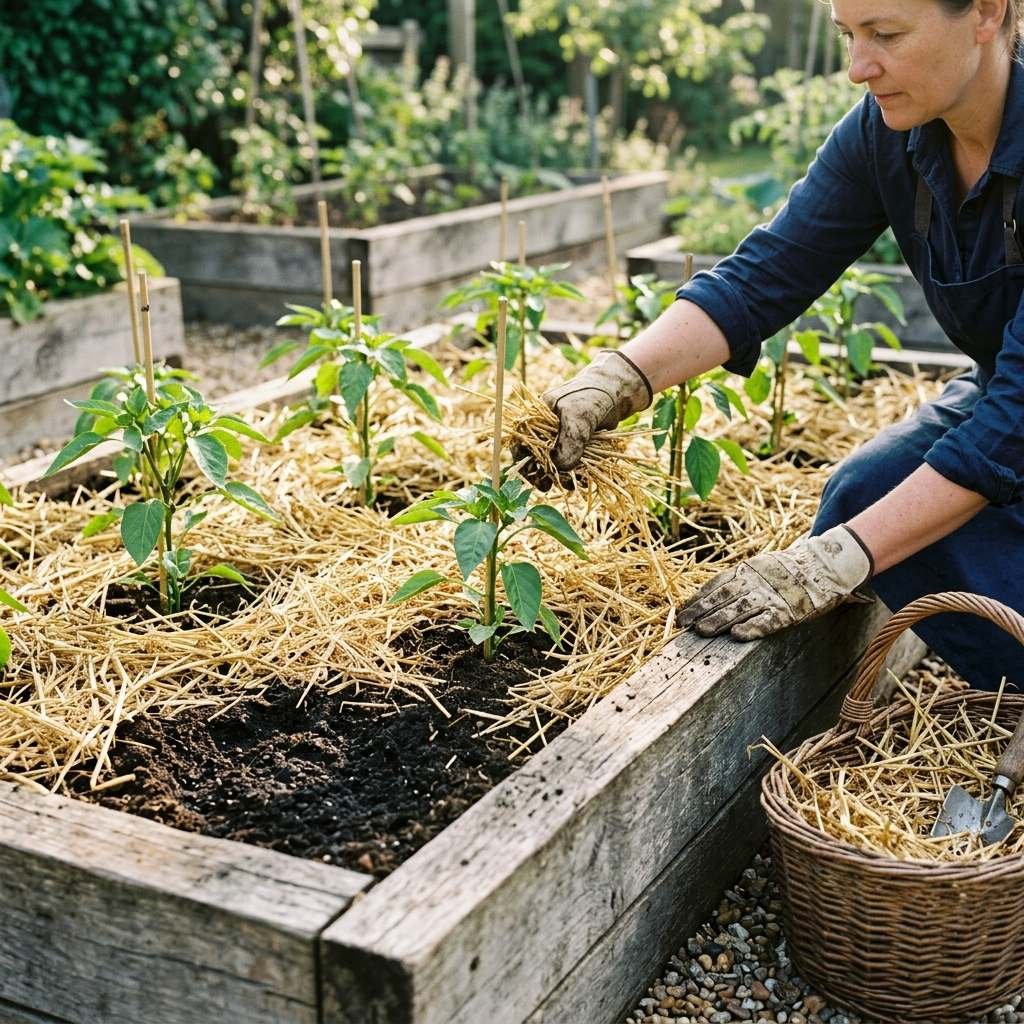
A 2-3 inch layer of organic mulch (straw, shredded leaves, or untreated grass clippings) suppresses weed germination by blocking light, retains soil moisture (reducing watering needs by up to 25-50% in hot summer months), moderates soil temperature swings that stress roots, and slowly breaks down to add organic matter, essentially performing four functions from one simple, low-cost action. Straw mulch specifically works well around vegetables since it doesn’t compact and allows good water penetration, while shredded leaves (run over with a mower first to break them down) offer a free, abundant option in fall. The one caution is keeping mulch pulled back a few inches from plant stems to avoid trapping moisture against the stem base, which can promote rot and provide slug habitat directly against the plant.
Key takeaway: Mulch is one of the highest-leverage, lowest-cost actions in an organic garden, addressing weeds, water, temperature, and soil building simultaneously.
6. Practice Succession and Interplanting for Continuous Diversity
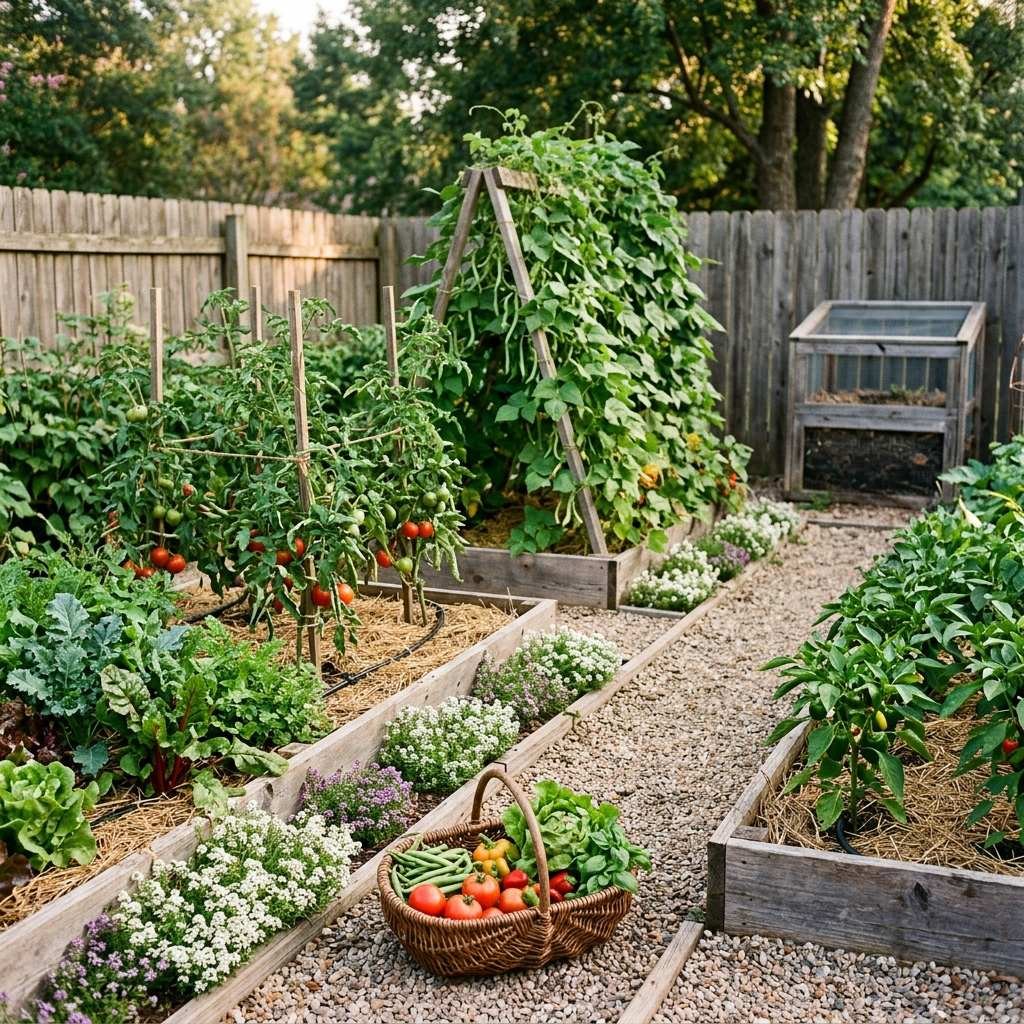
A garden with genuine plant diversity, multiple species and varieties growing at once rather than large blocks of a single crop, is inherently more resistant to pest and disease outbreaks, since pests specific to one plant type can’t spread as easily through a mixed planting the way they can through a monoculture block. Succession planting (sowing a new round of quick crops like lettuce or radishes every 2 weeks) and interplanting fast crops between slower-maturing ones (radishes between young pepper plants, for instance) maximizes both yield per square foot and the diversity that keeps pest pressure distributed rather than concentrated.
7. Water at the Soil Level, Early in the Day
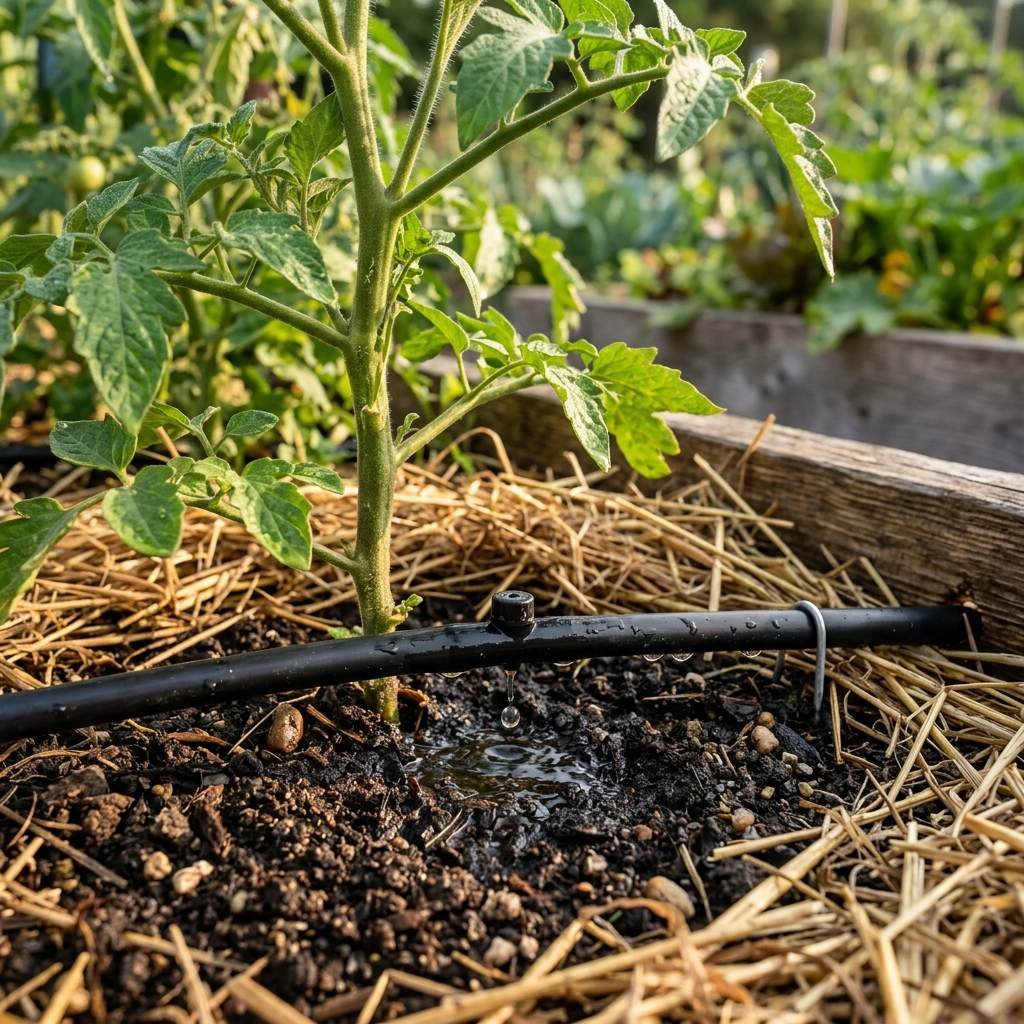
Overhead watering, especially in the evening, leaves foliage wet for extended periods overnight, creating ideal conditions for fungal diseases like powdery mildew, blight, and downy mildew, all of which are considerably harder to manage organically once established compared to conventional fungicide programs. Watering at the base of plants with drip irrigation or a soaker hose, done in the early morning, allows any incidental leaf moisture to dry quickly in the day’s sun while delivering water efficiently to the root zone where it’s actually needed. This single change in watering habit and timing prevents a substantial share of the fungal disease pressure organic gardeners otherwise attribute to “just bad luck” with weather.
8. Use Cover Crops in the Off-Season
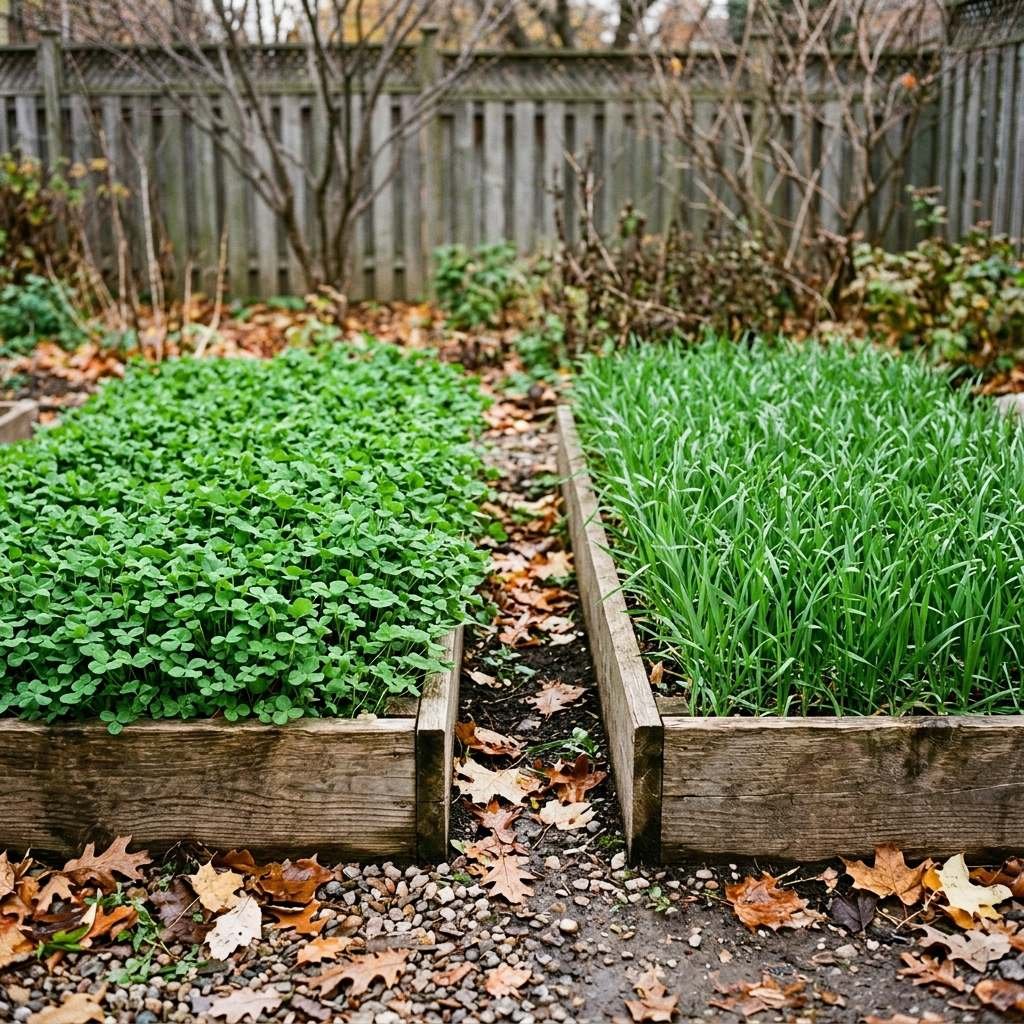
Leaving garden beds bare over winter or between plantings wastes an opportunity to actively improve soil, while a cover crop like crimson clover, winter rye, or field peas planted after a summer harvest protects soil from erosion, suppresses winter weeds, and (in the case of legume cover crops) fixes nitrogen that becomes available to the next season’s crops once the cover crop is cut and worked into the soil. Cover cropping is standard practice in organic farming operations at scale precisely because it replaces synthetic soil inputs so effectively, and the same benefit scales down perfectly to a backyard bed.
9. Test Soil Before Guessing at Amendments
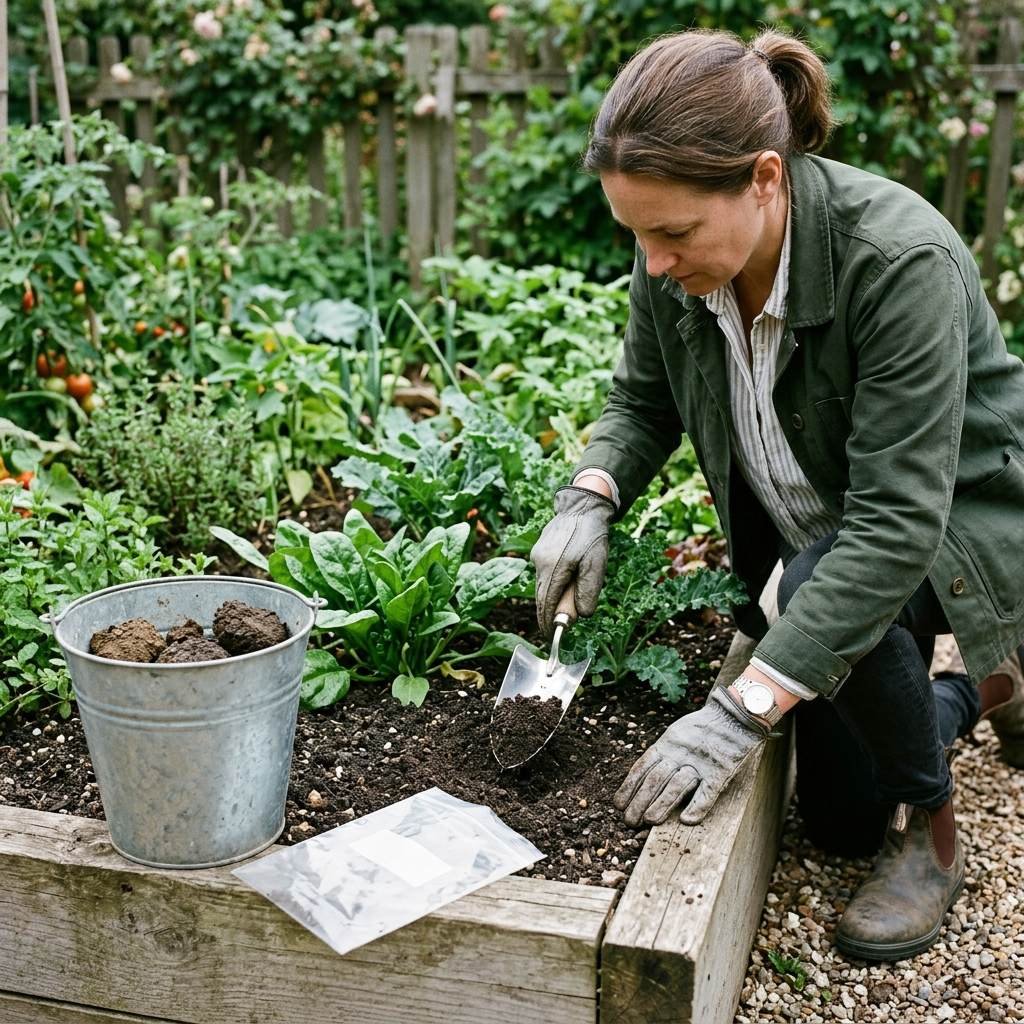
Organic gardeners sometimes over-apply well-intentioned amendments (excess compost, wood ash, or lime) without knowing their actual soil’s baseline nutrient levels and pH, which can create imbalances just as easily as synthetic over-fertilization can. A soil test every 2-3 years, through a local extension office or a home test kit, provides the actual pH and nutrient data needed to apply amendments with precision rather than guesswork, preventing both deficiencies and the accumulation of excess nutrients that can lock out other elements or run off into local waterways.
10. Accept and Plan for Some Pest Damage as Normal
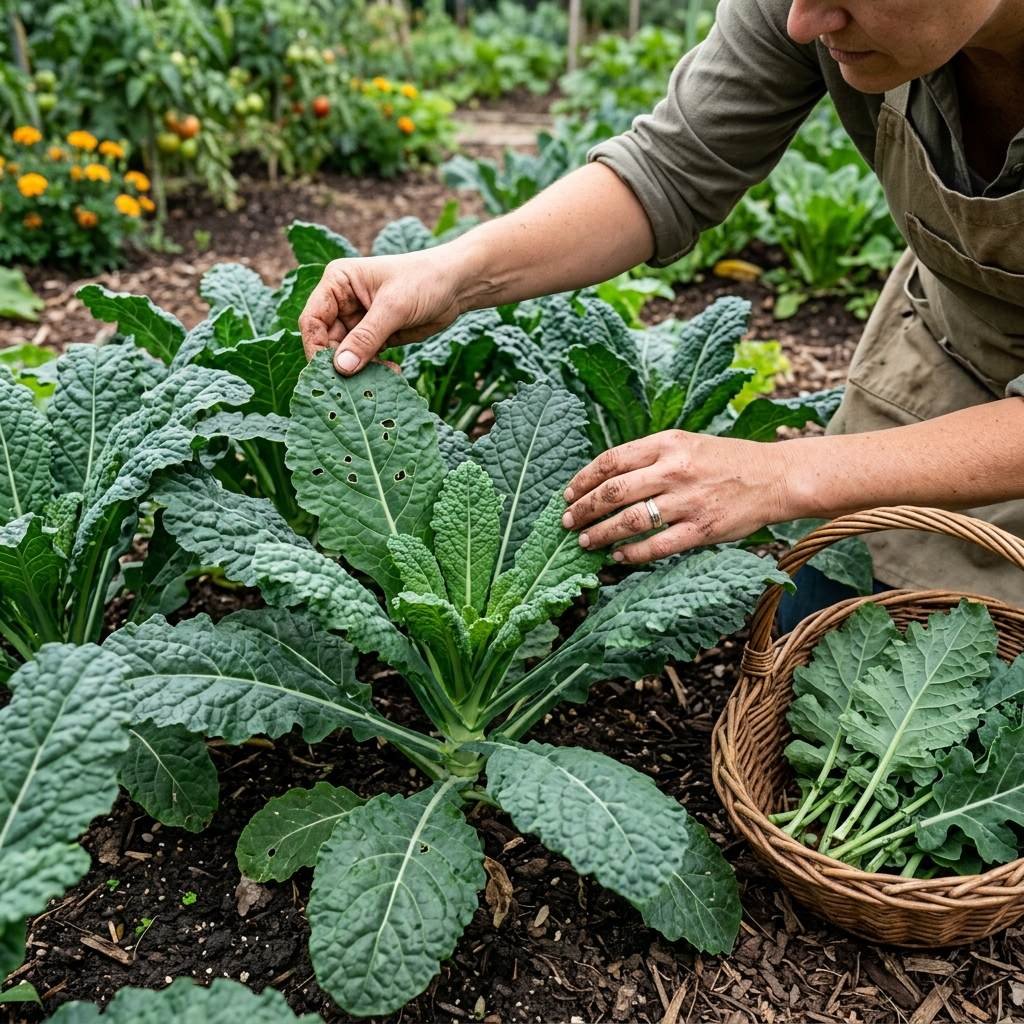
A genuinely organic system tolerates a degree of pest damage as part of a functioning ecosystem, since chasing zero-damage perfection typically requires intervention levels that undermine the beneficial insect populations and soil biology the whole system depends on. Planting slightly more than you need (a buffer of roughly 10-15% extra) accounts for this reality without threatening the harvest, and monitoring pest levels regularly to intervene only when damage crosses an actual economic threshold (rather than at the first sign of any damage) keeps the whole system in better long-term balance.
Comparing Organic vs. Conventional Approaches to Common Problems
| Problem | Conventional Approach | Organic Approach |
|---|---|---|
| Soil fertility | Synthetic NPK fertilizer | Compost, cover crops, organic matter building |
| Insect pests | Broad-spectrum pesticide | Beneficial insects, companion planting, targeted controls |
| Fungal disease | Chemical fungicide | Airflow, soil-level watering, resistant varieties, rotation |
| Weeds | Herbicide | Mulch, dense planting, hand weeding |
| Soil-borne disease | Soil fumigants | Crop rotation, solarization, resistant varieties |
The Bottom Line
Organic vegetable gardening succeeds as a connected system, not a checklist of substitutions, with soil biology as the foundation everything else builds on. Crop rotation, companion planting, mulching, and beneficial insect habitat work together to replace the functions synthetic inputs perform in a conventional garden, but only when applied consistently and in combination rather than piecemeal. Gardeners who commit to these practices for a full 2-3 seasons typically see the payoff clearly, as soil health compounds and the whole system becomes more self-regulating each year.
Frequently Asked Questions
How long does it take to see results from switching to organic gardening methods?
Most gardeners notice meaningful improvement in soil texture and plant vigor within one full growing season, but the deeper benefits of built-up soil organic matter and established beneficial insect populations typically take 2-3 years to fully mature. Patience during the transition period matters, since soil biology takes time to rebuild if it’s been depleted by prior conventional practices.
Is organic gardening more expensive than conventional gardening?
Initial costs can be similar or even lower, since compost, cover crop seed, and companion plants are relatively inexpensive, but the labor investment is often higher, particularly for hand weeding and pest monitoring. Over time, reduced need for purchased fertilizer as soil health improves can lower ongoing costs.
Can I use compost from my own kitchen scraps for organic vegetable gardening?
Yes, home compost from kitchen scraps and yard waste is one of the best amendments for organic gardens, provided it’s fully finished (dark, crumbly, and no longer heating up) before application. Avoid adding meat, dairy, or diseased plant material to a home compost pile to prevent pest attraction and pathogen spread.
What’s the biggest mistake beginners make when switching to organic methods?
The most common mistake is treating organic gardening as simply removing synthetic chemicals without replacing their function, which leads to nutrient-deficient soil and unchecked pest pressure. Success requires actively building soil biology and pest-management systems, not just subtracting conventional inputs.
Do I need to rotate crops in a very small garden with limited bed space?
Yes, even a small garden benefits from rotation; if physical space is limited, rotating within large containers or dividing a single bed into sub-sections for different plant families still interrupts pest and disease cycles meaningfully. Some gardeners with very limited space also rely more heavily on cover crops and compost to compensate for less rotation flexibility.
Are all “organic” pesticides automatically safe for beneficial insects?
No, organic-approved products like neem oil, pyrethrin, and even insecticidal soap can harm beneficial insects if applied broadly rather than targeted at specific pests. Always apply any pesticide, organic or otherwise, directly to the affected area and avoid spraying open flowers where pollinators are actively feeding.