
What Is Matrix Planting? A Guide to This Modern Design Style

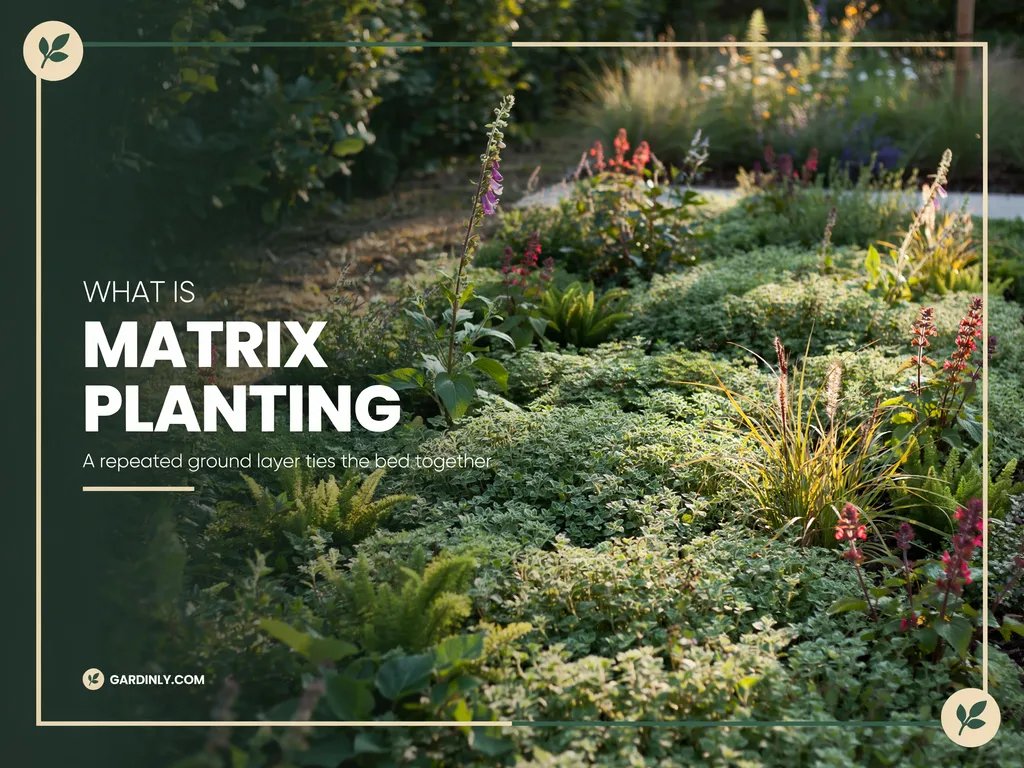
Matrix planting genuinely depends on a single, repeated ground-layer species planted throughout the entire bed to create visual unity, and this specific structural element, a consistent matrix plant tying everything together, is exactly what separates this modern naturalistic design style from an ordinary mixed perennial border, where plants are simply combined without this same unifying underlying layer.
The Matrix Layer’s Defining Structural Role
The Unifying Function That Explains Why Matrix Planting Reads Differently From Traditional Borders
The unifying function that explains why matrix planting reads differently from traditional borders is that the repeated matrix species genuinely creates a cohesive visual “background” throughout the bed, against which feature plants read as distinct, intentional focal points, a genuinely different visual effect than a traditional border’s collection of individually distinct plant groupings without this same unifying underlying structure.
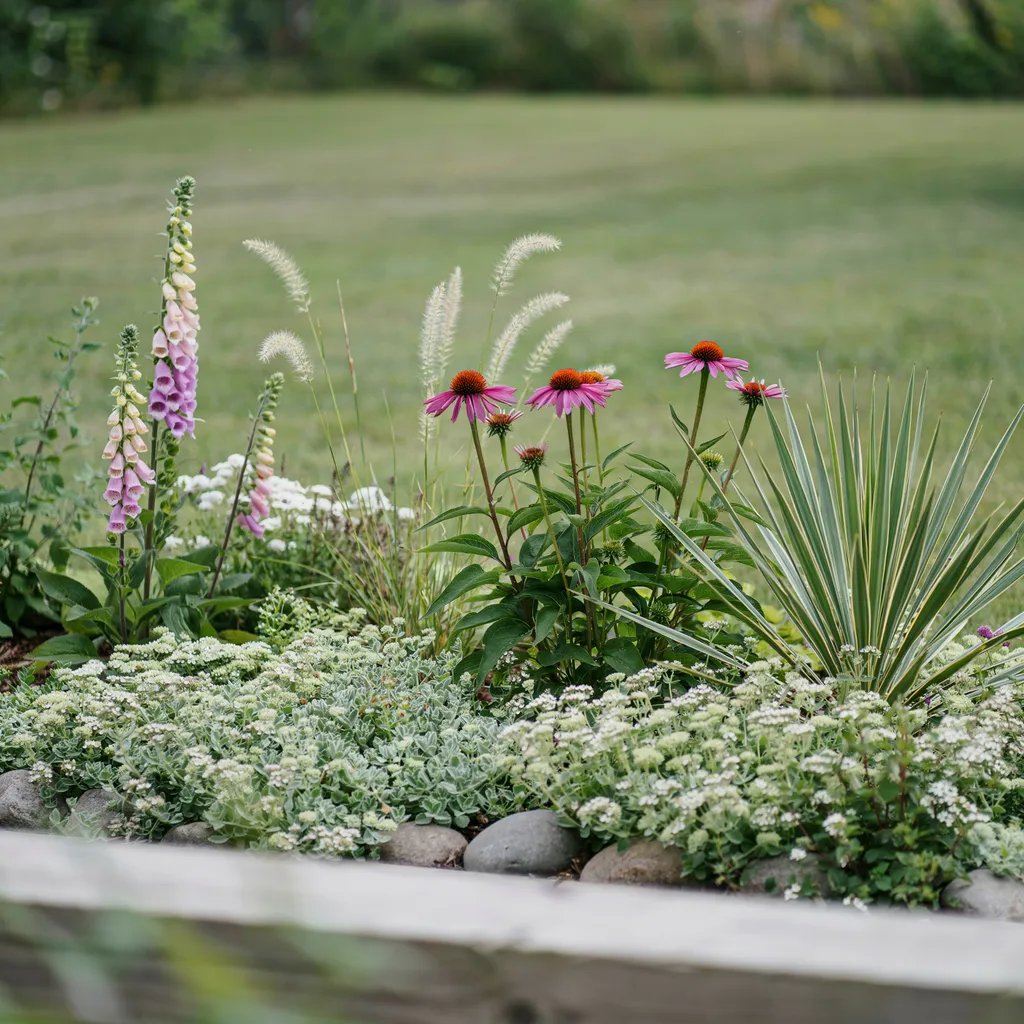
Why the repeated matrix layer is genuinely the defining structural element, not simply a style choice, is that this consistent ground-layer planting genuinely creates the visual and ecological unity that distinguishes matrix planting from a traditional mixed border, where each plant typically occupies its own distinct space without this same underlying connective layer running throughout the entire bed.
Understanding the matrix layer’s genuine unifying function, not simply its presence as one plant type among several, explains why this specific structural approach produces matrix planting’s characteristic naturalistic, cohesive visual effect distinct from conventional mixed border design.
Choosing a Tough, Spreading Matrix Species

Selecting a genuinely tough, reliably spreading matrix species as the foundation means choosing a plant genuinely capable of covering ground reliably across the entire bed area, tolerating the varied conditions different parts of the bed might present, since this single species needs to perform consistently well throughout the whole planting to achieve the intended unifying effect.
Matrix species selection genuinely determines the whole design’s success, making this choice worth prioritizing carefully given how much visual and functional weight this single, repeated species carries throughout the entire planting.
Scattering Feature Plants at Intervals Through the Matrix for Focal Interest

Scattering feature plants at intervals through the matrix for focal interest means planting more visually distinctive species, taller, more dramatic, or seasonally interesting plants, at deliberate intervals throughout the unified matrix background, creating genuine focal points that stand out precisely because of the consistent, unifying background they’re set against.
Feature plant placement genuinely depends on the matrix layer already being established as the visual background, making this two-layer structure, unified base plus scattered focal points, the actual design mechanism that produces matrix planting’s characteristic naturalistic appearance.
Mimicking Natural Plant Communities

Designing to genuinely mimic how plants actually grow together in natural plant communities means drawing inspiration from actual wild plant community structure, where a dominant ground-layer species typically does occupy most of the space with less common species interspersed throughout, rather than the more artificial, evenly distributed plant groupings traditional garden design often employs.
This genuine ecological inspiration distinguishes matrix planting’s design philosophy from purely aesthetic garden design traditions, making it worth understanding this naturalistic grounding as part of what gives the style its particular character and growing appeal among contemporary garden designers.
Choosing Matrix Species for Textural Interest
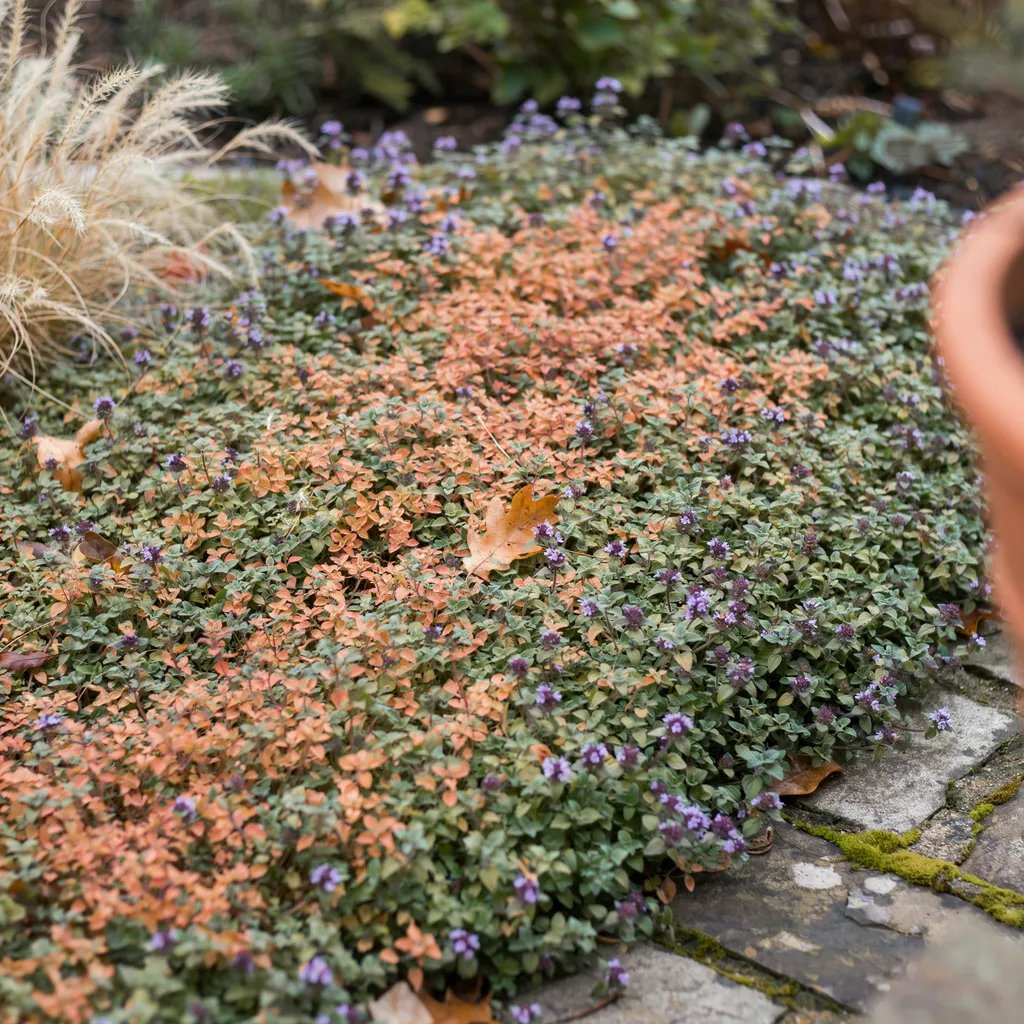
Choosing matrix species with genuine textural or seasonal interest of their own means selecting a ground-layer species that offers its own worthwhile visual character, fine texture, seasonal color change, or subtle bloom, beyond simply serving a purely functional unifying role, since the matrix layer genuinely occupies the majority of the bed’s total visual area throughout the year.
Given how much visual real estate the matrix layer genuinely occupies, choosing a species with its own worthwhile aesthetic qualities, not simply functional ground coverage, meaningfully improves the overall planting’s year-round visual interest beyond just the scattered feature plants.
Maintaining the Matrix Through Periodic Management Rather Than Intensive Individual Plant Care

Maintaining the matrix through periodic management rather than intensive individual plant care means managing the planting as a cohesive system, periodic cutting back or thinning of the matrix layer as needed, rather than the more intensive individual plant-by-plant maintenance traditional mixed borders often require.
This genuinely different maintenance approach, managing the system as a whole rather than individual plants separately, reflects matrix planting’s naturalistic design philosophy, making it worth understanding this maintenance style difference when considering whether this approach suits a specific gardener’s preferred level of hands-on plant management.
The Bottom Line
Matrix planting is genuinely defined by its repeated ground-layer matrix species planted throughout an entire bed, creating the visual and structural unity that distinguishes this modern naturalistic design style from a traditional mixed border’s collection of individually distinct plant groupings. Scattering feature plants at intervals through this unified matrix background, choosing matrix species with their own worthwhile textural or seasonal character, and maintaining the planting as a cohesive system rather than through intensive individual plant care round out an approach genuinely inspired by how plants actually grow together in natural communities.
Frequently Asked Questions
How Large Does a Garden Bed Genuinely Need to Be for Matrix Planting to Work Effectively?
Matrix planting can genuinely work at various scales, though the unifying visual effect of the repeated matrix layer often reads most effectively in beds with enough area to establish a genuinely visible, continuous matrix presence rather than a very small space where the matrix concept might not fully register visually.
Does Matrix Planting Genuinely Require Less Maintenance Than Traditional Mixed Border Gardening?
Often genuinely yes, once established, since the matrix layer’s dense coverage naturally suppresses weeds and the overall system-based management approach tends to require less individual plant-by-plant attention than a traditional border’s more varied plant collection typically demands.
Can Native Plant Species Be Used Effectively as the Matrix Layer in This Design Style?
Yes, genuinely, native species are often particularly well-suited to matrix planting given their natural adaptation to local growing conditions, making native matrix species a popular and ecologically meaningful choice within this broader design approach.
How Do I Choose Appropriate Feature Plants to Scatter Through an Established Matrix Layer?
Choosing feature plants that genuinely contrast with the matrix layer in height, texture, or seasonal bloom timing creates the most effective focal point distinction, making contrast, not simply attractiveness alone, worth prioritizing when selecting feature plant candidates for a matrix design.
Is Matrix Planting Genuinely Suited to Formal Garden Styles, or Is It Specifically a Naturalistic Design Approach?
Matrix planting is genuinely rooted in naturalistic design philosophy and typically reads as more informal and naturalistic, making it generally better suited to naturalistic or contemporary garden styles than to strictly formal, symmetrical garden design traditions.
Can Matrix Planting Be Successfully Combined With More Traditional Garden Design Elements in the Same Overall Landscape?
Yes, genuinely, many contemporary landscapes combine matrix-planted areas with more traditional design elements elsewhere on the same property, making matrix planting a design approach worth applying selectively to specific bed areas rather than requiring a complete landscape-wide design commitment.