Best Trees for Privacy in Your Backyard

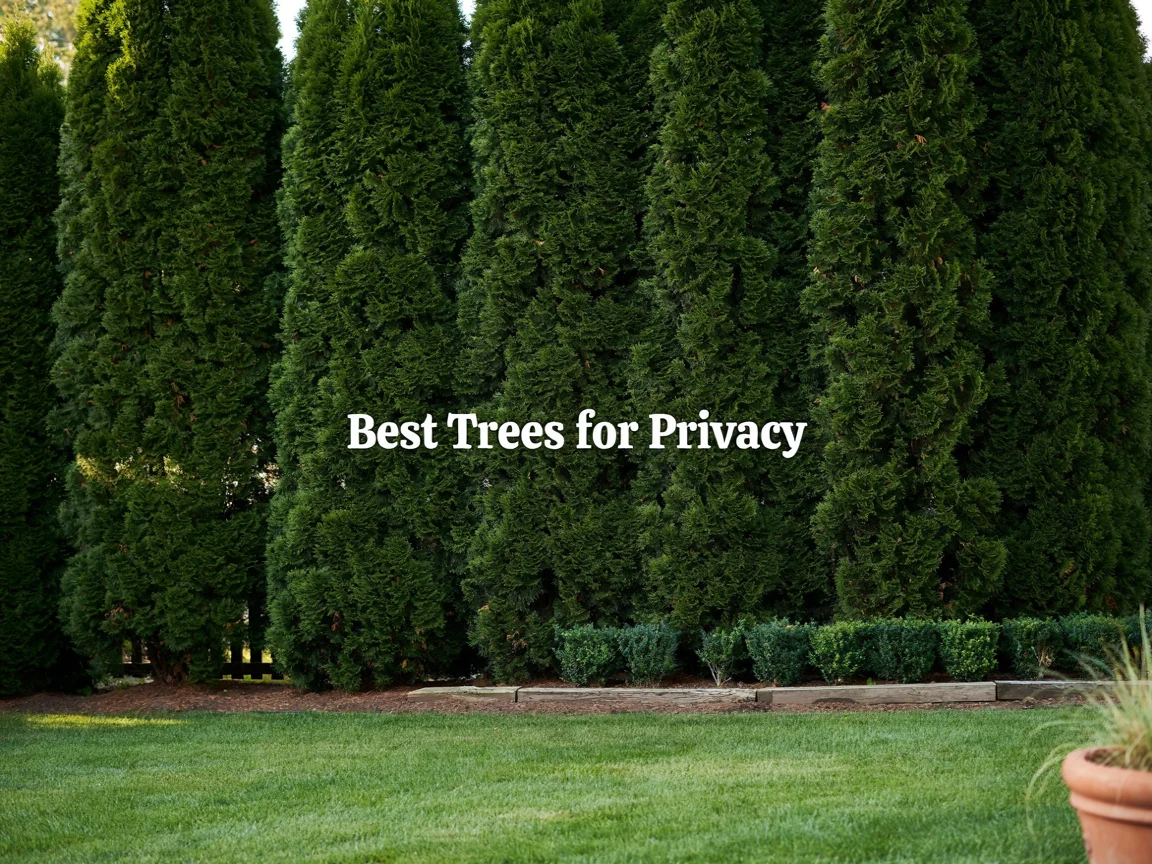
Blocking out a neighbor’s window, a busy street, or an exposed back fence usually comes down to picking the right tree, since the wrong choice either grows too slowly to matter or gets so large it outgrows the space within a decade. The seven trees below cover a genuine range of situations, from narrow side yards to large open properties, so there’s a workable option here regardless of how much space or patience the planting calls for.
Emerald Green Arborvitae for a Narrow, Formal Screen
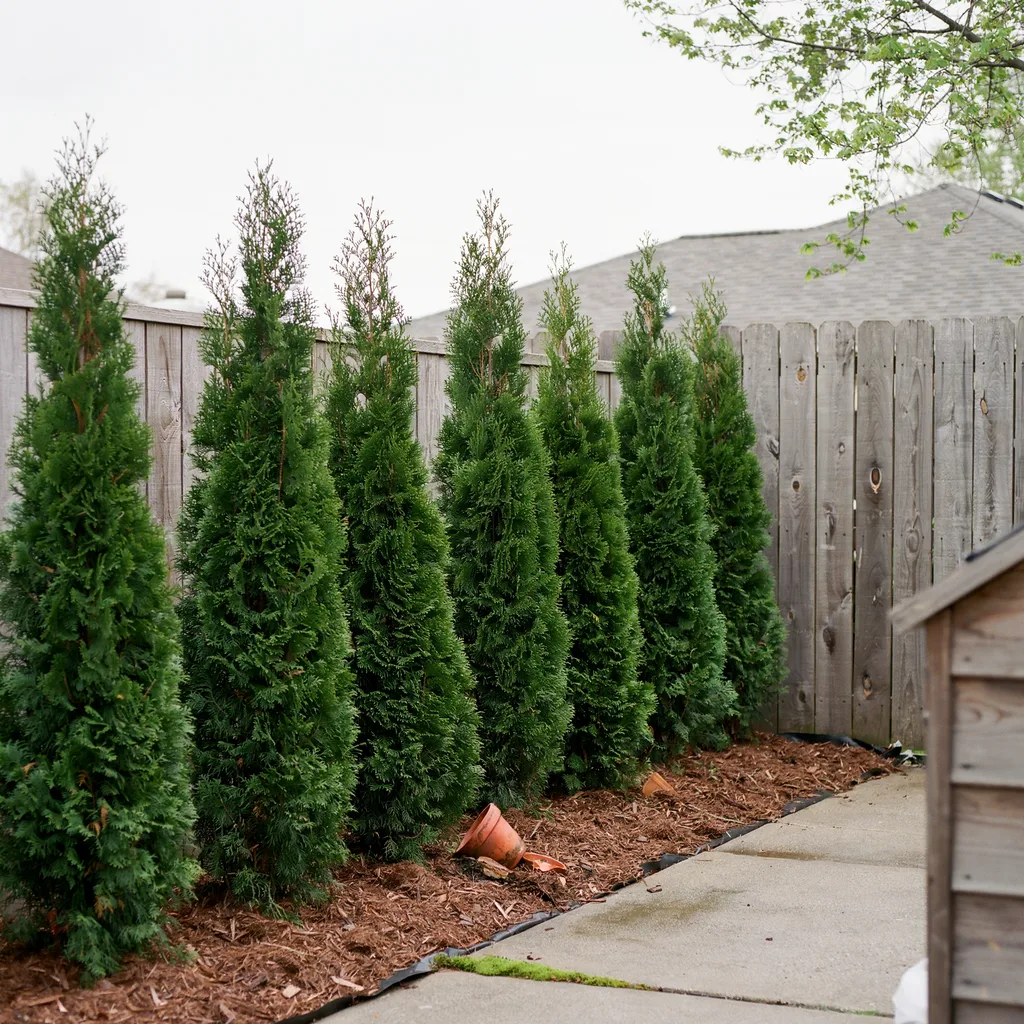
Emerald Green arborvitae for a narrow, formal screen ranks among the most popular privacy trees for tight side yards, holding a slim, columnar shape that reaches roughly 12 to 14 feet tall while staying only 3 to 4 feet wide, so it fits where a spreading tree simply wouldn’t.
Why Arborvitae Works Well in Tight Side Yards
Why arborvitae works well in tight side yards comes down to its naturally narrow, upright growth habit, which delivers a solid green wall without the wide footprint a full-sized evergreen would demand from an already limited planting bed.
Growing Conditions Arborvitae Needs to Thrive
Growing conditions arborvitae needs to thrive include full to partial sun and well-drained soil, along with reliable watering during the first two seasons while the root system establishes, after which the tree tolerates most soil types with minimal fuss.
Leyland Cypress for Fast, Dense Coverage
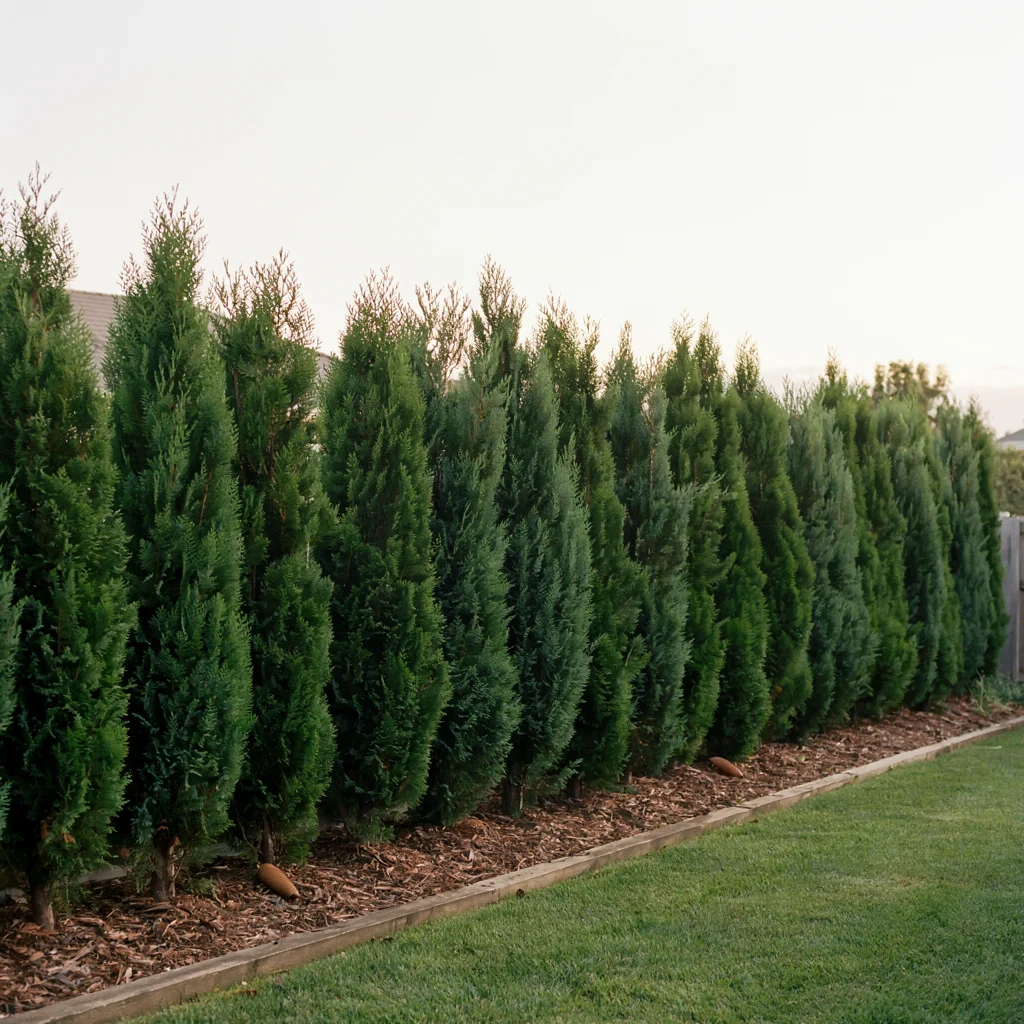
Leyland cypress for fast, dense coverage stands out as one of the fastest-growing privacy trees available, commonly adding 3 to 4 feet per year until it reaches a mature height of 40 to 60 feet, making it a genuine option for anyone wanting quick results.
How Quickly Leyland Cypress Fills In
How quickly Leyland cypress fills in depends mainly on soil and watering, but even under average conditions most homeowners see a usable screen within two to three years of planting a modest starting size.
Spacing and Maintenance Considerations
Spacing and maintenance considerations matter more with Leyland cypress than with slower trees, since planting too close together to speed up coverage can lead to overcrowding and disease issues once the trees mature and their root systems compete.
American Holly for Year-Round, Wildlife-Friendly Privacy
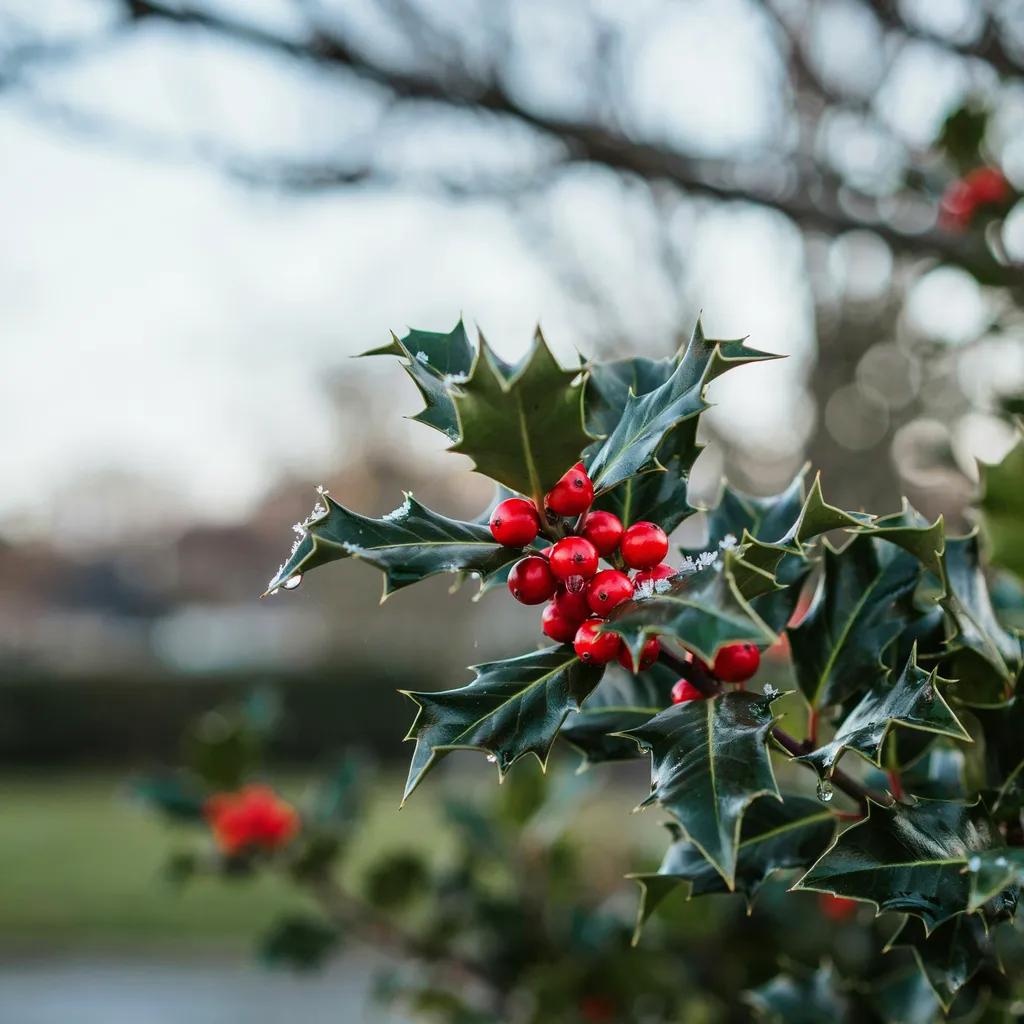
American holly for year-round, wildlife-friendly privacy offers dense, spiny evergreen foliage that stays green through winter, plus red berries that bring birds into the garden, giving a privacy tree that does more than simply block a view.
Why Holly Suits Privacy Screens With Extra Benefits
Why holly suits privacy screens with extra benefits comes down to its dual role as both a solid visual barrier and a genuinely useful wildlife plant, something fast-growing conifers rarely offer in the same package.
Where American Holly Grows Best
Where American holly grows best tends to be moist, acidic, well-drained soil in full sun to partial shade, and it’s worth noting that female trees need a male pollinator nearby to reliably produce berries.
Green Giant Arborvitae for Large Properties
Green Giant arborvitae for large properties suits homeowners with real room to work with, since this variety can reach 50 to 60 feet tall and 12 to 20 feet wide at maturity, forming an imposing, low-maintenance wall of green.
Why Green Giant Outpaces Standard Arborvitae
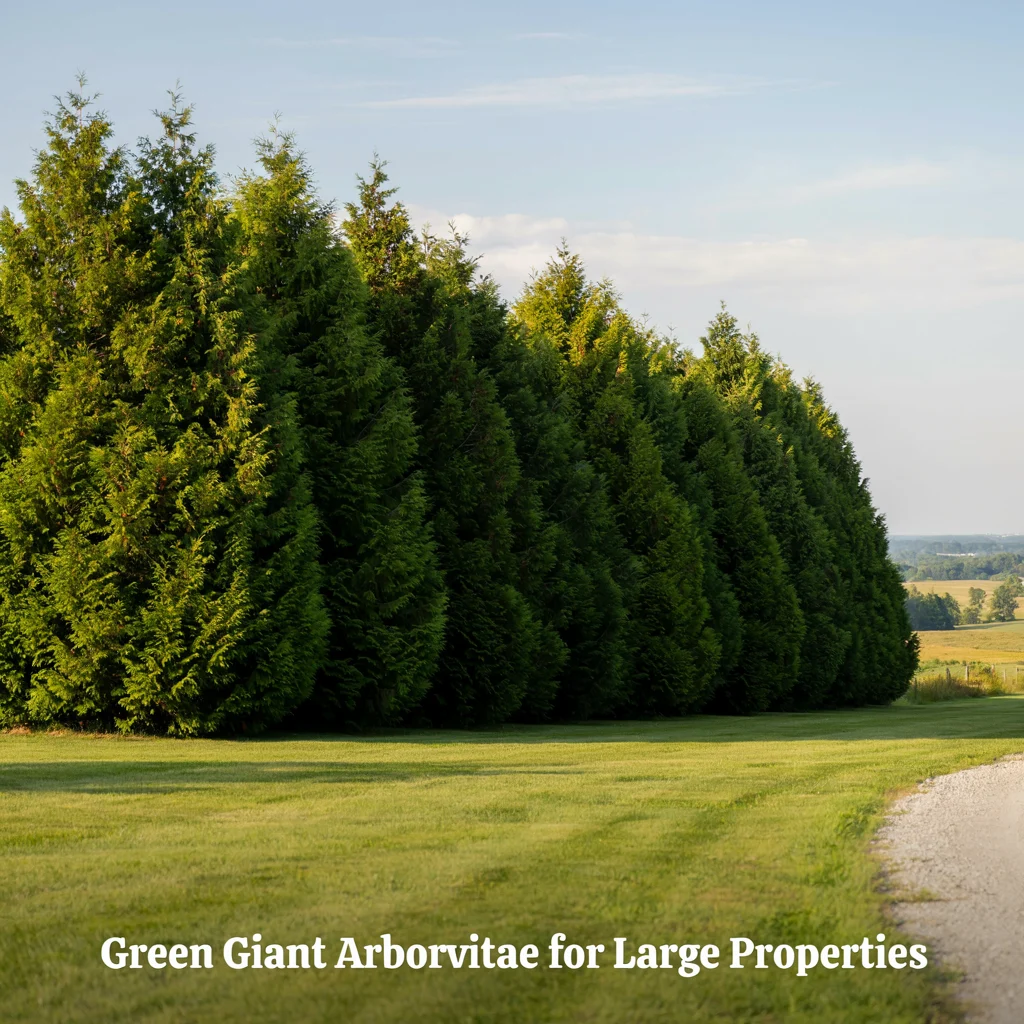
Why Green Giant outpaces standard arborvitae comes down to hybrid vigor, with growth rates of 3 feet or more per year that let it close large gaps considerably faster than most other arborvitae cultivars.
Spacing Green Giants for a Solid Wall
Spacing Green Giants for a solid wall generally means planting 5 to 6 feet apart, close enough for the mature canopies to merge into a continuous screen without crowding the root zones too tightly.
Eastern Red Cedar for Windbreaks and Screening
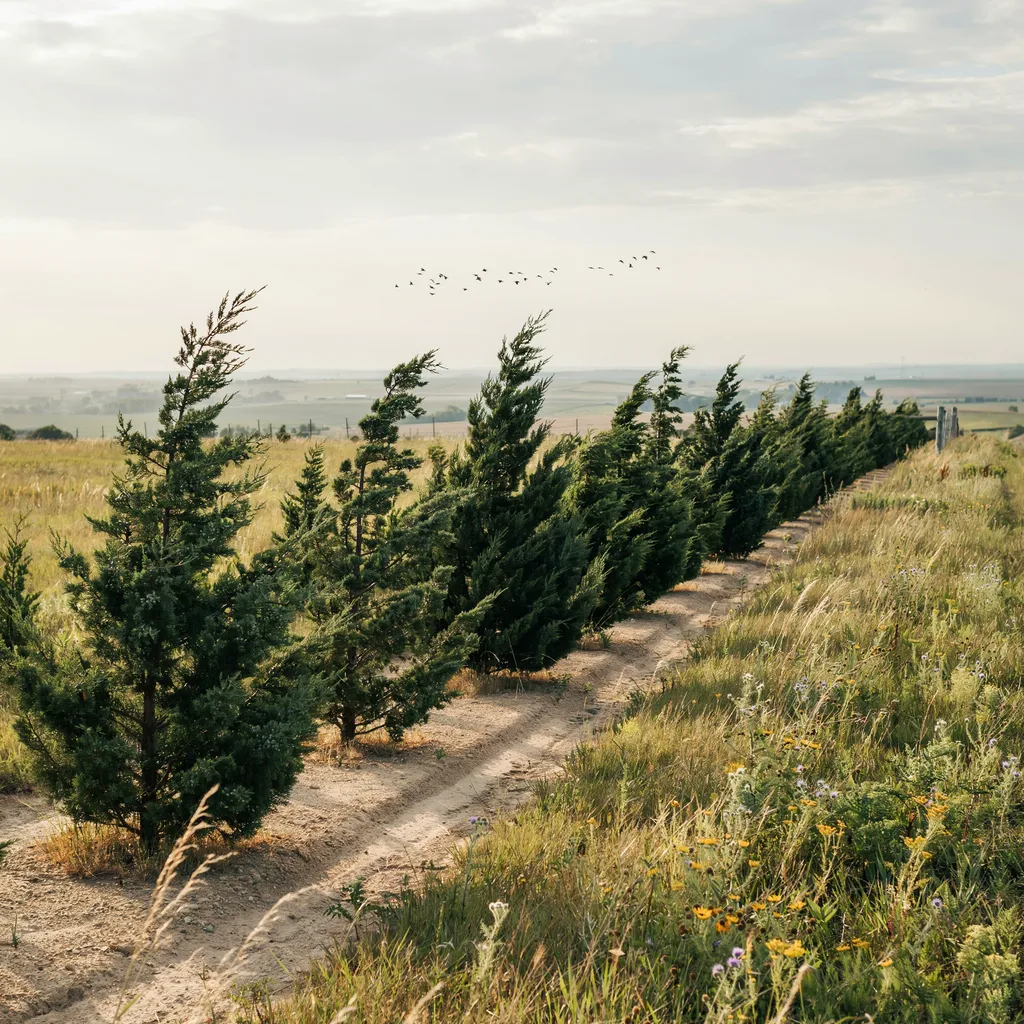
Eastern red cedar for windbreaks and screening brings genuine toughness to the list, tolerating poor soil, drought, and wind far better than most ornamental privacy trees, which makes it a reliable pick for exposed or rural properties.
Why Eastern Red Cedar Handles Tough Conditions
Why Eastern red cedar handles tough conditions comes down to its native adaptability, since it naturally grows across a wide range of soil types and climates without the extra care many ornamental screening trees require.
Considerations Before Planting Red Cedar
Considerations before planting red cedar include checking local rules in areas with apple orchards nearby, since red cedar can host cedar-apple rust, a fungal disease that affects certain fruit trees.
Clumping Bamboo for Fast Vertical Screening
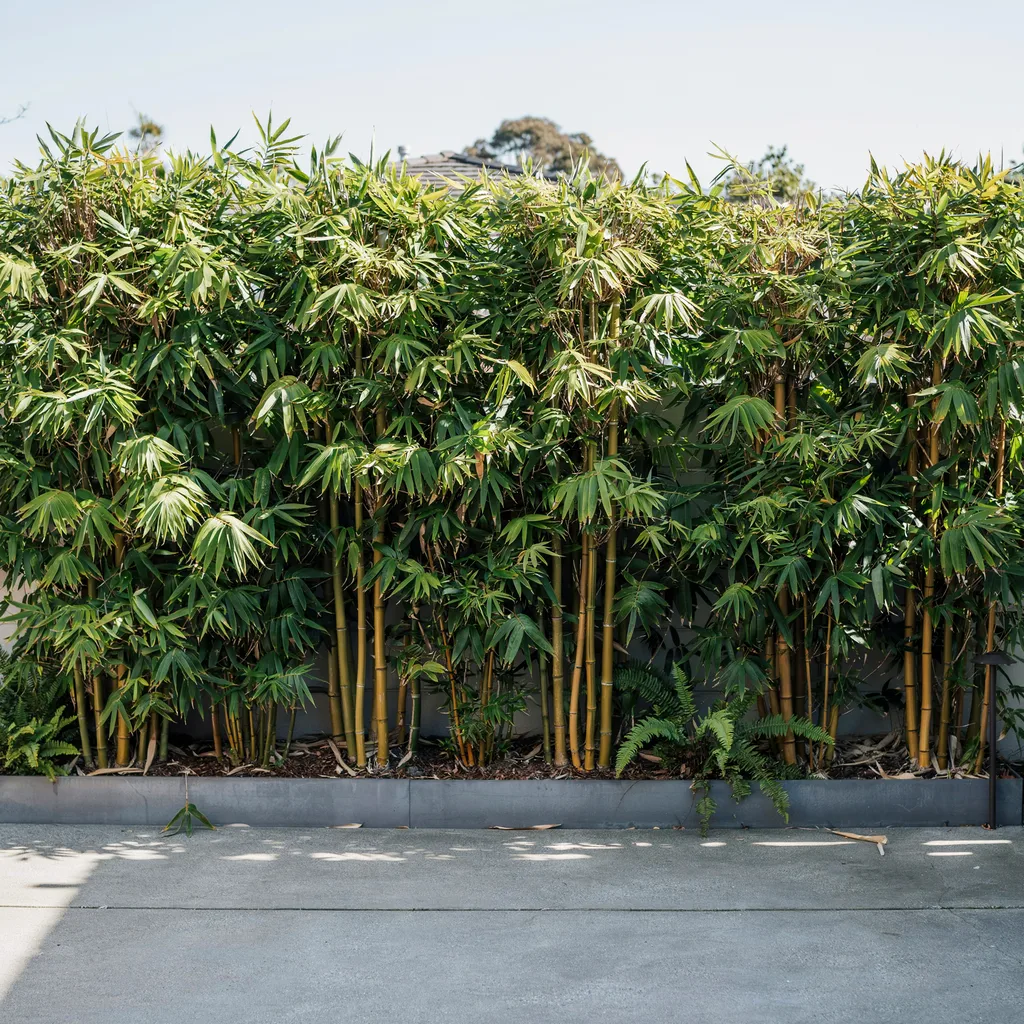
Clumping bamboo for fast vertical screening delivers one of the quickest privacy solutions available, often reaching full screening height within a single growing season, which suits anyone who wants results without waiting years for a tree to mature.
Why Clumping Bamboo Is Safer Than Running Bamboo
Why clumping bamboo is safer than running bamboo comes down to its growth pattern, expanding slowly outward from a central clump rather than sending aggressive underground runners into neighboring beds or a neighbor’s yard.
Containing Bamboo So It Doesn’t Spread
Containing bamboo so it doesn’t spread still matters even with clumping types, and installing a root barrier or planting in large containers gives extra peace of mind for anyone nervous about bamboo’s reputation.
Skip Laurel for Shade-Tolerant Privacy Hedging
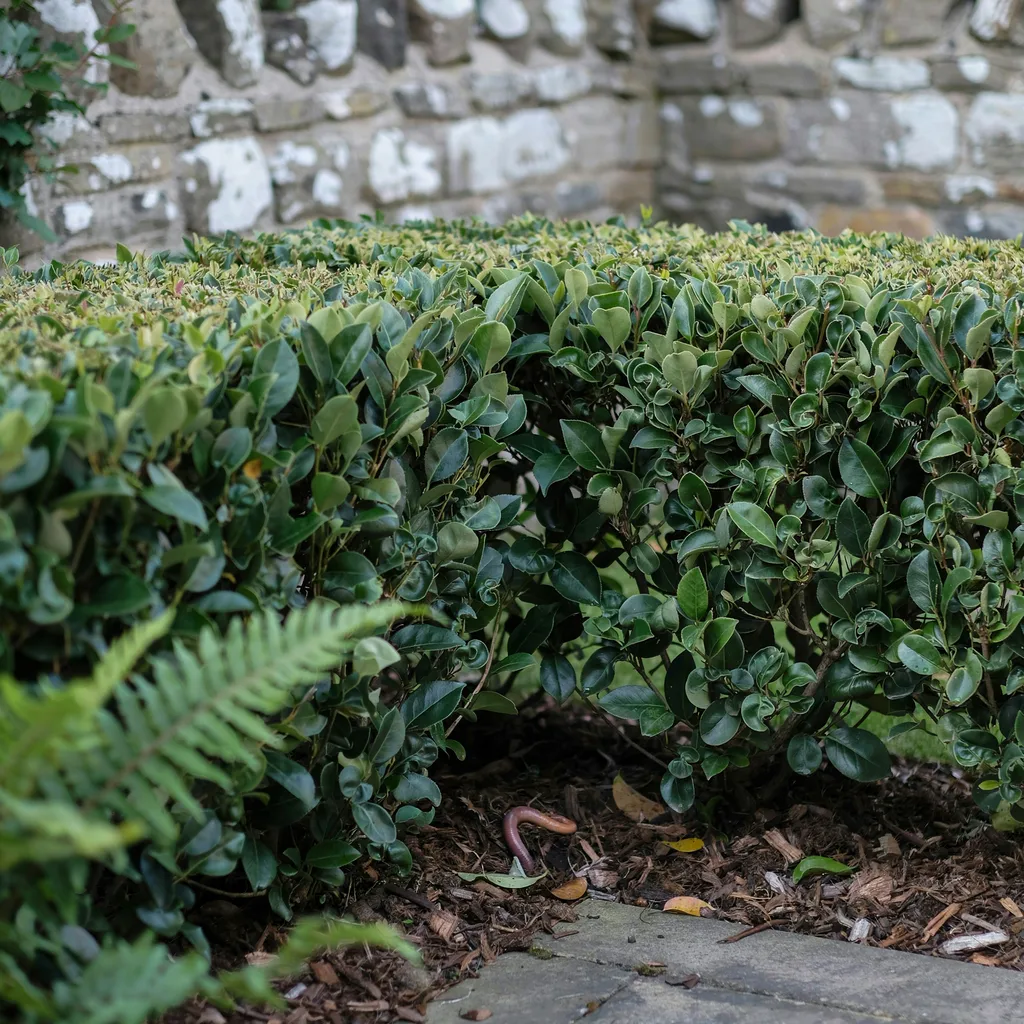
Skip laurel for shade-tolerant privacy hedging fills a gap most fast-growing privacy trees can’t, since it holds dense, glossy evergreen foliage even in partial shade, where sun-loving conifers typically thin out and struggle.
Why Skip Laurel Suits Shadier Spots
Why Skip Laurel Suits Shadier Spots comes down to its native understory origins, giving it a genuine tolerance for filtered light that most privacy evergreens, bred for open sun, simply don’t share.
Pruning Skip Laurel Into a Dense Hedge
Pruning Skip Laurel into a dense hedge once or twice a year encourages the bushy, multi-stemmed growth that makes it such an effective screen, rather than letting it grow into a looser, more open shrub.
The Bottom Line
The best privacy tree for any yard comes down to available space, sun exposure, and how quickly a screen needs to fill in. Narrow lots do best with columnar arborvitae, large open properties can handle Green Giant or Leyland cypress, shaded spots call for Skip laurel, and anyone wanting results within a single season should look at clumping bamboo.
For related ideas, see our articles on Cheap No Grass Backyard Ideas For a Low-Maintenance Garden, How to Make a Gorgeous Goldfish Pond in Your Backyard, and Couple’s DIY Backyard Stock Tank Pool. This pairs well with Worst Messy Trees for the Lazy Landscaper and Budget Backyard Ideas Worth Trying.
Frequently Asked Questions
How Fast Do Privacy Trees Grow?
Growth rates vary widely, but fast options like Leyland cypress and clumping bamboo can add several feet per year, while Eastern red cedar and American holly grow more moderately, typically taking a few years longer to reach full screening height.
What Is the Best Tree for Privacy in a Small Yard?
Emerald Green arborvitae is generally the best tree for privacy in a small yard, since its narrow, columnar shape provides a tall screen without spreading wide enough to crowd out other plantings.
Do Privacy Trees Need Full Sun?
Most privacy trees, including arborvitae and Leyland cypress, perform best in full sun, but Skip laurel is a reliable exception that tolerates partial shade without losing its dense, screening habit.
How Far Apart Should Privacy Trees Be Planted?
Spacing generally depends on the mature width of the variety, with narrow trees like arborvitae planted 3 to 4 feet apart and wider growers like Green Giant spaced 5 to 6 feet apart for a solid, unbroken screen.
What Is the Cheapest Way to Plant a Privacy Screen?
Buying smaller, younger trees and planting them closer together is generally the cheapest way to establish a privacy screen, since young stock costs considerably less than mature specimens and still fills in within a few growing seasons.