
13 Summer-Blooming, Full Sun Perennials

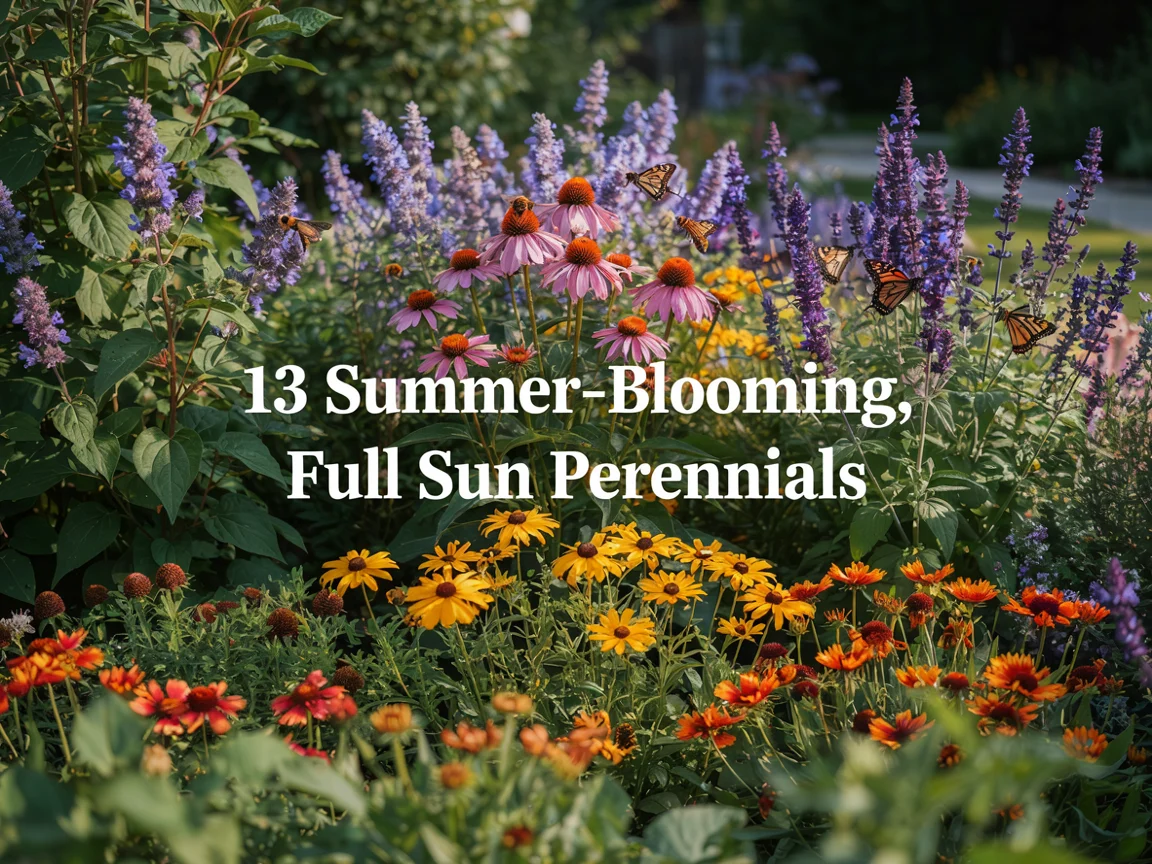
A border that goes flat by July usually just needs the right perennials, since plenty of true sun-lovers hit their stride exactly when spring bloomers fade. The 13 perennials below all thrive in six or more hours of direct sun, bloom through the hottest stretch of the season, and come back reliably year after year with relatively little fuss.
Purple Coneflower for Season-Long, Pollinator-Friendly Blooms
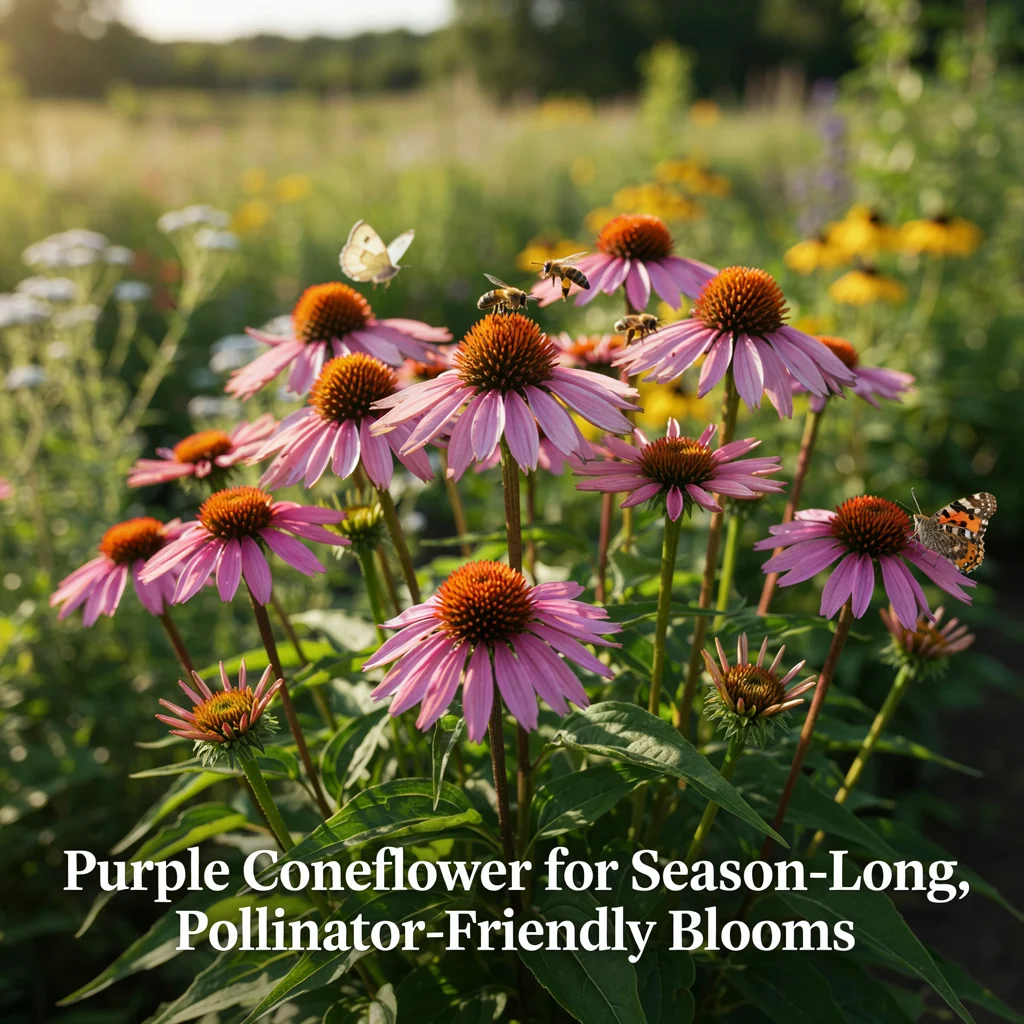
Purple coneflower for season-long, pollinator-friendly blooms is one of the most dependable summer perennials, producing daisy-like purple-pink flowers from early summer through fall while drawing bees and butterflies in steadily.
Why Coneflower Tolerates Heat and Drought So Well
Why coneflower tolerates heat and drought so well comes down to its deep taproot, which reaches moisture far below the surface once the plant is established in its second season.
Deadheading Coneflower for More Blooms or Winter Seed Heads
Deadheading coneflower for more blooms or winter seed heads is optional; regular deadheading extends flowering, while leaving spent blooms in place feeds birds through the colder months.
Black-Eyed Susan for Bright, Low-Maintenance Color
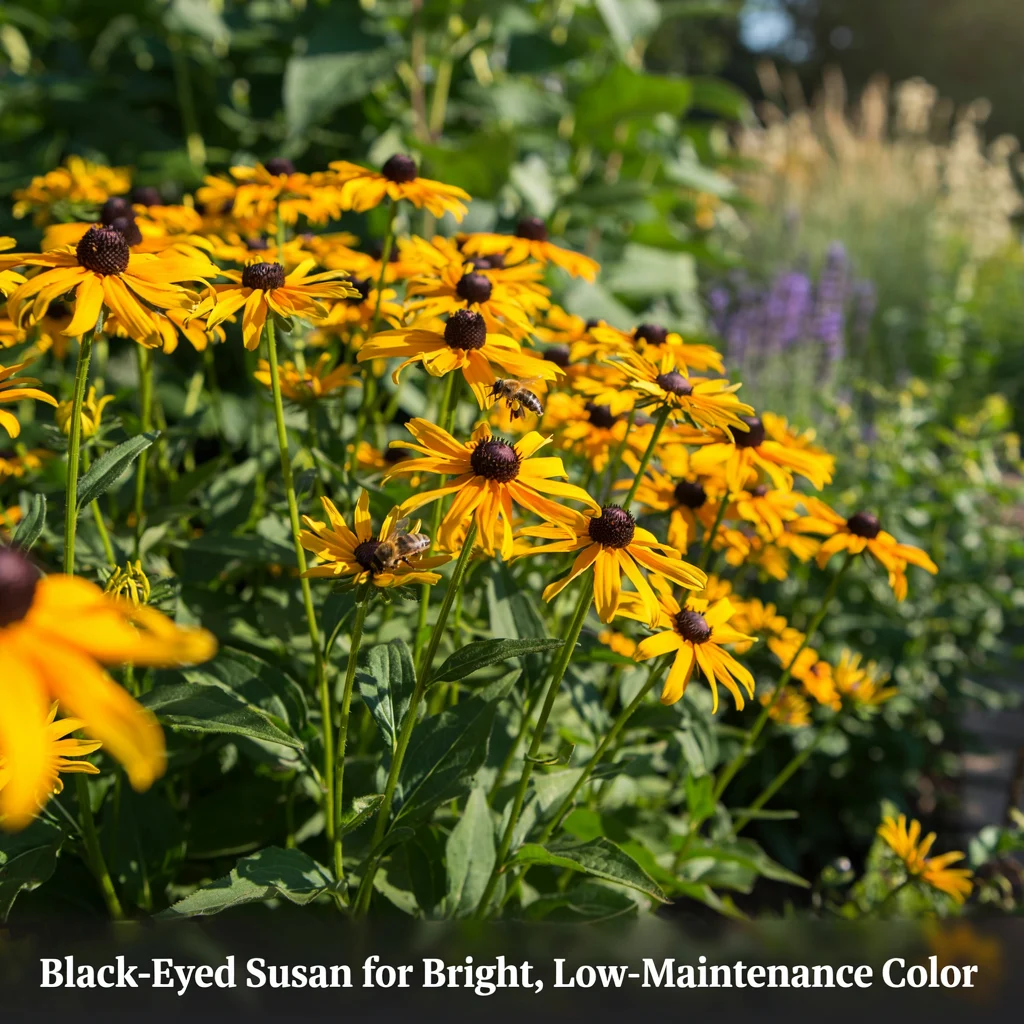
Black-eyed Susan for bright, low-maintenance color brings cheerful golden-yellow blooms with dark centers from midsummer into early fall, spreading readily to fill in gaps in a sunny border.
Why Black-Eyed Susan Spreads So Easily
Why black-eyed Susan spreads so easily comes down to both self-seeding and slow rhizome expansion, which fills bare patches but may need occasional thinning in smaller beds.
Companion Plants That Pair Well With Black-Eyed Susan
Companion plants that pair well with black-eyed Susan include purple coneflower and ornamental grasses, which echo its wild, prairie-style character in a mixed border.
Daylily for Nearly Indestructible Summer Blooms
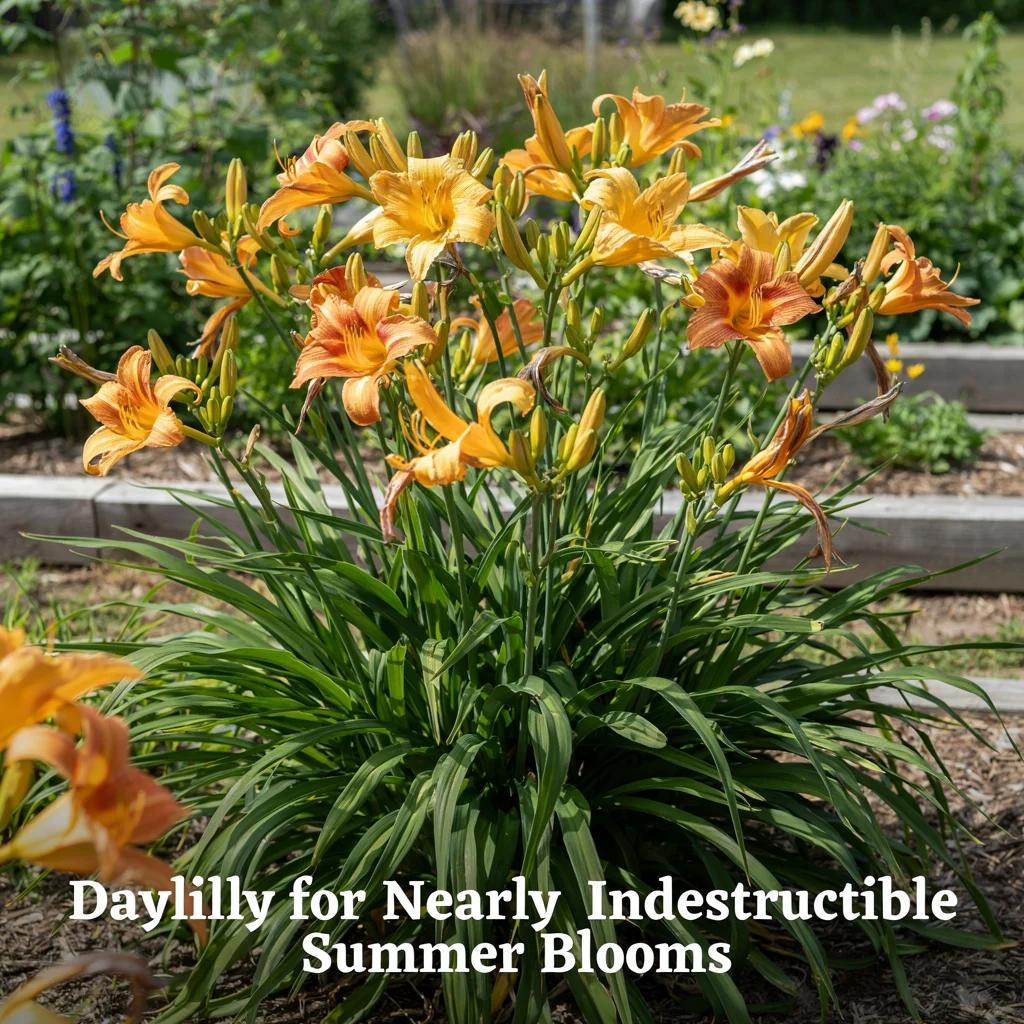
Daylily for nearly indestructible summer blooms: tolerates poor soil, drought, and neglect better than almost any other perennial on this list, while still producing a steady flush of trumpet-shaped flowers.
Why Each Daylily Bloom Lasts Only One Day
Why each daylily bloom lasts only one day is simply how the plant is built, but with dozens of buds per stem, a single clump still flowers continuously for weeks.
Dividing Daylilies to Keep Clumps Healthy
Dividing daylilies to keep clumps healthy every 3 to 4 years prevents overcrowding and keeps bloom production high, while also providing free plants for other parts of the garden.
Russian Sage for Airy, Silvery-Blue Texture
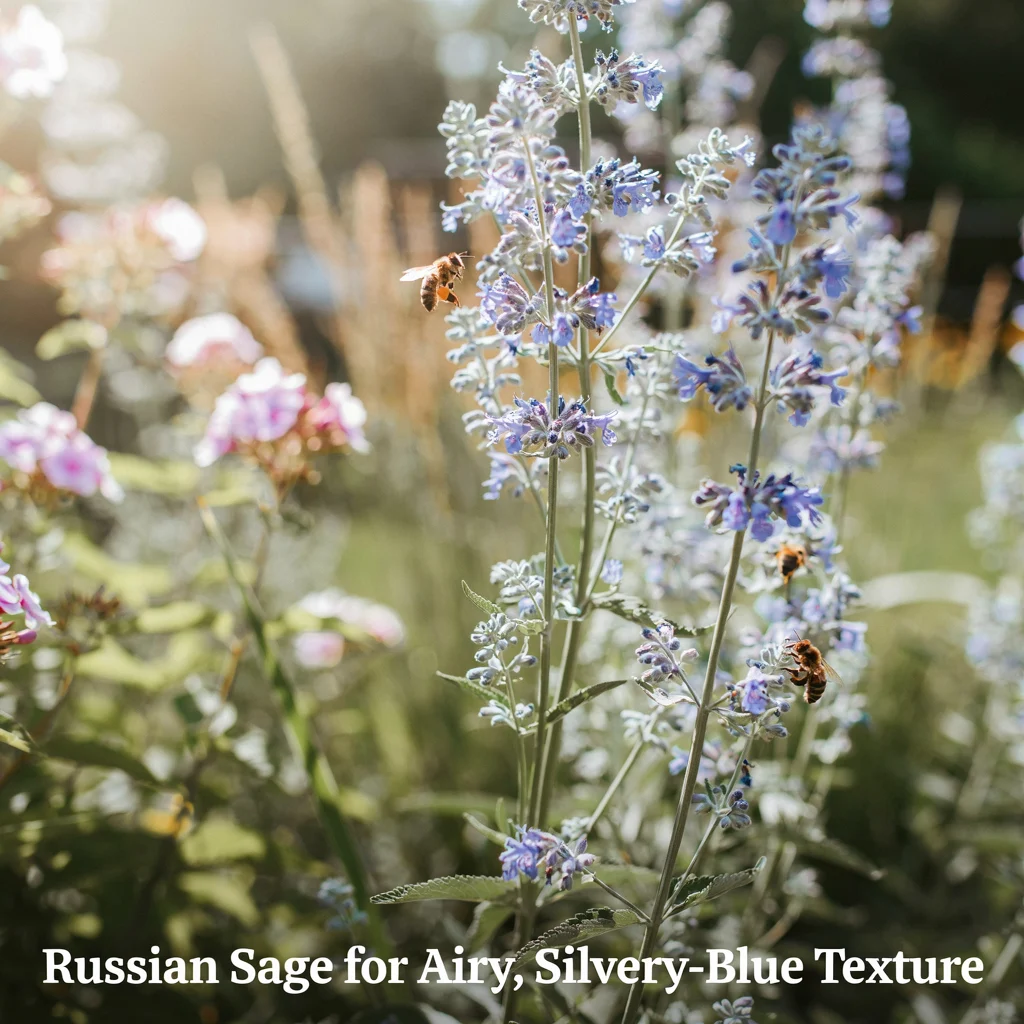
Russian sage for airy, silvery-blue texture adds a soft, cloud-like presence to a sunny border, with fine silver foliage and small lavender-blue flowers held on tall, wiry stems.
Why Russian Sage Thrives in Poor, Dry Soil
Why Russian sage thrives in poor, dry soil comes down to its Mediterranean origins, making it one of the better choices for hot, exposed spots where richer soil isn’t available.
Cutting Back Russian Sage for Next Year’s Growth
Cutting back Russian sage for next year’s growth means pruning the woody stems hard in early spring, which encourages fuller, bushier regrowth through the following summer.
Coreopsis for Cheerful, Fine-Textured Yellow Flowers
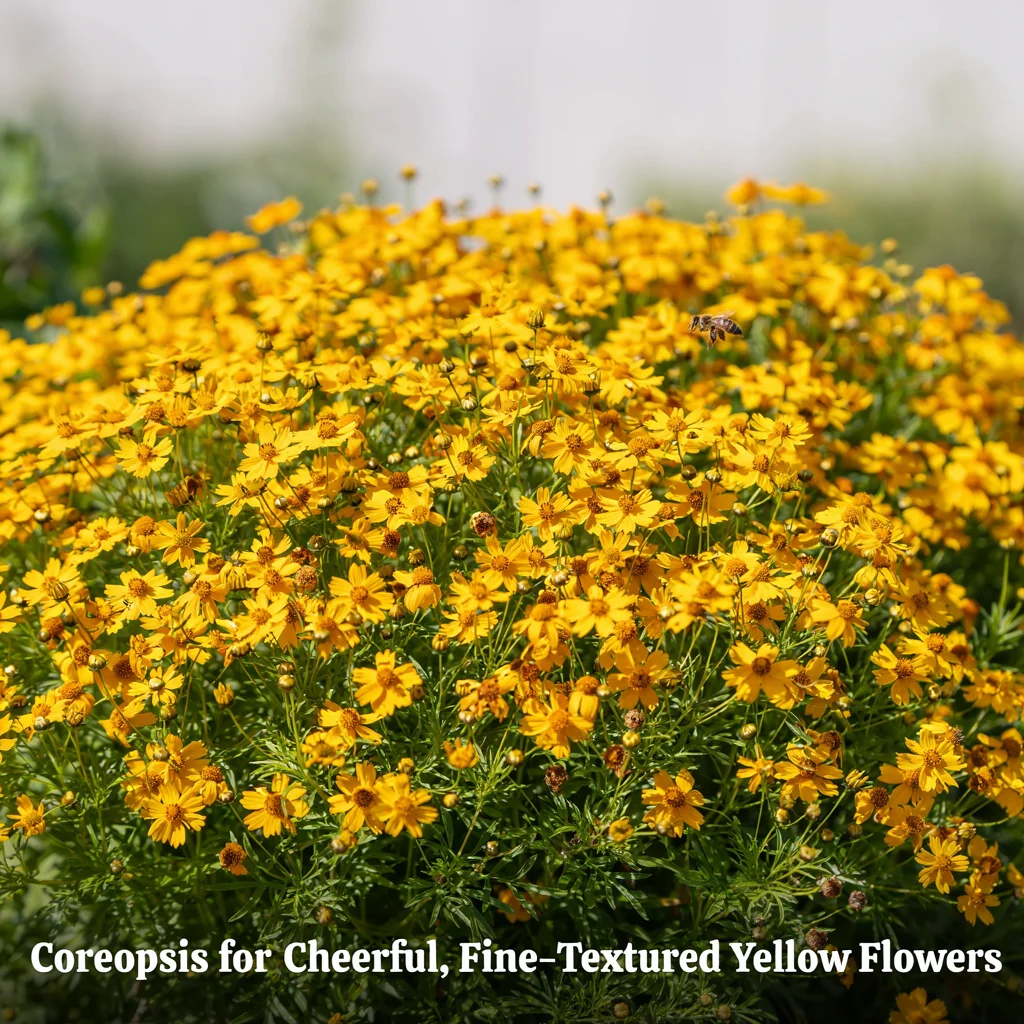
Coreopsis for cheerful, fine-textured yellow flowers produces masses of small, star-shaped blooms atop delicate, ferny foliage, flowering continuously through the hottest part of summer.
Why Coreopsis Blooms So Prolifically
Why coreopsis blooms so prolifically comes down to its compact size and rapid re-blooming cycle, especially when spent flowers are trimmed back every few weeks.
Using Coreopsis as a Border Edging Plant
Using coreopsis as a border edging plant works well given its low, mounding habit, which keeps it from overshadowing taller perennials planted behind it.
Salvia for Tall Spikes of Deep Purple or Blue
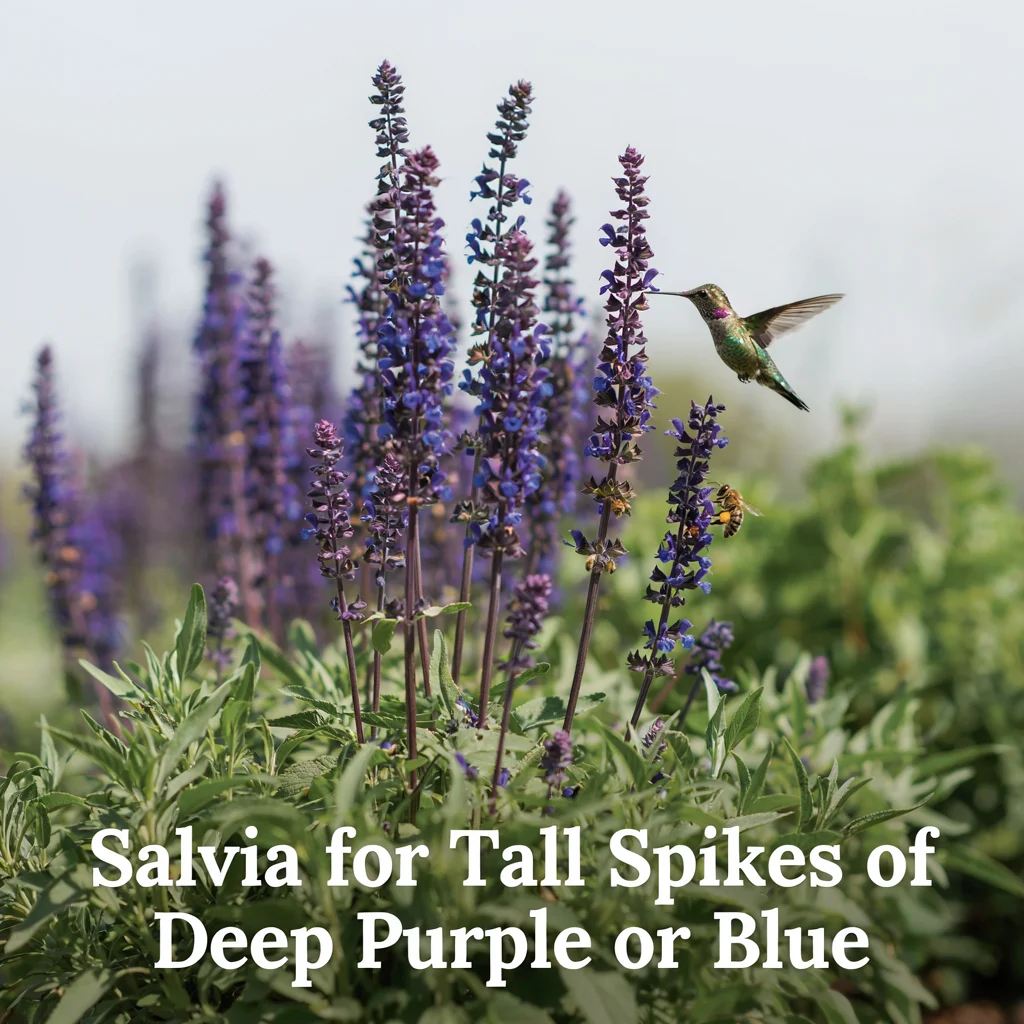
Salvia for tall spikes of deep purple or blue adds strong vertical structure to a sunny bed, with dense flower spikes that bloom in flushes from early summer onward.
Why Salvia Attracts So Many Pollinators
Why salvia attracts so many pollinators comes down to its tubular flower shape, which is especially suited to hummingbirds and long-tongued bees seeking nectar.
Encouraging Salvia to Rebloom Through Summer
Encouraging salvia to rebloom through summer simply means shearing back the spent flower spikes, which prompts a fresh round of blooms within a few weeks.
Yarrow for Flat-Topped Blooms in Nearly Any Color
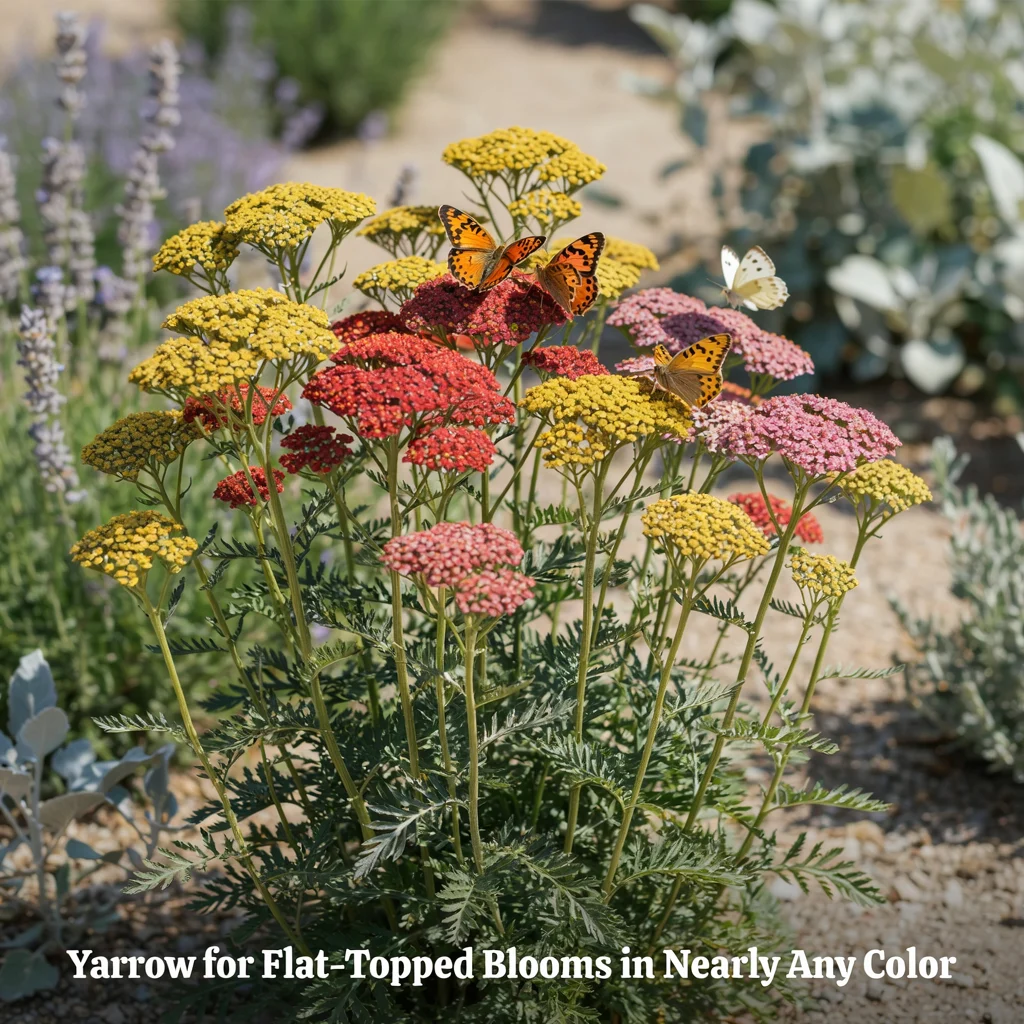
Yarrow for flat-topped blooms in nearly any color offers ferny, aromatic foliage topped with wide, flat flower clusters available in shades from white to deep red.
Why Yarrow Handles Poor Soil and Drought With Ease
Why yarrow handles poor soil and drought with ease comes down to its tough, adaptable nature, making it a reliable choice for hot, dry sites where fussier perennials struggle.
Watching for Yarrow’s Tendency to Spread
Watching for yarrow’s tendency to spread is worth doing in smaller gardens, since it can self-seed and spread by rhizomes more aggressively than some neighboring perennials.
Phlox for Fragrant, Old-Fashioned Summer Color
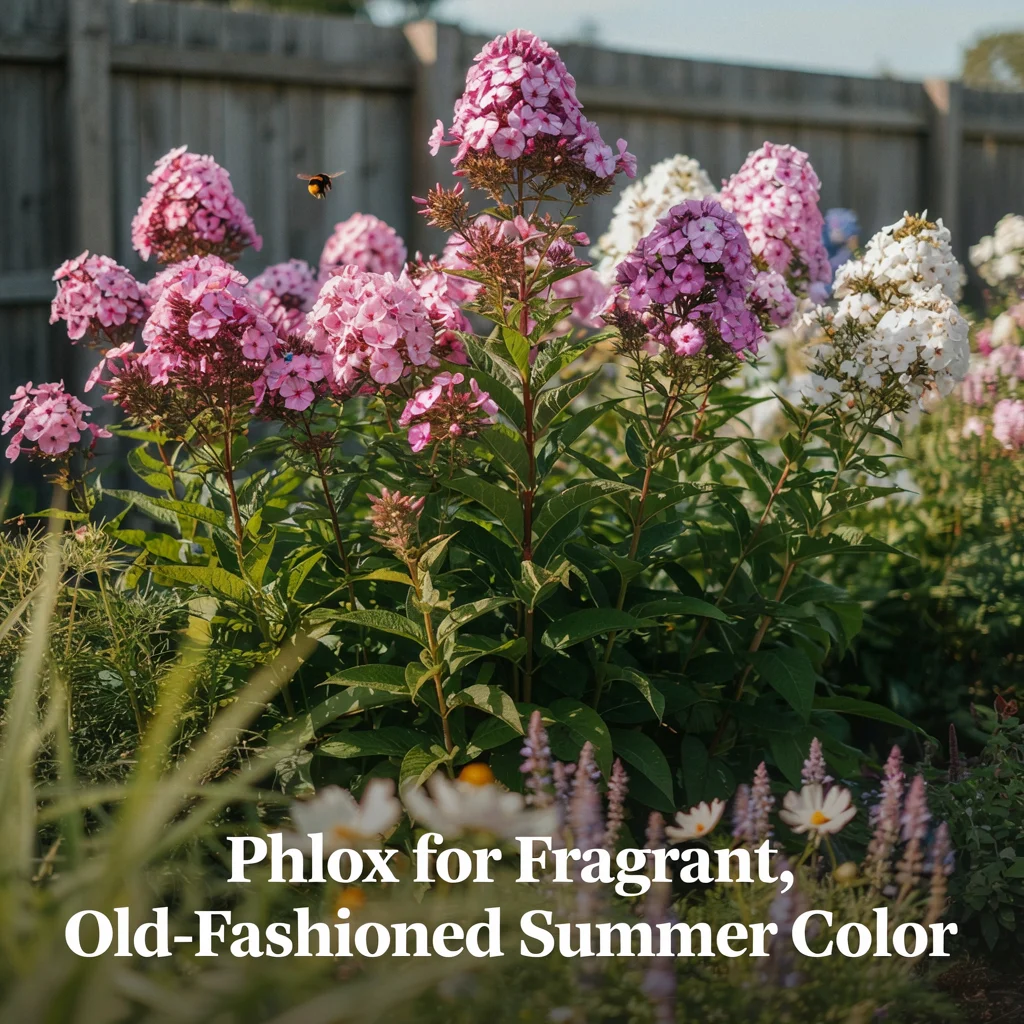
Phlox for fragrant, old-fashioned summer color produces large, rounded clusters of sweetly scented flowers in pink, purple, or white, standing tall at the back of a sunny border.
Why Good Air Circulation Matters for Phlox
Why good air circulation matters for phlox comes down to its susceptibility to powdery mildew, which is far less of a problem when plants are spaced generously apart.
Choosing Mildew-Resistant Phlox Varieties
Choosing mildew-resistant phlox varieties reduces the need for spraying or extra care, and several newer cultivars have been bred specifically to resist the fungal issue that older varieties often develop.
Shasta Daisy for Classic White Summer Blooms
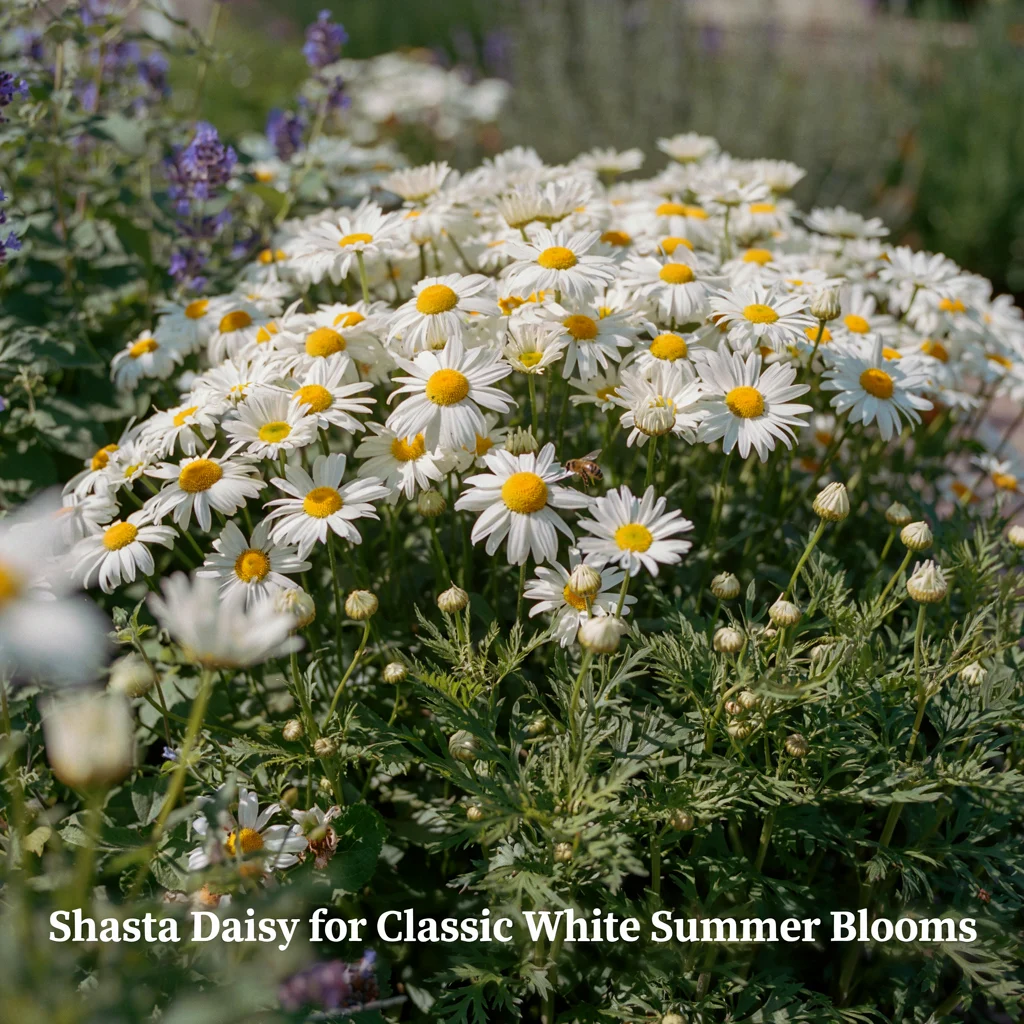
Shasta daisy for classic white summer blooms delivers the simple, familiar look of a daisy at a larger scale, with crisp white petals surrounding a bright yellow center.
Why Shasta Daisy Suits Cottage-Style Gardens
Why Shasta daisy suits cottage-style gardens comes down to its casual, cheerful form, which pairs naturally with other informal summer bloomers like coreopsis and black-eyed Susan.
Dividing Shasta Daisy Clumps for Better Blooming
Dividing Shasta daisy clumps for better blooming every couple of years keeps the center of the clump from dying out, a common issue when the plant is left undisturbed too long.
Bee Balm for Bold Color and Serious Pollinator Appeal
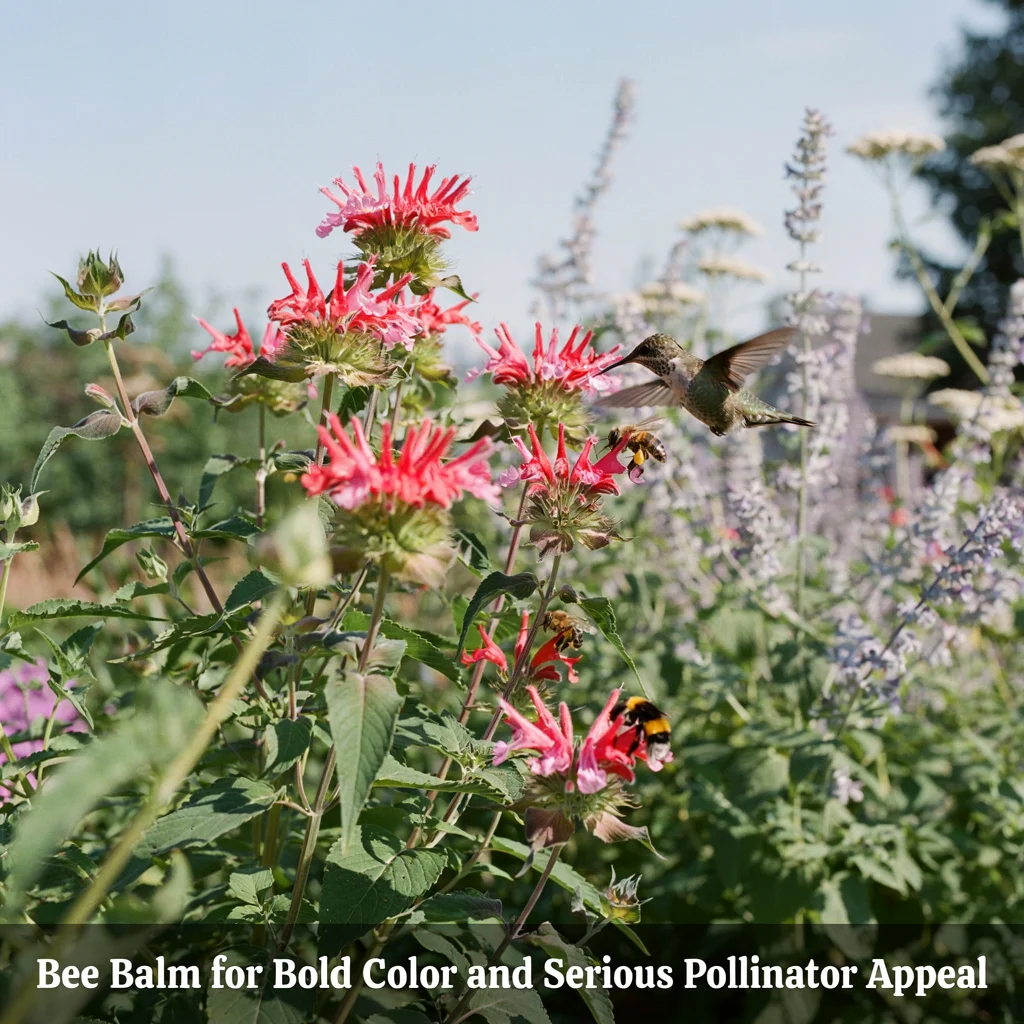
Bee balm for bold color and serious pollinator appeal produces shaggy, tubular flowers in vivid red, pink, or purple that hummingbirds and bees seek out from midsummer onward.
Why Bee Balm Draws in Hummingbirds Specifically
Why bee balm draws in hummingbirds specifically comes down to its long, nectar-rich tubular flowers, which are shaped almost perfectly for a hummingbird’s feeding habits.
Preventing Powdery Mildew on Bee Balm Foliage
Preventing powdery mildew on bee balm foliage means spacing plants well and choosing mildew-resistant cultivars, since crowded, humid conditions are what typically trigger the issue.
Sedum (Stonecrop) for Succulent Foliage and Late Summer Color
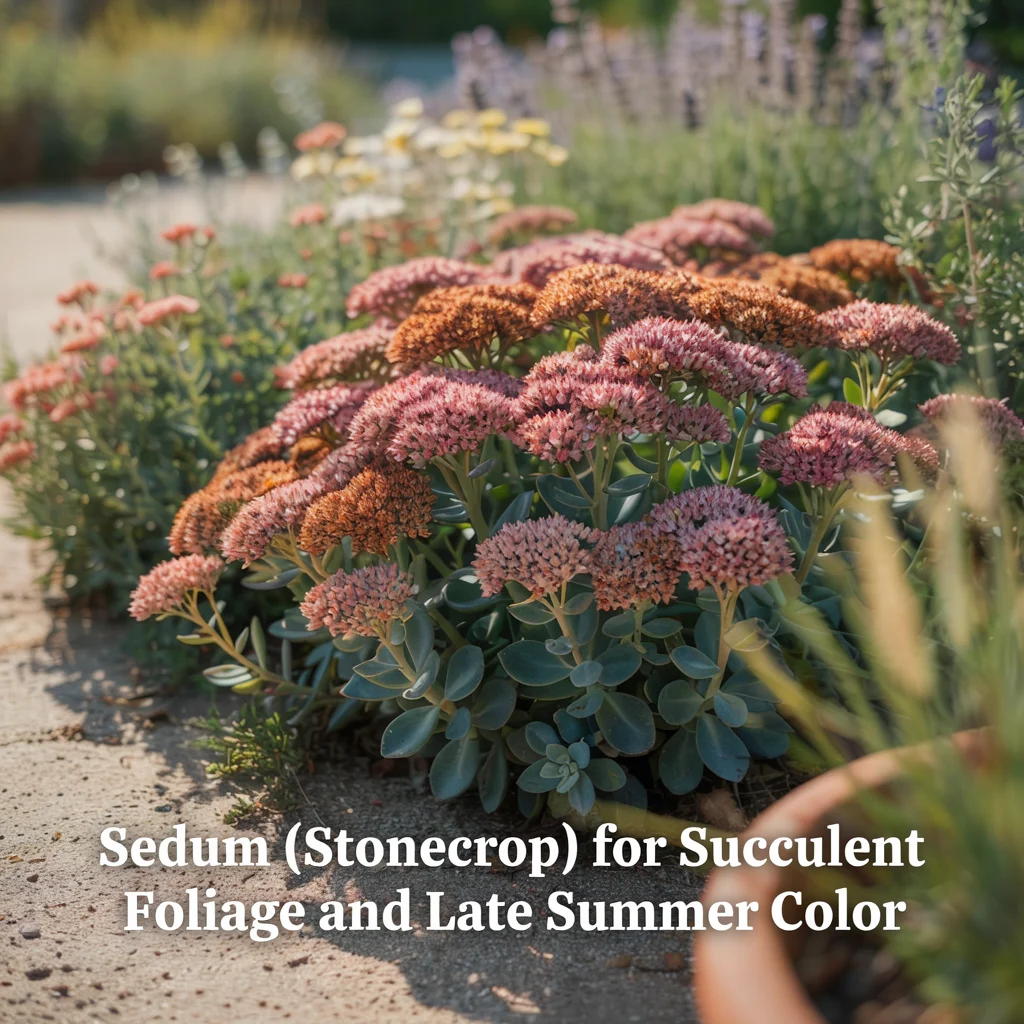
Sedum, or stonecrop, for succulent foliage and late summer color offers thick, drought-resistant leaves topped with dense flower clusters that deepen from pink to rust as the season progresses.
Why Sedum Needs Almost No Supplemental Water
Why sedum needs almost no supplemental water comes down to its succulent leaves, which store moisture the way a cactus does, making it ideal for hot, dry spots.
Using Sedum to Extend Late-Season Interest
Using sedum to extend late-season interest works well since it holds its color and structure well into fall, long after many earlier summer bloomers have faded.
Catmint for Long-Blooming, Silvery-Purple Ground Cover
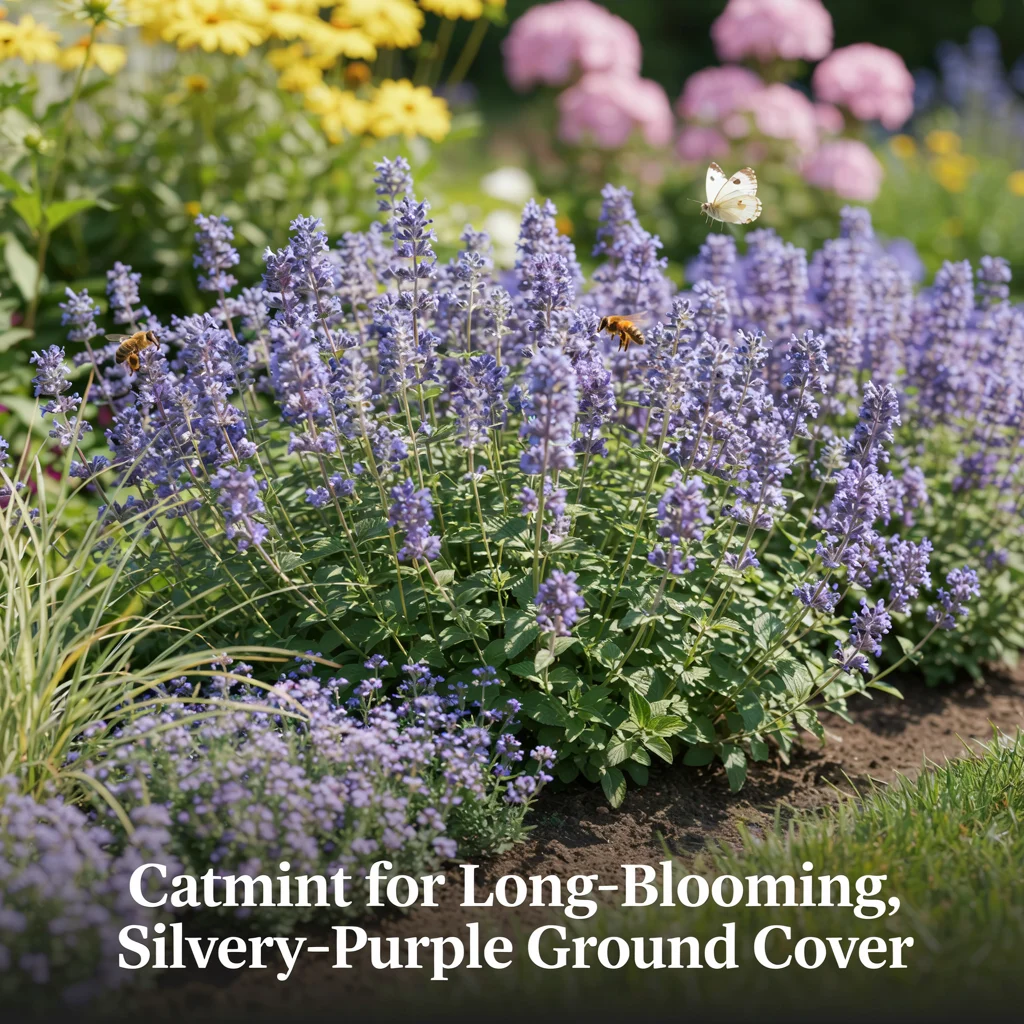
Catmint for long-blooming, silvery-purple ground cover forms a soft, spreading mound of aromatic gray-green foliage covered in small lavender-blue flowers for most of the summer.
Why Catmint Blooms Almost Nonstop All Summer
Why catmint blooms almost nonstop all summer comes down to its rapid rebloom cycle, especially when the plant is sheared back by about a third partway through the season.
Using Catmint as a Low Border or Edging Plant
Using catmint as a low border or edging plant takes advantage of its mounding habit, softening the front edge of a bed while suppressing weeds beneath its dense foliage.
Blanket Flower for Fiery, Drought-Tolerant Color
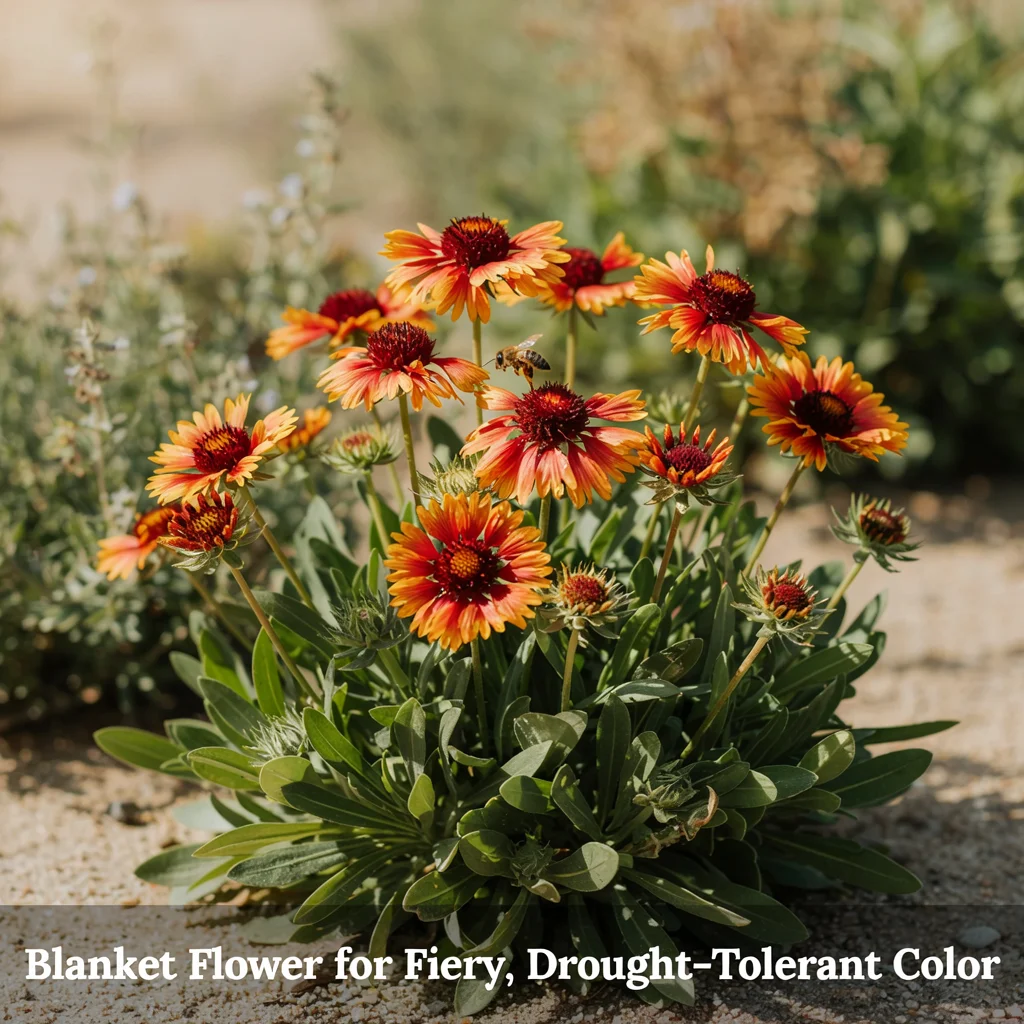
Blanket flower for fiery, drought-tolerant color produces bold red-and-yellow daisy-like blooms that thrive in poor, sandy soil where many other perennials would struggle to establish.
Why Blanket Flower Suits Hot, Dry, Sandy Sites
Why blanket flower suits hot, dry, sandy sites comes down to its native prairie origins, giving it genuine tolerance for the kind of lean, fast-draining soil coastal and dry-climate gardens often have.
Keeping Blanket Flower Blooming Into Fall
Keeping blanket flower blooming into fall simply requires occasional deadheading, which keeps the plant producing new buds rather than putting energy into seed production too early.
The Bottom Line
A full-sun summer border doesn’t need constant babying to stay colorful. Mixing a few tough, drought-tolerant anchors like coneflower, sedum, and Russian sage with pollinator magnets like bee balm and salvia gives a bed that blooms hard through the hottest months and keeps coming back with minimal replanting each year.
For related ideas, see our articles on Why Lilacs Should Be Pruned Right After Blooming, How to Keep Stella de Oro Daylilies Blooming All Season, and Vermicomposting for Beginners: Turn Kitchen Scraps into Garden Gold. For more on this, our guides on How to Build a Pet-Friendly Garden, Mini Garden Ideas That Fit Any Space, and Outdoor Plant Pots Showing Their Age? Transform Them With Spray Paint! cover related ground.
Frequently Asked Questions
What Perennials Bloom the Longest in Full Sun?
Coreopsis, catmint, and coneflower are among the longest-blooming full sun perennials, often flowering continuously from early summer into fall, especially with regular deadheading.
Do Full Sun Perennials Need a Lot of Water?
Most full sun summer perennials, including sedum, yarrow, and Russian sage, are quite drought-tolerant once established, needing supplemental water mainly during their first growing season.
What Is the Easiest Perennial to Grow in Full Sun?
Daylily is generally considered the easiest full sun perennial to grow, tolerating poor soil, drought, and neglect while still producing reliable summer blooms year after year.
Which Summer Perennials Attract the Most Pollinators?
Bee balm, salvia, and purple coneflower attract the most pollinators among summer-blooming perennials, drawing in bees, butterflies, and hummingbirds throughout the flowering season.
Can Full Sun Perennials Survive in Poor Soil?
Many full sun perennials, including yarrow, blanket flower, and Russian sage, actually perform better in lean, well-drained soil than in rich, heavily amended garden beds.