
How to Keep Stella de Oro Daylilies Blooming All Season

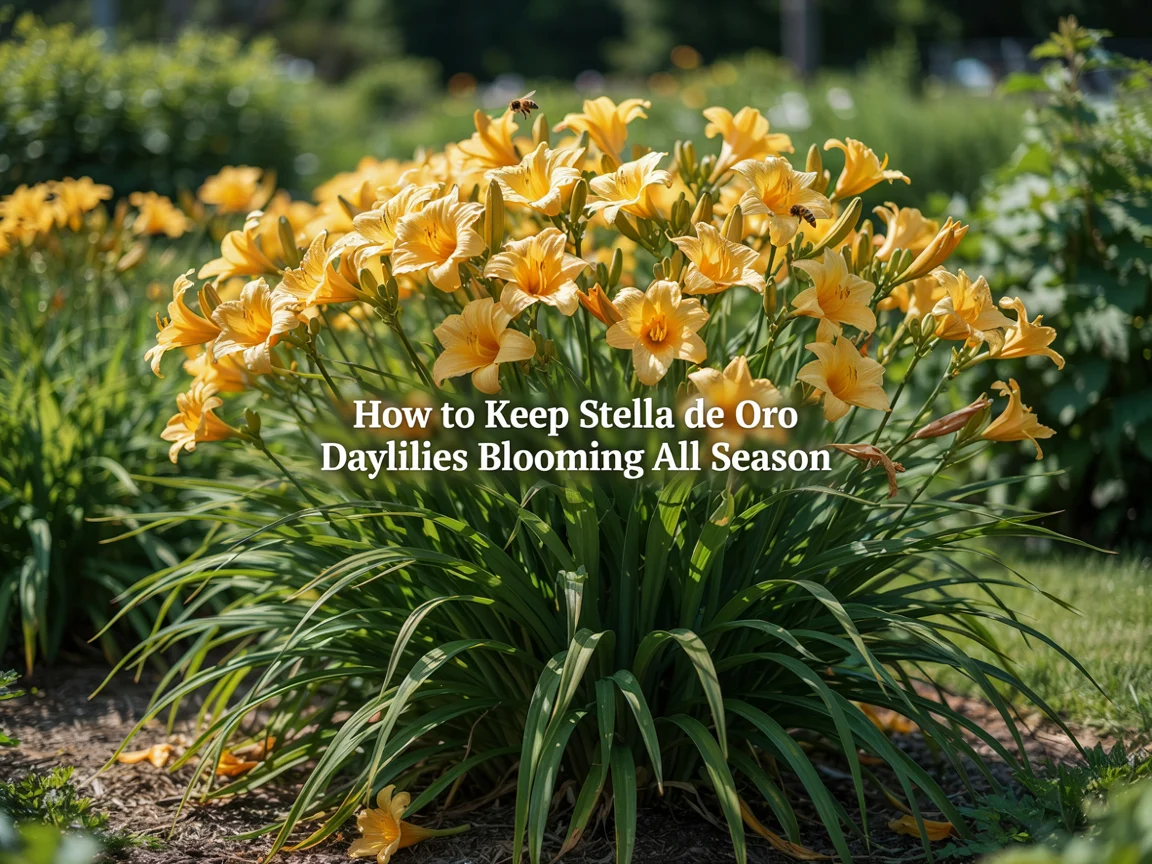
Stella de Oro is one of the most popular daylily cultivars specifically because of its reputation as a reblooming variety, capable of producing waves of golden-yellow flowers from late spring well into fall rather than the single, shorter bloom window many other daylilies offer. Getting the most out of that reblooming potential, though, depends on a handful of specific care practices, since even this famously reliable cultivar slows down or stalls out entirely if its basic needs aren’t met consistently through the growing season.
Give Stella de Oro Enough Direct Sun
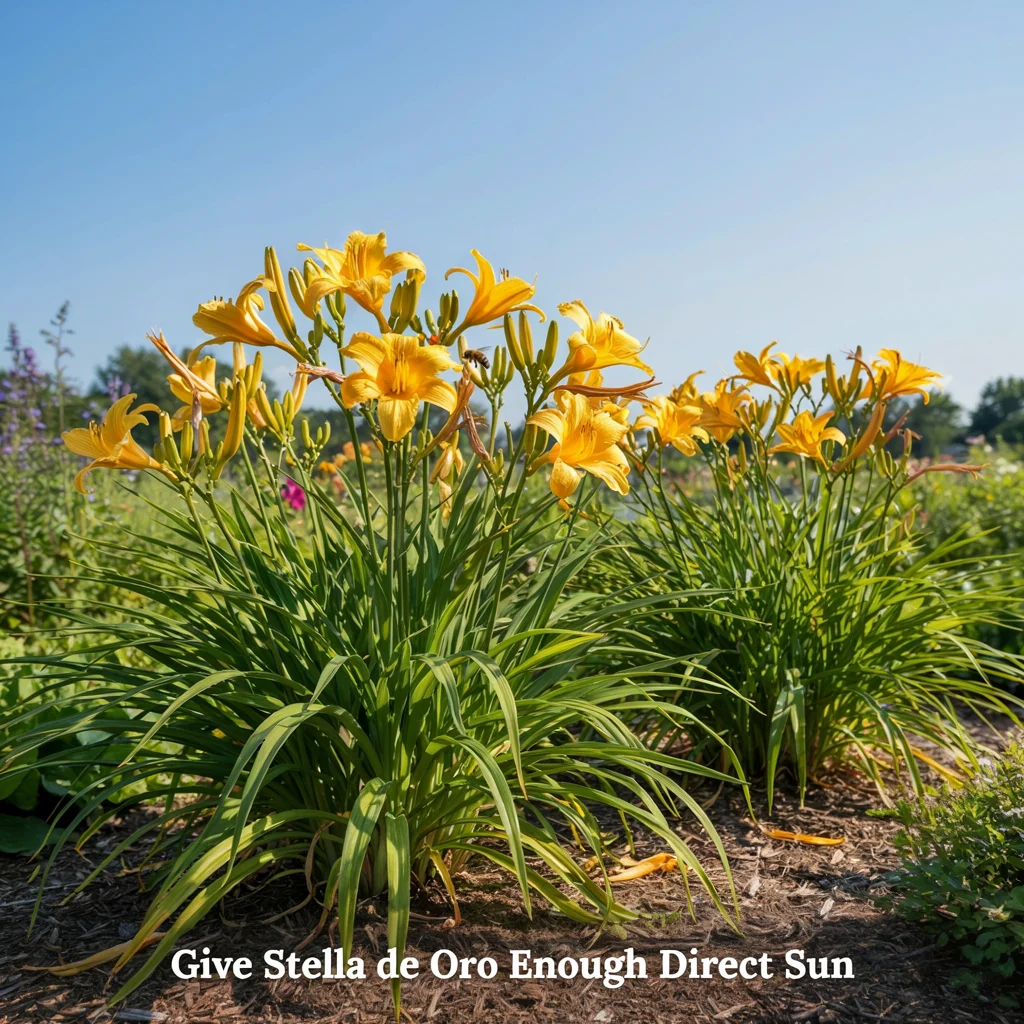
Give Stella de Oro enough direct sun, since this cultivar needs a genuine minimum of six hours of direct sunlight daily to produce its full reblooming potential, with more sun generally translating directly into more flowers across the season. Plants grown in partial shade will still survive and bloom, but noticeably less prolifically, often producing only a single early flush rather than the repeated waves of bloom this variety is known for. If your Stella de Oro planting seems to be underperforming despite otherwise good care, checking whether nearby trees or structures have gradually increased shade over the plant is one of the first things worth investigating.
Deadhead Spent Blooms Regularly
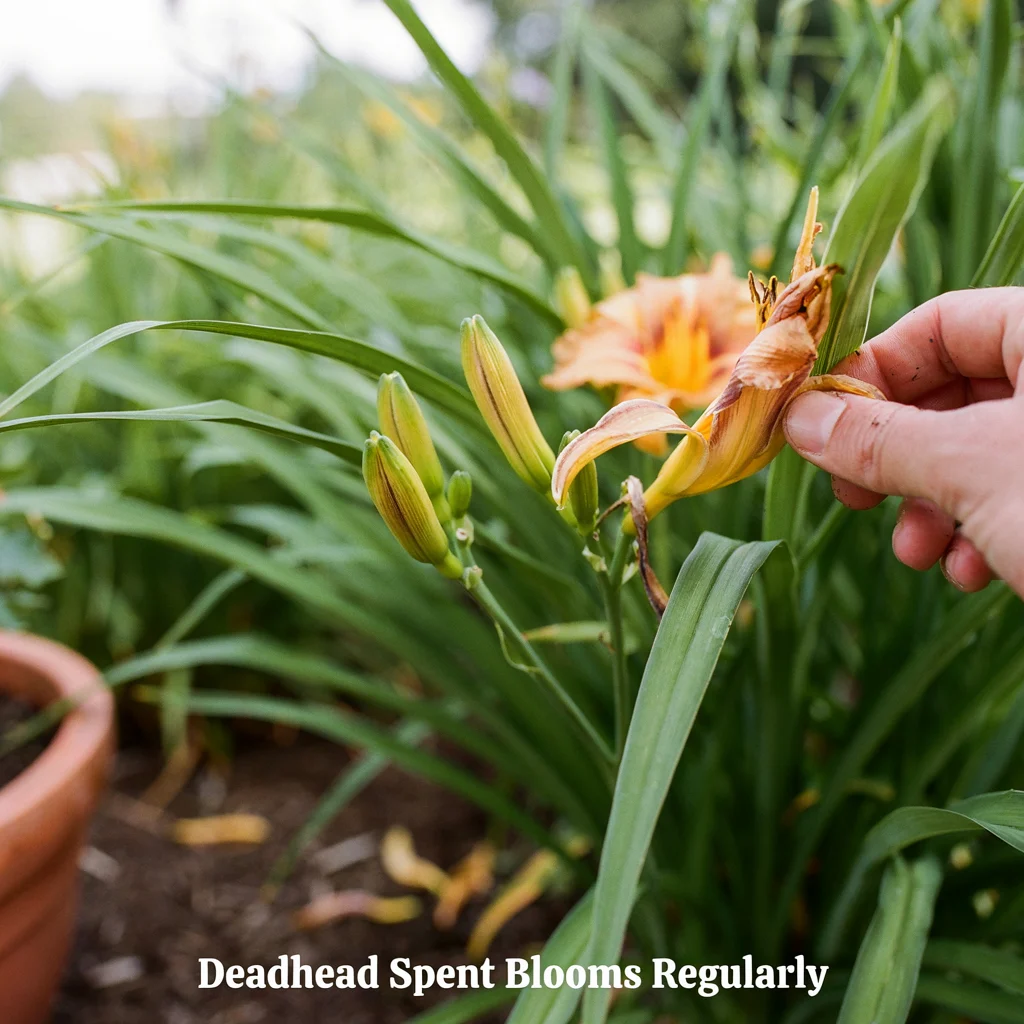
Deadhead spent blooms regularly, removing individual flowers as they fade rather than waiting for a whole stem to finish, since each faded bloom left in place diverts the plant’s energy toward seed production instead of new flower formation. Because Stella de Oro flowers are individually short-lived, typically lasting just a single day each, this becomes a task worth doing every few days during peak bloom rather than only occasionally. Once an entire flower stalk, or scape, has finished producing new buds, cutting it back to the base at soil level tidies the plant’s appearance and redirects even more energy toward producing fresh flowering stems.
Water Consistently, Especially During Dry Spells
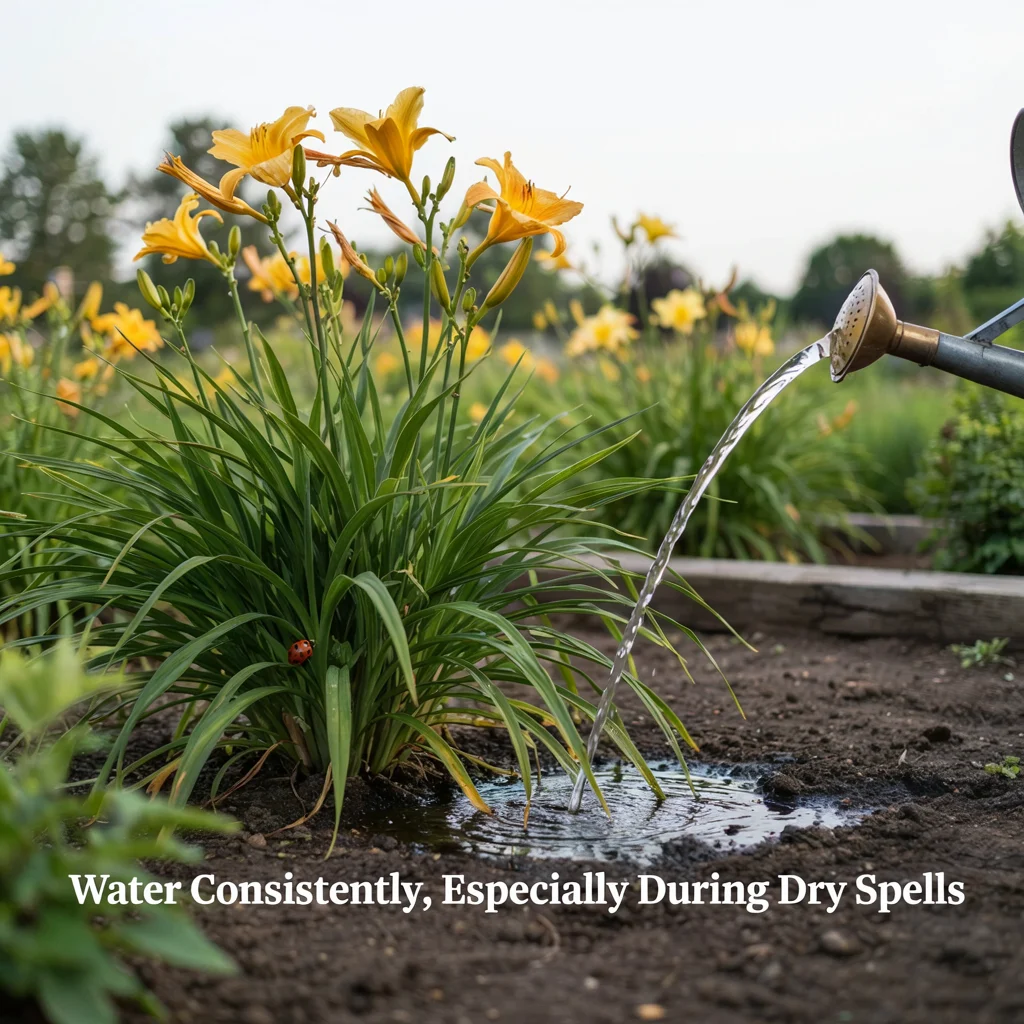
Water consistently, especially during dry spells, since Stella de Oro tolerates brief periods of drought once established but produces noticeably fewer blooms under prolonged water stress. Aiming for roughly an inch of water per week, whether from rainfall or supplemental irrigation, keeps the plant’s energy focused on flowering rather than simply surviving. Watering at the base of the plant rather than overhead reduces the risk of fungal issues on the foliage, and a layer of mulch around the base helps retain soil moisture between waterings while also suppressing competing weeds.
Feed Lightly but Regularly Through the Growing Season
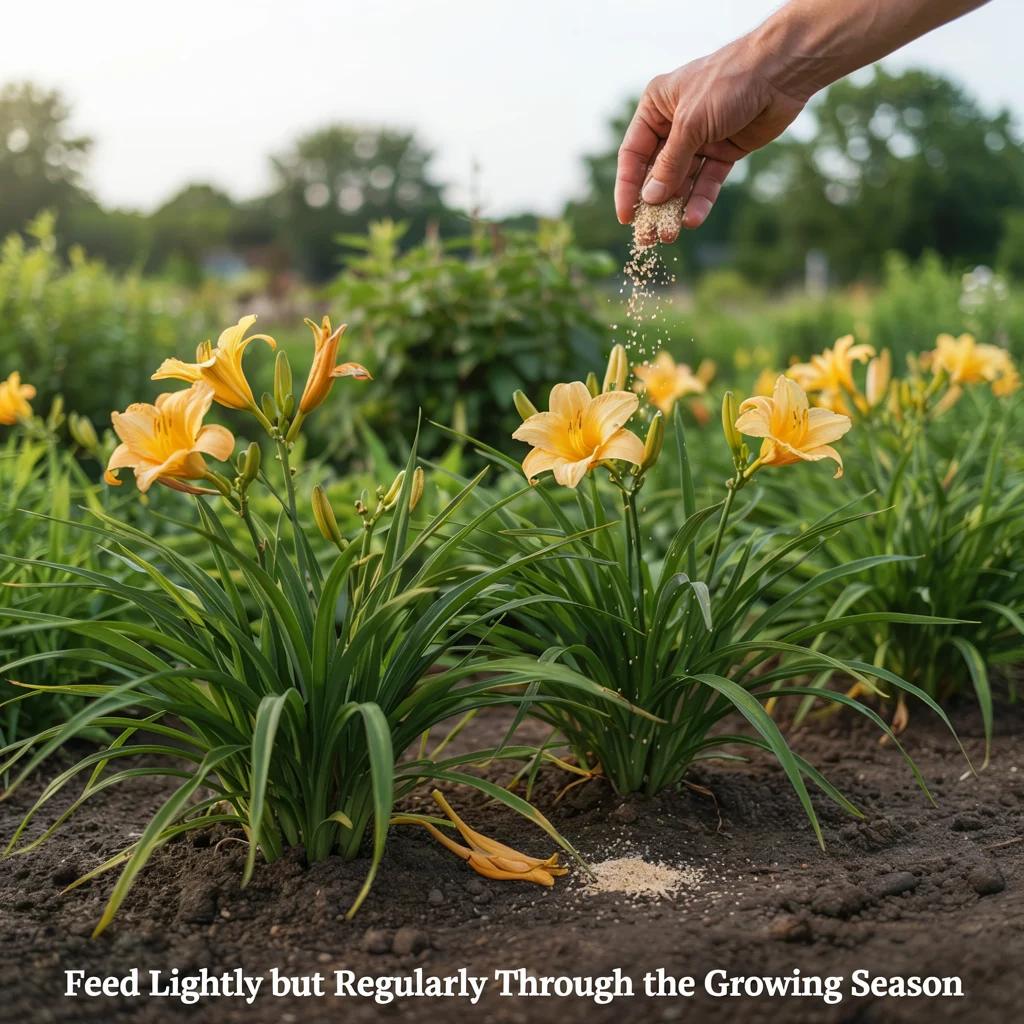
Feed lightly but regularly through the growing season, using a balanced, slow-release fertilizer applied in early spring as new growth emerges, then again lightly after the first major bloom flush to help fuel the plant’s rebloom cycle. Stella de Oro doesn’t require heavy feeding, and over-fertilizing, particularly with a nitrogen-heavy product, tends to encourage lush foliage growth at the expense of flowers rather than supporting more blooms. A fertilizer formulated for flowering perennials, applied according to the product’s specific rate rather than more heavily “just in case,” generally produces the best reblooming results.
Divide Clumps Every Few Years to Maintain Vigour
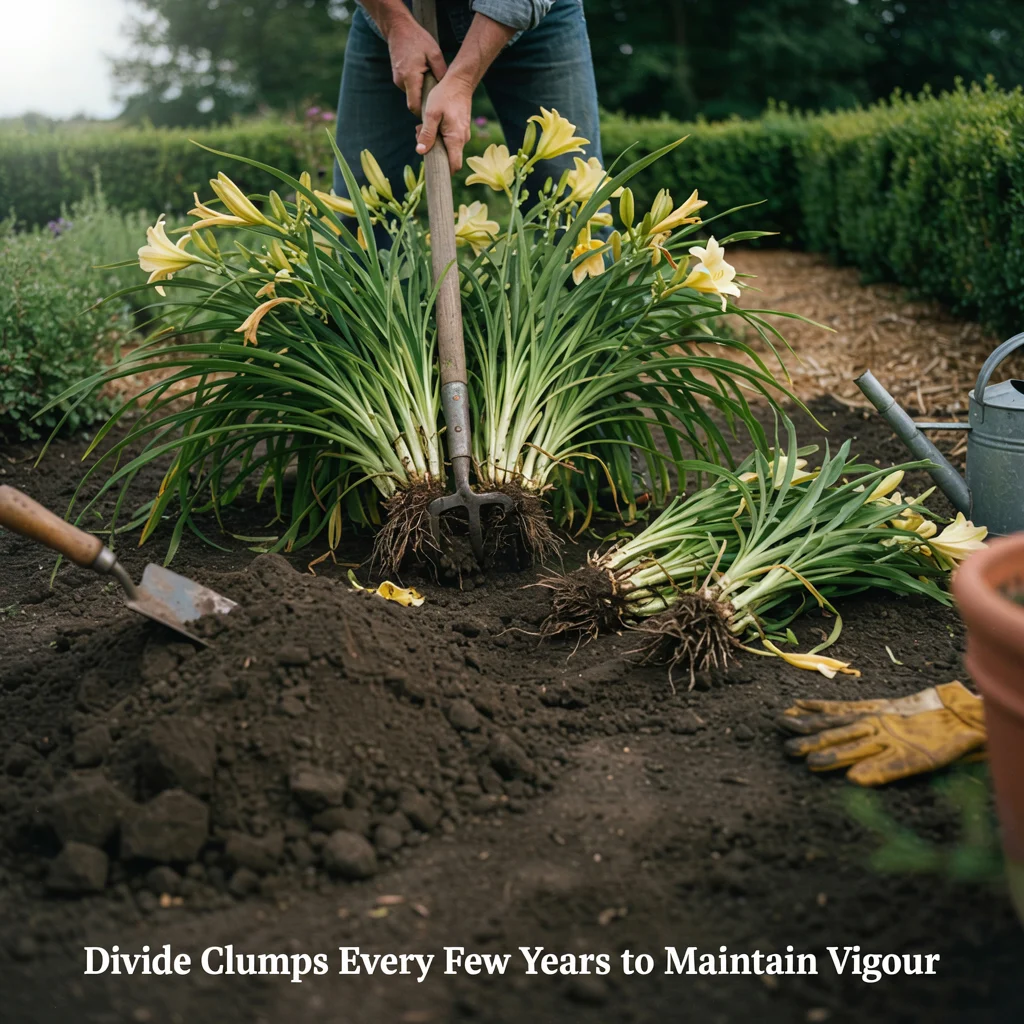
Divide clumps every few years to maintain vigour, since Stella de Oro plants become increasingly congested as they mature, and an overcrowded clump typically produces fewer blooms than a properly spaced one even with otherwise good care. Dividing every three to four years, ideally in early spring or early fall when temperatures are milder, involves lifting the whole clump, gently separating it into smaller sections each with healthy roots and growth points, and replanting with adequate spacing. This periodic division not only maintains blooming vigour but also provides an easy, free way to expand a Stella de Oro planting or share divisions with other gardeners.
Watch for and Address Common Pest and Disease Issues
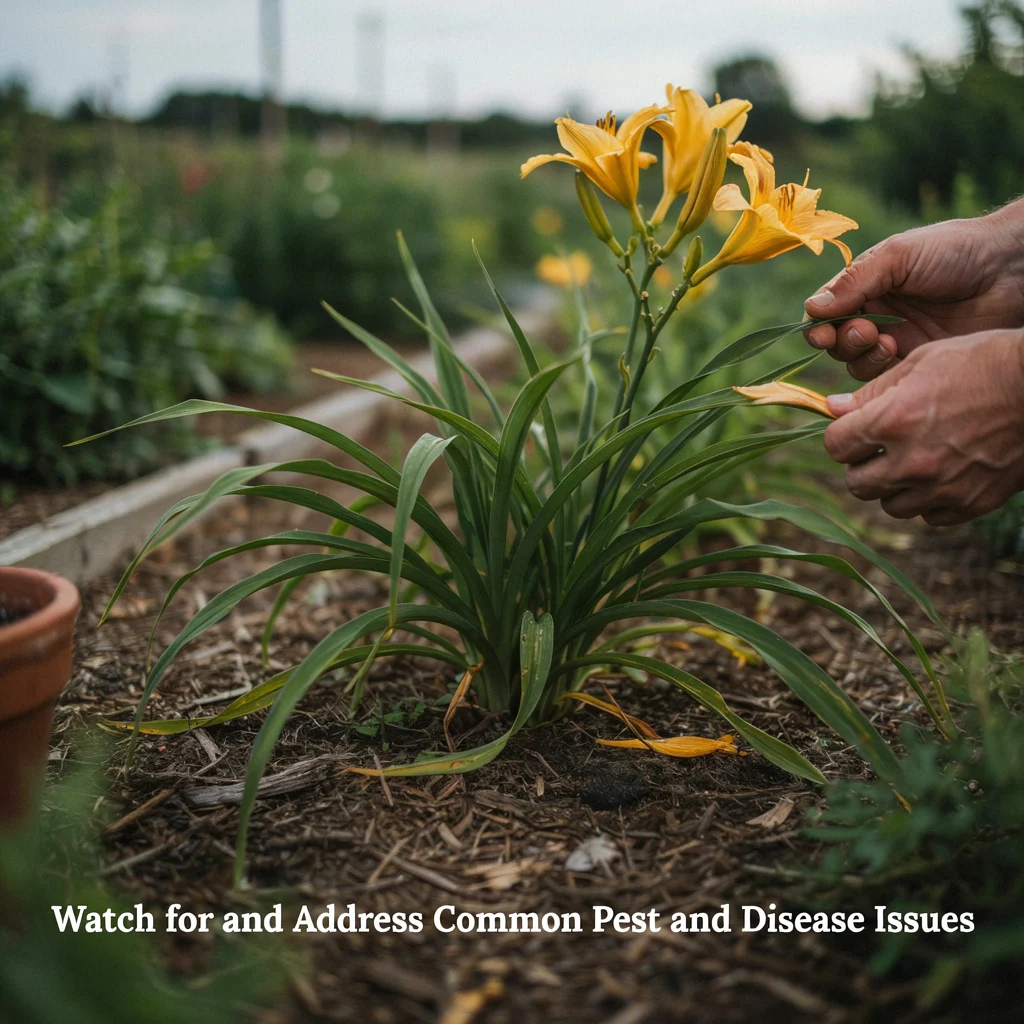
Watch for and address common pest and disease issues, since problems like daylily leaf streak, thrips, or aphids can reduce a plant’s overall vigour and, with it, its flowering performance, even though Stella de Oro is generally considered a fairly resistant, low-fuss cultivar. Removing and disposing of any visibly diseased foliage promptly, rather than leaving it in place, helps prevent fungal issues like leaf streak from spreading further through a clump. A strong blast of water from a hose is often enough to dislodge minor aphid or thrips populations before they become a significant problem, reducing the need for more aggressive chemical intervention in most home garden situations.
This pairs well with Why Lilacs Should Be Pruned Right After Blooming, Summer-Blooming, Full Sun Perennials, and Best Shrubs for Zone 7 Gardens for Every Season if you are planning further. Readers working on this often also check Vermicomposting for Beginners: Turn Kitchen Scraps into Garden Gold, How to Build a Pet-Friendly Garden, and Mini Garden Ideas That Fit Any Space. This pairs well with our guide to Outdoor Plant Pots Showing Their Age? Transform Them With Spray Paint!.
Frequently Asked Questions
Why has my Stella de Oro daylily stopped blooming?
A Stella de Oro daylily that has stopped blooming is most commonly suffering from insufficient sunlight, an overcrowded clump in need of division, or simply not being deadheaded regularly enough to encourage continued flower production. Checking these three factors first, sun exposure, clump congestion, and deadheading consistency, resolves the great majority of rebloom problems with this generally reliable cultivar.
How often does Stella de Oro rebloom?
Stella de Oro is capable of reblooming in repeated waves throughout the growing season, typically from late spring into fall, provided it receives adequate sun, consistent water, and regular deadheading. Without this ongoing care, the plant tends to produce a single, shorter bloom flush rather than the extended reblooming performance the cultivar is specifically known for.
Does Stella de Oro need a lot of fertilizer to keep blooming?
Stella de Oro doesn’t need heavy fertilizing to keep blooming well, and in fact over-fertilizing, particularly with a nitrogen-heavy product, tends to encourage foliage growth at the expense of flowers. A balanced, slow-release fertilizer applied lightly in early spring and again after the first bloom flush is generally sufficient to support strong rebloom performance.