
Growing Cucumbers in Straw Bales for a Big Harvest

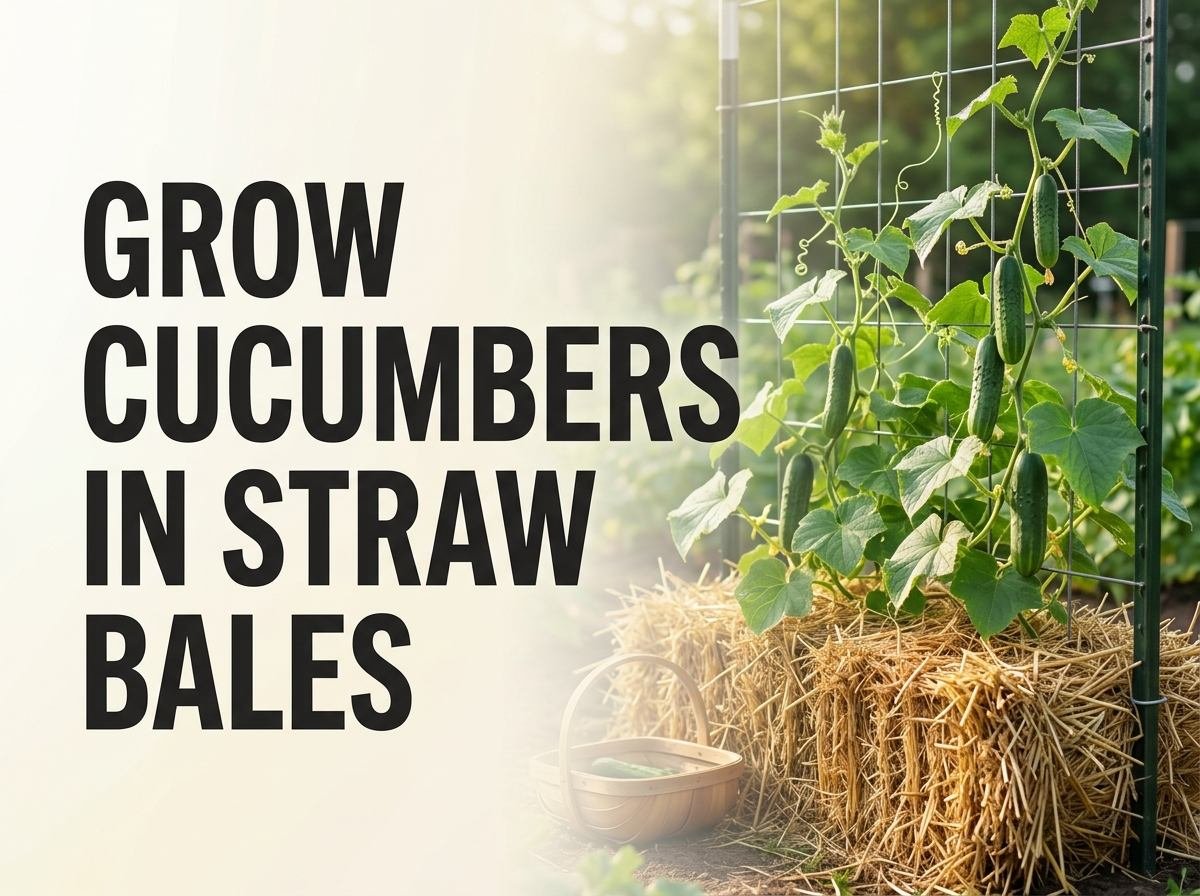
Straw bale gardening genuinely works for cucumbers because the decomposing straw generates steady bottom heat and near-perfect drainage, two things cucumber roots respond to almost immediately. A properly conditioned bale can produce 8 to 12 pounds of cucumbers per bale in a single season, often outpacing the same variety planted in compacted or heavy clay ground. The catch is that the bale has to be “cooked” through a 10 to 12 day conditioning process before a single seed or seedling goes in, and skipping that step is the single most common reason people fail at this.
Why Straw Bales Work So Well for Cucumbers

Cucumbers are shallow-rooted, warmth-loving, and notoriously prone to root rot in heavy or poorly drained soil, which is exactly what a straw bale solves. As the interior of the bale decomposes, it generates internal temperatures that can run 10 to 15 degrees Fahrenheit warmer than surrounding garden soil for the first several weeks, mimicking the warm, loose growing medium cucumbers evolved for. The straw structure also holds moisture like a sponge while still draining excess water within minutes, which prevents the soggy root conditions that cause powdery mildew and bacterial wilt to take hold. Because the bale sits above grade, gardeners with poor native soil, rocky yards, or heavy clay get a fertile, weed-free growing bed without tilling or amending anything. The decomposition process itself also feeds the plants slowly through the season, acting as a built-in compost system right where the roots are growing.
Key takeaway: The bale’s internal heat and drainage solve the two biggest problems cucumbers face in ground soil: cold roots and wet feet.
Choosing and Sourcing the Right Bales

Wheat, barley, oat, or rye straw bales work best because they’re mostly hollow stems with minimal seed content, unlike hay bales, which are packed with grass and weed seed that will sprout everywhere once the bale breaks down. A standard two-string bale measures roughly 14 by 18 by 36 inches and weighs 40 to 50 pounds, which is the right size for 2 to 3 cucumber plants. Buy bales from a feed store or farm supply rather than a decorative fall-display bale from a garden center, since decorative bales are sometimes treated or aged in ways that slow decomposition. Set the bale with the cut side (the side where the stems are exposed, not the folded side) facing up, since water and roots penetrate that surface far more easily.
Key takeaway: Straw, not hay, and cut-side-up placement are the two details that make or break the setup.
The 12-Day Conditioning Schedule

Conditioning is the process of jump-starting decomposition so the bale’s interior is warm and nitrogen-rich by planting day, and it follows a predictable schedule. On days 1, 3, and 5, water the bale thoroughly and sprinkle in a half cup of a high-nitrogen fertilizer (blood meal, urea, or a 21-0-0 lawn fertilizer without herbicide) per bale, working it into the top few inches. On days 2, 4, and 6, water only, without additional fertilizer. From day 7 through day 9, cut the nitrogen amount in half and continue watering daily. By day 10, you should feel the bale is warm to the touch, sometimes uncomfortably so, and it will have started to soften and darken in color. Wait until the internal temperature drops back to below 100°F (usually days 11-12) before planting, since seeds and young roots can be damaged by the peak heat of active decomposition.
Testing the Bale Before Planting
Push a finger or a kitchen thermometer 4 inches into the bale. If it still feels hot (above 100°F) or if you can smell strong ammonia, wait 2 to 3 more days. Planting into a bale that’s still too hot is the most common reason seedlings die within 48 hours of transplanting.
Key takeaway: A rushed conditioning schedule kills more cucumber seedlings than pests or disease combined.
Planting Cucumbers Into the Bale

Once conditioned, scoop out a planting pocket about 4 inches deep and wide enough for the root ball, then fill it with a couple of handfuls of compost or potting mix to give the roots a soft landing while the surrounding straw finishes breaking down. Space 2 plants per bale for vining varieties trained vertically, or 3 for compact bush types like ‘Bush Champion’ or ‘Salad Bush’. Transplants establish faster than direct-seeding into straw, since the loose fiber makes it harder for tiny seeds to maintain consistent contact with moisture. If direct seeding is preferred, sow 2 seeds per pocket and thin to the stronger seedling after the first true leaves appear. Water immediately after planting and keep the bale consistently moist for the first week while roots push into the straw.
Key takeaway: Transplants beat direct seeding in straw bales because seed-to-fiber contact is unreliable in loose straw.
Trellising for Maximum Yield

Vertical growing is where straw bale cucumbers really outperform ground plantings, since airflow around vertically trained vines dramatically cuts down on the fungal diseases that plague sprawling vines lying on damp soil. Set a cattle panel, A-frame trellis, or heavy-duty tomato cage into the bale (or anchored in the ground just behind it) at planting time, before roots establish, so you’re not disturbing the plant later. As vines grow, guide the leaders onto the trellis every few days; cucumbers are natural climbers and will grip with tendrils once trained. Vertical growing also keeps the fruit straight and blemish-free, since cucumbers that trail on the ground often develop yellow flat spots and curl. A single well-trellised vine on a bale can produce 15 to 20 fruits over a season versus roughly half that for a sprawling, untrellised plant.
Key takeaway: Trellising isn’t optional for straw bale cucumbers, it’s the difference between a mediocre harvest and a heavy one.
Watering and Feeding Through the Season

Straw bales dry out faster than garden soil because they don’t hold water the way dense soil does, so expect to water daily during hot weather, sometimes twice a day once the bale is fully colonized by roots and the plants are fruiting heavily. Drip irrigation or a soaker hose laid along the top of the bale removes the guesswork and prevents the wide swings in moisture that cause bitter-tasting cucumbers. Because the bale is actively decomposing and using nitrogen in that process, supplement with a balanced liquid fertilizer (10-10-10 or fish emulsion) every 2 weeks starting when flowers appear, since the bale’s own nitrogen reserves get used up by both the plant and the ongoing decomposition. Yellowing lower leaves partway through the season are usually a nitrogen deficiency sign specific to bale growing and respond quickly to a feeding.
Key takeaway: Straw bales need more frequent watering and feeding than ground beds because decomposition competes with the plant for nitrogen.
Comparing Straw Bale Cucumbers to Ground Planting

| Factor | Straw Bale | Ground Soil |
|---|---|---|
| Soil-borne disease risk | Very low | Moderate to high |
| Root zone warmth | Warmer, faster early growth | Depends on soil type |
| Watering frequency | Daily, sometimes 2x | Every 2-3 days |
| Setup effort | High upfront (conditioning) | Low |
| Weed pressure | Minimal | Variable |
| Best for poor/clay soil | Yes | No |
Common Problems and Fixes

Cucumber beetles find straw bales just as easily as garden soil, so scout the undersides of leaves starting at emergence and use floating row cover until flowering begins, removing it once pollinators need access. Bitter cucumbers usually trace back to inconsistent watering rather than variety, so a consistent daily watering routine solves this faster than switching seed types. If the bale collapses or sags heavily by midsummer, that’s normal decomposition; support sagging trellises with an extra stake and keep watering, since the bale will still finish the season productively. Blossom drop with no fruit set in the first couple of weeks is typically just early female flowers appearing before enough male flowers are open, and it self-corrects within 7 to 10 days.
The Bottom Line
Growing cucumbers in straw bales rewards a bit of upfront patience with a genuinely lower-maintenance, higher-yield season than most ground plantings deliver, especially for gardeners fighting clay soil, poor drainage, or limited garden space. The conditioning window is non-negotiable, but once the bale is ready, cucumbers respond with faster germination, cleaner fruit, and fewer disease problems than they’d have in the ground. Pair a well-conditioned bale with vertical trellising and a consistent watering schedule, and 8 to 12 pounds per bale is a realistic, repeatable target.
Frequently Asked Questions
How many straw bales do I need for a family’s worth of cucumbers?
Two to three bales, each holding 2 to 3 plants, typically produces enough fresh-eating and light pickling cucumbers for a family of four through the growing season. Add a fourth bale if you’re planning to can or pickle in bulk.
Can I reuse a straw bale for a second season?
Not really as a standalone bale; by season’s end it has mostly decomposed into a loose, soil-like material that works wonderfully as mulch or compost, but it won’t hold structure for a second round of conditioning. Start fresh bales each spring.
Do I need to condition the bale if I buy one that’s already partly decomposed?
Yes, but the process may take only 7 to 8 days instead of 12, since some breakdown has already started. Check with a thermometer rather than going by the calendar alone.
Why are my straw bale cucumbers growing slower than expected?
The most common cause is planting before the bale finished its hot decomposition phase, which can stress or partially cook young roots. The second most common cause is under-watering, since bales dry out faster than people expect.
Is straw bale gardening more expensive than a raised bed?
Per season, straw bales are usually cheaper to start (a bale runs $6-12 versus the lumber and soil cost of a raised bed), but they’re a recurring annual cost since bales don’t last multiple years. Raised beds cost more upfront but pay off over 5+ years.
Can I grow other vegetables in the same bale as cucumbers?
Yes, many gardeners tuck a couple of bush bean plants or marigolds at the edges of a cucumber bale to use the remaining space and add pest-deterrent companion planting, as long as the bale isn’t overcrowded.