
Covered Patio Ideas for a Cozy Outdoor Space

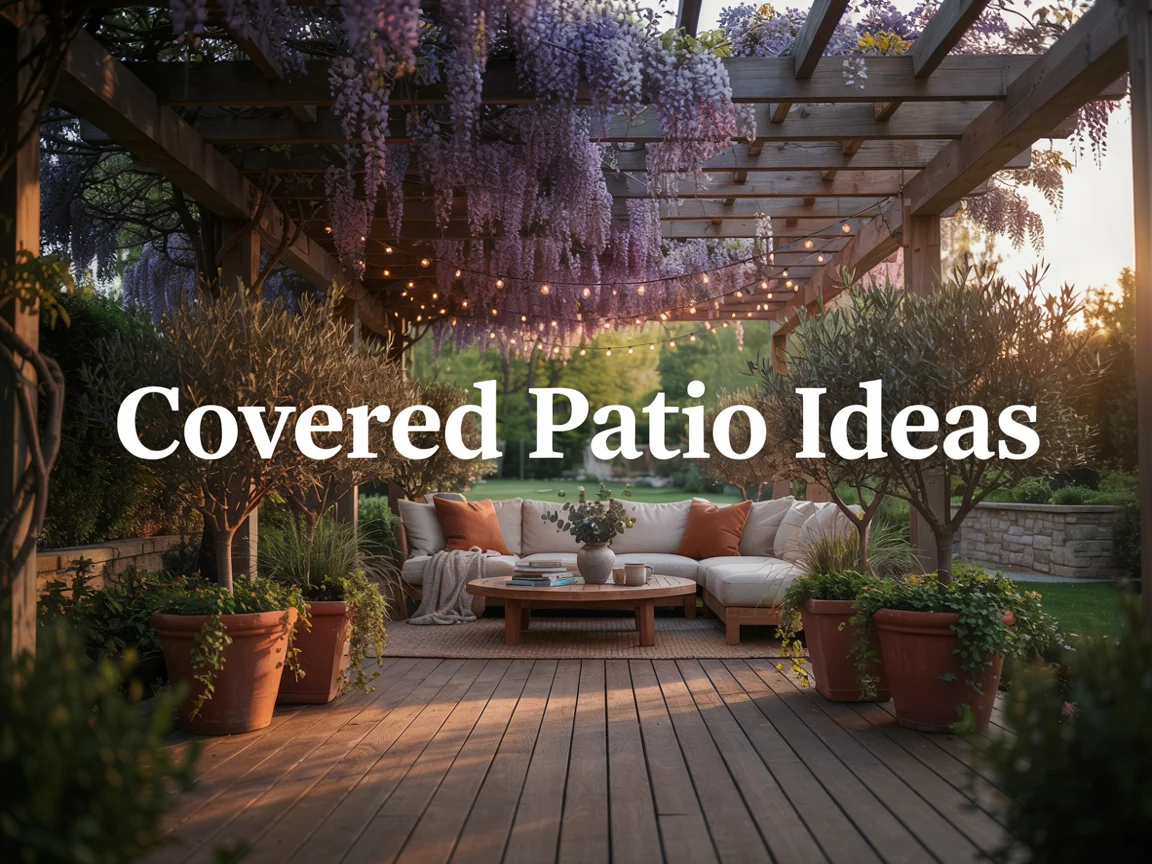
A patio without any overhead cover often sits unused for a large chunk of the year, too hot at midday and too exposed during a sudden rain shower to actually get regular use. The ideas below cover a genuine range of budgets and commitment levels, from simple removable shade to permanent roofed structures, so there’s an option here for almost any patio and price point.
Classic Wood Pergola for Filtered Shade
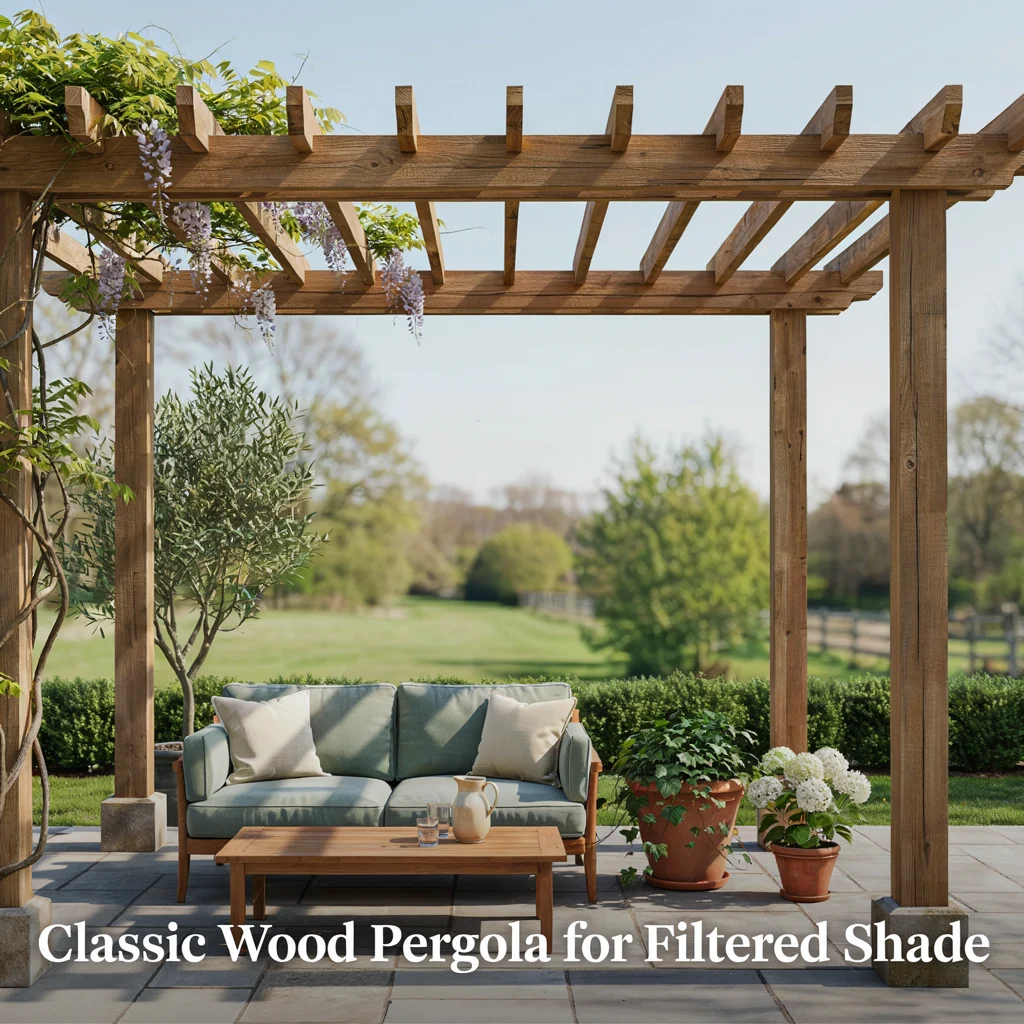
Classic wood pergola for filtered shade remains one of the most popular covered patio ideas, using an open lattice roof structure that softens direct sun without blocking the sky entirely.
Why a Pergola Offers a Middle Ground Between Sun and Full Shade
Why a pergola offers a middle ground between sun and full shade comes down to its open slats, letting dappled light through rather than casting the heavy, solid shadow a full roof would.
Adding Climbing Vines for Denser, Living Shade
Adding climbing vines for denser, living shade, such as wisteria or grapevine trained across the top, gradually increases coverage over a few seasons while adding real seasonal color and texture.
Retractable Awning for Adjustable Coverage
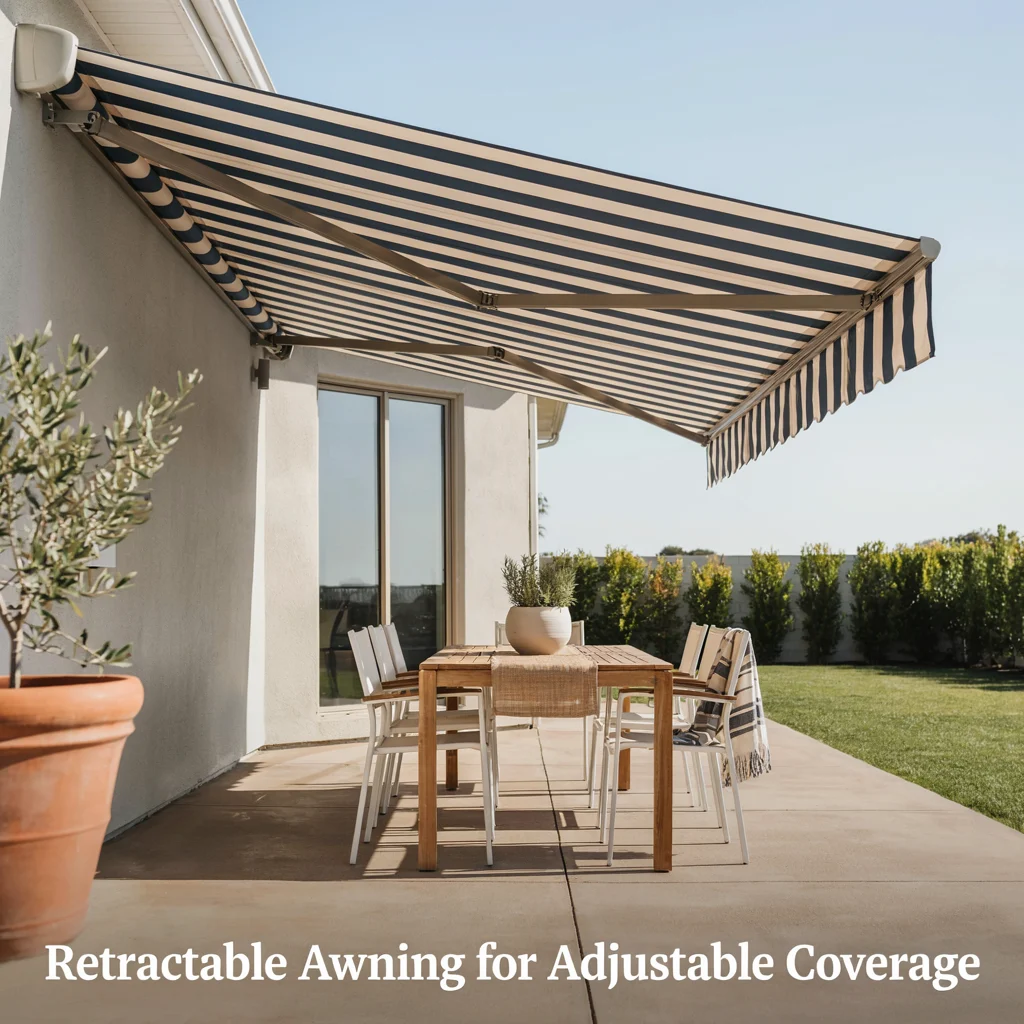
Retractable awning for adjustable coverage gives the flexibility of shade on demand, extending out during peak sun and folding away entirely when full sun or an open sky is preferred instead.
Manual Versus Motorized Retractable Awning Systems
Manual versus motorized retractable awning systems mainly come down to convenience and budget, with motorized versions costing more upfront but offering effortless operation, often with a remote or sun sensor.
Where a Retractable Awning Works Best
Where a retractable awning works best tends to be patios attached directly to the house, since most awning systems mount to an exterior wall rather than standing freely in the yard.
Solid Roof Extension for Full Weather Protection
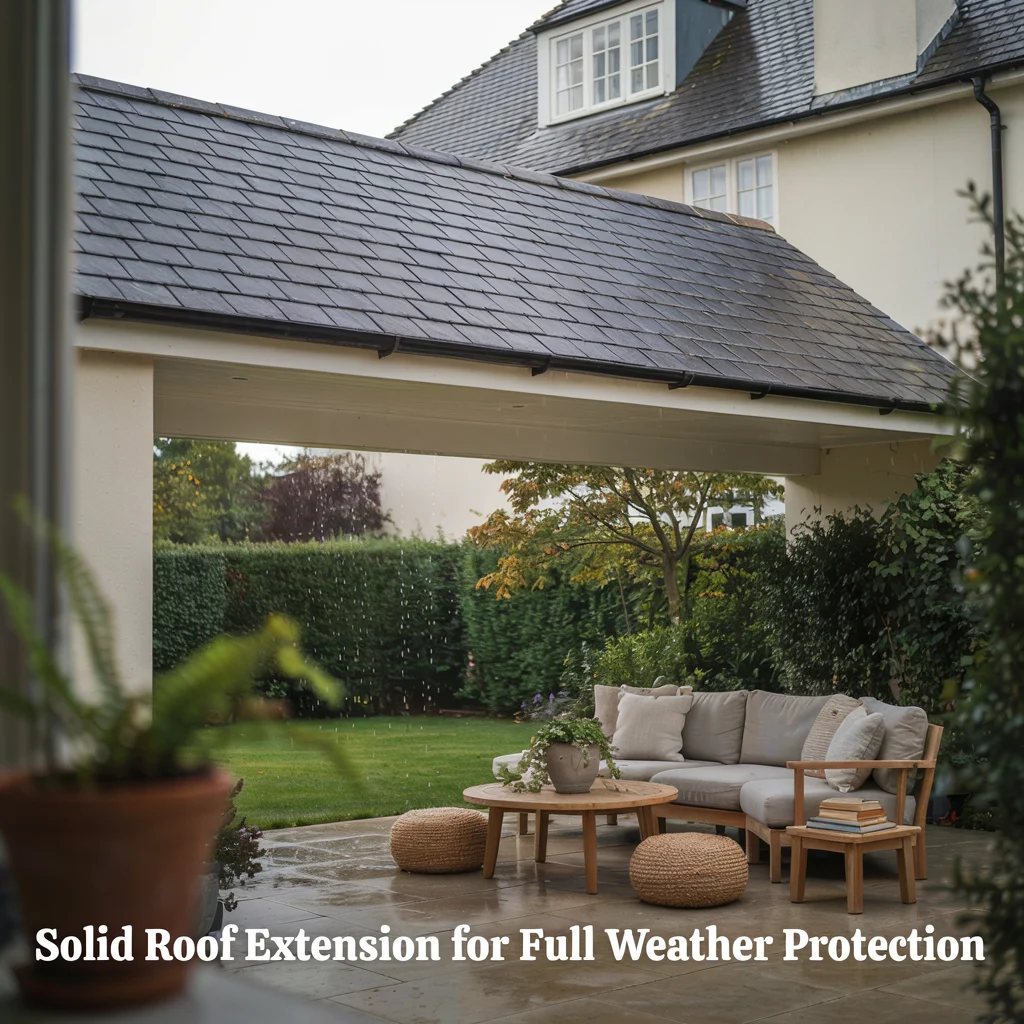
Solid roof extension for full weather protection turns a patio into a genuinely usable space in rain or shine, extending the home’s existing roofline out over the seating area.
Matching the Extension to the Home’s Existing Roofline
Matching the extension to the home’s existing roofline in material and pitch keeps a solid patio cover looking like an intentional part of the house rather than an obvious add-on.
Why This Option Usually Requires a Permit
Why this option usually requires a permit comes down to its permanent, structural nature, so it’s worth checking local building codes before committing to a full roof extension project.
Shade Sail for a Modern, Budget-Friendly Look
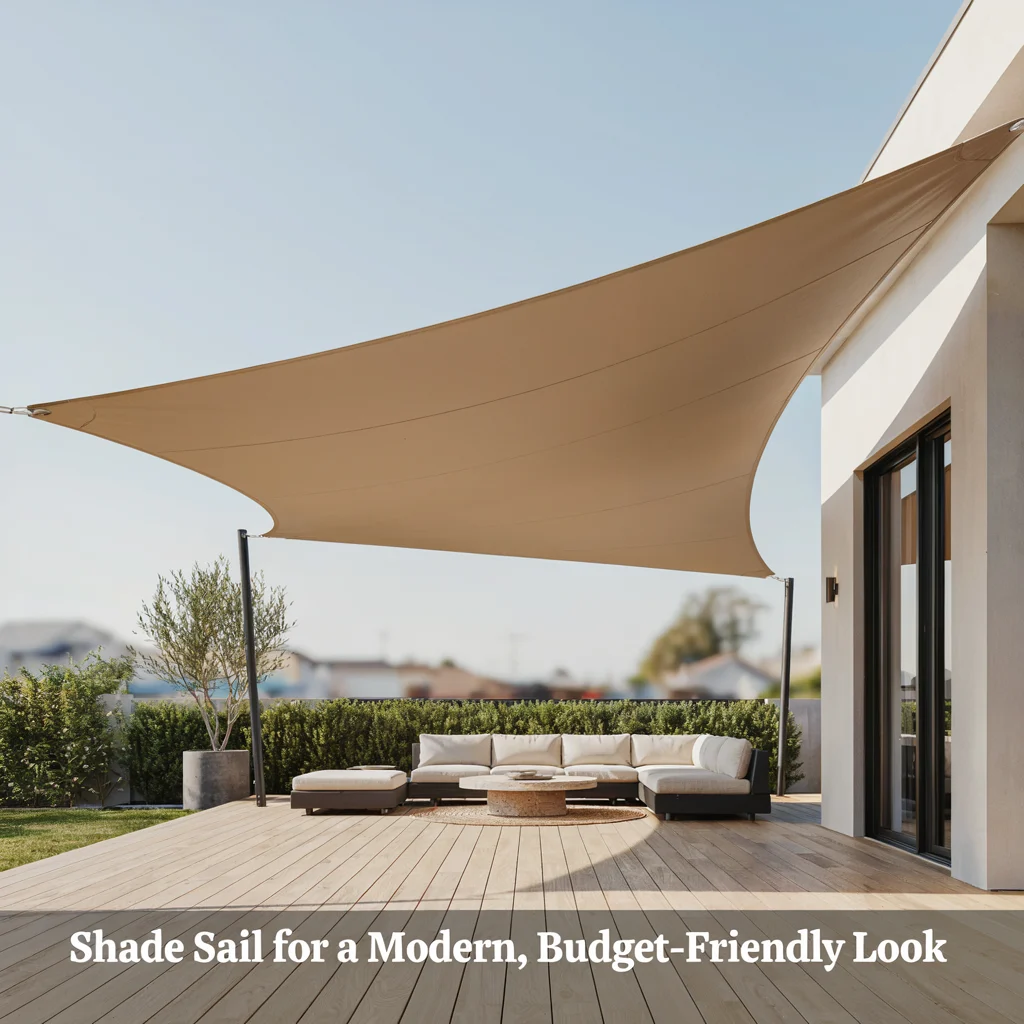
Shade sail for a modern, budget-friendly look uses tensioned fabric stretched between anchor points, giving angular, contemporary shade coverage without the cost of a full roofed structure.
How Shade Sails Are Anchored Securely
How shade sails are anchored securely typically involves mounting posts or attaching directly to the house and existing structures like a fence or garage wall, with turnbuckles used to keep the fabric taut.
Choosing Fabric Weight for Sun and Weather Resistance
Choosing fabric weight for sun and weather resistance matters, since heavier-duty, UV-stabilized fabric holds up considerably longer under constant sun exposure than lighter, decorative sail fabric.
Louvered Roof System for Adjustable Light Control
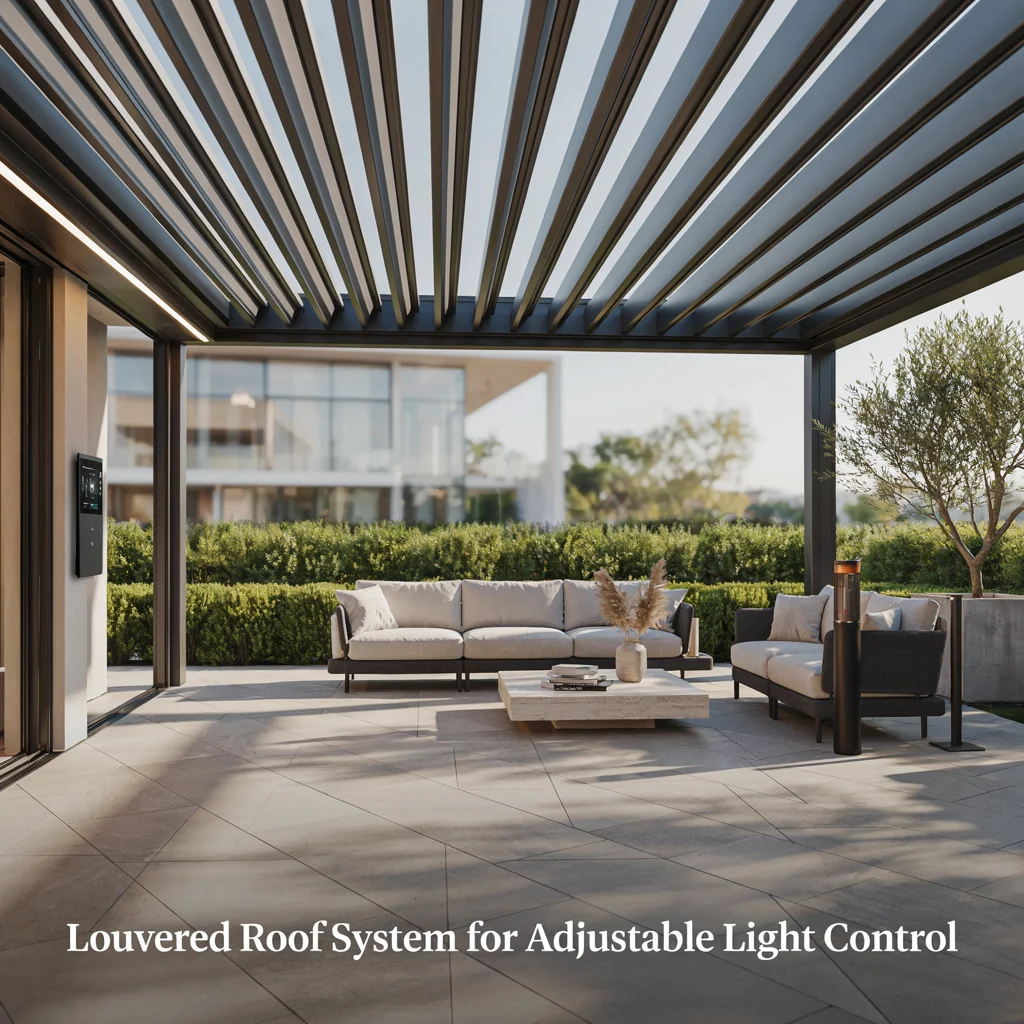
Louvered roof system for adjustable light control offers a higher-end option that lets homeowners rotate the roof slats open or closed, adjusting sunlight and airflow throughout the day.
Why Louvered Roofs Suit Year-Round Outdoor Living
Why louvered roofs suit year-round outdoor living comes down to their versatility, closing fully to shed rain or opening completely for full sun and ventilation on mild days.
Cost Considerations Compared With Simpler Cover Options
Cost considerations compared with simpler cover options matter, since a motorized louvered roof sits at the higher end of the price range compared with a basic pergola or shade sail.
Vine-Covered Arbor for a Natural, Cottage Feel
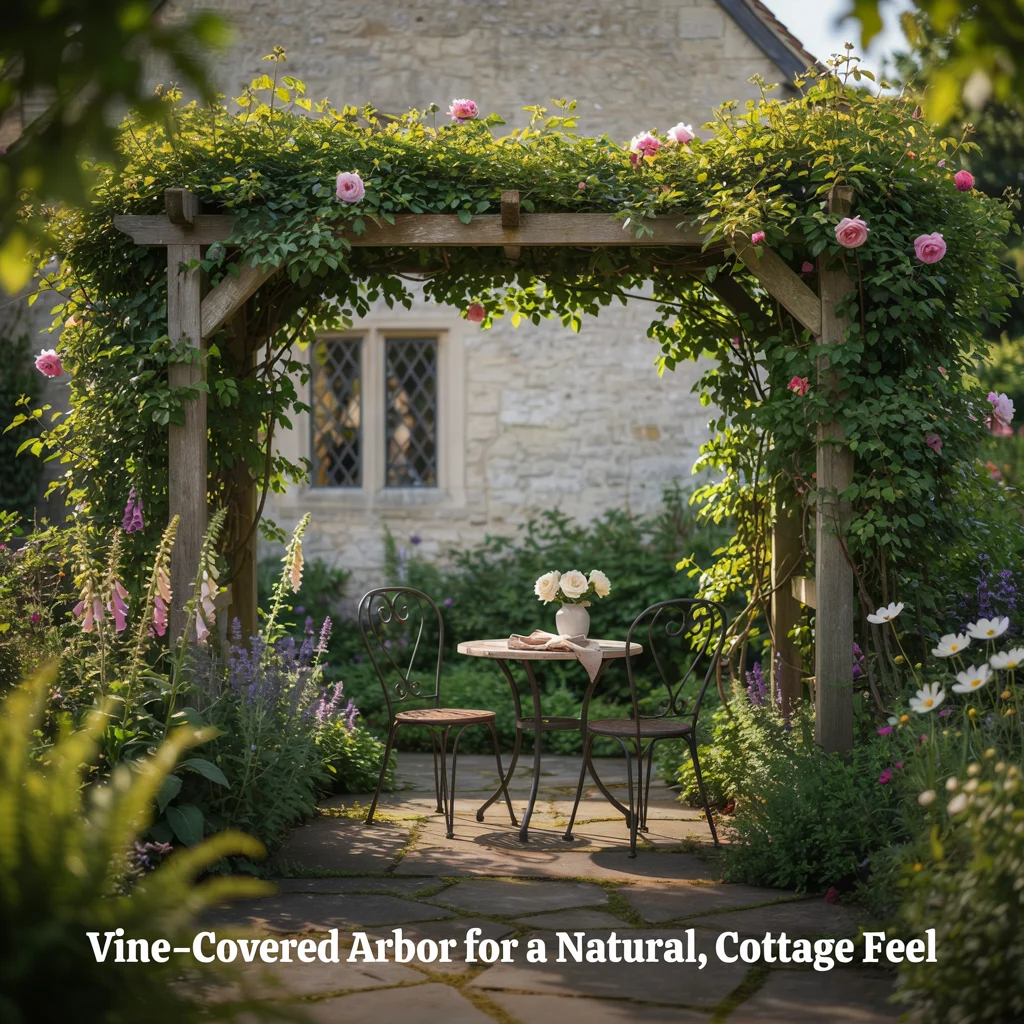
A vine-covered arbor for a natural, cottage feel combines a simple wood frame with climbing plants trained across the top, delivering shade that develops and deepens as the plants mature over time.
Fast-Growing Vines That Fill In an Arbor Quickly
Fast-growing vines that fill in an arbor quickly include hops, grapevine, and trumpet vine, all of which can provide meaningful shade coverage within one to two growing seasons.
Balancing Living Shade With Structural Support
Balancing living shade with structural support means building the arbor frame sturdy enough to handle the eventual weight of a mature, fully leafed-out vine, which is considerably heavier than the bare structure.
The Bottom Line
Covered patio ideas range from a simple, temporary shade sail to a fully permitted roof extension, and the right choice mostly comes down to budget, how permanent the solution needs to be, and how much control over sunlight actually matters. Even the lowest-cost options, like a pergola with trained vines, meaningfully extend how much a patio actually gets used through the hottest part of the year.
This pairs well with Inviting Cozy Backyard Patio Ideas That Guests Actually Notice, Stylish Covered Backyard Patio Layouts to Steal, and Backyard Patio Plants for Small Backyards if you are planning further. Readers working on this often also check our guide to Gravel Patio Ideas Worth Trying.
Frequently Asked Questions
What Is the Cheapest Way to Cover a Patio?
A shade sail or a simple pergola are generally the cheapest ways to cover a patio, offering real sun relief without the cost or permitting a solid roof extension typically requires.
Do Covered Patios Add Value to a Home?
A well-built covered patio can add real value to a home, particularly a permanent roof extension, since it effectively increases usable outdoor living space in a way buyers tend to notice.
Does a Patio Cover Need a Permit?
Whether a patio cover needs a permit depends on the type and local building codes, with permanent, attached structures like solid roof extensions far more likely to require one than a freestanding shade sail or pergola.
How Long Does It Take Vines to Fully Cover a Pergola?
Fast-growing vines like grapevine or wisteria can meaningfully cover a pergola within two to three growing seasons, though a fully dense, mature canopy often takes a bit longer.
What’s the Most Weather-Resistant Patio Cover Option?
A solid roof extension is generally the most weather-resistant patio cover option, offering full protection from rain and sun compared with fabric-based options like awnings and shade sails.