How to Identify and Remove Invasive Jumping Worms

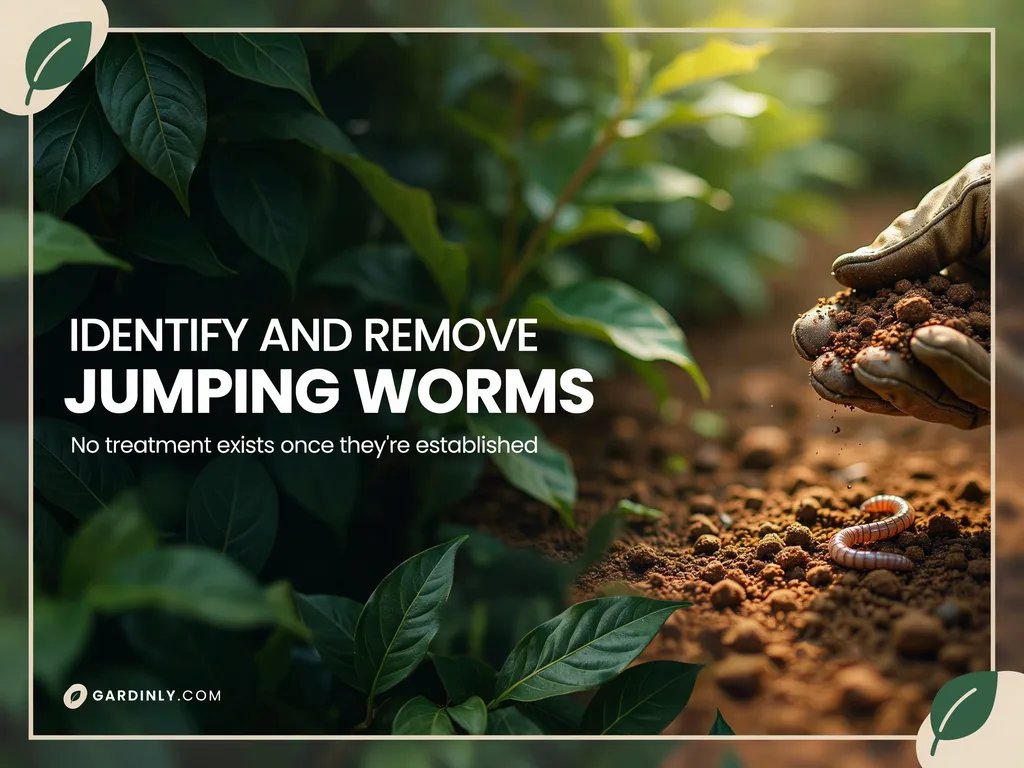
Jumping worms strip garden soil of its natural structure within a single growing season, consuming organic matter so aggressively that they leave behind a distinctive loose, grainy texture resembling used coffee grounds, a genuinely different and more destructive soil impact than the beneficial aeration ordinary earthworms provide, making correct identification a real priority before assuming any worm activity in the garden is automatically helpful.
Why Jumping Worms Are More Destructive
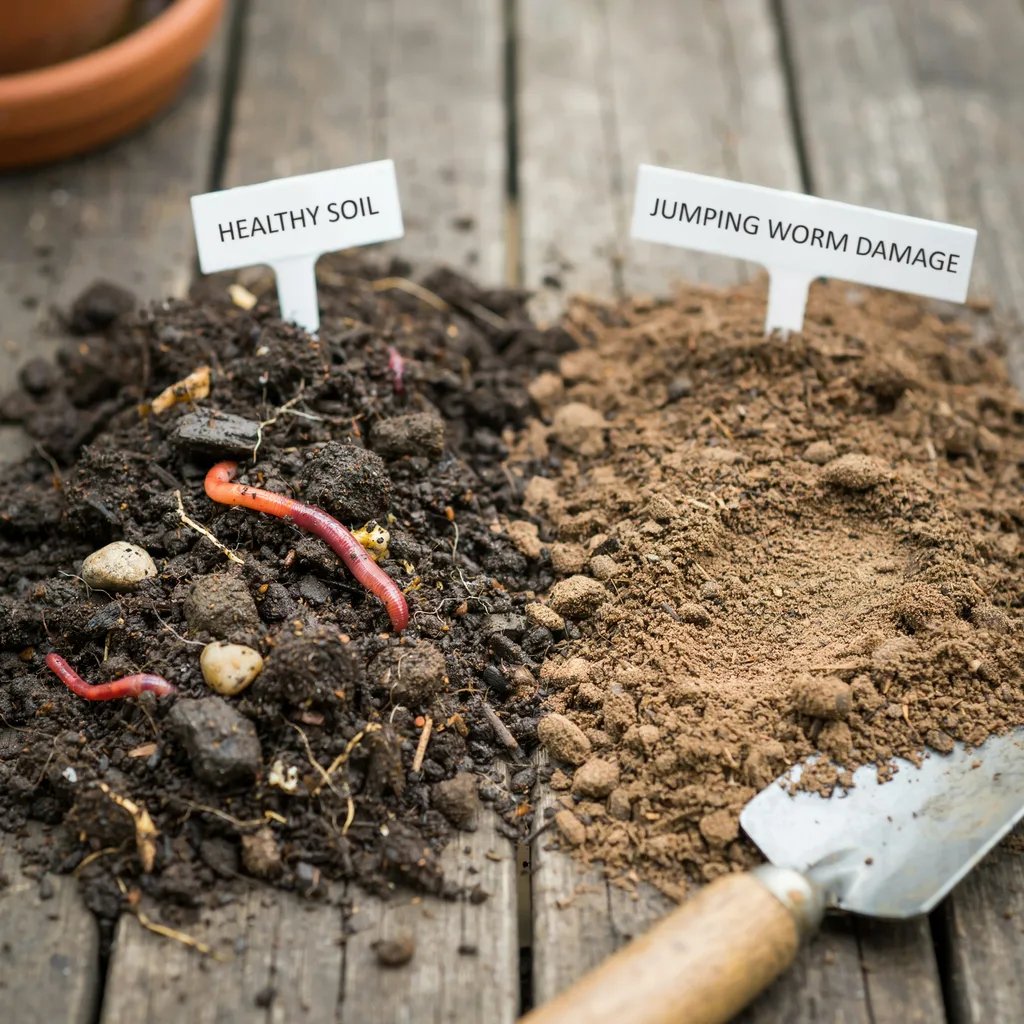
Why jumping worms cause genuinely different, more destructive soil impact than common earthworms is that jumping worms consume organic matter at a dramatically faster rate than typical earthworm species, stripping the soil’s natural structure and nutrient content so rapidly that many plants, particularly those needing that rich, structured topsoil layer, genuinely struggle in soil these invasive worms have colonized.
Why This Is a Distinct Problem
The consumption rate difference that makes this genuinely a distinct problem, not just more worms, is that jumping worms’ feeding behavior fundamentally alters soil structure within a single season in a way common earthworms simply don’t replicate, meaning this isn’t a matter of degree, more worms causing proportionally more of the same beneficial aeration, but a genuinely different, harmful ecological impact.
Understanding jumping worms’ impact as qualitatively different from beneficial earthworm activity, not simply more intense version of the same thing, is what makes correct species identification genuinely important rather than assuming any worm presence is automatically a garden positive.
Identifying the Distinctive Smooth, Flat Clitellum Band That Wraps Completely Around the Body
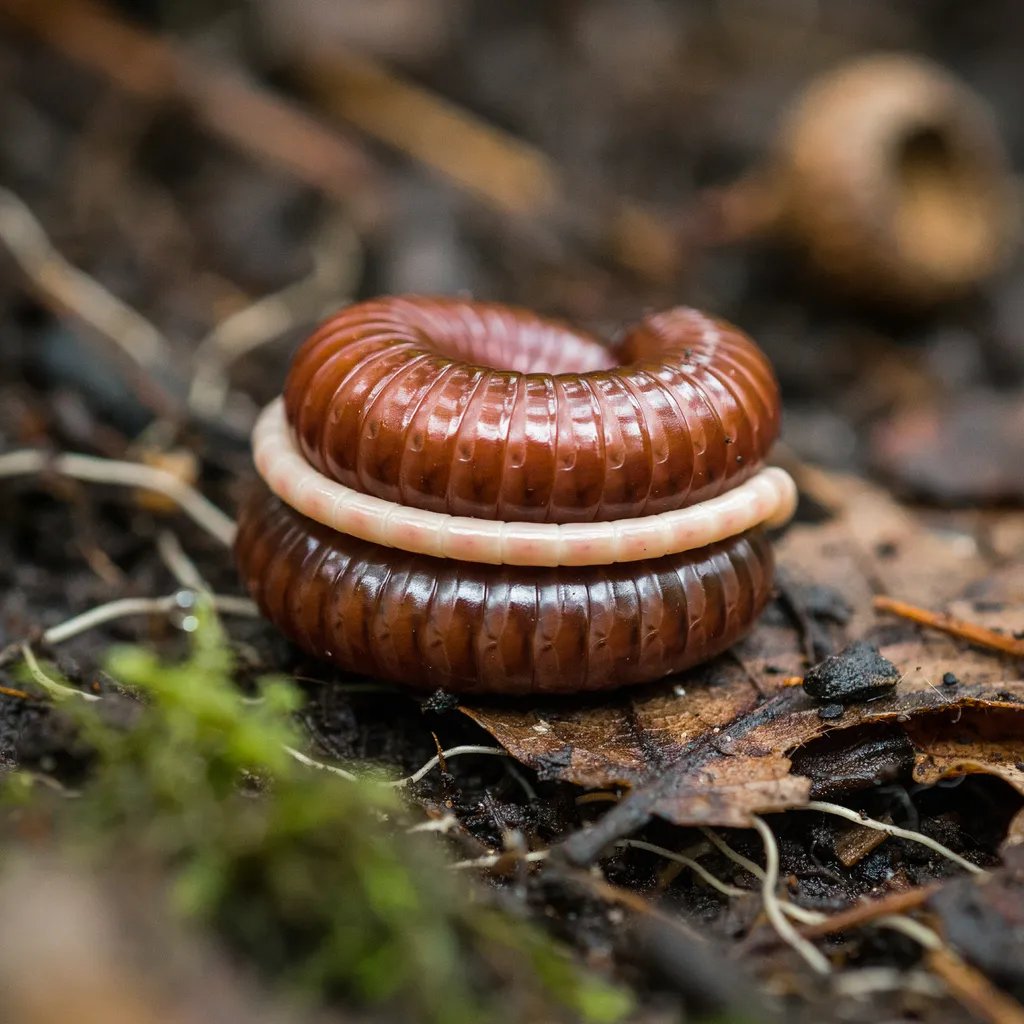
Identifying the distinctive smooth, flat clitellum band that wraps completely around the body means examining the light-colored band near the worm’s front end, since jumping worms’ clitellum is genuinely smooth, flat, and wraps completely around the body’s circumference, distinctly different from common earthworms’ clitellum, which is typically raised, saddle-shaped, and doesn’t fully encircle the body.
The clitellum’s specific shape and completeness of encirclement provides a genuinely reliable visual identification feature, making close examination of this specific body feature worth doing before assuming a worm’s identity based on general size or color alone.
Recognizing Jumping Worms’ Distinctive Violent Thrashing Behavior When Disturbed
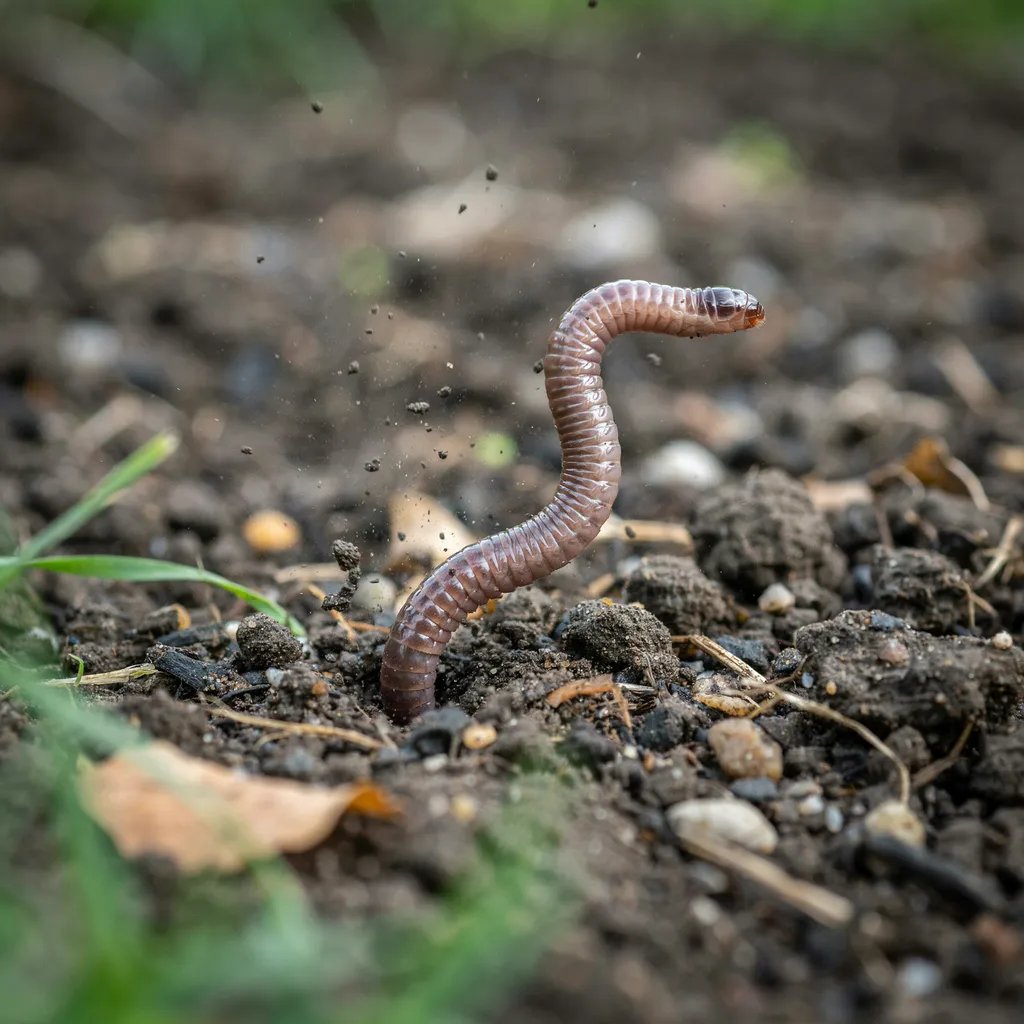
Recognizing jumping worms’ distinctive violent thrashing behavior when disturbed means noting how these worms genuinely react to being handled or disturbed, thrashing vigorously and sometimes appearing to actually jump or leap, a distinctly more dramatic and energetic response than the calmer, more subdued reaction typical earthworms show when disturbed.
This distinctive behavioral response genuinely provides a useful secondary identification confirmation alongside the clitellum examination, making both features worth checking together for confident identification.
Recognizing the Distinctive Loose, Grainy, Coffee-Ground Soil Texture as an Indirect Sign
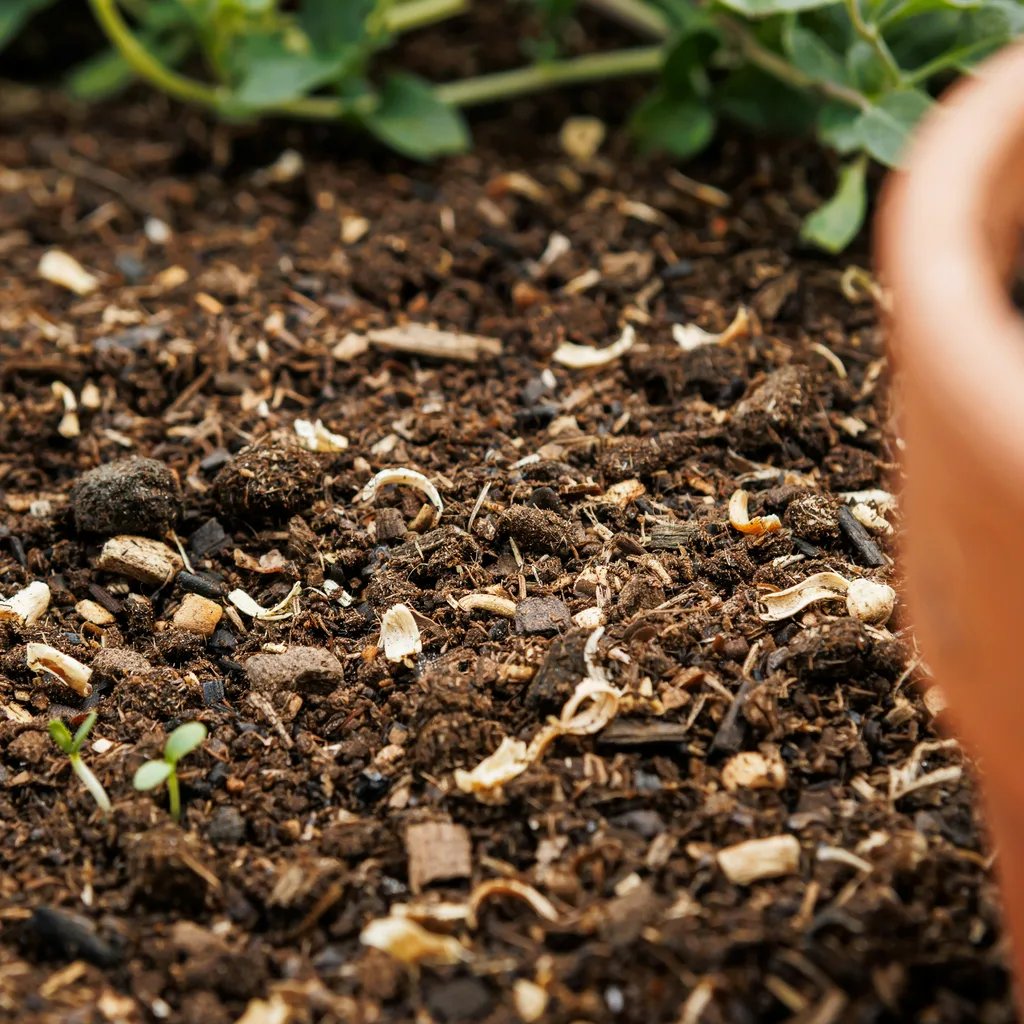
Recognizing the distinctive loose, grainy, coffee-ground soil texture as an indirect sign means noticing soil that’s become genuinely loose and granular, resembling used coffee grounds, in areas where these invasive worms have been actively feeding, an indirect but genuinely useful clue that can indicate jumping worm presence even before directly observing the worms themselves.
Soil texture change offers a genuinely useful indirect identification clue, making it worth checking suspicious garden areas’ soil texture specifically, since this distinctive damage pattern can sometimes be noticed before the worms themselves are directly observed.
No Effective Treatment Exists
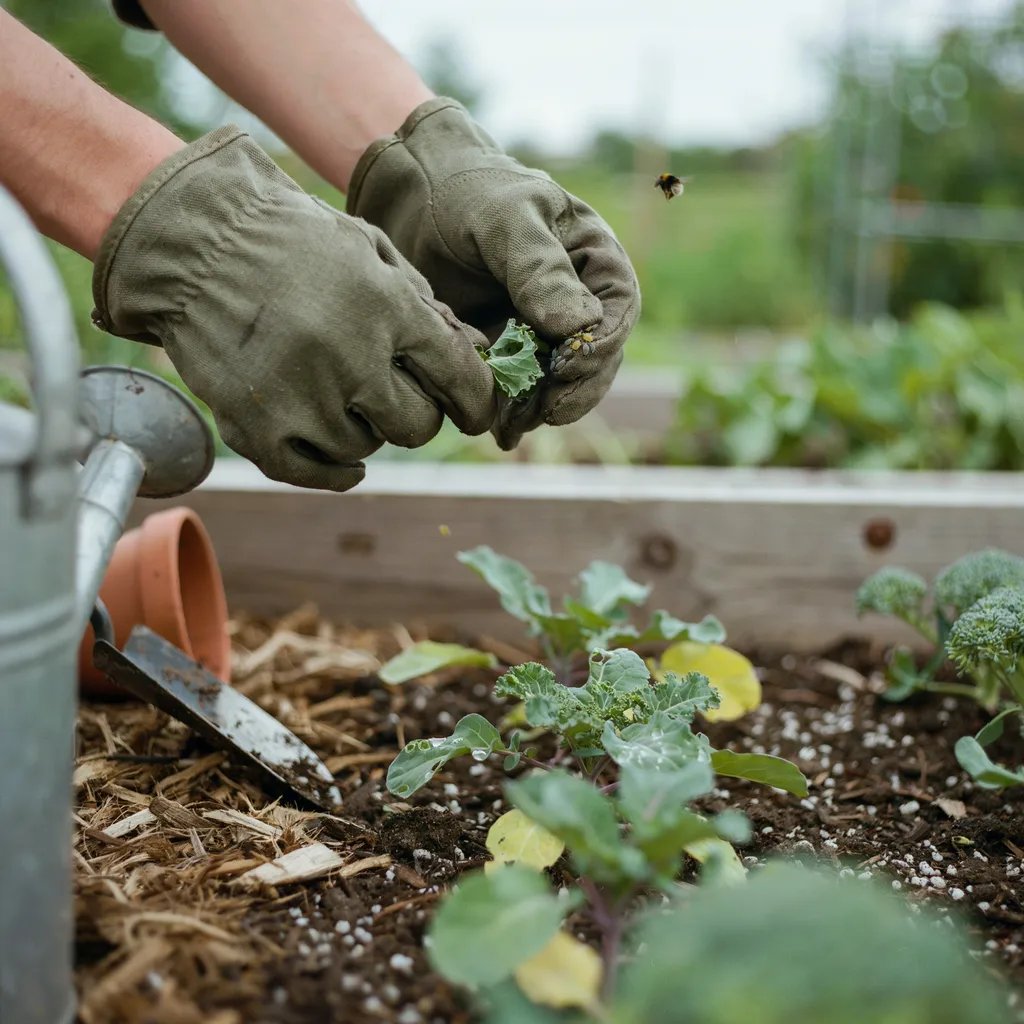
Understanding that no genuinely effective treatment currently exists once established means accepting the difficult reality that, unlike many garden pest problems, there’s currently no reliable chemical or biological control method that effectively eliminates an established jumping worm population, making prevention and containment the realistic focus rather than expecting a treatment-based solution.
The genuine absence of an effective treatment option reshapes realistic expectations for anyone dealing with confirmed jumping worm presence, making prevention of further spread the practical priority rather than pursuing an elimination treatment that doesn’t currently exist.
Preventing Spread Through Careful Plant, Soil, and Mulch Sourcing
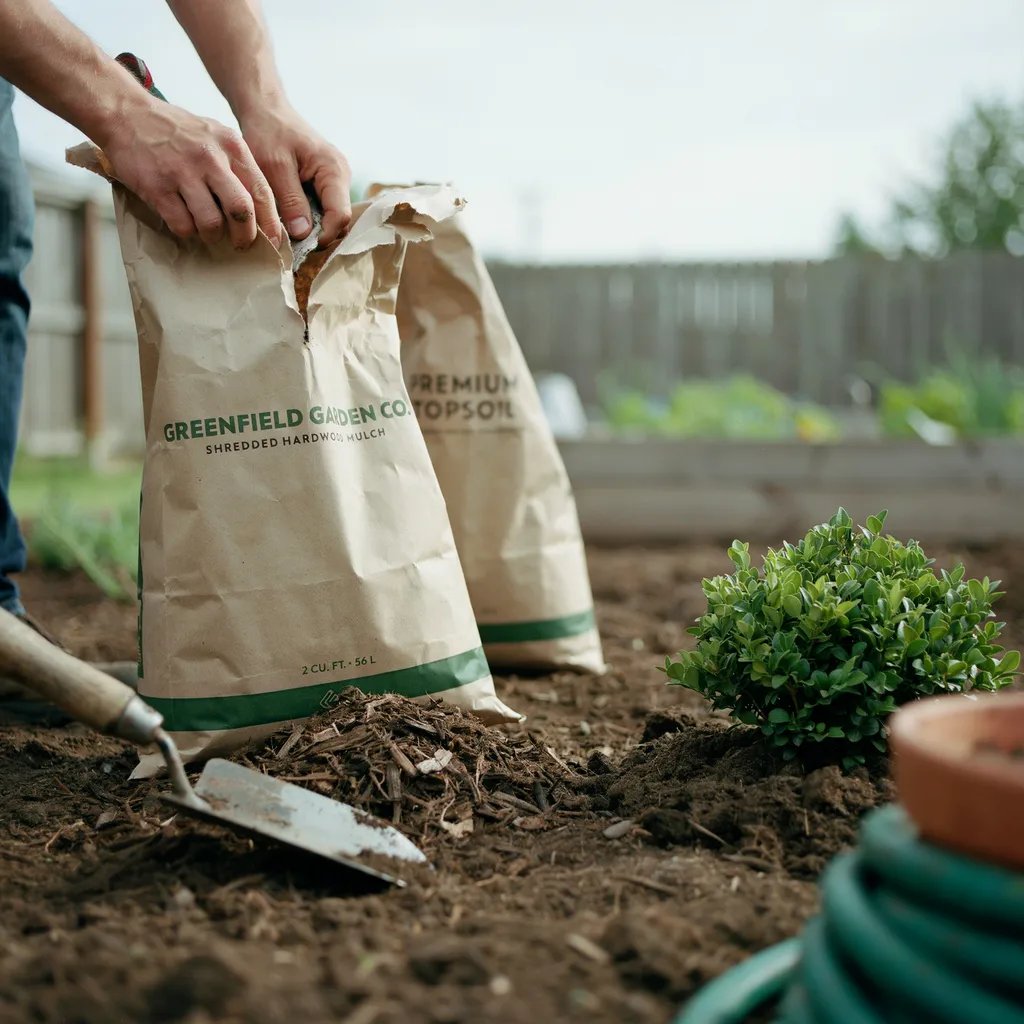
Preventing spread through careful plant, soil, and mulch sourcing means being genuinely cautious about the source of new plants, particularly bare-root or potted plants with attached soil, along with mulch, compost, and soil amendments, since jumping worms and their genuinely resilient cocoons can spread to new areas through exactly these kinds of material transfers between properties.
Source-level prevention genuinely represents the most effective available strategy given the absence of a treatment option, making careful sourcing of plants, soil, and mulch worth prioritizing as the real defense against introducing this invasive species to previously unaffected garden areas.
The Bottom Line
Identifying and managing invasive jumping worms depends on recognizing their distinctive smooth, fully encircling clitellum band and characteristic violent thrashing behavior, distinguishing them from beneficial common earthworms, along with watching for the telltale loose, grainy, coffee-ground soil texture their feeding creates. Since no genuinely effective treatment currently exists for established populations, careful sourcing of plants, soil, mulch, and compost to prevent introduction in the first place represents the most realistic and effective strategy available for protecting a garden from this genuinely destructive invasive species.
Frequently Asked Questions
Can Jumping Worms Survive Cold Winters, or Does Freezing Weather Naturally Control Their Population?
Adult jumping worms genuinely don’t survive winter cold in most climates, but their cocoons are remarkably cold-hardy and reliably survive winter conditions, meaning new worms hatch from these surviving cocoons each spring regardless of how cold the preceding winter was.
Is It Safe to Compost Jumping Worm Cocoons if They’re Accidentally Included in Yard Waste?
Standard home composting temperatures generally aren’t reliably hot enough to destroy jumping worm cocoons, making it genuinely risky to compost soil or plant material from a known infested area without a verified high-heat composting process specifically capable of destroying these resilient cocoons.
How Can I Tell if Newly Purchased Plants From a Nursery Might Be Carrying Jumping Worms or Their Cocoons?
Inspecting the root ball and surrounding soil for the distinctive grainy texture jumping worms create, along with directly checking for the worms or their small, hard-to-spot cocoons, provides some inspection capability, though genuinely confirming a plant is completely free of cocoons is difficult given how small and inconspicuous they are.
Do Jumping Worms Pose Any Direct Danger to Humans or Pets Beyond Their Soil Impact?
No, jumping worms aren’t genuinely dangerous to handle and don’t pose a direct health risk to humans or pets, making their primary concern specifically the ecological and soil structure damage they cause rather than any direct harm from contact.
Can Solarization or Other Soil Heating Methods Effectively Kill Jumping Worms and Their Cocoons in an Infested Garden Bed?
Solarization can genuinely help reduce cocoon viability in soil exposed to sufficiently high, sustained heat, making it a potentially useful tool for smaller, contained areas, though achieving consistently adequate heat throughout an entire larger garden bed remains genuinely challenging.
Are There Any Natural Predators That Genuinely Help Control Jumping Worm Populations?
Some birds and other soil-dwelling predators may consume jumping worms, but no natural predator has been documented to provide meaningful, reliable population control, making biological control currently an unreliable strategy compared with prevention-focused approaches.