Why People Are Replacing Lawns

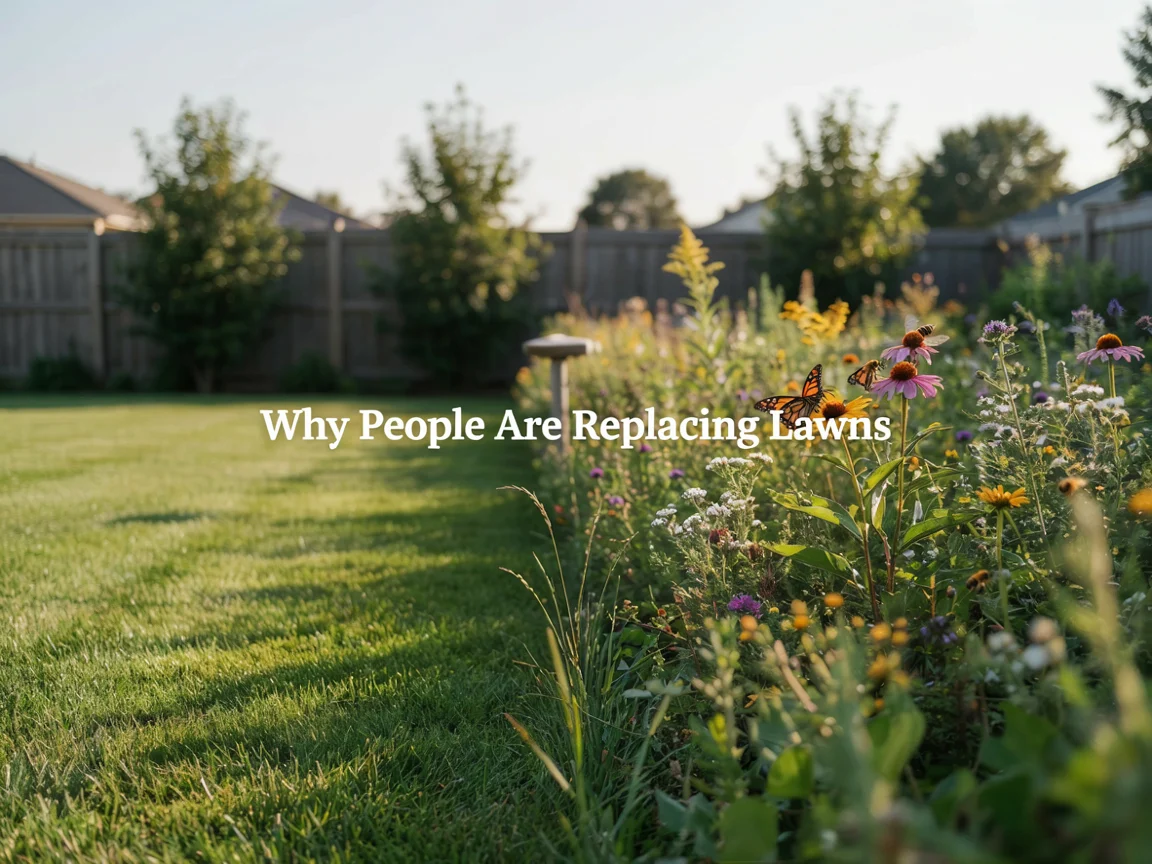
Across neighbourhoods, gardening forums, and social media, a genuine shift is underway: more homeowners are tearing out traditional grass lawns and replacing them with everything from clover to wildflower meadows to simple gravel gardens. What was once considered the default, expected front-yard surface is increasingly being questioned, and the reasons behind that shift are more varied, and more compelling, than a single environmental talking point.
The Cultural Shift Away From the Traditional Lawn
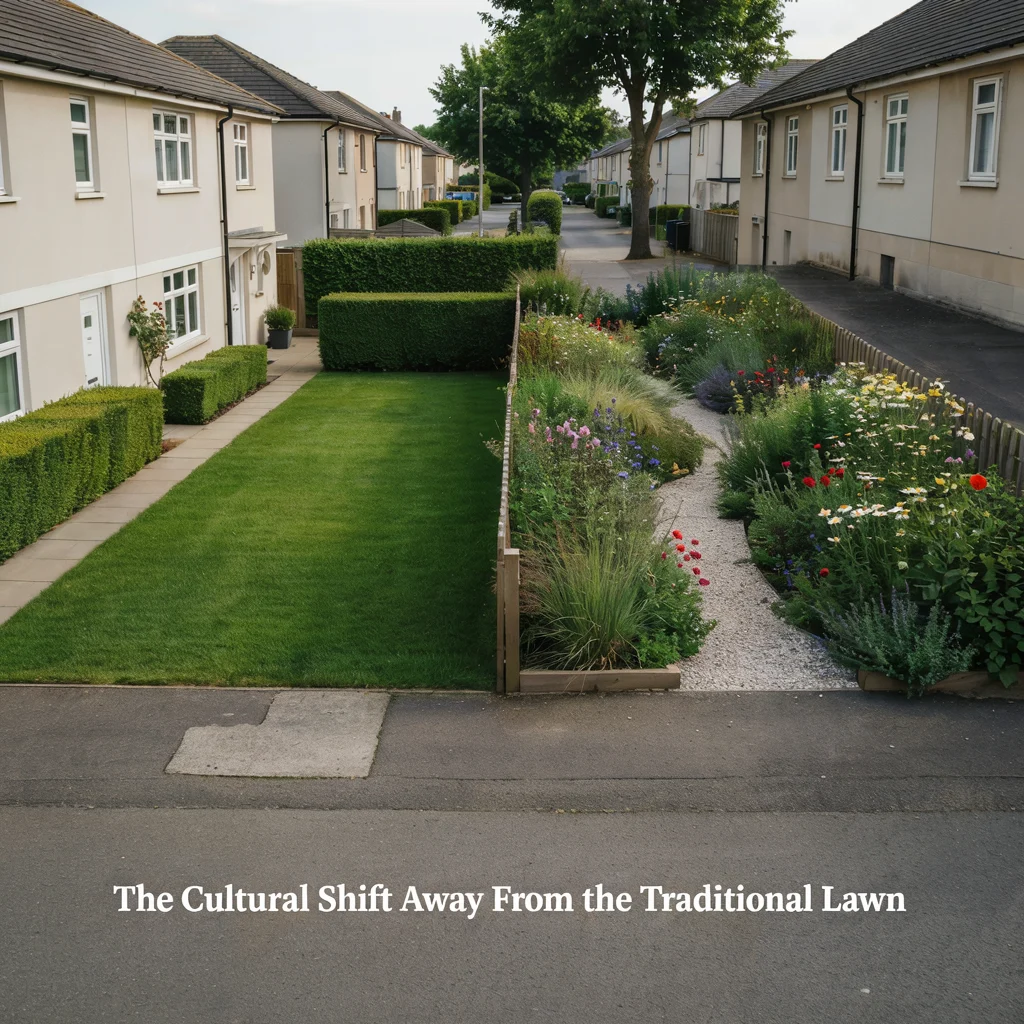
The cultural shift away from the traditional lawn reflects a broader reassessment of what a “well-kept” yard actually means, moving away from decades of assumed default toward a more deliberate, individually reasoned choice about what belongs on residential land.
How the Lawn Became the Default in the First Place
How the lawn became the default in the first place traces back to a mix of post-war suburban development, aspirational associations with wealth and leisure historically tied to manicured turf, and decades of cultural reinforcement through advertising, community norms, and even municipal ordinances requiring maintained grass. Understanding this history helps explain why moving away from lawns can feel like a genuinely significant, even slightly rebellious, decision for many homeowners.
Why That Default Is Now Being Questioned
Why that default is now being questioned comes down to a convergence of factors, including rising environmental awareness, increasing water costs and drought concerns in many regions, and simply more visible examples of attractive lawn alternatives circulating online, making the traditional lawn feel less like an obligation and more like one option among several.
Lawns Are Bad for the Environment in Several Specific Ways
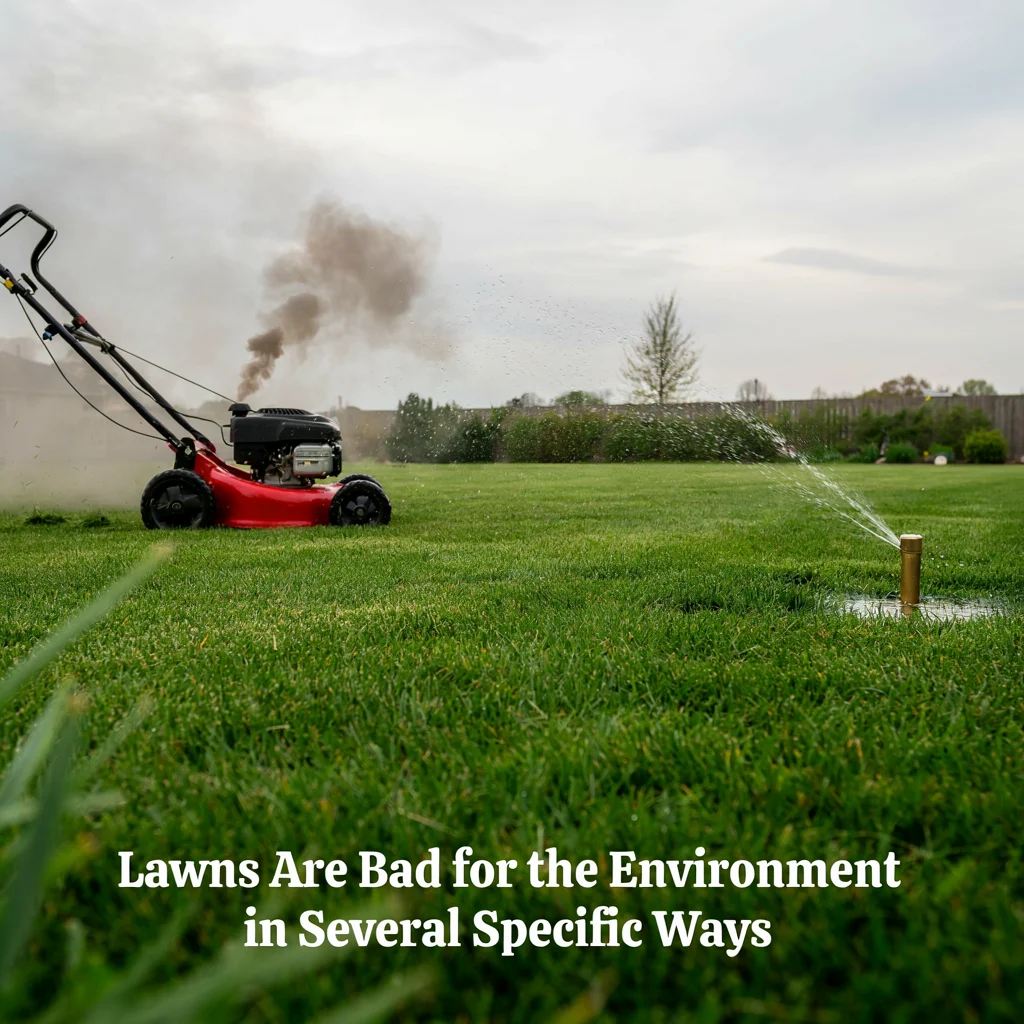
Lawns are bad for the environment in several specific ways that go beyond a vague sense of wastefulness, involving concrete, measurable impacts on water use, chemical runoff, and biodiversity that have become increasingly well documented and widely discussed.
Water Consumption and Drought Pressure
Water consumption and drought pressure represent one of the most cited environmental concerns, since traditional turf grass typically requires significantly more water than most native or adapted landscaping to stay green, a demand that becomes especially difficult to justify in regions facing recurring drought or water restrictions.
Chemical Inputs and Runoff
Chemical inputs and runoff from the fertilizers, herbicides, and pesticides commonly used to maintain a weed-free, uniformly green lawn frequently wash into local waterways, contributing to water quality problems that extend well beyond the boundaries of any individual yard.
Benefits of Grass for Humans That Complicate the Picture
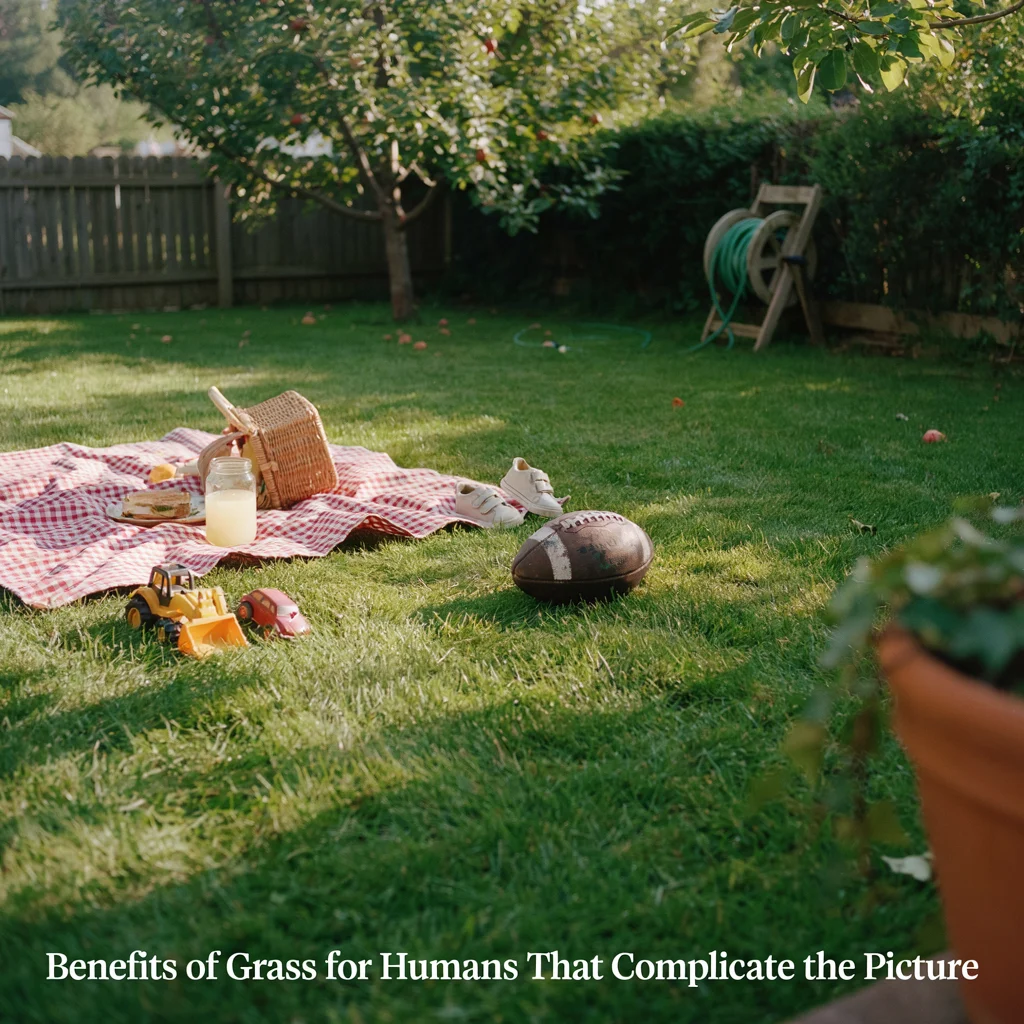
Benefits of grass for humans that complicate the picture are worth acknowledging honestly, since the case against lawns isn’t entirely one-sided, and turf grass does offer some genuine practical and psychological value that helps explain why the lawn became so culturally entrenched in the first place.
Practical Uses Turf Grass Still Serves Well
Practical uses turf grass still serves well include a soft, resilient surface for children’s play, pets, and casual outdoor recreation that many lawn alternatives, particularly gravel or dense ground cover, don’t replicate as comfortably or as durably under repeated foot traffic.
Psychological and Aesthetic Associations
Psychological and aesthetic associations with a neat, green lawn, tied to feelings of order, care, and belonging within a neighbourhood, remain genuinely meaningful to many homeowners, which is part of why the shift away from lawns tends to happen gradually and thoughtfully rather than as a sudden, universal rejection.
The Strange Appeal of Garden Lawns Historically
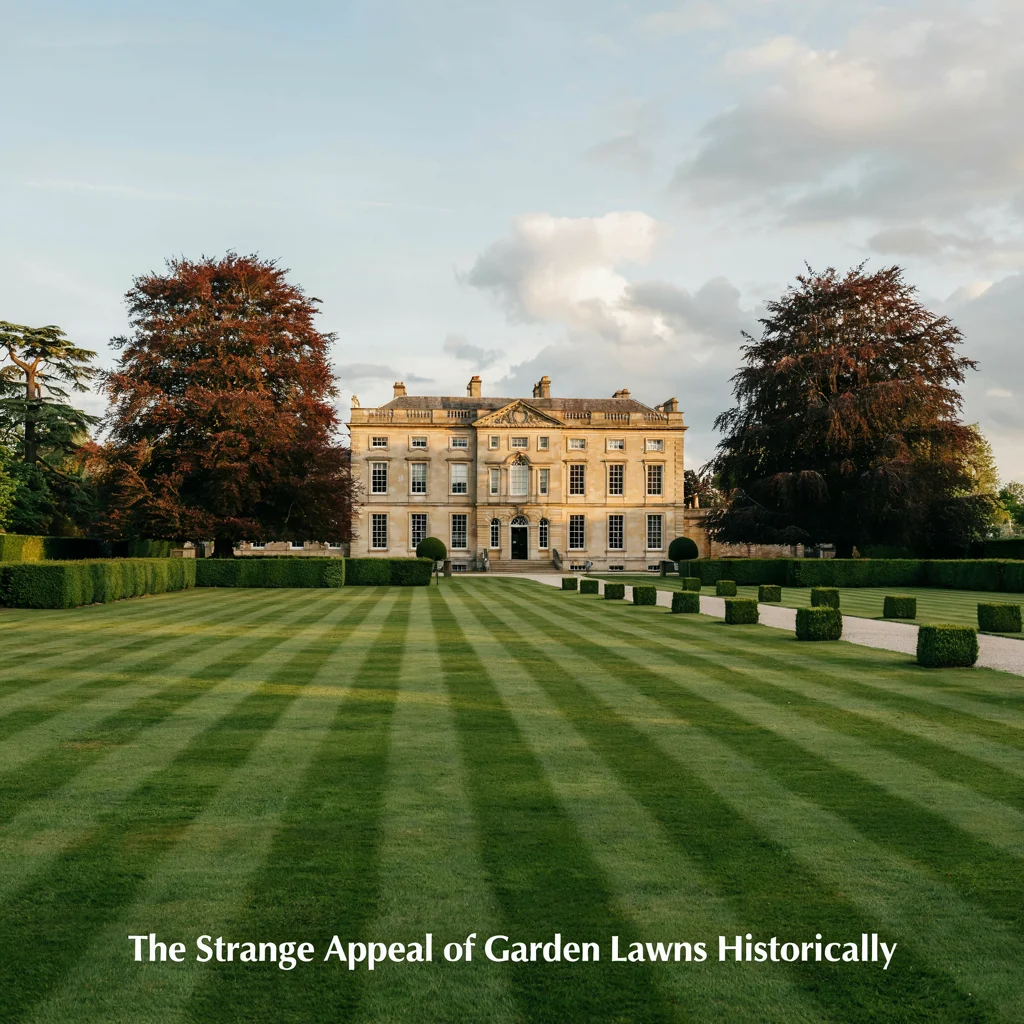
The strange appeal of garden lawns historically lies in how thoroughly a fairly resource-intensive, ecologically limited surface became not just accepted but actively aspirational, a pattern worth examining to understand why letting go of that ideal can feel surprisingly difficult for some homeowners.
Lawns as a Historical Status Symbol
Lawns as a historical status symbol originated among wealthy landowners who could afford the labour required to maintain closely cropped grass purely for appearance rather than agricultural use, a luxury association that later filtered down into suburban middle-class culture as lawn care became more mechanized and accessible.
The Persistence of the Manicured Ideal
The persistence of the manicured ideal, despite growing awareness of its environmental costs, reflects how deeply embedded certain aesthetic norms become once established, reinforced by decades of neighbourhood expectation, real estate conventions, and even homeowner association rules in many communities.
Why People Are Replacing Lawns According to Online Communities
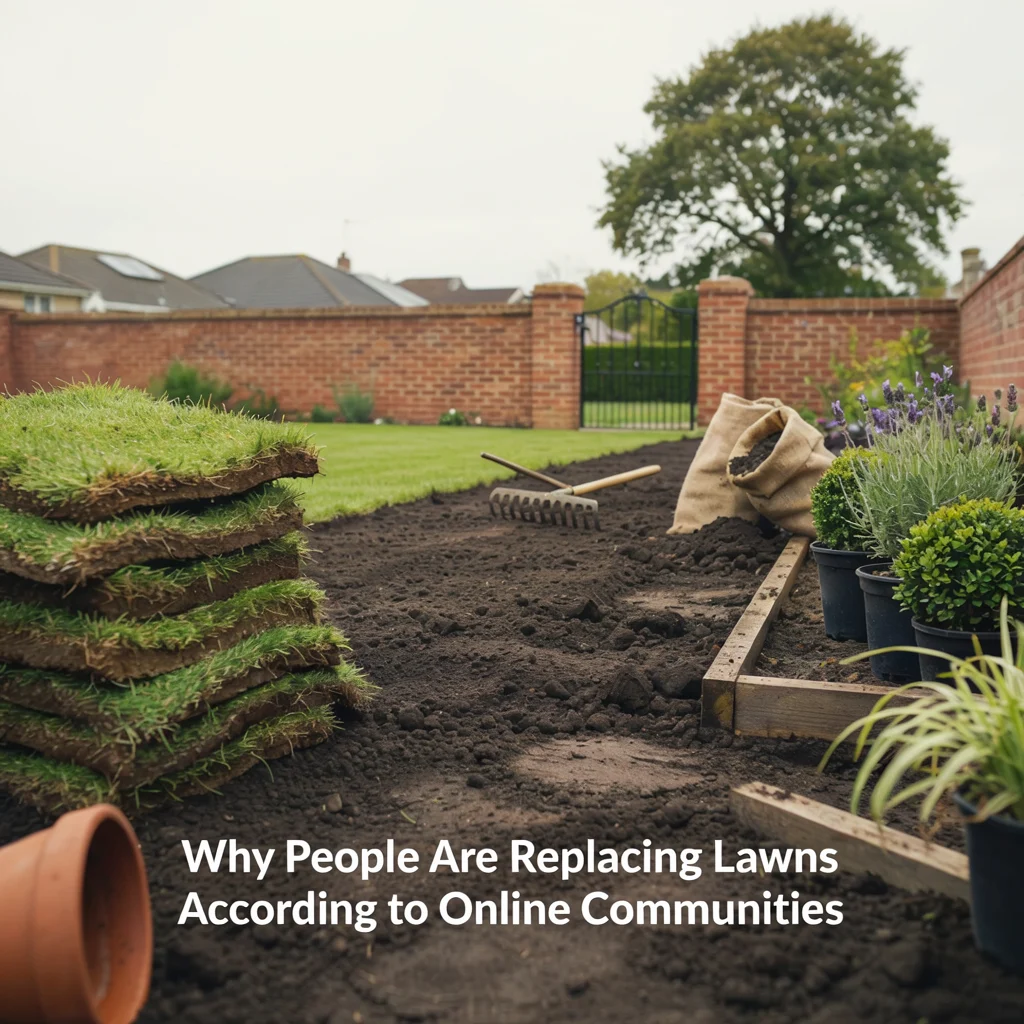
Why people are replacing lawns according to online communities, including discussions on platforms like Reddit, reveals recurring, consistent themes across a genuinely wide range of individual homeowners sharing their own specific motivations and experiences.
Common Themes Across Online Lawn-Replacement Discussions
Common themes across online lawn-replacement discussions include frustration with the time commitment of regular mowing, a desire to reduce or eliminate pesticide and fertilizer use, and a growing interest in supporting local pollinators, appearing repeatedly across forums, comment sections, and social media threads dedicated to the topic.
The Role of Community Validation in the Decision
The role of community validation in the decision shouldn’t be underestimated, since seeing other homeowners share successful, attractive lawn-free transformations online provides both practical inspiration and reassurance that a lawn-free yard can still look intentional and cared-for rather than neglected.
Reduced Maintenance and Cost as a Practical Driver
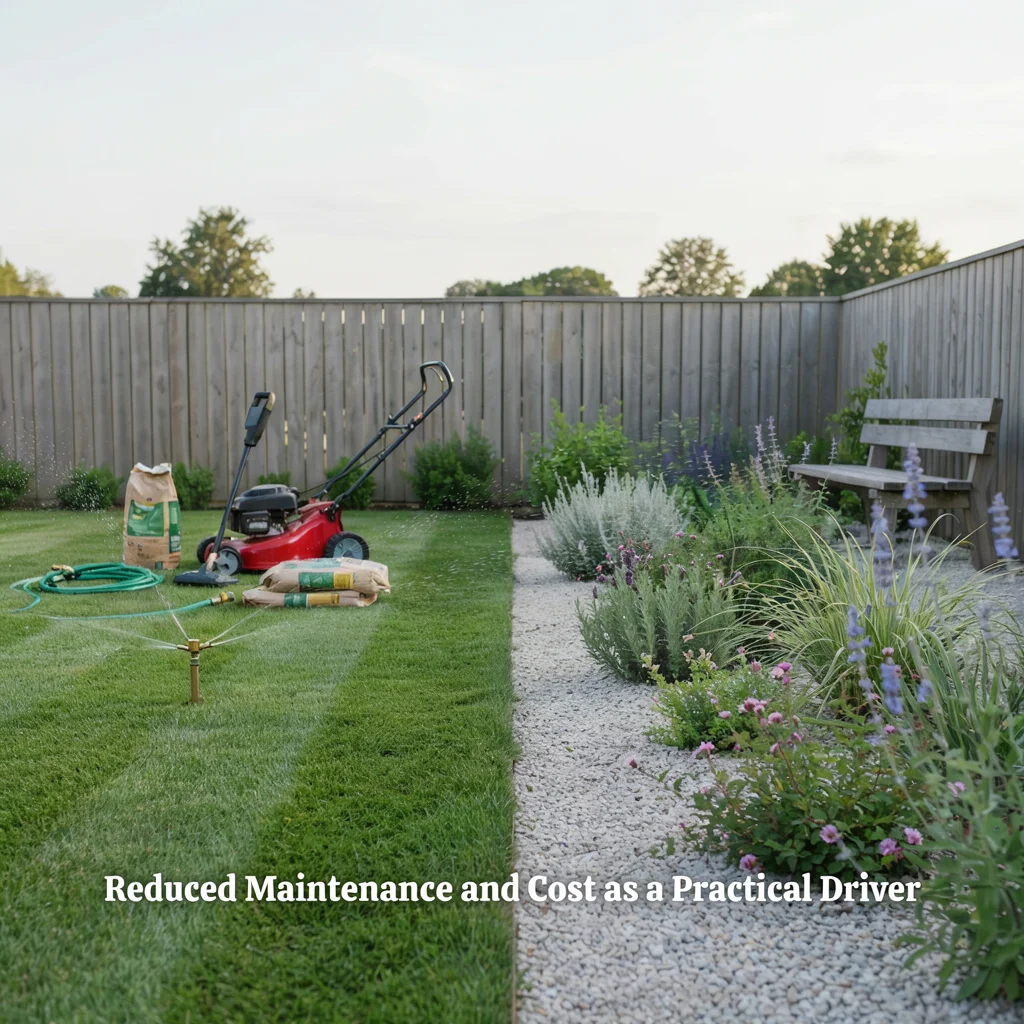
Reduced maintenance and cost as a practical driver often motivates homeowners just as strongly as environmental concerns, since the ongoing time and expense of mowing, watering, and feeding a traditional lawn adds up considerably over a full growing season.
The True Time Cost of Traditional Lawn Care
The true time cost of traditional lawn care, including weekly mowing during peak growing months, regular edging, and seasonal fertilizing or overseeding, represents a genuinely significant ongoing commitment that many homeowners are increasingly unwilling to sustain, particularly as other demands on their time increase.
Comparing Long-Term Costs of Lawn Versus Alternatives
Comparing long-term costs of lawn versus alternatives typically favours lower-maintenance ground covers or native plantings once established, since these options generally require less water, no regular mowing, and considerably less ongoing chemical input than a traditional lawn demands to stay looking its best.
Biodiversity and Pollinator Support as a Growing Motivation
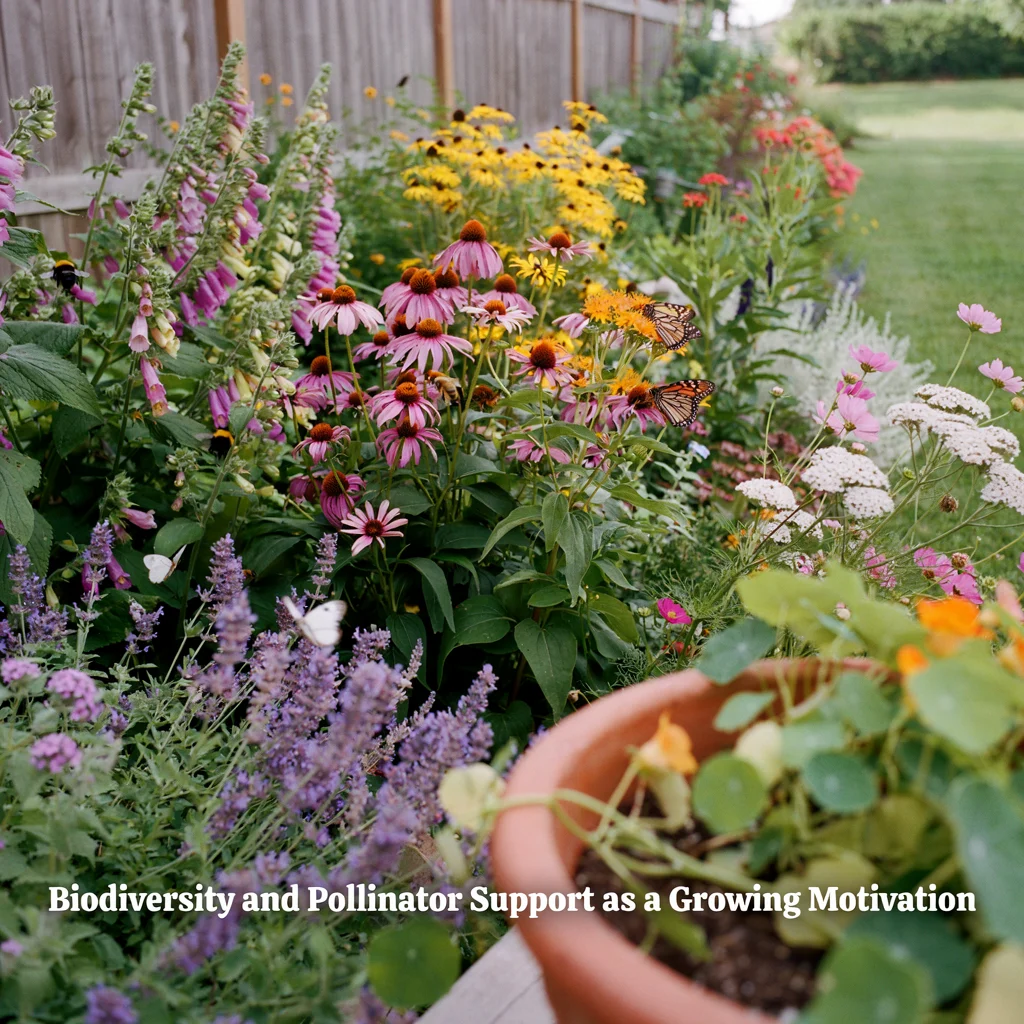
Biodiversity and pollinator support as a growing motivation reflects increasing public awareness of declining pollinator populations and the relatively limited ecological value a monoculture grass lawn actually provides compared with more diverse planting.
Why a Grass Monoculture Offers Limited Ecological Value
Why a grass monoculture offers limited ecological value comes down to the fact that closely mown turf grass provides little to no food or habitat for pollinators, beneficial insects, or birds, functioning ecologically closer to a green desert than a genuinely living landscape despite its visual lushness.
How Lawn Alternatives Support Local Wildlife
How lawn alternatives support local wildlife varies by specific choice, but wildflower meadows, native plantings, and even a flowering clover lawn all provide considerably more foraging and habitat value than traditional turf, directly supporting the kind of pollinator populations many homeowners have become genuinely concerned about.
Clover Lawn as a Popular Middle-Ground Alternative
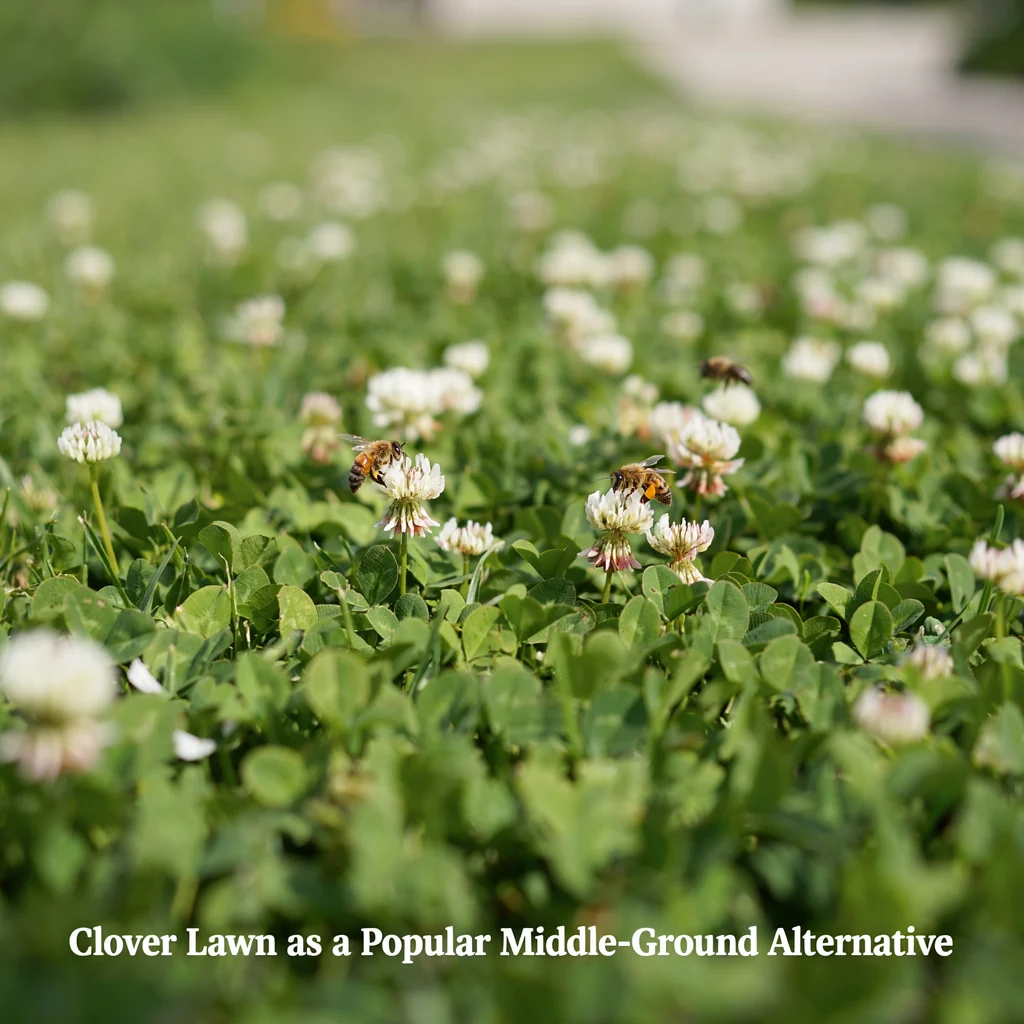
Clover lawn as a popular middle-ground alternative has become one of the most frequently adopted lawn replacements specifically because it offers many of turf grass’s practical benefits, like a soft, walkable surface, while requiring considerably less water and maintenance.
Why Clover Appeals to Lawn-Replacement Beginners
Why clover appeals to lawn-replacement beginners lies in its relatively familiar, grass-like appearance combined with genuinely reduced care requirements, making it feel like a lower-risk first step for homeowners not yet ready to commit to a more dramatically different alternative like a full wildflower meadow.
Practical Considerations Before Switching to Clover
Practical considerations before switching to clover include its tendency to attract bees during flowering, which some households with young children or bee allergies weigh carefully, along with the fact that clover can spread into neighbouring garden beds if not managed with some form of edging or boundary.
Other Common Lawn Alternatives Worth Knowing About
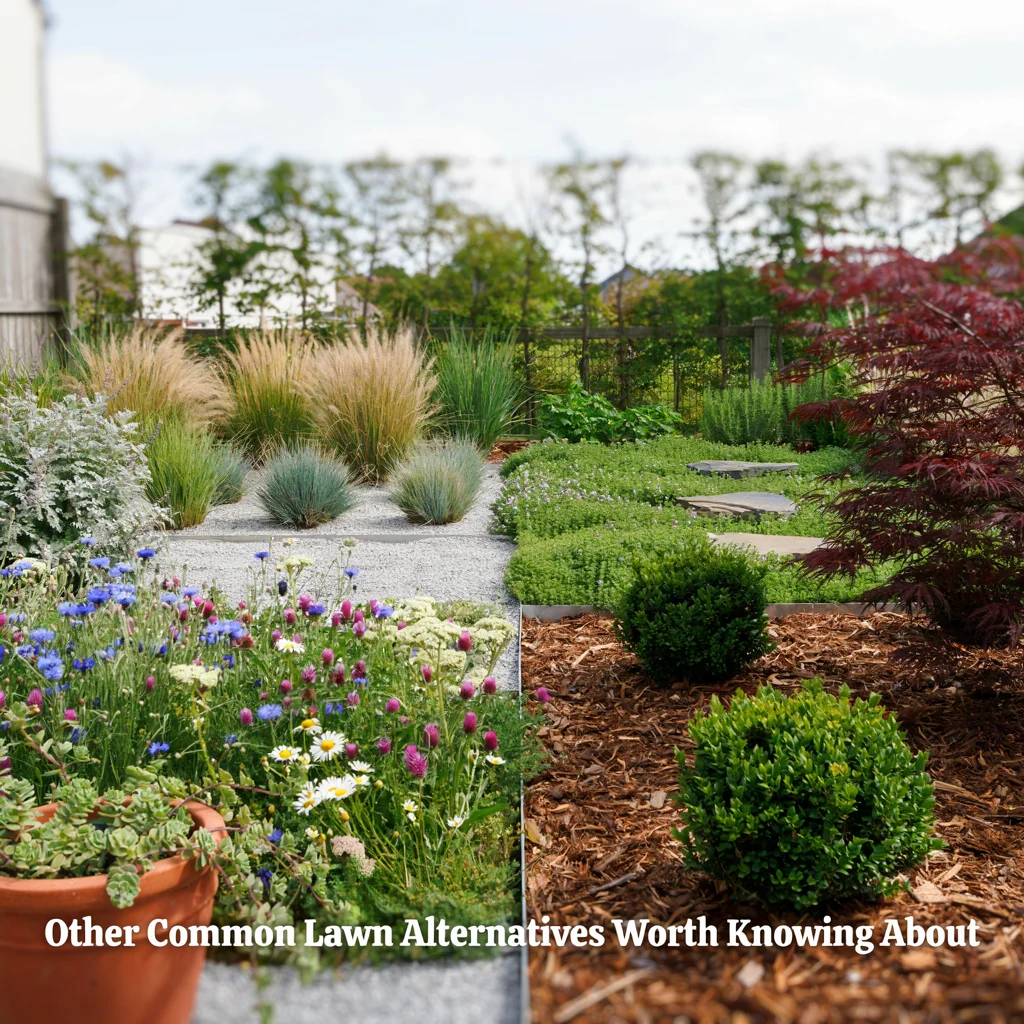
Other common lawn alternatives worth knowing about extend well beyond clover, giving homeowners a genuinely wide range of options depending on their climate, aesthetic preference, and how much of their yard they’re ready to convert.
Wildflower Meadows and Native Plantings
Wildflower meadows and native plantings offer the strongest ecological payoff among common lawn alternatives, supporting a genuinely diverse range of pollinators and requiring minimal irrigation once established, though they typically demand more patience during the initial establishment period than a simpler ground cover.
Gravel, Mulch, and Xeriscape-Style Options
Gravel, mulch, and xeriscape-style options suit particularly dry climates or homeowners wanting an essentially maintenance-free surface, trading some of the ecological value of a living ground cover for near-total elimination of watering, mowing, and ongoing plant care.
Should I Get Rid of My Lawn? A Decision Framework
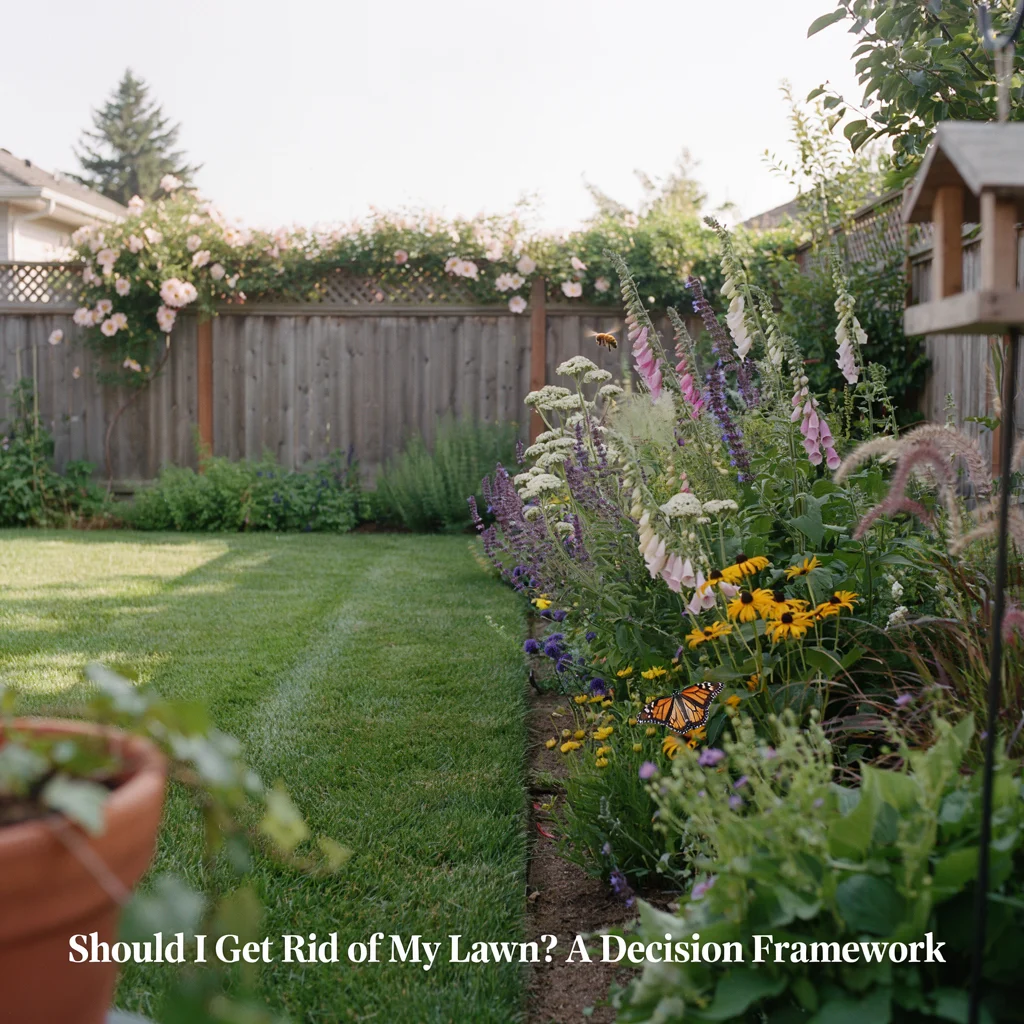
Should I get rid of my lawn? A decision framework helps homeowners weigh their specific situation rather than following the trend simply because it’s increasingly popular, since the right choice genuinely depends on climate, household needs, and personal priorities.
Questions Worth Asking Before Removing a Lawn
Questions worth asking before removing a lawn include how much the space is actually used for active recreation like children’s play or pet activity, whether local water restrictions or costs make a traditional lawn increasingly impractical, and how much time and budget are realistically available for an alternative’s establishment period.
Partial Conversion as a Lower-Risk Starting Point
Partial conversion as a lower-risk starting point, replacing just a section of an existing lawn rather than the entire yard at once, lets homeowners test an alternative’s practical performance and their own satisfaction with the look before committing to a full-scale replacement.
Readers planning this often also look at Why Lilacs Should Be Pruned Right After Blooming and Woodland Gardens With Lawns For Shade Lovers: Practical Ideas.
Frequently Asked Questions
Why are people replacing their lawns?
People are replacing their lawns for a combination of environmental and practical reasons, including concerns about water consumption and chemical runoff, a desire to reduce the time and cost of regular mowing and maintenance, and a growing interest in supporting local pollinators through more diverse, ecologically valuable planting. Online communities discussing the trend consistently highlight these same themes across a wide range of individual homeowner experiences.
Are lawns actually bad for the environment?
Traditional lawns carry genuine environmental costs, including significantly higher water consumption than most native or adapted landscaping and chemical runoff from fertilizers, herbicides, and pesticides commonly used to maintain them. At the same time, turf grass does offer some practical benefits, like a durable surface for children’s play, that help explain why the shift away from lawns tends to happen gradually rather than as a sudden universal rejection.
What is the easiest lawn alternative to switch to?
Clover lawn is generally considered one of the easiest lawn alternatives to switch to, since it offers a familiar, grass-like appearance and a soft, walkable surface while requiring considerably less water and maintenance than traditional turf. It’s often recommended as a lower-risk first step for homeowners not yet ready to commit to a more dramatically different option like a full wildflower meadow.
Should I get rid of my whole lawn or just part of it?
Whether to remove a whole lawn or just part of it depends on how the space is currently used and how confident you feel about a given alternative’s look and performance. Converting just a section of an existing lawn first is a lower-risk way to test an alternative’s practical maintenance and your own satisfaction with the result before committing to replacing the entire yard.
Do lawn alternatives actually save money compared to traditional grass?
Lawn alternatives generally do save money over the long term compared to traditional grass, since most require less water, no regular mowing, and considerably less ongoing chemical input once established. The main cost trade-off is typically upfront, since establishing an alternative like a wildflower meadow or native planting bed can require more initial investment and patience than simply maintaining an existing lawn.