
Woodland Gardens For Zone 5 Shade Design: Cold-Hardy Ideas

The most common mistake I see Zone 5 shade gardeners make is falling in love with a plant in a photograph from a milder climate and then watching it die over the first hard winter. I made exactly this mistake myself early on, planting a gorgeous shade border I had admired in a coastal garden magazine, only to find half of it had turned to mush by April after a winter that hit minus eighteen. The plants had been beautiful and completely wrong for my climate. That brutal lesson taught me that successful Zone 5 woodland shade design is a discipline of two constraints working together, not one: every plant has to survive both the deep cold of a Zone 5 winter and the low light of a shaded woodland position. Once I started selecting only for that double qualification — cold-hardy and shade-tolerant — my shade gardens stopped dying and started thriving. The good news, which I now tell every Zone 5 gardener, is that the list of plants that meet both conditions is far longer and more beautiful than most people expect, and a well-designed Zone 5 woodland shade garden can be every bit as lush and enchanting as one in a gentler climate.
Woodland gardens for Zone 5 shade design combine cold-hardy, shade-tolerant plant selection — hostas, astilbe, bleeding heart, native ferns, trilliums, Solomon’s seal, and epimedium — with layered naturalistic planting and intentional design that maximizes light and seasonal interest, creating a beautiful, thriving woodland garden that withstands both the deep cold of Zone 5 winters and the low light of a shaded setting. The Zone 5 approach gives the woodland garden plants proven to survive temperatures of minus twenty Fahrenheit, while the shade design provides the layered structure, light maximization, and naturalistic beauty that make a cold-climate shade garden genuinely lush and rewarding.
Over the years I have designed and planted woodland shade gardens throughout Zone 5 conditions, from compact shaded backyards to large gardens beneath mature cold-climate tree canopy. I have learned through trial and hard winters exactly which plants reliably combine cold hardiness with shade tolerance, and I have created layered Zone 5 shade designs of real beauty and ecological value. In this article I am sharing the best Zone 5 woodland shade design ideas covering the dual challenge, plant selection, native species, layered design, structure, and low-maintenance care.
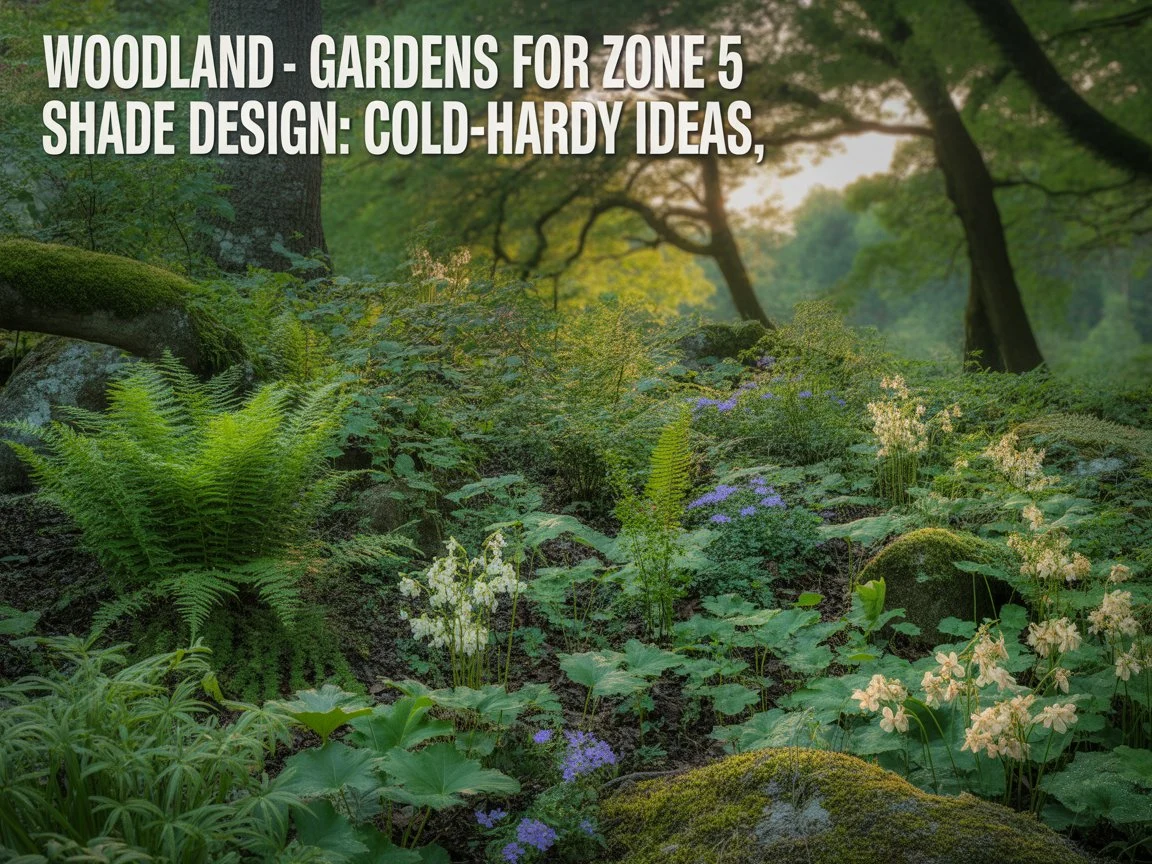
[Image: lush Zone 5 woodland shade garden with hostas, ferns, and native woodland planting]
Understanding the Zone 5 Shade Design Challenge
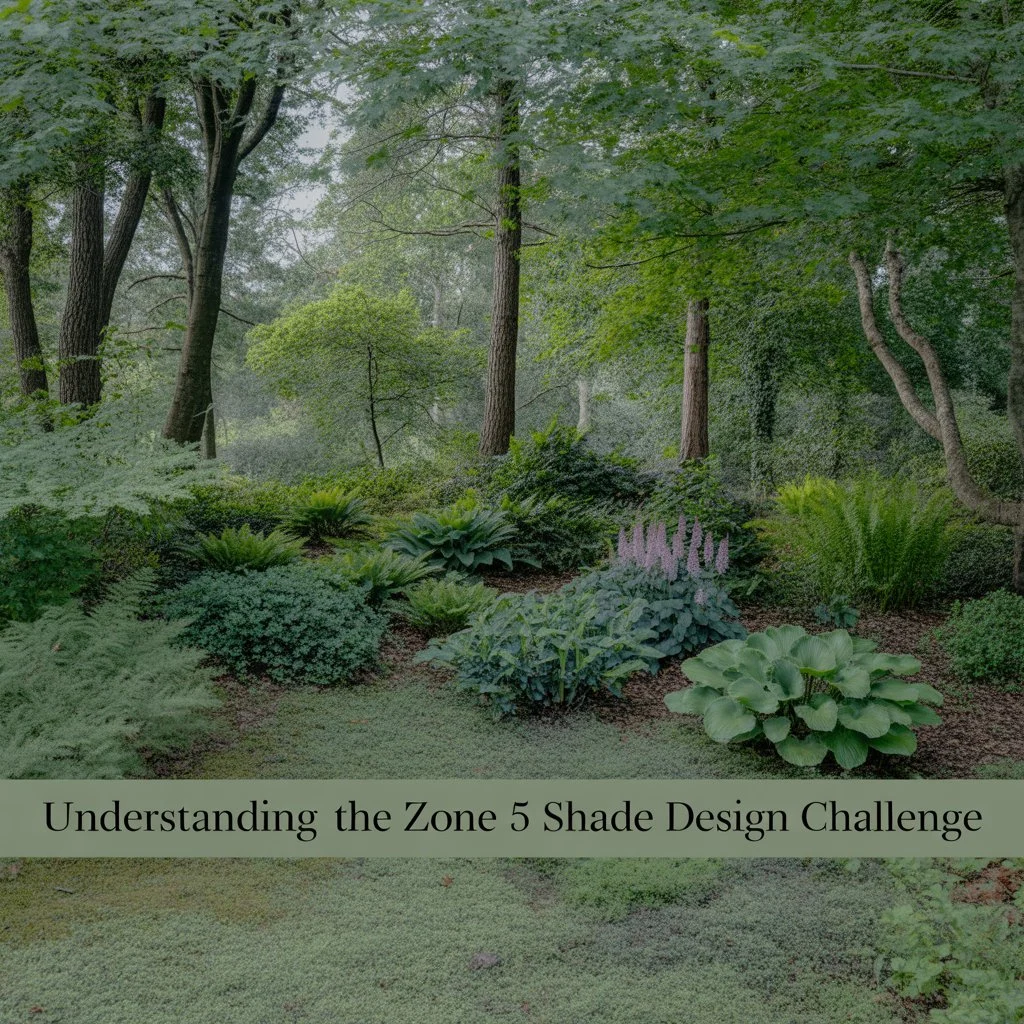
Understanding the Zone 5 shade design challenge is the essential foundation, because designing a successful woodland garden here means addressing two constraints at once — the cold hardiness demanded by Zone 5 winters and the low light of a shaded setting. I always begin Zone 5 shade design by establishing this dual challenge, because the single biggest factor in success is selecting plants that satisfy both conditions together, since a plant that thrives in shade but cannot survive a Zone 5 winter, or vice versa, will always fail.
The Dual Constraints of Zone 5 Shade
Cold hardiness, shade tolerance, and the overlap of both are three constraints suited to Zone 5 shade design. Cold hardiness to Zone 5 minimums of minus twenty Fahrenheit is essential for winter survival. Shade tolerance is essential for plants to thrive in the low light of a woodland setting. The overlap of both, selecting only plants that satisfy each condition, is the precise requirement that defines successful Zone 5 shade design.
Designing Within Zone 5 Conditions
Hardiness verification, shade assessment, and matched selection are three approaches suited to designing within Zone 5 conditions. Hardiness verification, confirming every plant is reliably hardy to Zone 5, prevents winter losses. Shade assessment of the actual light levels guides which shade-tolerant plants will thrive. Matched selection, choosing only plants that meet both the hardiness and shade requirements, ensures a thriving woodland garden.
Cold-Hardy Shade Perennials for Zone 5
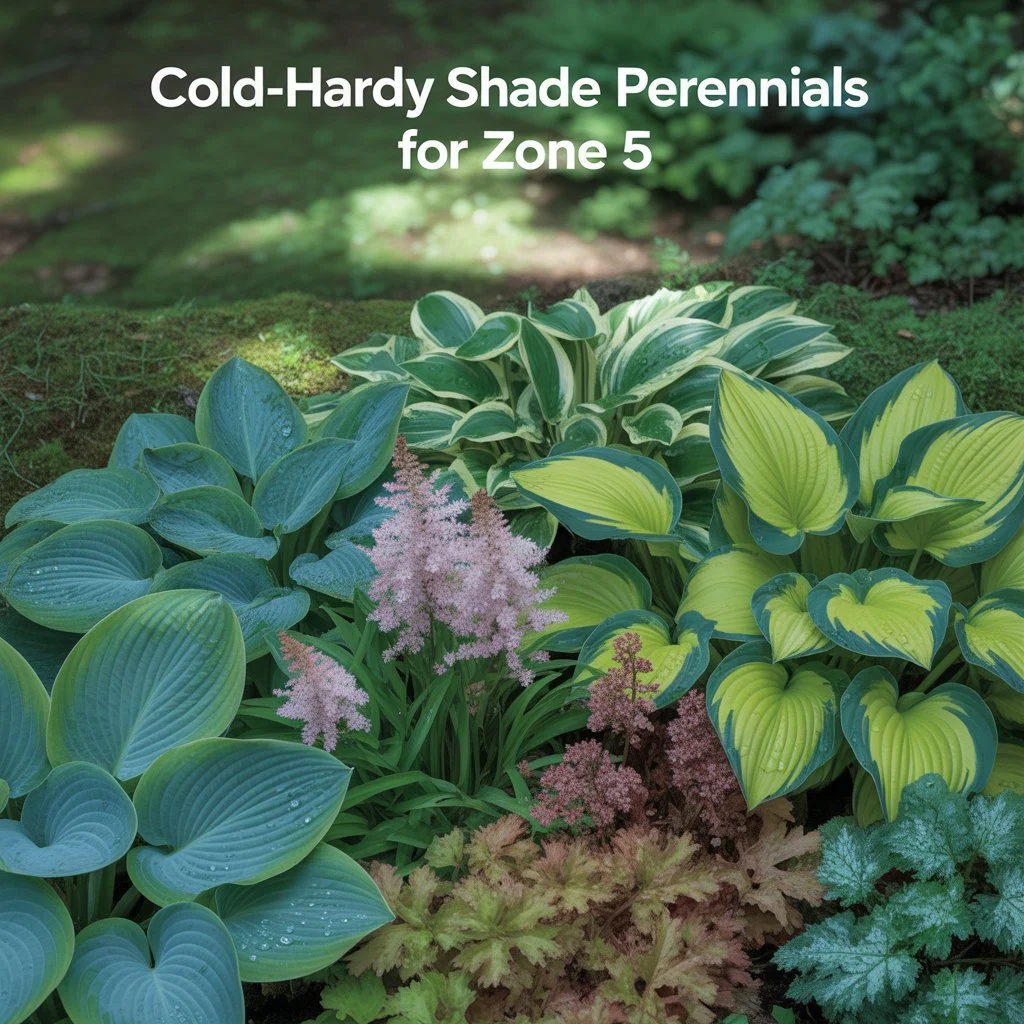
Cold-hardy shade perennials for Zone 5 are the heart of the woodland shade garden, providing the lush foliage and flowers that clothe the shaded floor while reliably surviving Zone 5 winters. I build every Zone 5 shade garden around a core of proven cold-hardy shade perennials, because these reliable plants provide the main planting of the woodland floor, combining genuine Zone 5 hardiness with the shade tolerance and beauty that make a cold-climate shade garden lush and rewarding.
Reliable Zone 5 Shade Perennials
Hosta, Astilbe, and Dicentra are three reliable shade perennials suited to Zone 5. Hosta provides bold, varied foliage that thrives in Zone 5 shade and forms the backbone of the planting. Astilbe provides feathery flower plumes in moist Zone 5 shade for soft colour. Dicentra, bleeding heart, provides arching stems of distinctive flowers in spring, reliably hardy and shade-loving in Zone 5.
Choosing Perennials for Zone 5 Shade
Verified hardiness, shade suitability, and seasonal interest are three considerations suited to choosing Zone 5 shade perennials. Verified hardiness to Zone 5 ensures winter survival. Shade suitability matched to the light level ensures the perennials thrive. Seasonal interest across the chosen perennials provides changing beauty through the Zone 5 growing season.
Native Ferns for Zone 5 Woodland Shade
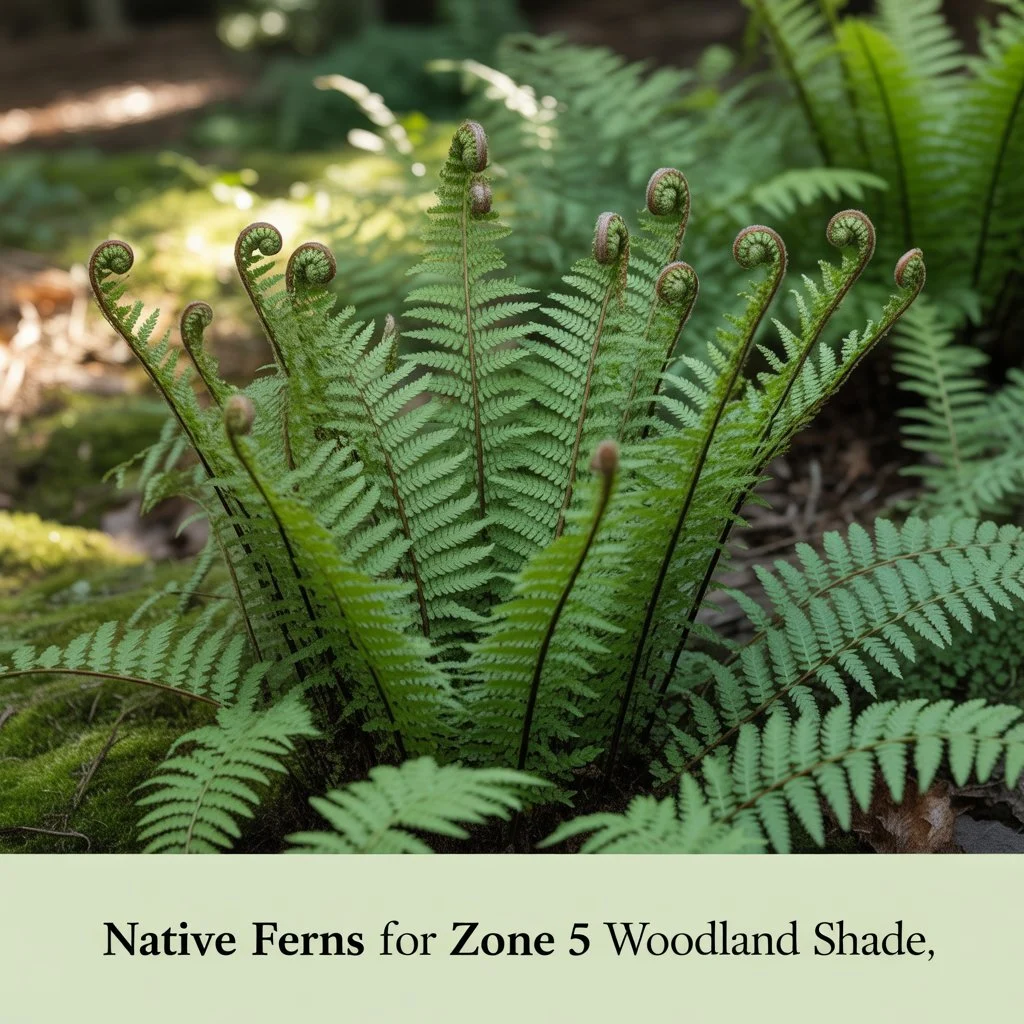
Native ferns for Zone 5 woodland shade provide lush, textural, reliably hardy ground structure that defines the woodland floor and thrives in cold-climate shaded conditions. I plant native ferns generously in every Zone 5 shade garden, because cold-hardy native ferns provide the quintessential woodland floor texture while being perfectly adapted to both the shade and the Zone 5 climate, offering reliable beauty with the authenticity of native planting.
Hardy Native Ferns for Zone 5
Ostrich fern, lady fern, and Christmas fern are three native ferns suited to Zone 5 woodland shade. Ostrich fern (Matteuccia struthiopteris) provides tall, vase-shaped fronds and spreads to colonize moist Zone 5 shade. Lady fern (Athyrium filix-femina) provides delicate, finely divided fronds in cold-climate shade. Christmas fern (Polystichum acrostichoides) is evergreen and reliably hardy, providing year-round structure in the Zone 5 woodland.
Using Native Ferns in Design
Mass planting, textural contrast, and naturalistic drifts are three approaches suited to using native ferns. Mass planting of native ferns creates dense, reliable woodland cover. Textural contrast between ferns and bolder foliage like hostas adds richness. Naturalistic drifts of native ferns through the planting create the authentic, layered Zone 5 woodland floor.
Trilliums and Native Woodland Wildflowers
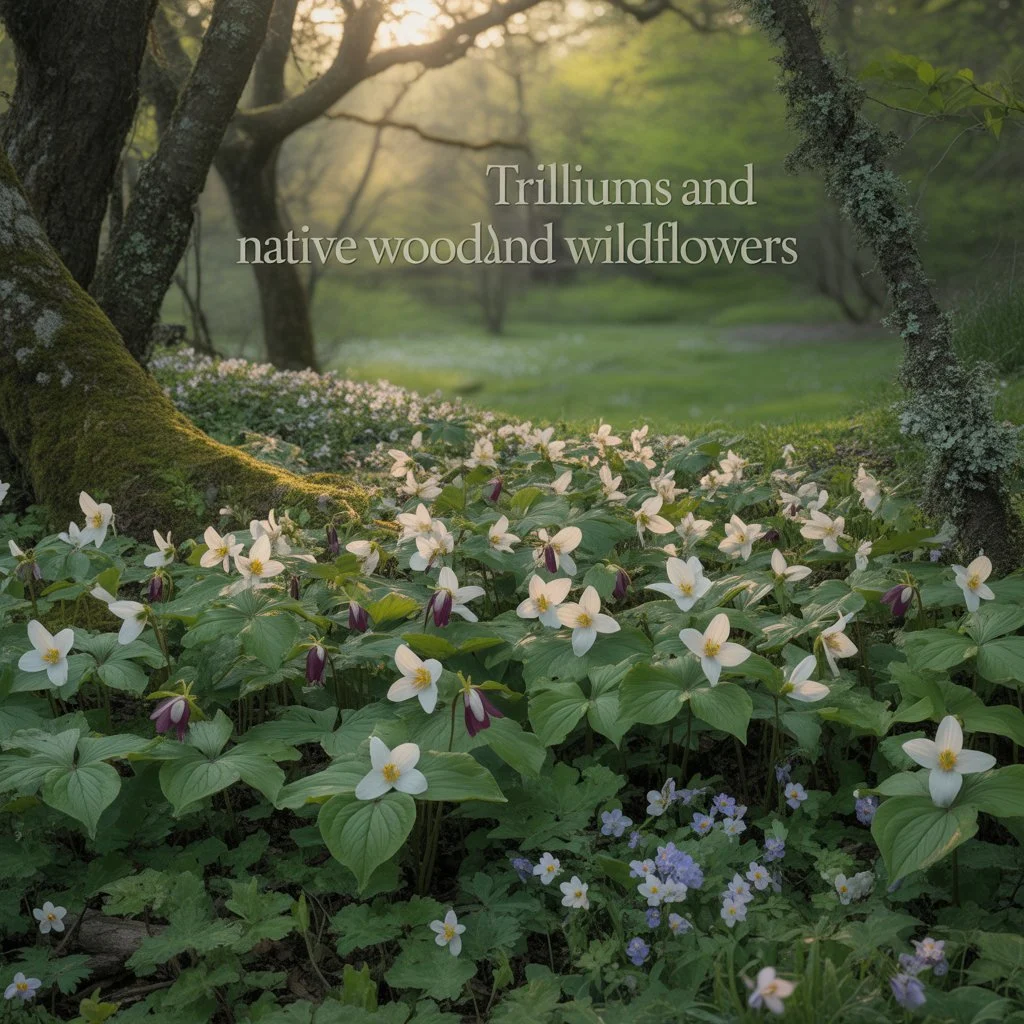
Trilliums and native woodland wildflowers bring the magical spring displays of the native woodland to the Zone 5 shade garden, using cold-hardy native wildflowers that flower before the canopy leafs out. I treasure trilliums and native wildflowers in Zone 5 shade gardens, because these cold-hardy native treasures provide the most enchanting spring displays of the woodland floor, flowering in the cool spring of Zone 5 before the canopy closes and embodying the authentic beauty of the native woodland.
Native Wildflowers for Zone 5 Shade
Trillium, Mertensia virginica, and Sanguinaria canadensis are three native wildflowers suited to Zone 5 shade. Trillium produces distinctive three-petaled spring flowers in cold-climate woodland shade. Mertensia virginica, Virginia bluebells, produces nodding blue spring flowers that naturalize in Zone 5 woodland. Sanguinaria canadensis, bloodroot, produces early white spring flowers, a cold-hardy native treasure of the woodland floor.
Naturalizing Native Wildflowers
Planting in drifts, suitable conditions, and patient establishment are three approaches suited to naturalizing native wildflowers. Planting in naturalistic drifts creates the spring carpet effect. Suitable conditions of woodland shade and good soil support the native wildflowers. Patient establishment, allowing the often slow-spreading natives to settle and increase, develops the magical spring display over the years.
Solomon’s Seal and Arching Foliage Plants
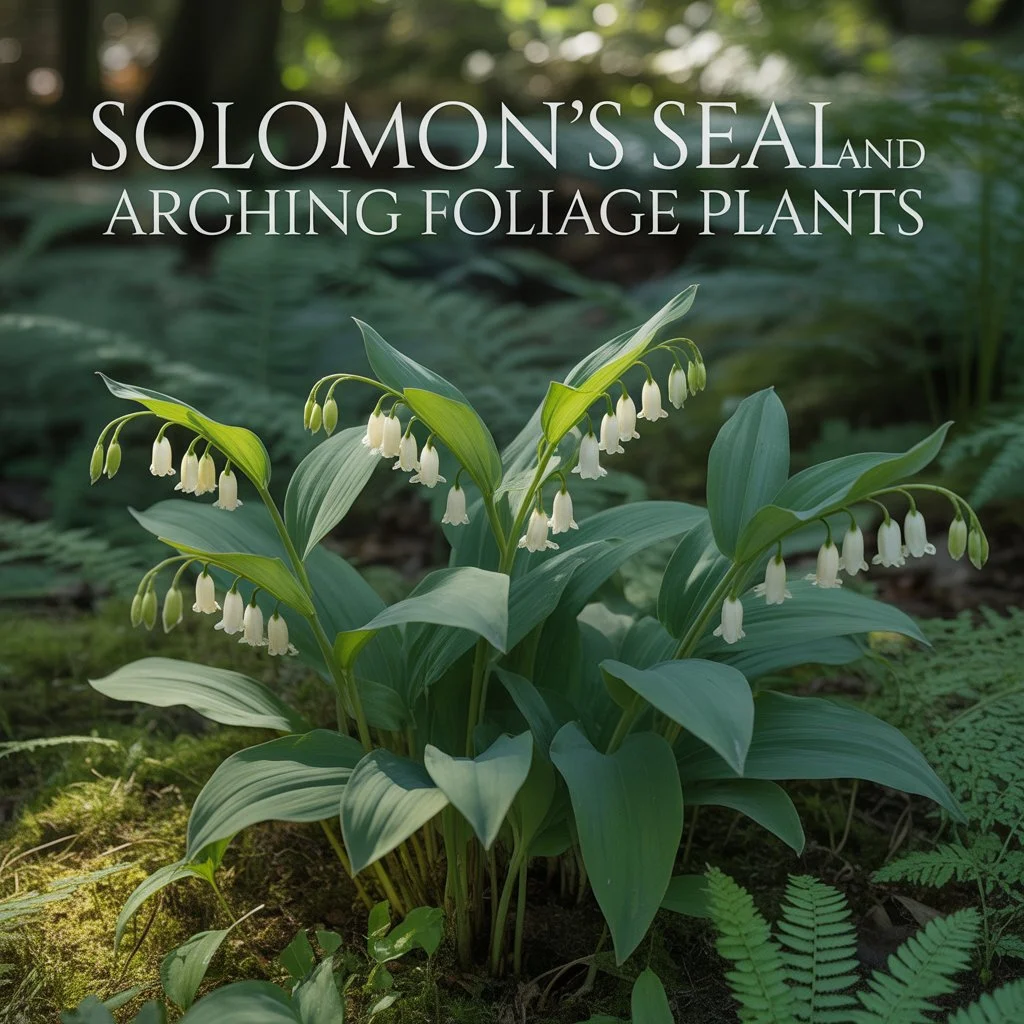
Solomon’s seal and arching foliage plants provide elegant, structural form to the Zone 5 shade garden, their arching stems adding graceful movement and architectural interest to the woodland floor. I use Solomon’s seal and similar arching plants in Zone 5 shade gardens, because their elegant arching form provides a distinctive structural quality that lifts the woodland planting, combining cold hardiness and shade tolerance with a graceful presence unlike the mounded forms of many shade perennials.
Arching Foliage Plants for Zone 5
Polygonatum, Smilacina, and arching ferns are three arching plants suited to Zone 5 shade. Polygonatum, Solomon’s seal, provides elegant arching stems hung with spring flowers, reliably hardy and shade-loving. Smilacina, false Solomon’s seal, provides similar arching form with plume flowers. Arching ferns add further graceful movement, together providing the distinctive arching structure of the Zone 5 woodland floor.
Using Arching Form in Design
Structural placement, contrast with mounds, and graceful movement are three approaches suited to using arching form. Structural placement of arching plants provides architectural accents in the planting. Contrast with mounded plants like hostas creates dynamic variation. Graceful movement from the arching stems adds a sense of elegance and flow to the Zone 5 shade design.
Epimedium and Hardy Shade Ground Cover
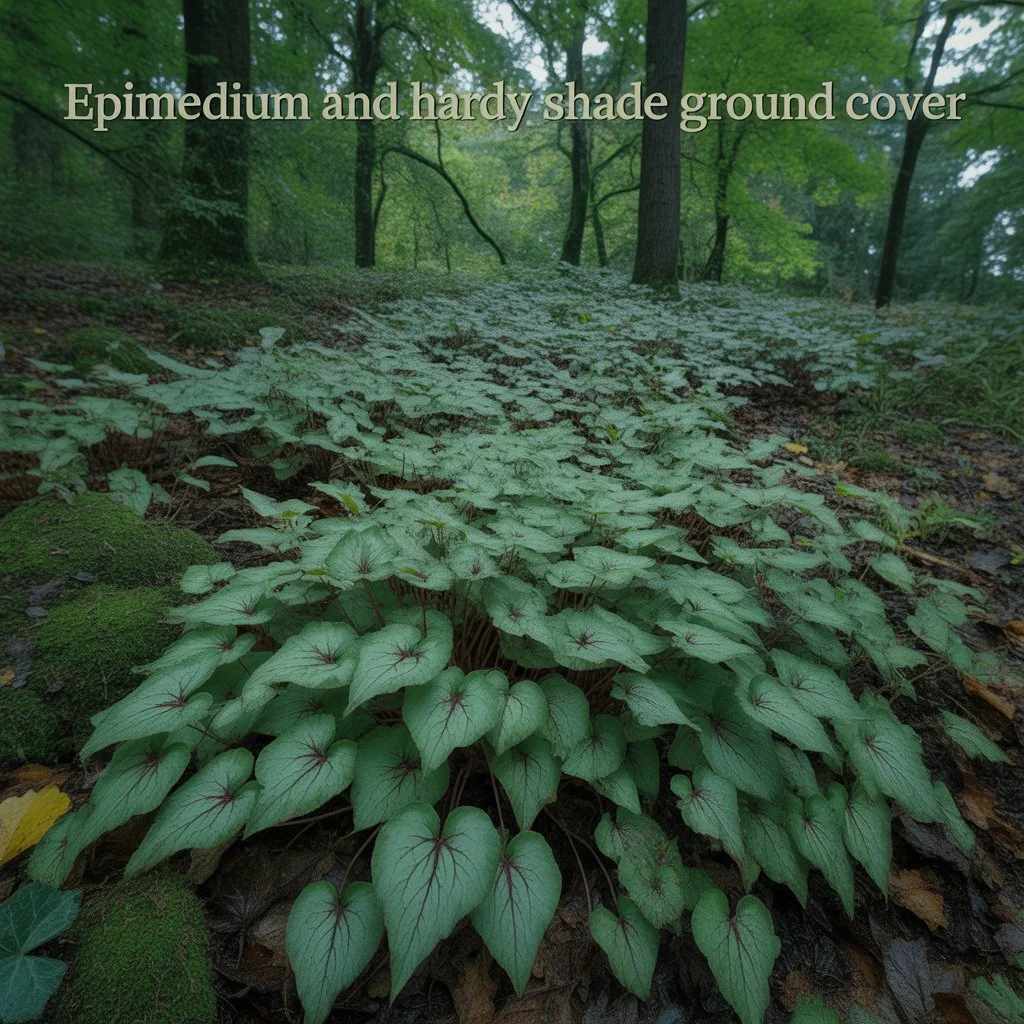
Epimedium and hardy shade ground cover clothe the Zone 5 woodland floor in dense, weed-suppressing cover that survives cold winters and thrives in shade, providing the essential ground layer of the design. I use epimedium and other hardy ground covers as the floor layer of every Zone 5 shade garden, because these tough, cold-hardy, shade-tolerant plants both suppress weeds and complete the layered woodland planting, providing reliable ground cover in the demanding Zone 5 shaded conditions.
Hardy Ground Covers for Zone 5 Shade
Epimedium, Galium odoratum, and Tiarella are three hardy ground covers suited to Zone 5 shade. Epimedium provides dense, weed-suppressing cover tolerant of dry Zone 5 shade and cold winters. Galium odoratum, sweet woodruff, provides a spreading fragrant carpet hardy in Zone 5. Tiarella, foam flower, provides native ground cover with delicate spring flowers, reliably hardy and shade-loving.
Establishing Ground Cover in Zone 5
Dense planting, cold-hardy selection, and establishment care are three practices suited to establishing Zone 5 ground cover. Dense planting speeds the formation of the weed-suppressing carpet. Cold-hardy selection ensures the ground cover survives Zone 5 winters. Establishment care through the first seasons helps the ground cover take hold before facing the full demands of the cold-climate shaded conditions.
Cold-Hardy Shade Shrubs for Structure
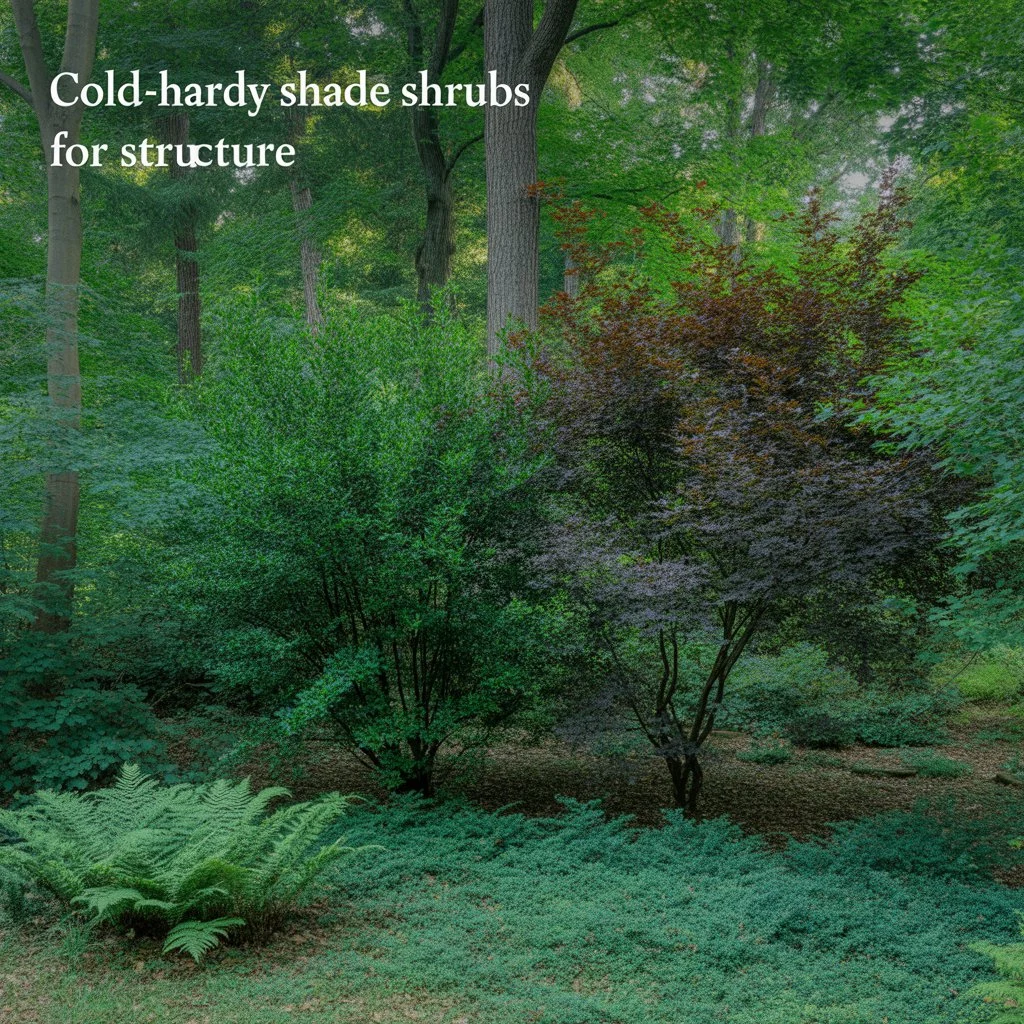
Cold-hardy shade shrubs for structure provide the woody middle layer of the Zone 5 woodland garden, adding height, permanence, and seasonal interest with shrubs that tolerate both shade and cold. I build the structural framework of Zone 5 shade gardens with cold-hardy shade shrubs, because they provide the essential understorey layer between the canopy and the ground plants, adding the height and woody permanence that give the woodland its layered structure while withstanding Zone 5 winters.
Shade Shrubs for Zone 5
Viburnum, native Hydrangea, and Cornus are three cold-hardy shade shrubs suited to Zone 5. Viburnum provides reliable cold-hardy structure with flowers and berries in Zone 5 shade. Native Hydrangea varieties, such as smooth hydrangea, provide flowering structure in partial shade and Zone 5 hardiness. Cornus, dogwood, provides structure, flowers, and winter stem interest, reliably hardy in the cold climate.
Placing Structural Shrubs
Understorey layering, key positions, and seasonal interest are three approaches suited to placing structural shrubs. Understorey layering positions shrubs between the canopy and ground plants to build the woodland structure. Key positions anchor the design with structural presence. Seasonal interest from the shrubs’ flowers, berries, and form provides changing appeal through the Zone 5 year.
Layered Planting Design for Zone 5 Woodland
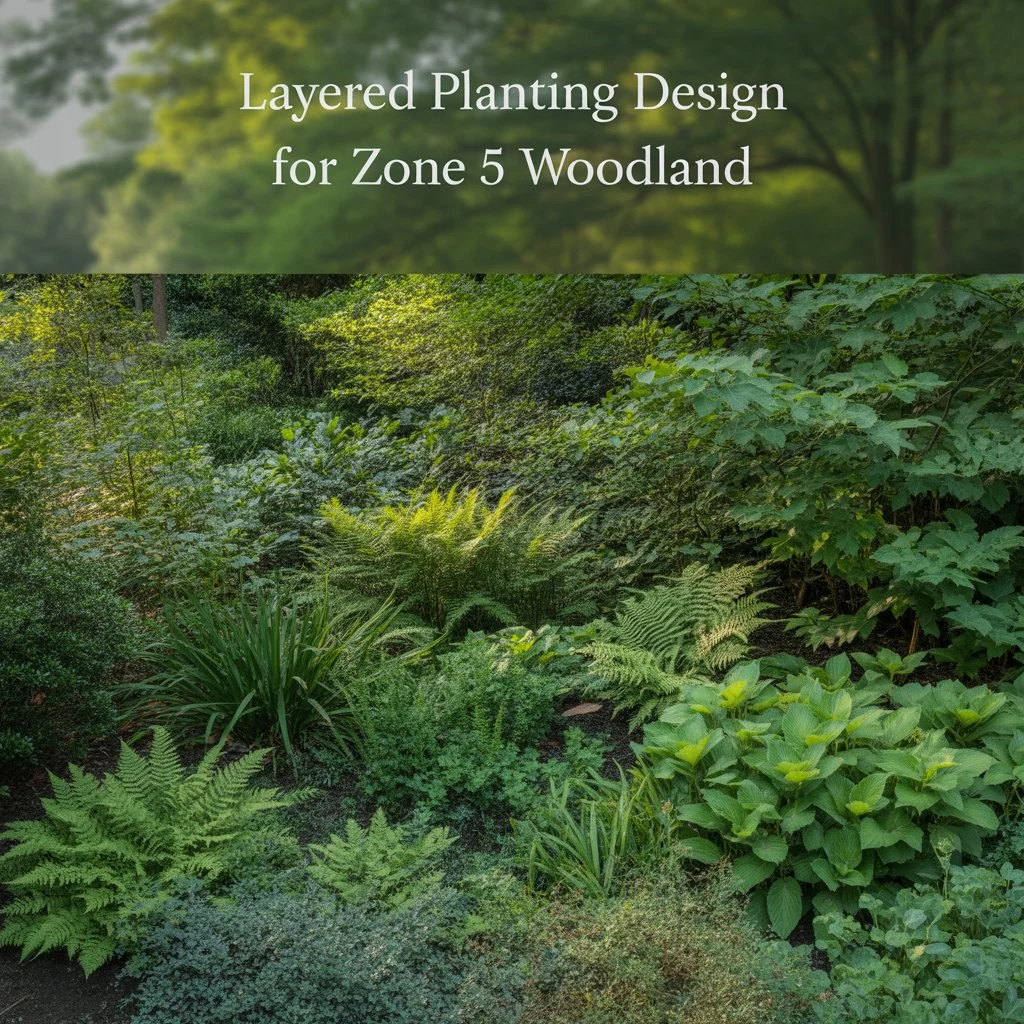
Layered planting design for Zone 5 woodland builds the garden in the layers of a natural woodland — canopy, understorey, ground layer, and bulbs — using cold-hardy shade plants at each level to create depth, structure, and ecological richness. I design every Zone 5 shade garden as a layered community, because the vertical layering of a natural woodland both creates visual depth and provides the niches that support biodiversity, achieved with plants selected for both Zone 5 hardiness and shade tolerance at each layer.
The Layers of a Zone 5 Woodland
A canopy layer, an understorey and ground layer, and a bulb layer are three layers suited to a Zone 5 woodland. A canopy layer of cold-hardy trees provides the overhead shade structure. An understorey and ground layer of shade shrubs, perennials, and ferns fills the middle and floor. A bulb layer of cold-hardy spring bulbs provides early seasonal flowers, together creating the full layered Zone 5 woodland.
Designing Layered Depth
Vertical structure, intermingled drifts, and textural variation are three approaches suited to designing layered depth. Vertical structure through the layers creates the depth of a real woodland. Intermingled drifts of plants flowing into one another read as a natural community. Textural variation between bold and fine foliage across the layers builds the rich, layered Zone 5 woodland floor.
Maximizing Light in a Zone 5 Shade Garden
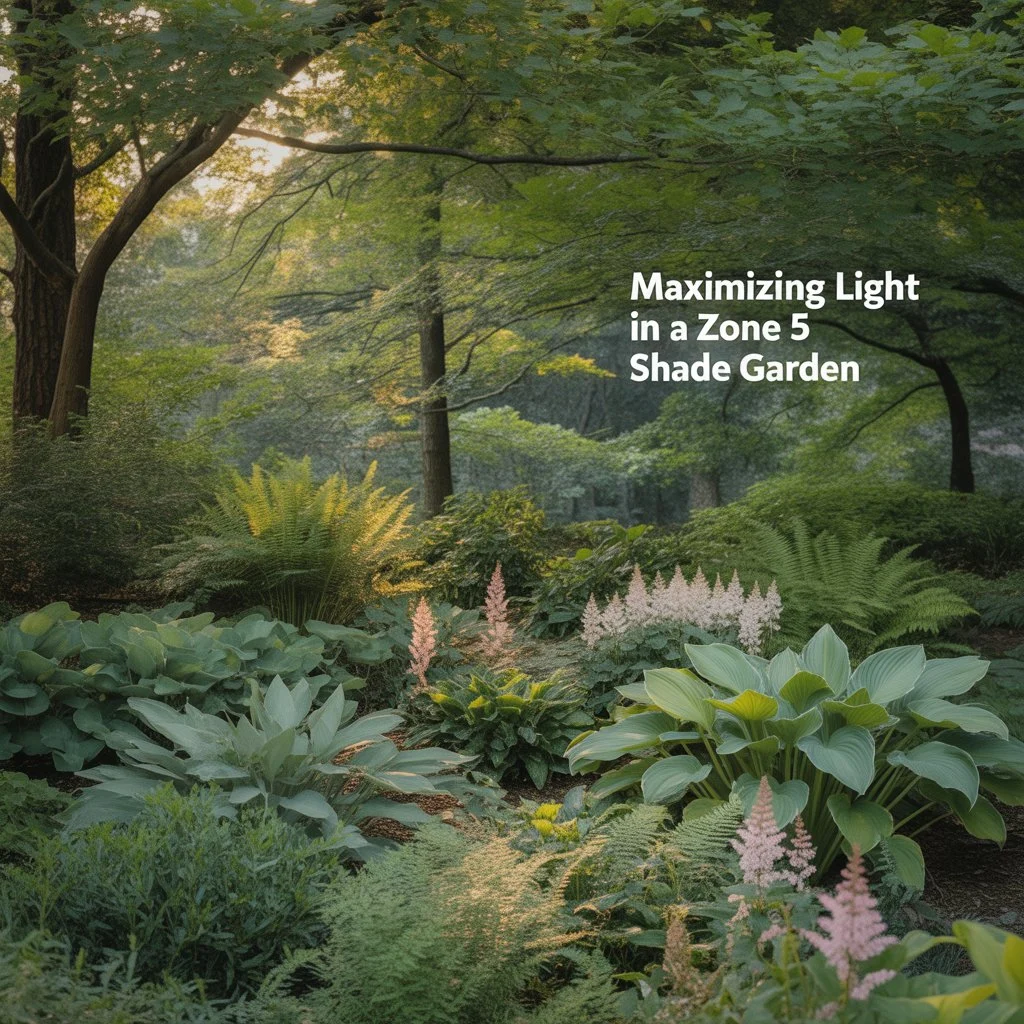
Maximizing light in a Zone 5 shade garden makes the most of the limited light available, using design techniques that increase and use light effectively to support the planting and brighten the shaded space. I always design Zone 5 shade gardens to maximize light, because in cold-climate shade where the growing season is already short, making the most of available light both supports healthier plant growth and brightens the woodland garden, achieved through careful design rather than just plant selection.
Techniques to Maximize Light
Canopy management, light-reflecting elements, and bright foliage are three techniques suited to maximizing light. Canopy management, thinning or raising the tree canopy where appropriate, increases light reaching the garden. Light-reflecting elements such as pale paths and surfaces bounce light into the shade. Bright foliage in variegated or pale-leaved plants lifts and brightens the shaded planting.
Using Light in the Design
Brightest positions for key plants, pale accents, and open clearings are three approaches suited to using light. Placing key plants in the brightest available positions supports their growth. Pale accents in foliage and flowers brighten the darker areas. Open clearings within the planting allow light and air into the Zone 5 woodland garden, enhancing both the planting and the atmosphere.
Backyard Zone 5 Woodland Shade Garden
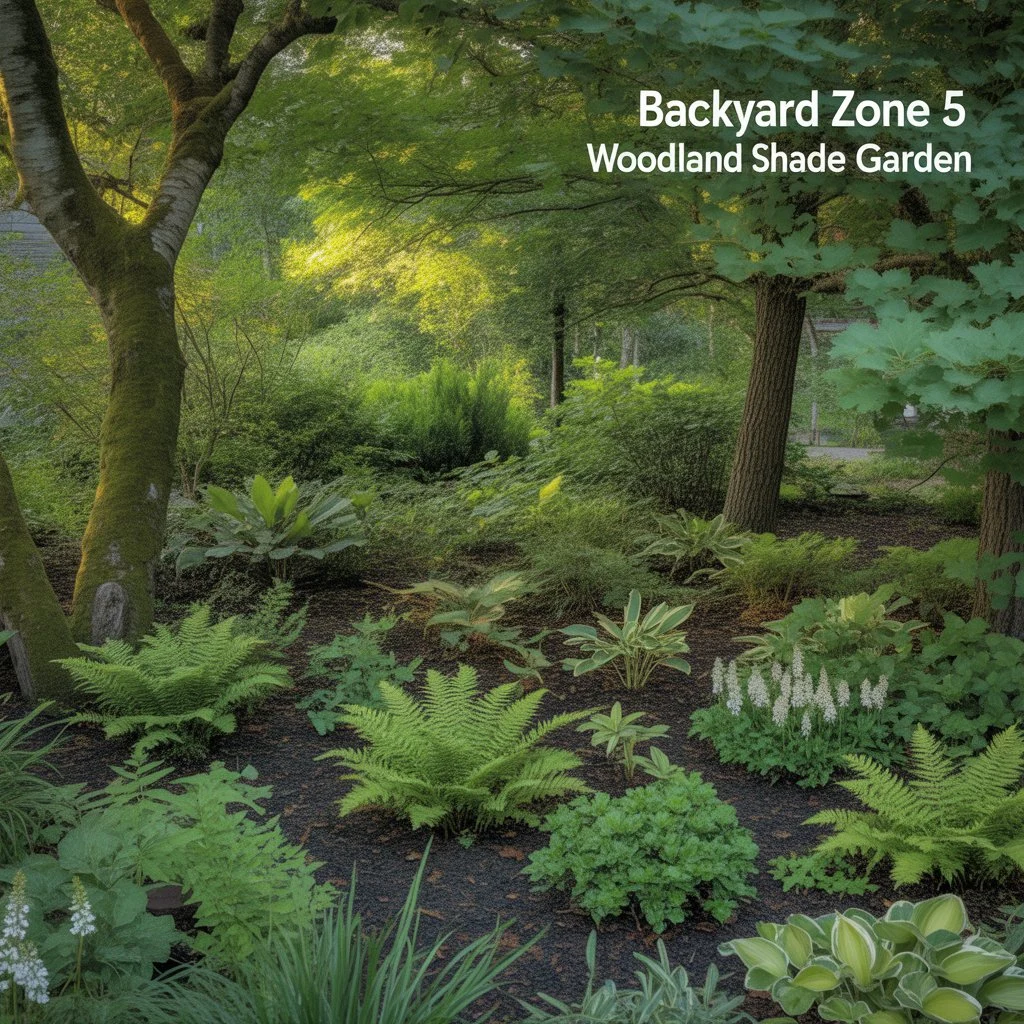
A backyard Zone 5 woodland shade garden brings cold-hardy woodland shade design to a domestic backyard, transforming a shaded suburban plot into a thriving naturalistic woodland in a cold climate. I have created Zone 5 woodland shade gardens in conventional backyards, because even a typical shaded backyard in a cold climate can become a beautiful layered woodland using the right cold-hardy shade plants, bringing naturalistic beauty and ecological value to a domestic Zone 5 setting.
Designing a Backyard Zone 5 Shade Garden
Assessing conditions, layered planting, and cold-hardy selection are three approaches suited to a backyard Zone 5 shade garden. Assessing the backyard’s shade and microclimate guides the design. Layered planting builds the woodland structure in the backyard. Cold-hardy selection of shade plants ensures the backyard garden thrives through Zone 5 winters.
Practical Backyard Considerations
Usable space, manageable scale, and seasonal interest are three considerations suited to a backyard Zone 5 shade garden. Usable space, balancing planting with room to move and sit, makes the backyard functional. Manageable scale keeps the garden achievable in a domestic setting. Seasonal interest ensures the backyard woodland provides year-round appeal despite the long Zone 5 winter.
Cold-Hardy Spring Bulbs for Zone 5 Shade
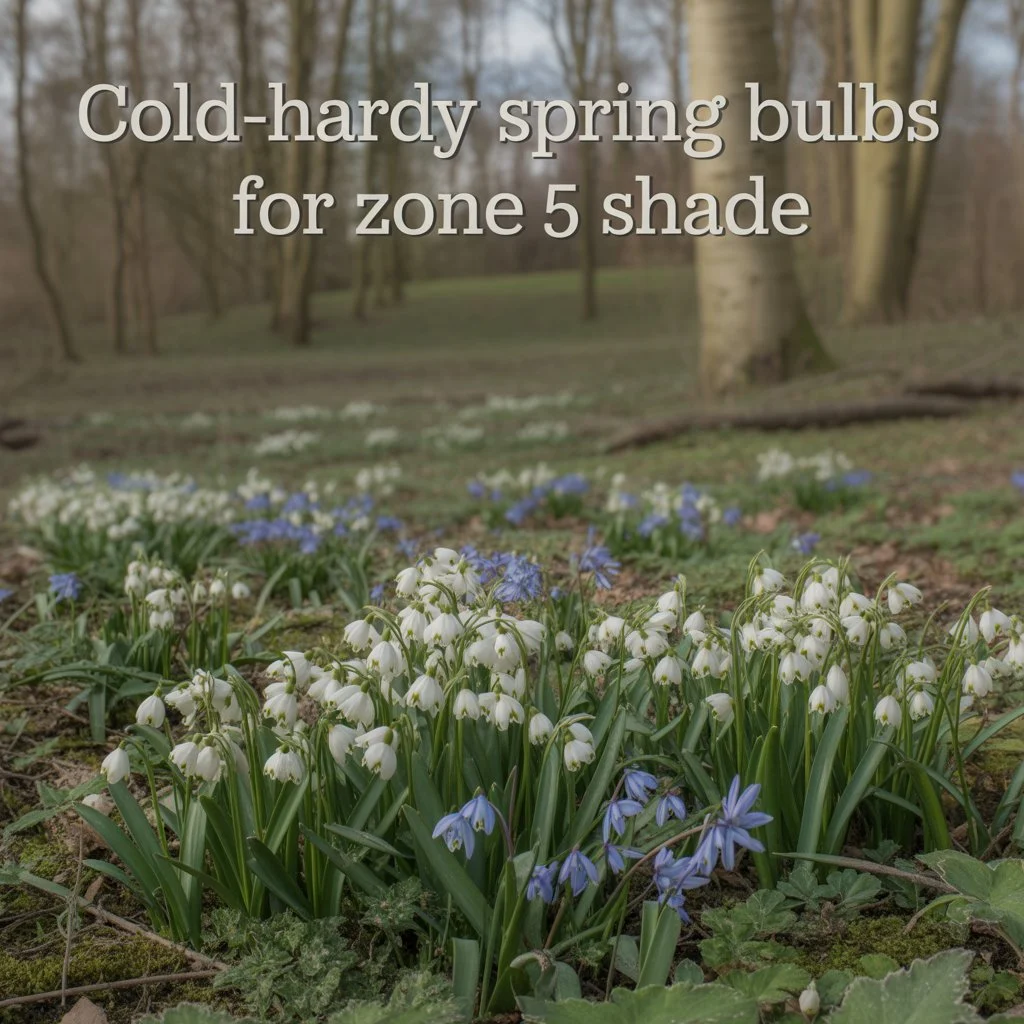
Cold-hardy spring bulbs for Zone 5 shade provide the early colour that brightens the woodland floor before the canopy leafs out, using bulbs that survive cold winters and flower in spring shade. I plant cold-hardy spring bulbs in every Zone 5 shade garden, because they provide the magical early colour of the woodland spring, flowering in the cool light before the canopy closes and surviving the deep cold of Zone 5 winters to return reliably each year.
Spring Bulbs for Zone 5 Woodland
Cold-hardy daffodils, Scilla, and Chionodoxa are three spring bulbs suited to Zone 5 woodland shade. Cold-hardy daffodils provide reliable spring colour in Zone 5 woodland and naturalize over time. Scilla provides blue spring flowers that carpet the cold-climate woodland floor. Chionodoxa, glory-of-the-snow, provides early blue spring flowers, flowering as the Zone 5 garden wakes.
Naturalizing Bulbs in Zone 5
Planting in drifts, cold-hardy selection, and pre-canopy timing are three approaches suited to naturalizing bulbs in Zone 5. Planting in naturalistic drifts creates the spring carpet effect. Cold-hardy selection ensures the bulbs survive Zone 5 winters. Pre-canopy timing, with bulbs flowering before the trees leaf out, makes the most of the spring light in the Zone 5 woodland.
Four-Season Interest in Zone 5 Shade Design
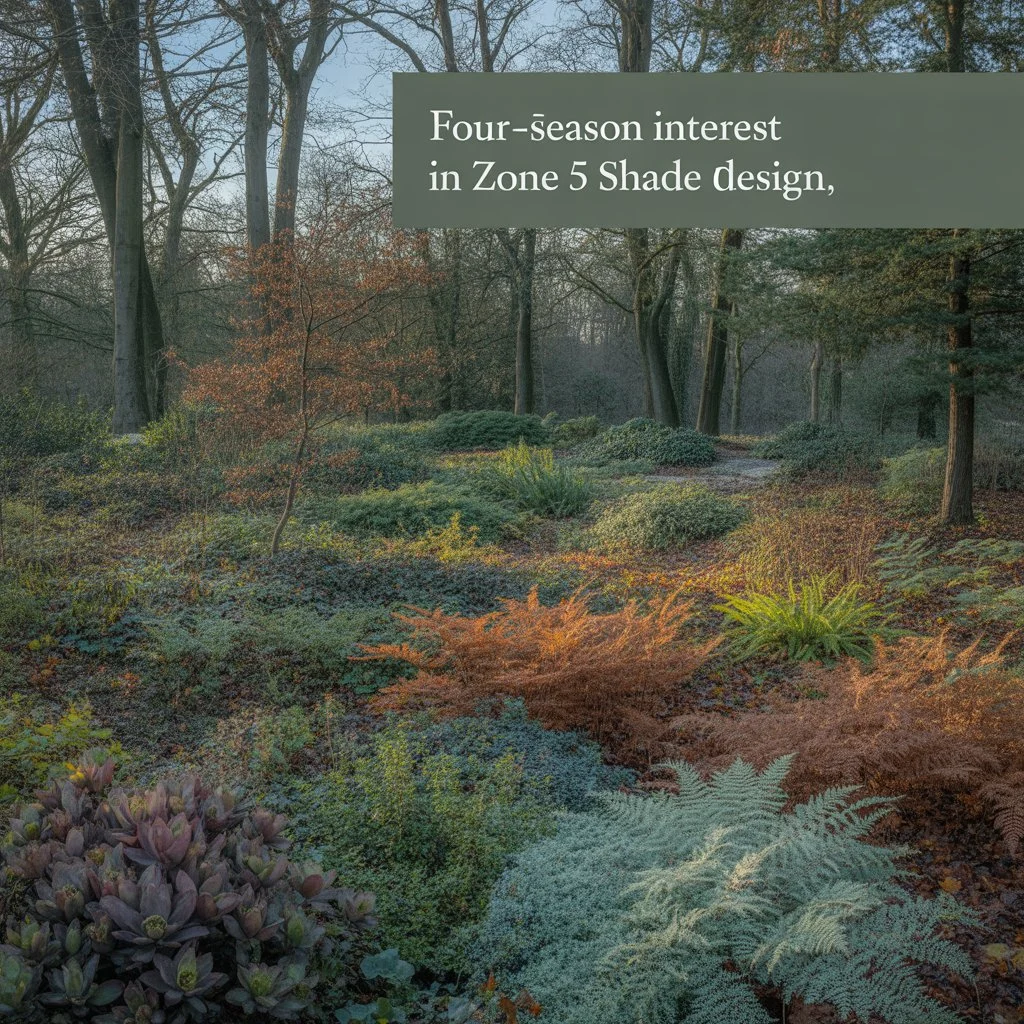
Four-season interest in Zone 5 shade design ensures the woodland garden remains beautiful through the long cold-climate year, from spring flowers to summer foliage, autumn colour, and winter structure. I design Zone 5 shade gardens for four-season interest, because the long Zone 5 winter makes year-round appeal especially valuable, using a sequence of seasonal interest and reliable winter structure to ensure the woodland garden rewards through every season of the cold-climate year.
Seasonal Layers in Zone 5 Design
Spring flowers, summer foliage, and autumn colour are three seasonal layers suited to Zone 5 shade design. Spring flowers from bulbs and native wildflowers brighten the early woodland. Summer foliage from hostas, ferns, and shade perennials provides the lush main-season display. Autumn colour from foliage and shrubs provides seasonal beauty before the long winter.
Winter Structure in a Zone 5 Garden
Evergreen ferns, shrub structure, and bare-form interest are three sources of winter interest in a Zone 5 garden. Evergreen ferns like Christmas fern maintain green structure through the Zone 5 winter. Shrub structure from cold-hardy shrubs provides form and sometimes berries or stems. Bare-form interest from the architecture of trees and shrubs ensures the woodland garden has presence even in the depths of the Zone 5 winter.
Native Plant Zone 5 Woodland Design
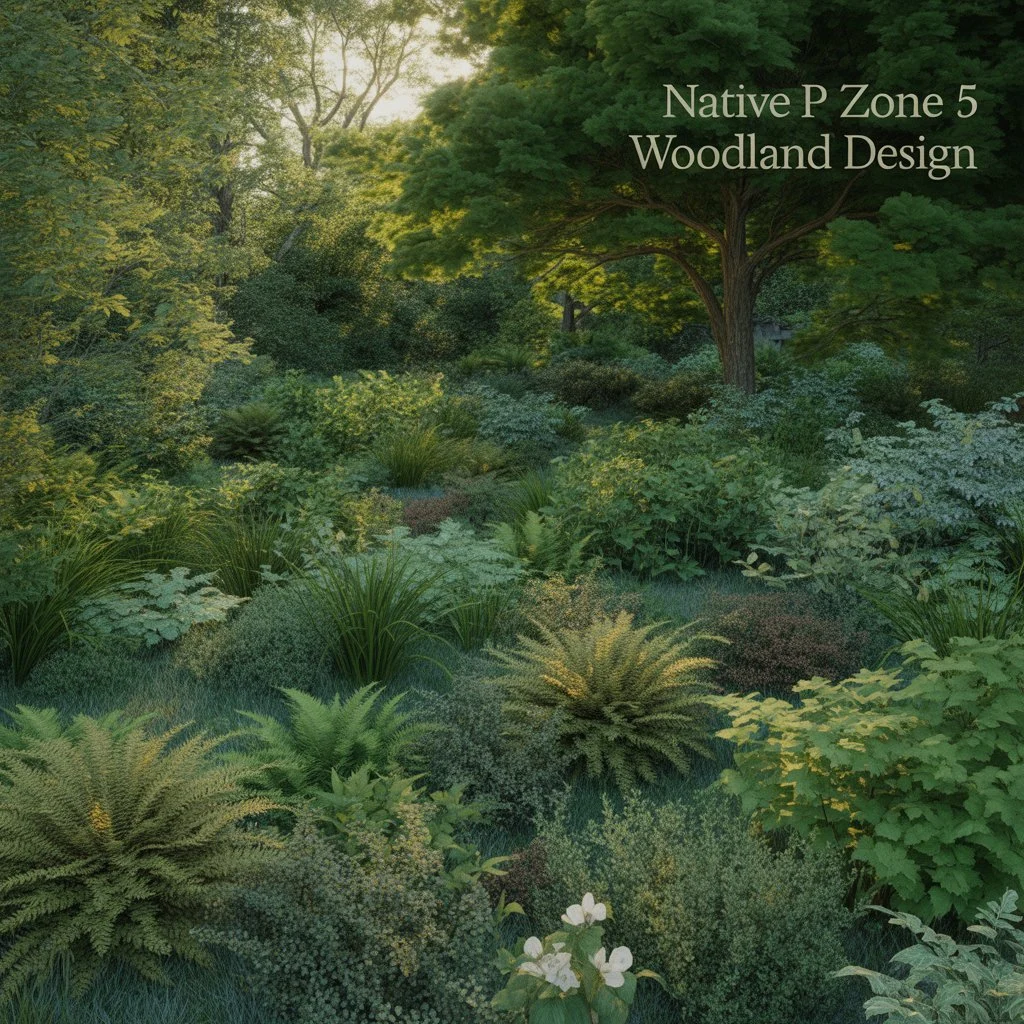
Native plant Zone 5 woodland design uses locally native cold-hardy shade plants to create an authentic, ecologically valuable woodland garden perfectly adapted to the Zone 5 climate and shaded conditions. I prioritise native plants in Zone 5 woodland design wherever ecological value is the goal, because native cold-hardy shade species are perfectly adapted to both the climate and the conditions, support the most local wildlife, and create the most authentic Zone 5 woodland garden.
Native Plants for Zone 5 Woodland
Native ferns, native wildflowers, and native shrubs are three native plant groups suited to Zone 5 woodland. Native ferns provide reliable cold-hardy woodland texture. Native wildflowers like trillium and bloodroot provide authentic spring displays. Native shrubs like viburnum provide cold-hardy structure and wildlife value, together creating the authentic native Zone 5 woodland.
Ecological Benefits of Native Design
Wildlife support, climate adaptation, and authentic character are three benefits of native Zone 5 design. Wildlife support from native plants enriches the garden’s biodiversity. Climate adaptation means native plants are perfectly suited to Zone 5 conditions. Authentic character recreates the genuine native woodland of the cold-climate region, the most ecologically valuable approach.
Low-Maintenance Zone 5 Woodland Design
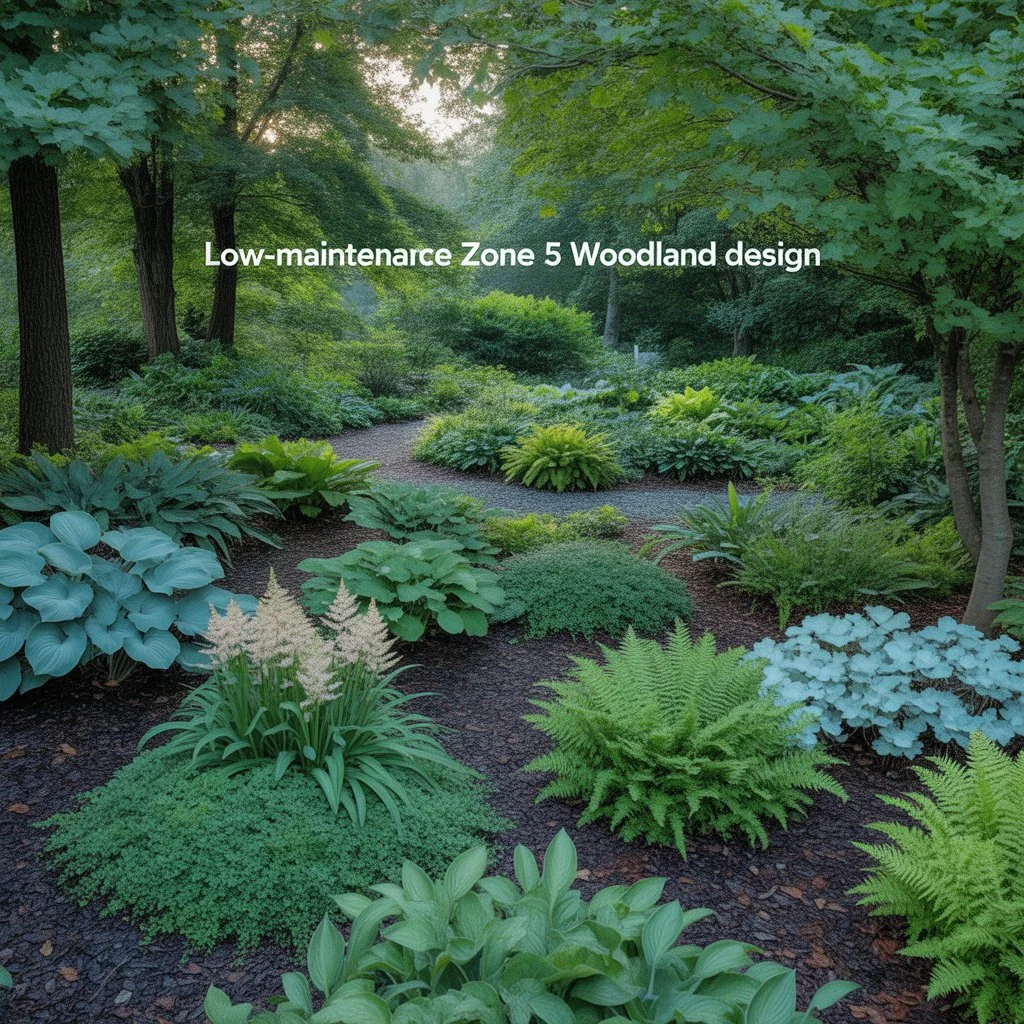
Low-maintenance Zone 5 woodland design uses well-adapted cold-hardy shade plants and naturalistic design to create a beautiful woodland garden that needs minimal intervention in the cold climate. I design Zone 5 shade gardens for low maintenance, because plants well matched to both the cold and the shade thrive with little intervention, and a naturalistic layered design with dense ground cover and self-sustaining planting creates a Zone 5 woodland garden that largely looks after itself.
Why Zone 5 Woodland Can Be Low-Maintenance
Well-adapted planting, dense ground cover, and naturalistic design are three reasons Zone 5 woodland can be low-maintenance. Well-adapted planting suited to both cold and shade needs little intervention to thrive. Dense ground cover suppresses weeds across the woodland floor. Naturalistic design that works with the conditions reduces the constant correction a fussier garden demands.
Low-Maintenance Zone 5 Choices
Tough hardy perennials, native ferns, and reliable ground cover are three low-maintenance choices suited to Zone 5 woodland. Tough hardy perennials like hostas thrive with minimal care. Native ferns provide self-sustaining structure. Reliable ground cover like epimedium suppresses weeds and needs little attention, together creating a low-maintenance Zone 5 woodland garden.
Establishing a Zone 5 Woodland Shade Garden
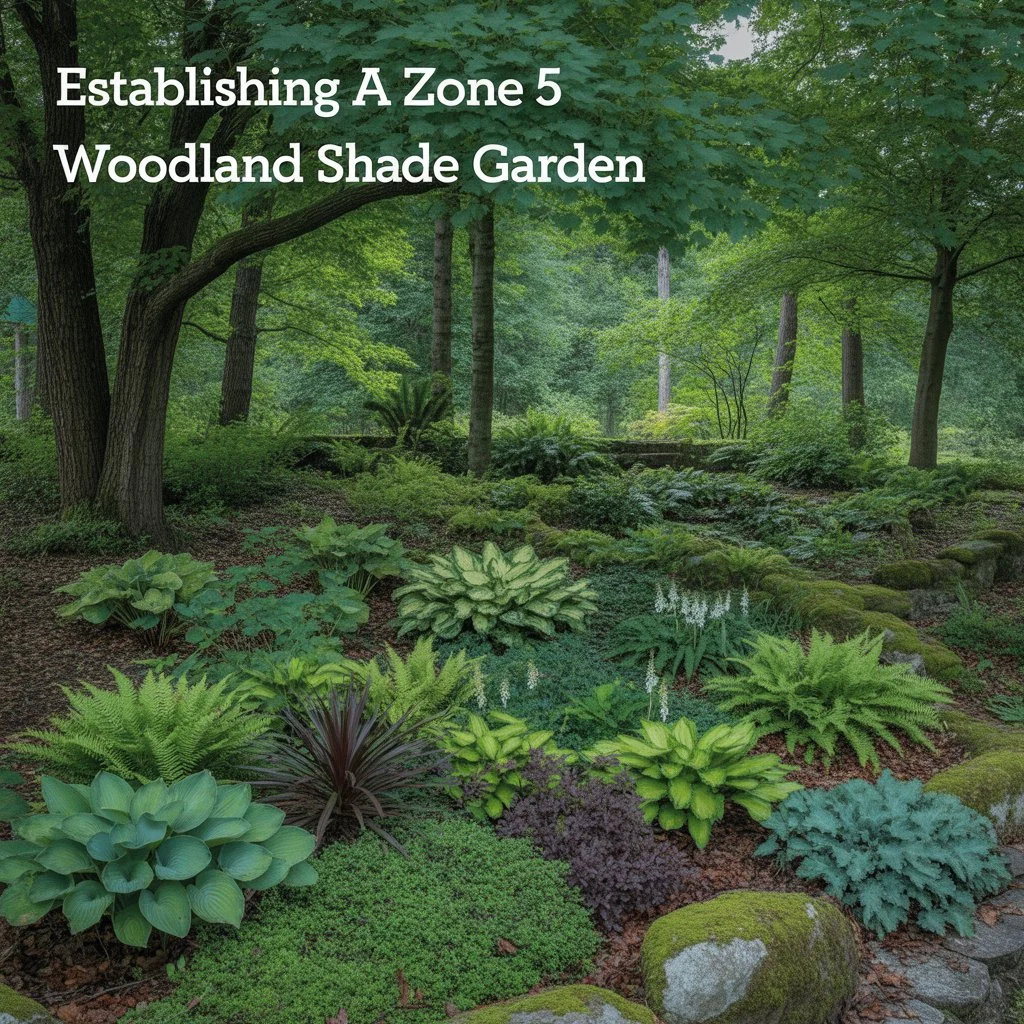
Establishing a Zone 5 woodland shade garden involves the initial planting and the development over time as the cold-hardy shade plants settle, spread, and mature into a thriving layered woodland. I set realistic expectations for establishing a Zone 5 shade garden, because cold-climate woodland plants, especially the slower native species, take time to establish and mature, rewarding patience with an increasingly beautiful and self-sustaining Zone 5 woodland over the seasons.
Stages of Establishment
Initial planting, establishment care, and natural maturation are three stages suited to establishing a Zone 5 woodland shade garden. Initial planting of the layered cold-hardy scheme sets the structure. Establishment care, including watering and winter protection for new plants, helps them take hold. Natural maturation, as plants settle, spread, and naturalize, develops the garden toward a thriving woodland over the years.
Protecting Plants Through Zone 5 Winters
Winter mulching, establishment protection, and hardy selection are three approaches suited to protecting plants through Zone 5 winters. Winter mulching protects roots and crowns through the deep Zone 5 cold. Establishment protection for newly planted specimens helps them survive their first vulnerable winters. Hardy selection, choosing only reliably Zone 5 plants from the start, is the surest protection against winter losses.
Frequently Asked Questions
What plants work for a Zone 5 woodland shade garden?
The best plants for a Zone 5 woodland shade garden are those that combine reliable cold hardiness to Zone 5 with genuine shade tolerance, including hostas, astilbe, bleeding heart, native ferns, trilliums, Solomon’s seal, and epimedium. Hostas and astilbe provide the backbone of foliage and flower, native ferns such as ostrich fern, lady fern, and the evergreen Christmas fern provide reliable woodland texture, and native wildflowers like trillium and bloodroot provide magical spring displays, while epimedium and sweet woodruff clothe the floor as cold-hardy ground cover. Cold-hardy shade shrubs such as viburnum and native hydrangea add structural height, and the key principle throughout is selecting only plants that satisfy both the Zone 5 hardiness and shade requirements together, since a plant must survive both the deep winter cold and the low light to thrive in this setting.
How do I design a shade garden for a cold climate?
You design a shade garden for a cold climate by selecting only plants that are both reliably hardy to your zone and genuinely shade-tolerant, then arranging them in a layered naturalistic design that maximizes the limited light. Begin by verifying the cold hardiness of every plant for Zone 5 and assessing the actual shade levels, then choose a palette of proven cold-hardy shade plants and arrange them in the layers of a natural woodland, from canopy through understorey shrubs to ground-layer perennials, ferns, and spring bulbs. Maximize the available light through careful canopy management, pale light-reflecting surfaces, and brighter foliage, design for four-season interest to reward through the long cold-climate winter, and protect newly planted specimens through their first winters, which together create a thriving, beautiful cold-climate shade garden.
What ferns are hardy in Zone 5 shade?
The best ferns for Zone 5 shade are cold-hardy native species perfectly adapted to both the climate and the woodland conditions, including ostrich fern, lady fern, and Christmas fern. Ostrich fern (Matteuccia struthiopteris) produces tall vase-shaped fronds and spreads to colonize moist Zone 5 shade, lady fern (Athyrium filix-femina) provides delicate finely divided fronds in cold-climate shade, and Christmas fern (Polystichum acrostichoides) is evergreen and reliably hardy, providing valuable year-round structure through the Zone 5 winter. These native ferns combine genuine Zone 5 hardiness with shade tolerance and the authentic woodland texture that defines the floor of a cold-climate woodland garden, and using them in mass plantings and naturalistic drifts, contrasted with bolder foliage like hostas, creates the lush layered character of a thriving Zone 5 shade garden.
Can woodland wildflowers like trilliums survive Zone 5 winters?
Native woodland wildflowers like trilliums are well suited to surviving Zone 5 winters, since many are native to cold-climate woodlands and are perfectly adapted to both the deep cold and the shaded conditions. Trillium, Virginia bluebells (Mertensia virginica), and bloodroot (Sanguinaria canadensis) are all cold-hardy native treasures that flower in the cool spring of Zone 5 before the canopy leafs out, then often go dormant through summer, returning reliably each year once established. These natives can be slow to establish and spread, so they reward patience, but planting them in naturalistic drifts in suitable woodland shade with good soil allows them to naturalize over the years into the magical spring displays that are among the greatest joys of a Zone 5 woodland shade garden, embodying the authentic beauty of the native cold-climate woodland.
Is a Zone 5 woodland shade garden low-maintenance?
A Zone 5 woodland shade garden can be genuinely low-maintenance once established, because plants well matched to both the cold and the shade thrive with little intervention, and a naturalistic layered design works with the conditions rather than against them. Tough hardy perennials like hostas, self-sustaining native ferns, and reliable cold-hardy ground covers like epimedium need minimal care once settled, dense ground cover suppresses weeds across the woodland floor, and naturalistic informality removes the pressure of constant tidying. The main season-specific tasks are modest, such as winter mulching to protect roots through the deep cold, clearing fallen leaves, and gentle seasonal editing, so a well-designed Zone 5 woodland shade garden built on correctly chosen cold-hardy shade plants becomes an increasingly self-sustaining and rewarding garden that asks relatively little while providing beauty through every season of the cold-climate year.