
Worst Messy Trees for the Lazy Landscaper

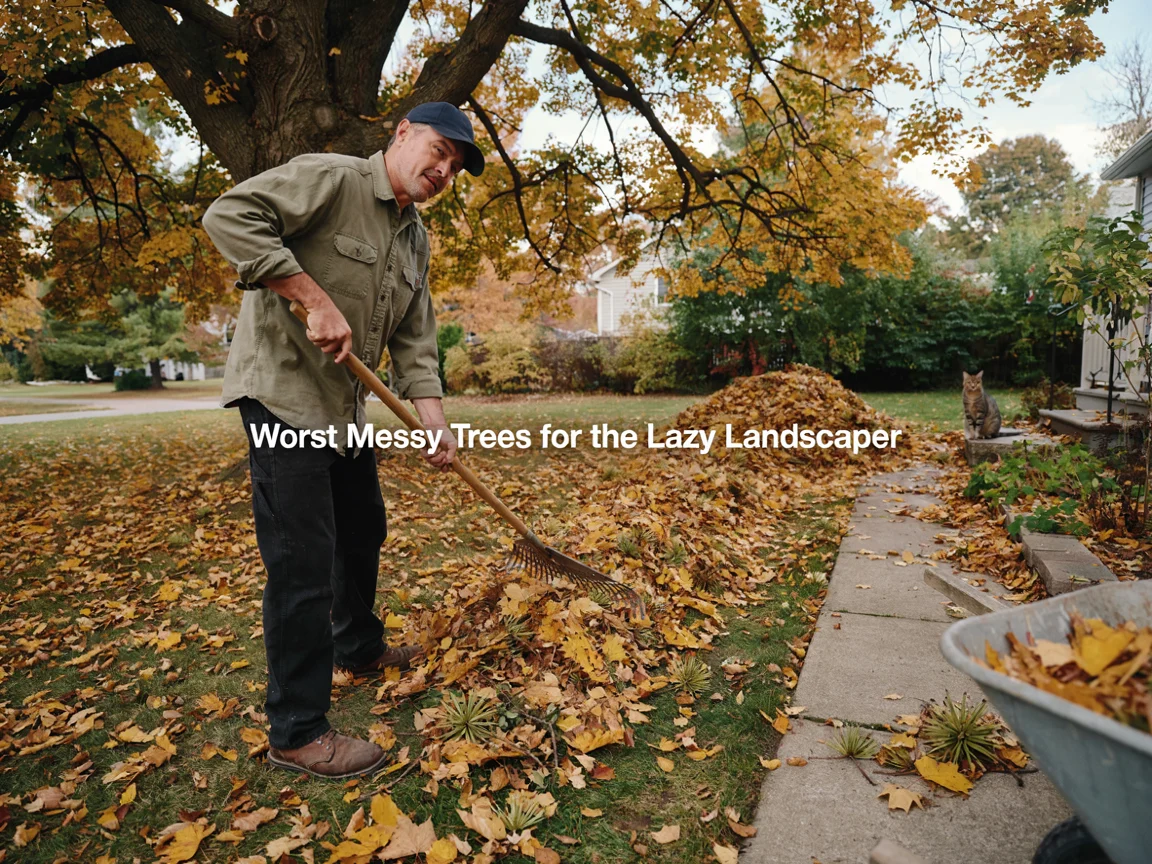
A beautiful tree can add shade, privacy, and curb appeal, but not every tree is worth planting. Some species constantly drop leaves, flowers, fruit, seed pods, or weak branches, turning your yard into a year-round cleanup project. If you’re looking for a low-maintenance landscape, knowing the Worst Messy Trees for the Lazy Landscaper can save you time, money, and frustration.
Whether you’re planning a new landscape or replacing an old tree, avoiding messy varieties is one of the smartest decisions you can make. Below are some of the most common messy trees to avoid, why they create problems, and better alternatives for an easier-to-maintain yard.
Bradford Pear Tree Is Beautiful but High Maintenance
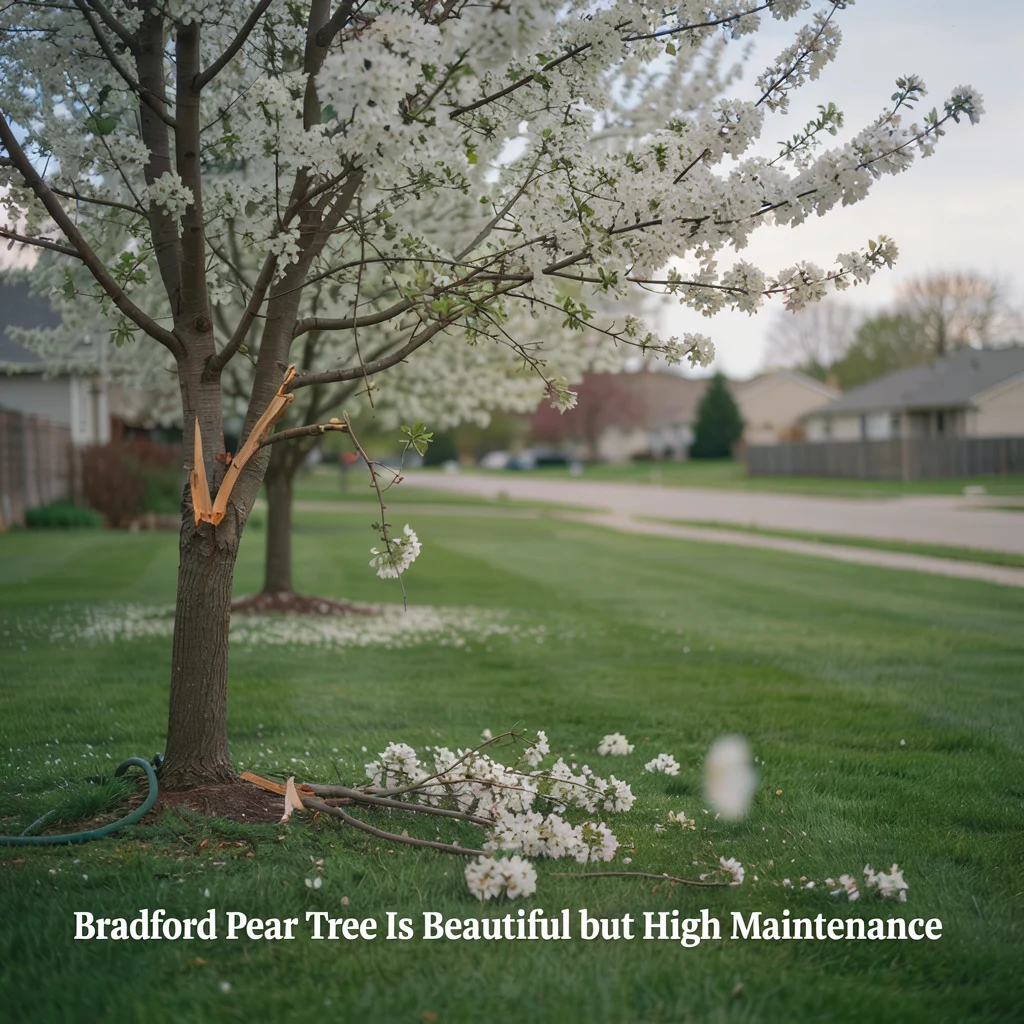
The Bradford pear tree is known for its attractive white spring blossoms, but it also ranks among the worst trees for homeowners who want a tidy landscape. While it looks impressive for a few weeks each year, the cleanup and maintenance quickly outweigh its visual appeal.
Heavy Flower and Leaf Drop
Thousands of flowers fall during spring, followed by a large amount of leaf litter in autumn. These piles of organic debris can clog gutters, cover patios, and require frequent raking.
Weak Branch Structure
Bradford pear trees develop narrow branch angles that split easily during storms or heavy winds. Broken limbs often require expensive pruning or complete tree removal.
Tree of Heaven Spreads Faster Than Most Homeowners Expect
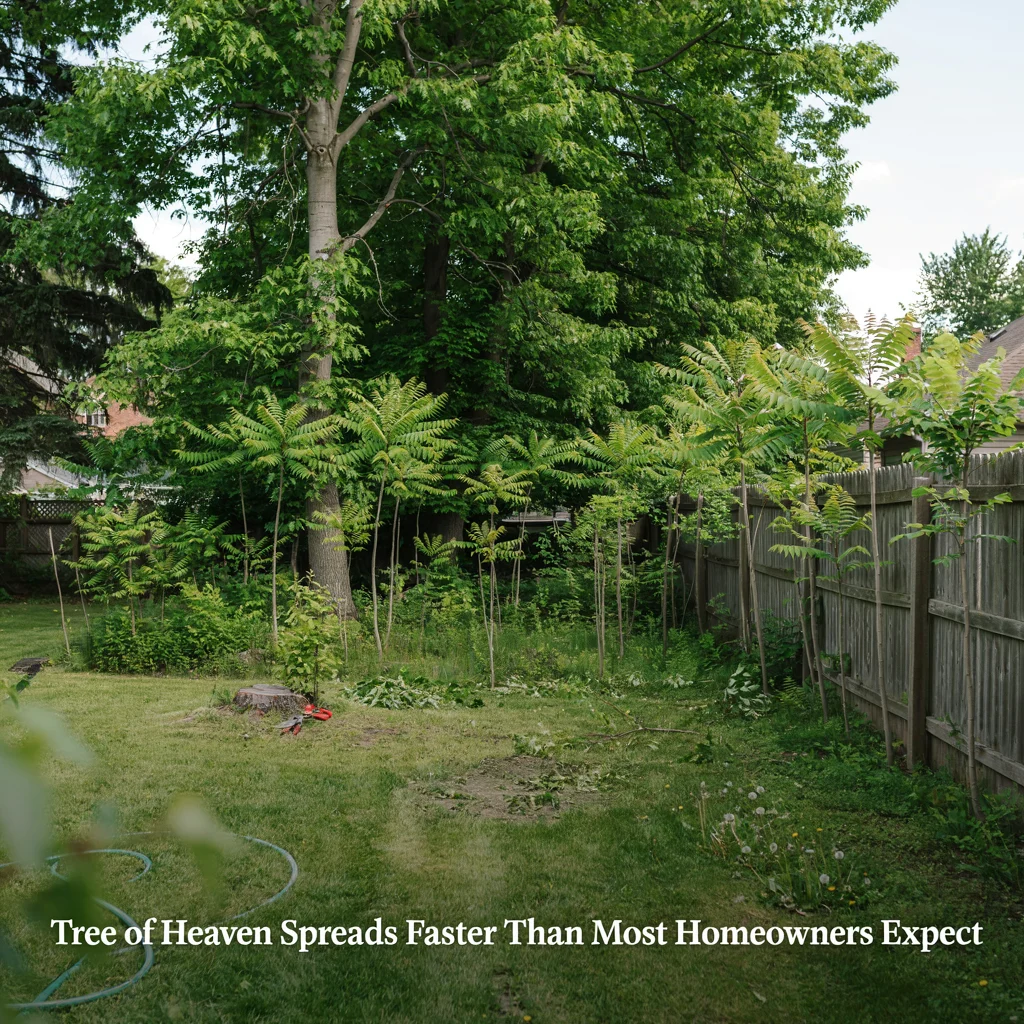
The Tree of Heaven is one of the most invasive trees found in many landscapes. Although it grows rapidly, it spreads aggressively through seeds and underground root suckers, making it difficult to control.
An Invasive Tree That Keeps Returning
Even after being cut down, new shoots often emerge from the remaining roots. This aggressive growth allows the tree to spread into gardens, lawns, and neighboring properties.
Constant Seed and Leaf Cleanup
Large amounts of seeds and leaves fall every season, creating additional maintenance while allowing unwanted seedlings to appear throughout the yard.
Willow Tree Requires More Maintenance Than Many Realize
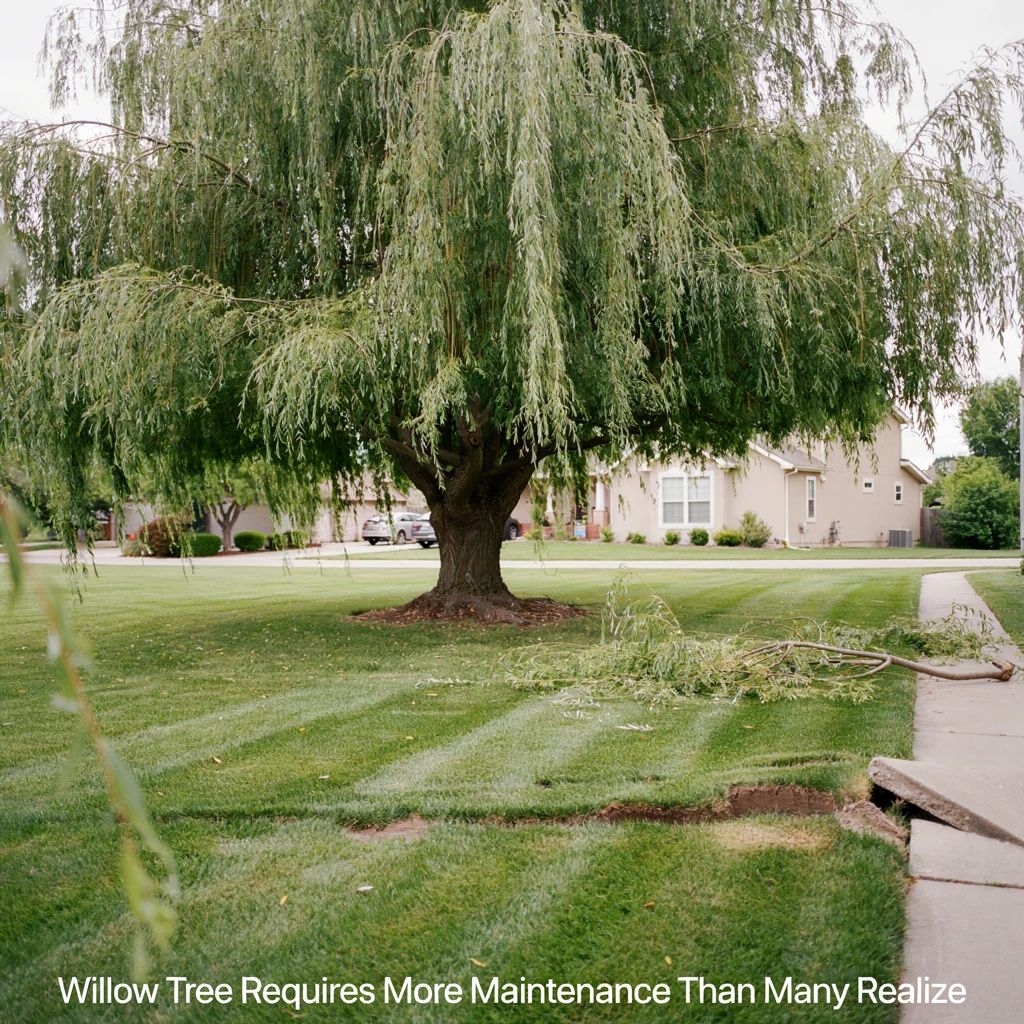
The graceful Willow Tree creates beautiful shade near ponds and water features, but it demands regular maintenance that many homeowners underestimate.
Falling Twigs and Leaves All Season
Willows naturally shed small branches, twigs, and leaves throughout the growing season rather than only during autumn, resulting in continuous yard cleanup.
Aggressive Roots Can Damage Property
Their powerful root systems search for moisture and may invade underground pipes, septic systems, sidewalks, and foundations if planted too close to structures.
Honey Locust Tree Creates Ongoing Yard Cleanup
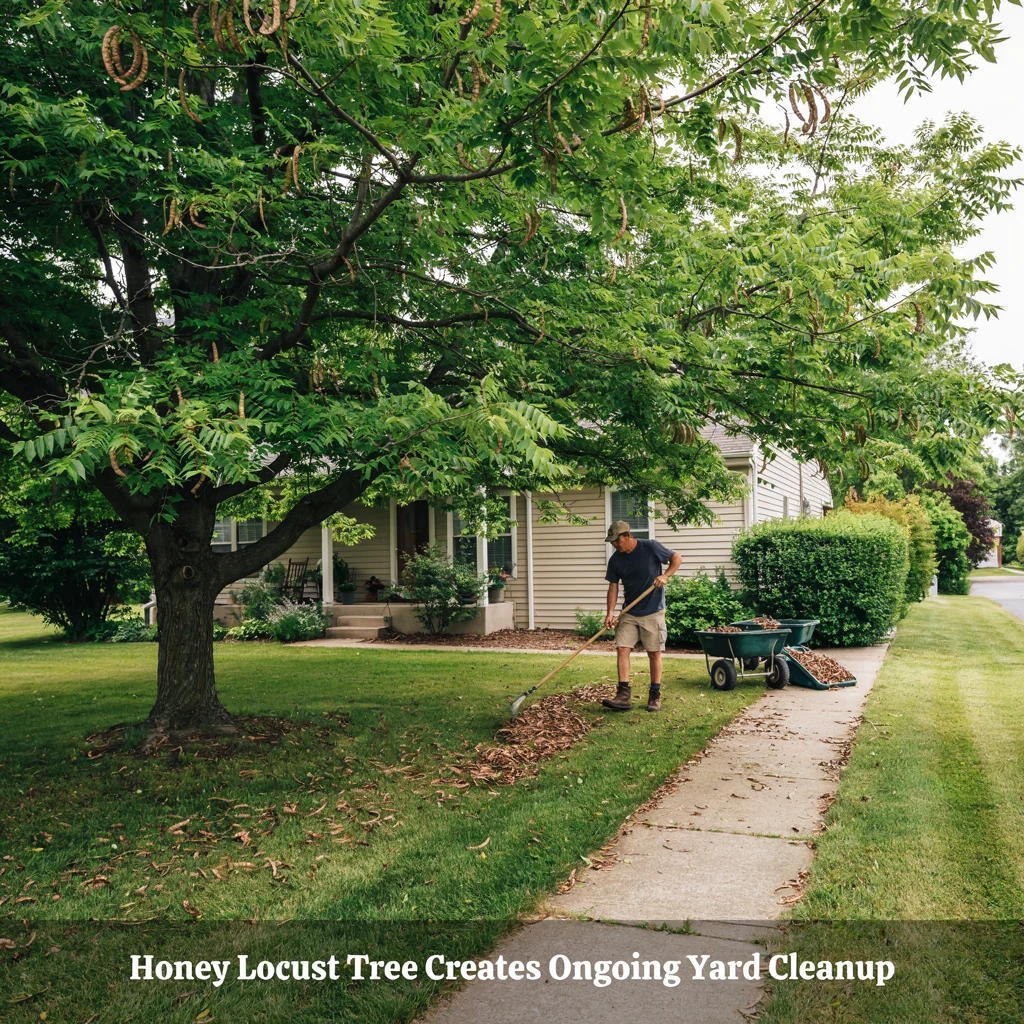
The Honey Locust Tree provides filtered shade, but many varieties create considerable seasonal debris.
Seed Pods and Tiny Leaves Cover the Ground
Long seed pods and countless tiny leaflets fall throughout the year, making cleanup more difficult than with larger leaves.
Older Varieties May Have Sharp Thorns
Some honey locust trees produce large, dangerous thorns that create safety concerns for children, pets, and anyone walking barefoot in the yard.
Other Messy Trees to Avoid Planting in Your Yard
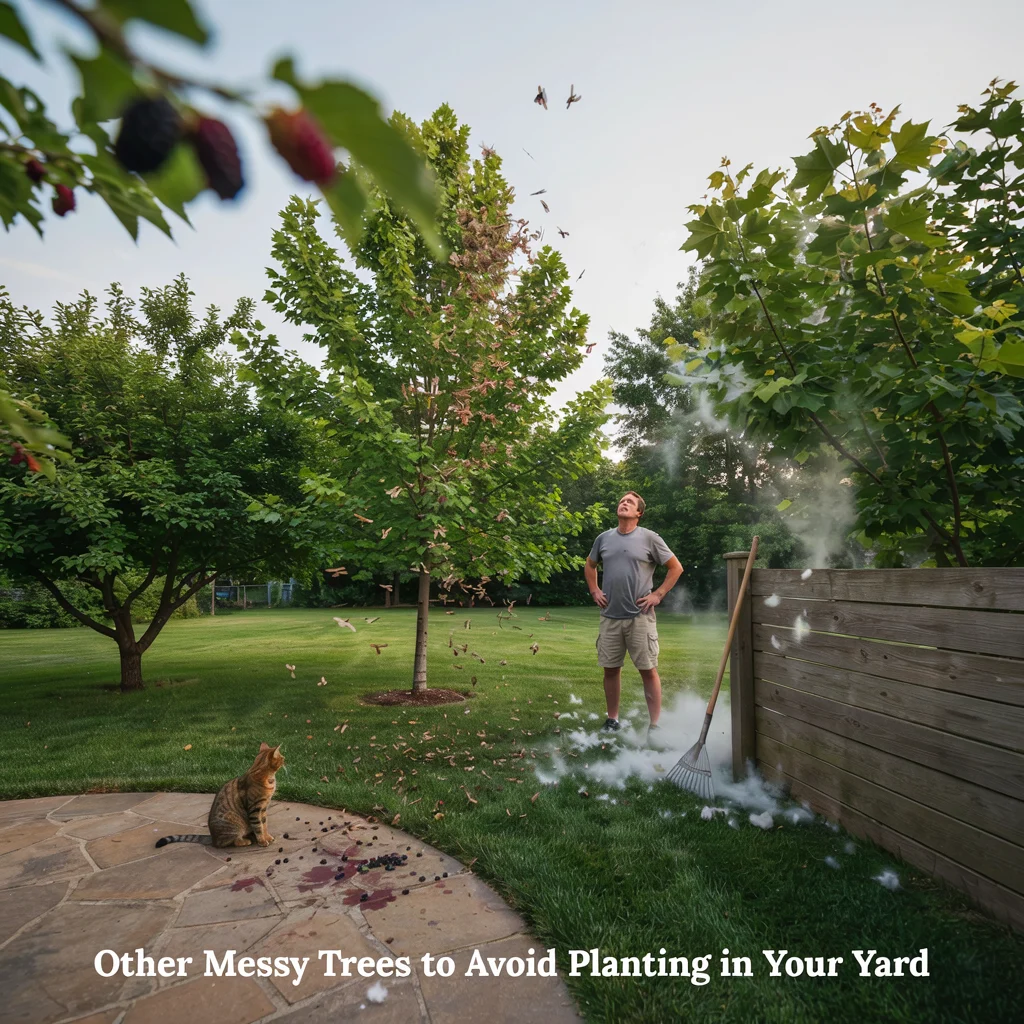
Several additional species are also considered among the trees to avoid planting in your yard because they require frequent maintenance or create other landscaping problems.
Sweetgum, Mulberry, and Cottonwood
Sweetgum trees drop spiky seed balls that are difficult to rake. Mulberry trees produce fruit that stains driveways and patios while attracting birds and insects. Cottonwood trees release fluffy seeds that spread across lawns and clog gutters.
Silver Maple and Black Walnut
Silver maples shed helicopter seeds and weak branches, while black walnut trees produce large nuts and release juglone, a natural chemical that can prevent many nearby plants from growing successfully.
How to Choose Better Low-Maintenance Trees
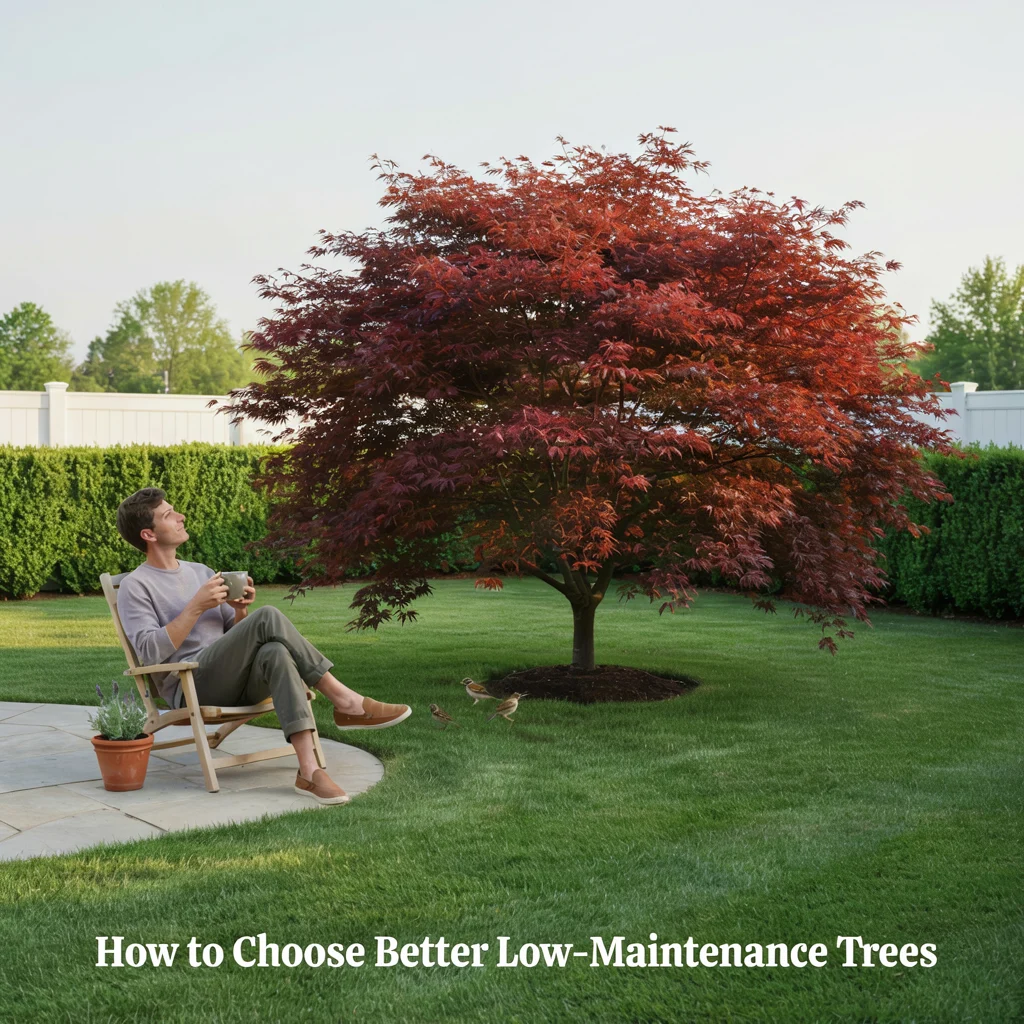
Avoiding the Worst Messy Trees for the Lazy Landscaper doesn’t mean sacrificing beauty. Many attractive trees provide shade and seasonal interest without creating endless cleanup.
Look for Cleaner Tree Characteristics
Choose trees with strong branch structures, minimal fruit production, non-invasive roots, and limited seasonal debris. These characteristics reduce maintenance and improve long-term landscape health.
Consider Low-Maintenance Alternatives
Species such as Japanese Tree Lilac, American Hornbeam, Eastern Redbud, Serviceberry cultivars, and certain evergreen magnolias offer attractive landscapes with significantly less cleanup than many messy tree varieties.
Frequently Asked Questions
What are the worst messy trees for the lazy landscaper?
Some of the worst choices include the Bradford pear tree, Tree of Heaven, Willow Tree, Honey Locust Tree, Sweetgum, Mulberry, Silver Maple, Cottonwood, and Black Walnut because they produce excessive leaves, fruit, seed pods, or weak branches.
Why is the Tree of Heaven considered invasive?
It spreads rapidly through both seeds and underground root suckers, making it extremely difficult to remove once established.
Is the Bradford pear tree worth planting?
Although it has attractive spring flowers, its weak branches, unpleasant-smelling blooms, and constant debris make it a poor choice for low-maintenance landscapes.
Why are willow trees difficult to maintain?
Willows continuously drop leaves and twigs while their aggressive roots can damage underground utilities, making them one of the highest-maintenance landscape trees.
What are some cleaner alternatives?
Japanese Tree Lilac, Eastern Redbud, American Hornbeam, and Serviceberry are popular alternatives for homeowners looking for attractive, lower-maintenance trees.
This pairs well with Best Trees for Privacy in Your Backyard, Best Small Trees for Front Yards With Full Sun, and What Is Xeriscaping? The Desert Modern Garden Style Taking Over America if you are planning further. Readers working on this often also check Six Rules of Landscaping, Cheap No Grass Backyard Ideas For a Low-Maintenance Garden, and Incredible Small Garden Design Ideas To Recreate.