
Woodland Gardens With Ponds and Water Features

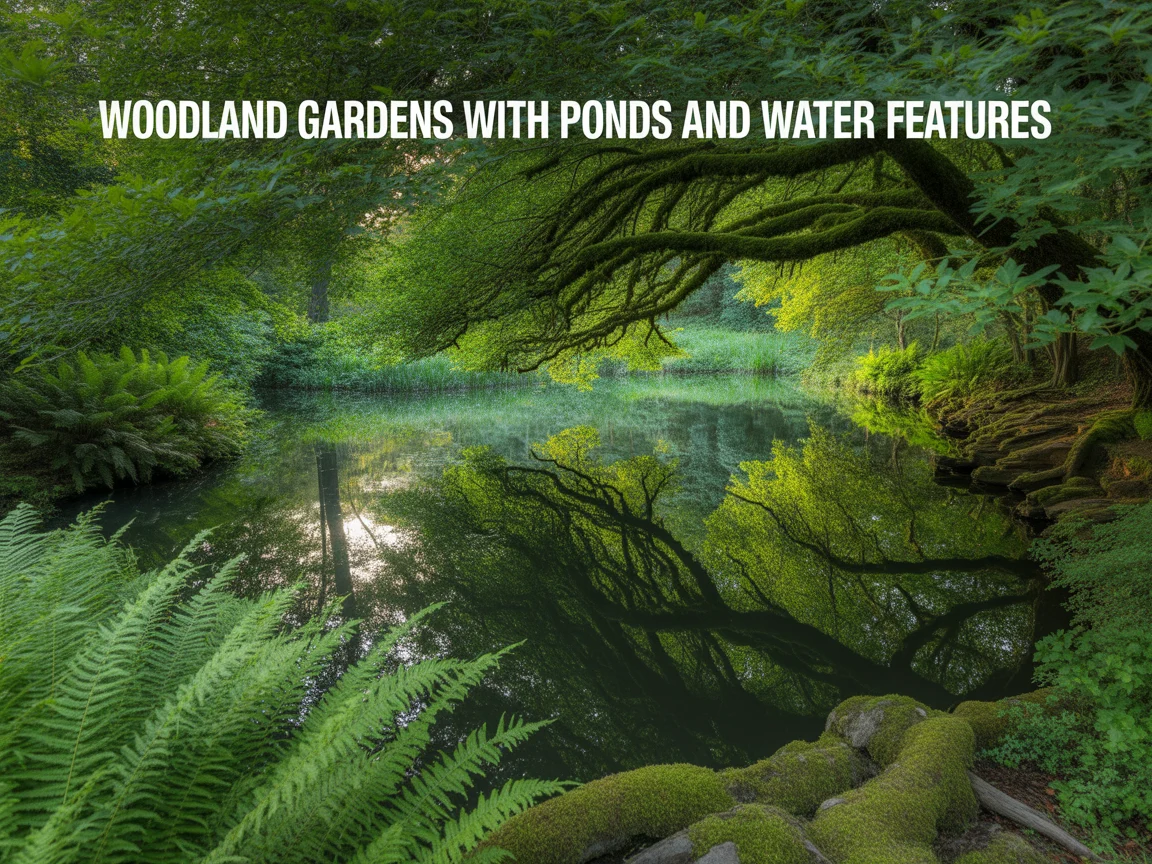
The first time I dug a pond into a woodland garden, I expected it to take years to come alive. It took eleven days. I lined and filled a modest pool in a dappled clearing on a Saturday, planted a few marginals, and left it. Less than two weeks later I came back to find the surface already busy with pond skaters, a water beetle rowing across the bottom, and — most astonishingly — a single frog sitting on the edge as though it had been waiting decades for someone to finally provide the water. By the following spring there was frogspawn, dragonflies were hunting over the surface, and birds were coming down to drink at the shallow edge beneath the trees. Nothing I have ever added to a garden has filled with life so fast or so completely. That pond taught me what I now tell everyone: of all the features you can add to a woodland garden, a pond is the single most ecologically transformative, because water is the one thing a woodland habitat most often lacks and most urgently wants.
Woodland gardens with ponds combine a naturalistic still-water pool — clay or liner-built, with gently shelving edges, native marginal planting, and natural stone or log edging — with a dappled, partly shaded setting among the trees to create an exceptionally biodiverse wildlife habitat and a tranquil, reflective focal point within a naturalistic woodland garden. The pond gives the woodland garden water, wildlife, and the beauty of reflected light and sky, while the surrounding trees, ferns, and bog planting give the pond its sheltered, naturalistic character and the magical dappled reflections that make a woodland pond so enchanting.
Since that first fast-filling pool, I have designed, dug, planted, and restored woodland ponds across sites ranging from tiny shaded backyards with a half-buried container pond to large rural gardens with generous natural wildlife pools. I have seen a small pond transform a lifeless garden into a wildlife haven within a single season, and I have also watched larger woodland ponds mature into ecosystems of remarkable richness. In this article I am sharing the best woodland garden pond ideas covering design, construction, planting, wildlife, shade, edging, and maintenance.
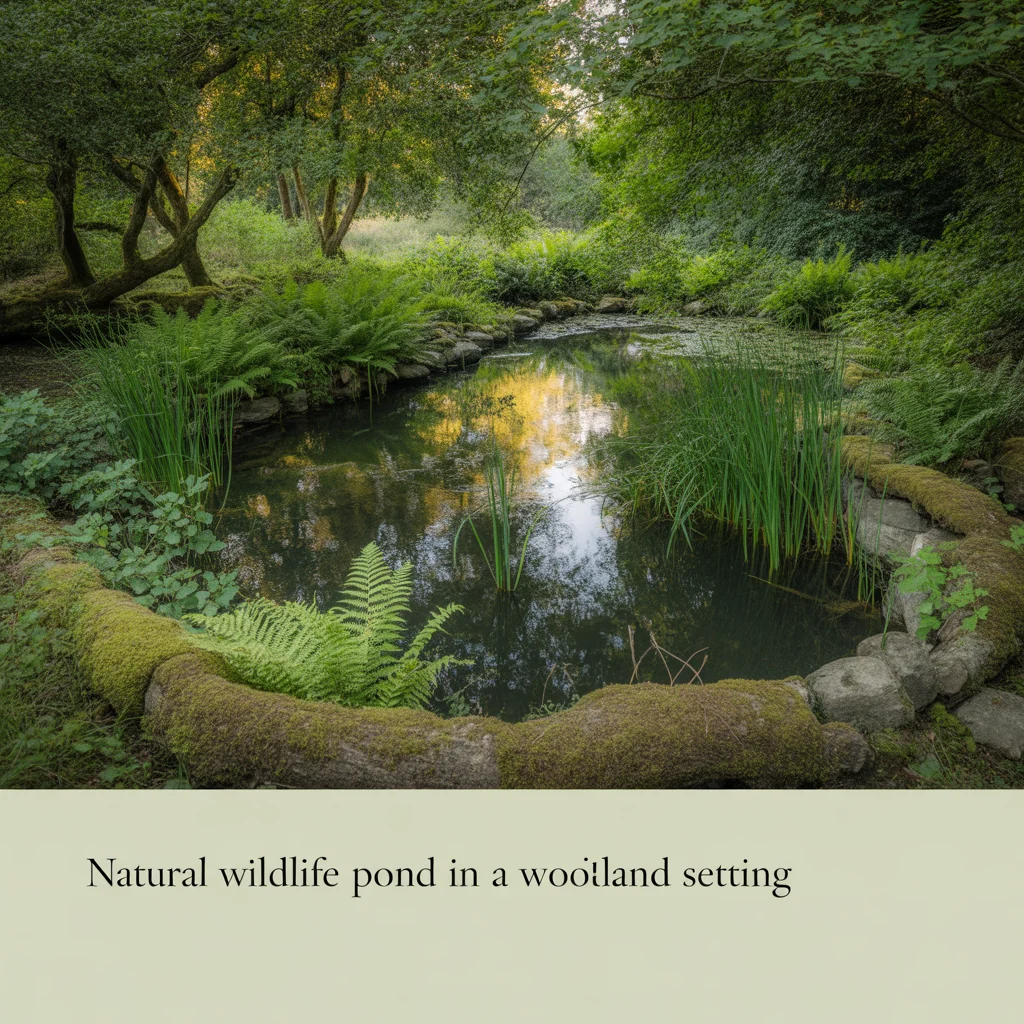
[Image: natural woodland wildlife pond with marginal planting and dappled light through the canopy]
Natural Wildlife Pond in a Woodland Setting
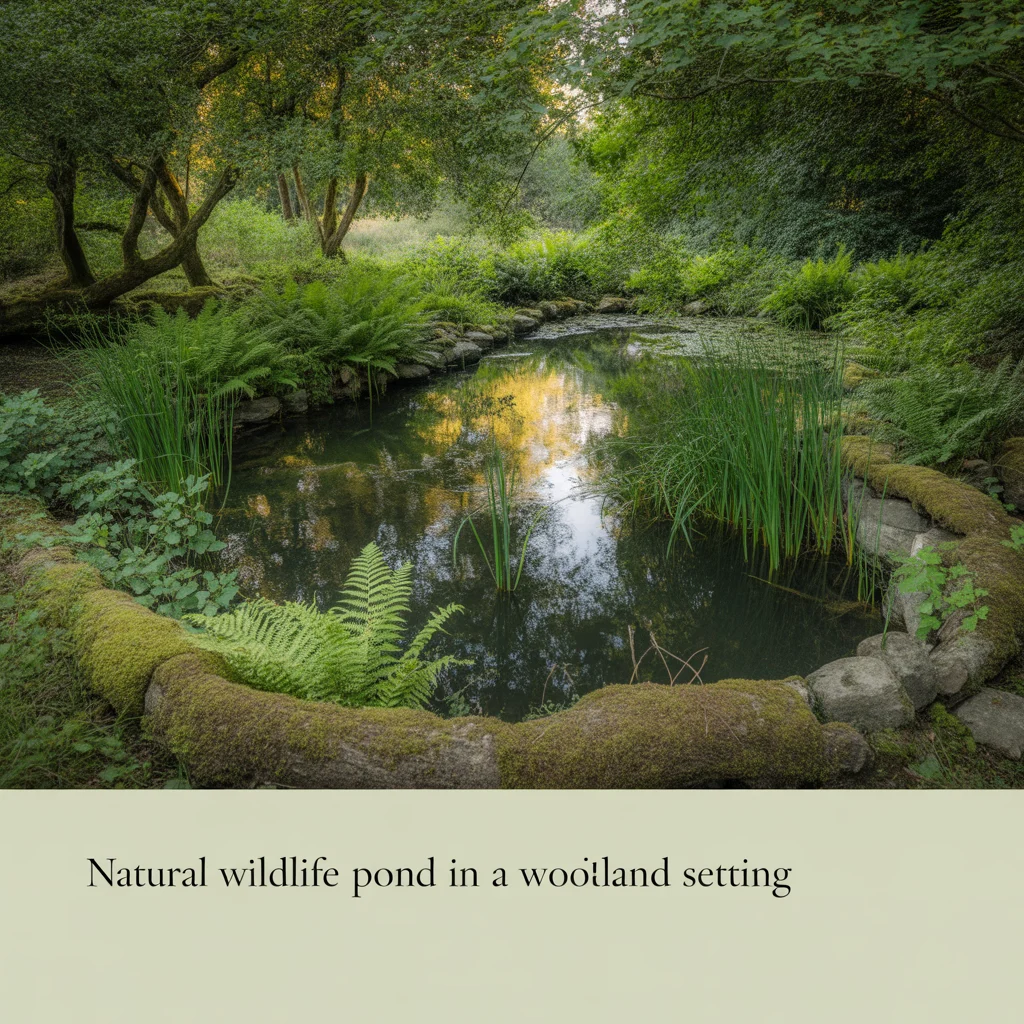
A natural wildlife pond in a woodland setting is the most rewarding and ecologically valuable pond design, creating a naturalistic still-water habitat with gently shelving edges and native planting that supports an extraordinary range of woodland wildlife. I dug a natural wildlife pond in a dappled woodland clearing with shallow, sloping margins, and within two seasons it was supporting breeding frogs, newts, dragonflies, and a constant traffic of drinking and bathing birds, becoming the single richest wildlife habitat in the entire garden.
Features of a Wildlife Pond
Gently shelving edges, varied depths, and native planting are three features suited to a woodland wildlife pond. Gently shelving edges provide safe access for wildlife to enter and exit and the vital shallow margins where most pond life concentrates. Varied depths from shallow margins to a deeper central zone provide the range of conditions different species need. Native planting in and around the pond supports the local wildlife that has evolved alongside it, maximizing biodiversity.
Designing for Maximum Biodiversity
A shallow beach edge, a deep frost-free zone, and dense marginal cover are three design elements suited to maximum biodiversity. A shallow beach edge provides the warm, accessible margin where amphibians breed and birds drink. A deeper frost-free zone of around two feet allows aquatic creatures to survive freezing winters. Dense marginal cover provides shelter for emerging amphibians and hunting perches for dragonflies, creating the layered habitat of a thriving wildlife pond.
Clay-Lined Natural Woodland Pond
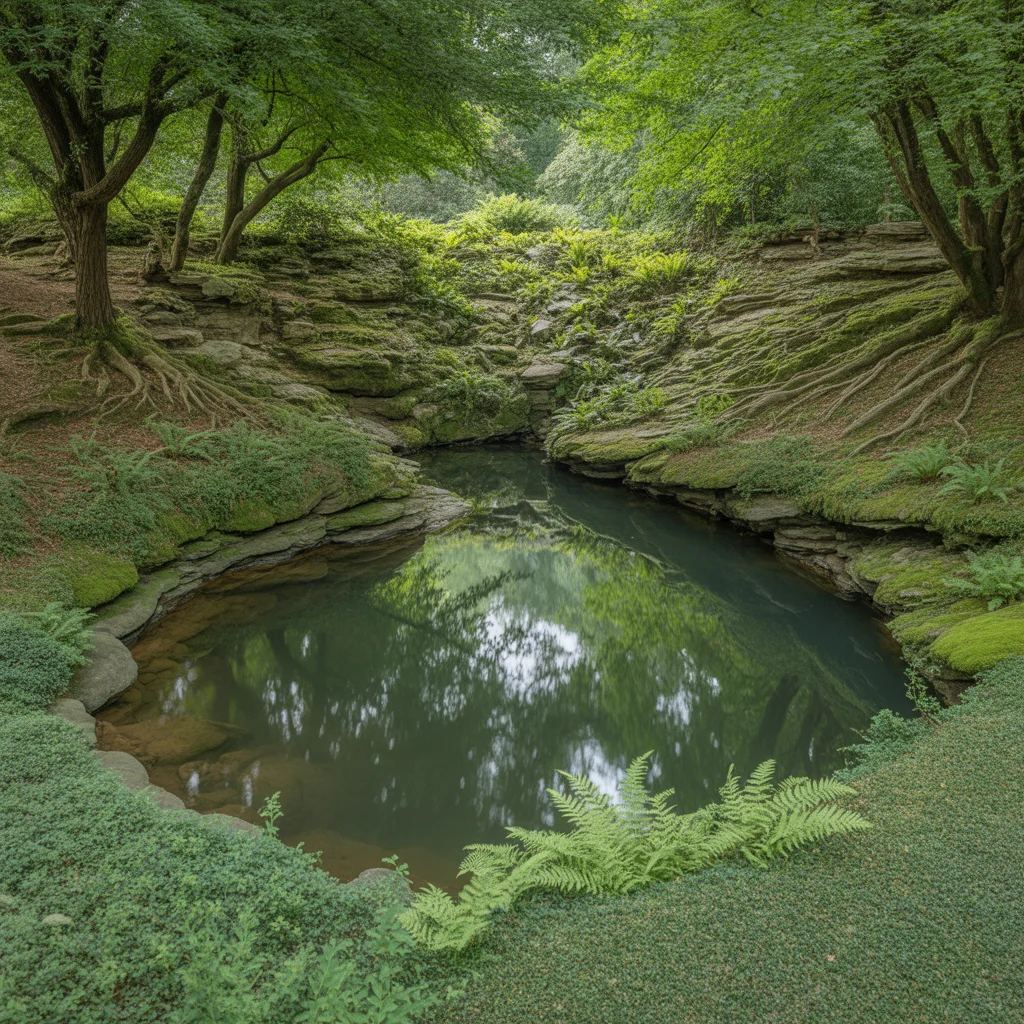
A clay-lined natural woodland pond uses puddled clay rather than a synthetic liner to create the most authentic and natural pond base, suiting a naturalistic woodland garden where a genuinely natural construction is wanted. I built a clay-lined pond in a woodland garden using puddled clay, and the completely natural base, with no visible artificial liner anywhere, gave the finished pond an authenticity and a seamless connection to the surrounding earth that a synthetic liner could never quite achieve.
Clay Pond Construction Basics
Puddled clay lining, adequate clay depth, and protection from drying are three basics suited to clay pond construction. Puddled clay, worked to a dense waterproof layer, forms the natural watertight base of the pond. An adequate clay depth, well compacted, ensures the lining holds water reliably. Protection from drying out is essential, since a clay lining that dries can crack and leak, making clay best suited to ponds that stay reliably full.
When Clay Suits a Woodland Pond
Suitable soil, a reliable water level, and a naturalistic intention are three conditions suited to a clay-lined pond. Suitable existing clay soil makes a natural clay lining far more practical and authentic. A reliable water level that keeps the clay permanently wet prevents the drying and cracking that threatens a clay pond. A naturalistic intention, where the most authentic natural construction is the priority, makes the extra effort of clay lining worthwhile in a woodland setting.
Liner-Built Woodland Garden Pond
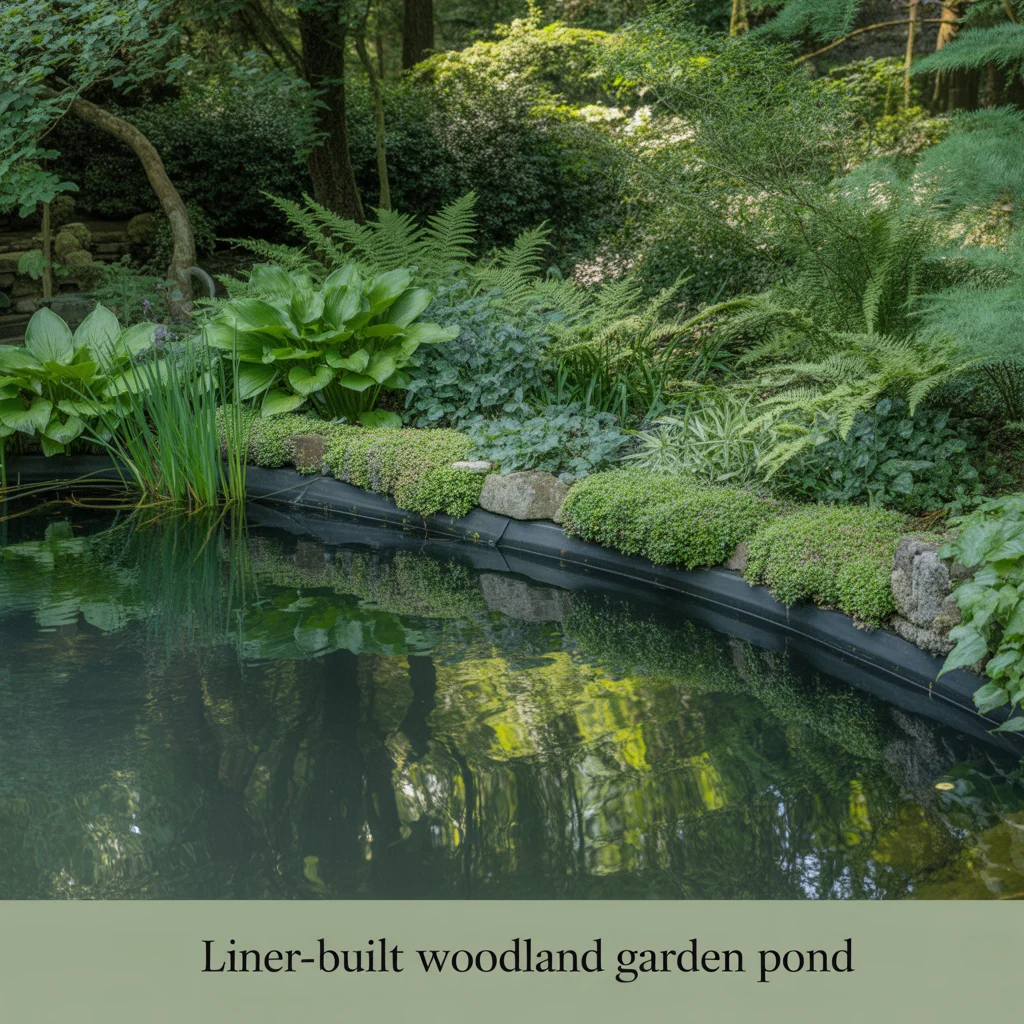
A liner-built woodland garden pond uses a flexible pond liner to create a reliable, watertight pool that suits most woodland gardens and provides a practical, achievable route to a beautiful naturalistic pond. I build most woodland ponds with a flexible liner over protective underlay, because a quality liner conforms to any naturalistic shape, holds water reliably regardless of soil type, and — once disguised beneath edging and planting — produces a pond indistinguishable from a natural pool.
Liner Options for a Woodland Pond
EPDM rubber liner, butyl liner, and a protective underlay are three components suited to a liner-built woodland pond. EPDM rubber liner provides a flexible, durable, long-lasting liner that conforms to naturalistic shapes with a service life of decades. Butyl liner offers similar flexibility and durability at a slightly higher cost. A protective underlay beneath the liner cushions it from stones and roots, protecting against punctures in the woodland soil.
Disguising a Pond Liner Naturally
Edge burial, stone and planting cover, and a shallow planted margin are three techniques suited to disguising a pond liner. Edge burial, tucking the liner edge into a trench beneath the surrounding soil and planting, hides the perimeter. Stone and planting cover over the liner edge conceals it completely around the pond. A shallow planted margin where marginal plants grow in submerged soil over the liner hides the liner beneath foliage and makes the edge look entirely natural.
Dappled Light and Woodland Pond Reflections
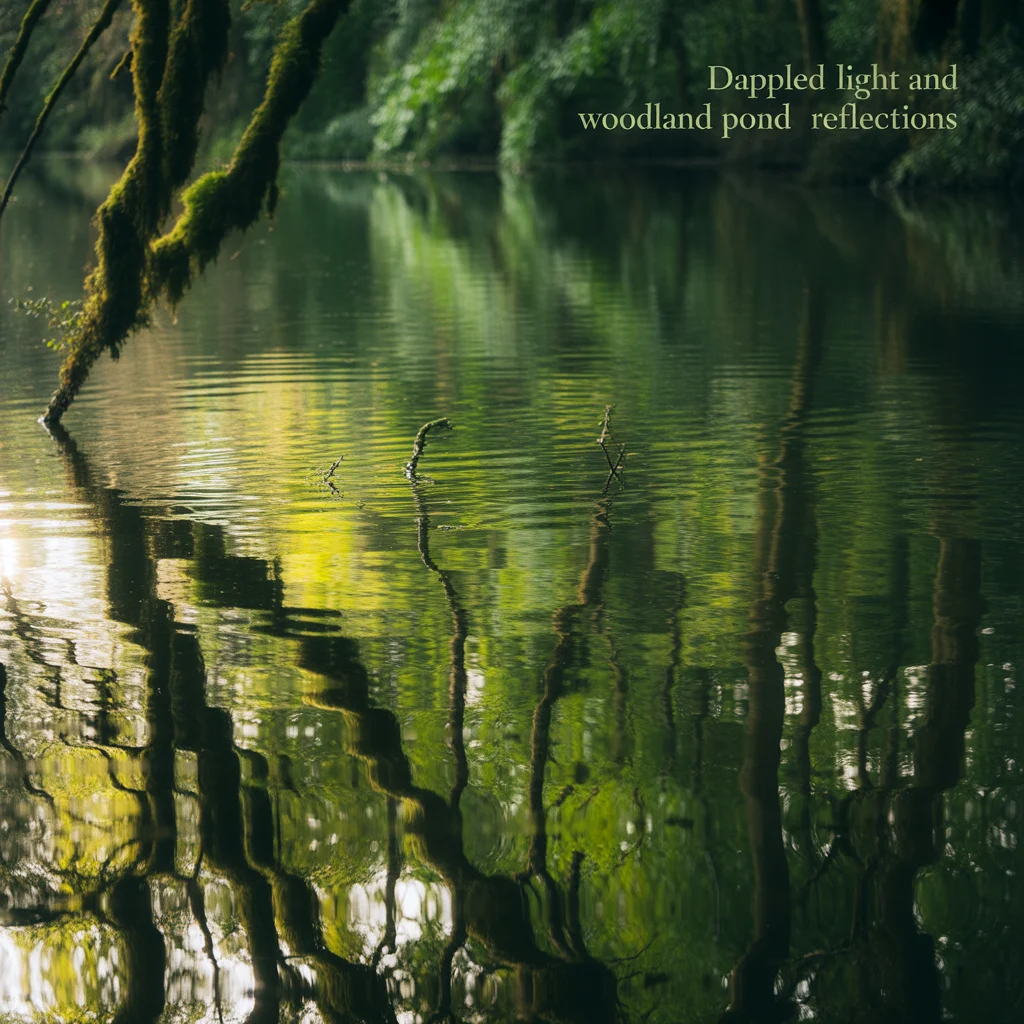
Dappled light and woodland pond reflections are among the most magical qualities of a woodland pond, as the still water surface mirrors the surrounding trees, sky, and shifting canopy light to create an enchanting, ever-changing reflection. I site woodland ponds to capture these reflections wherever possible, because the sight of the dappled canopy light and the surrounding trees mirrored in the still surface of a woodland pond is one of the most beautiful and tranquil effects achievable in any garden.
Capturing Reflections in a Woodland Pond
A still water surface, an open reflecting zone, and a framed view are three elements suited to capturing pond reflections. A still water surface, undisturbed by excessive movement, provides the mirror that creates reflections. An open reflecting zone of clear water, kept free of surface planting in part of the pond, allows the reflections to form. A framed view of trees, sky, or canopy mirrored in the water completes the reflection effect, doubling the beauty of the woodland setting.
Balancing Reflection and Planting
A clear central zone, planted margins, and a viewing position are three principles suited to balancing reflection and planting. A clear central zone of open water preserves the reflective surface. Planted margins around the edges provide habitat and beauty without covering the reflecting water. A viewing position from which the reflections are best seen, such as a bench or path, ensures the magical mirror effect is enjoyed from where the garden is experienced.
Managing Shade for a Woodland Pond
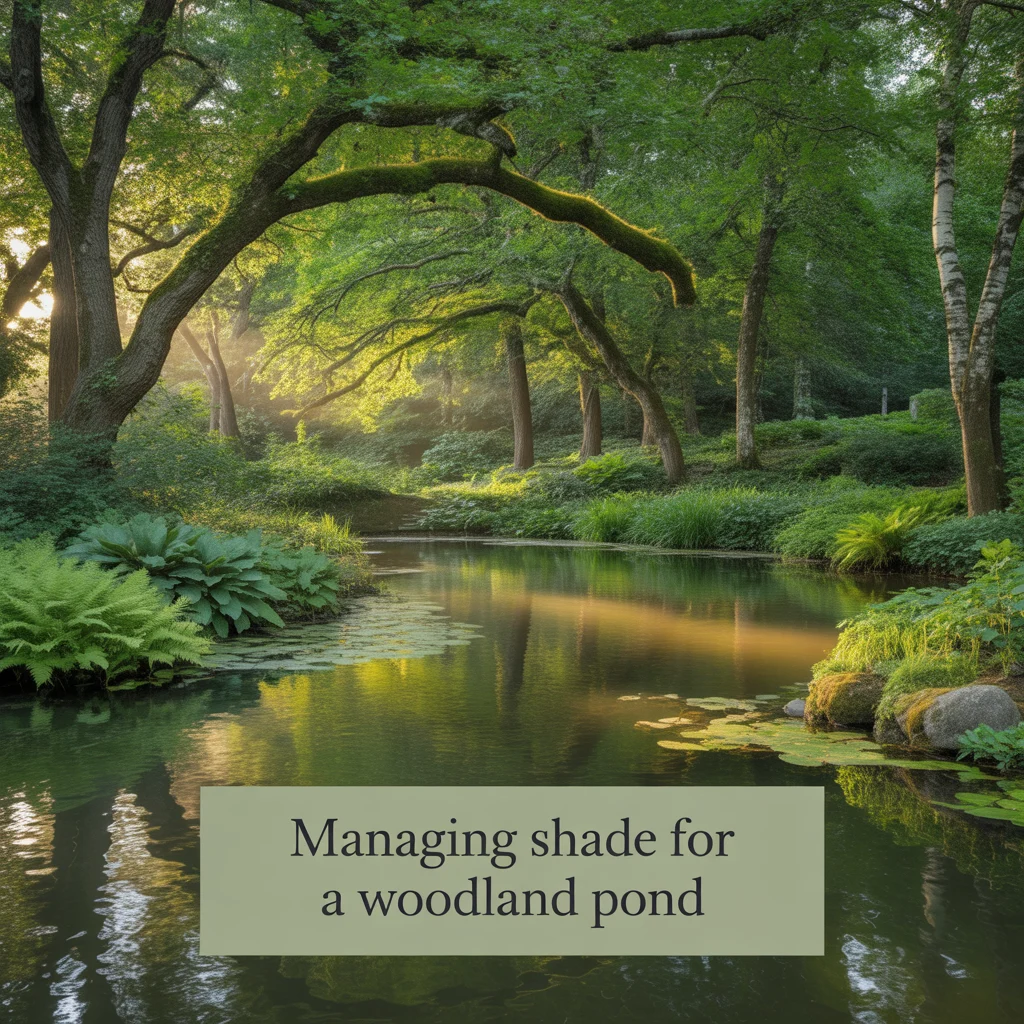
Managing shade for a woodland pond is one of the most important design considerations, because while dappled shade creates atmosphere and reflections, aquatic plants and pond health need adequate light, requiring a careful balance. I always assess the light carefully when siting a woodland pond, because the shade that gives a woodland pond its magical character can also limit the aquatic planting and pond health if too dense, making the balance between shade and light a central design decision.
Balancing Shade and Light
A partly open canopy, a dappled light position, and avoiding deep shade are three principles suited to balancing shade and light. A partly open canopy that allows dappled light through suits both atmosphere and plant health. A dappled light position, rather than deep continuous shade, provides enough light for aquatic plants while retaining woodland character. Avoiding the deepest shade beneath dense evergreen canopy ensures the pond receives the light its planting and ecosystem need.
Dealing With Leaf Fall
Autumn leaf clearing, a leaf net, and tolerating some leaf litter are three approaches suited to dealing with leaf fall. Autumn leaf clearing removes the heaviest leaf fall before it sinks and decomposes in the pond. A leaf net stretched over the pond during peak leaf fall captures the bulk of the leaves for easy removal. Tolerating some leaf litter, since a natural woodland pond will always receive leaves and a modest amount supports the natural ecosystem, balances cleanliness against naturalness.
Native Marginal Planting for a Woodland Pond
Native marginal planting for a woodland pond fills the shallow shelves and edges with native moisture-loving plants that provide habitat, beauty, and the natural soft edges that define a wildlife pond. I plant generous native marginals around every woodland pond, because the marginal zone is where most pond life concentrates, and native marginal plants provide the cover, breeding habitat, and naturalistic soft edges that turn a pool of water into a thriving woodland pond.
Native Marginal Plants for a Woodland Pond
Iris pseudacorus, Caltha palustris, and Myosotis scorpioides are three native marginals suited to a woodland pond. Iris pseudacorus, yellow flag iris, provides tall structural foliage and yellow flowers in the marginal shallows, offering cover for wildlife. Caltha palustris, marsh marigold, produces bright golden spring flowers at the water’s edge. Myosotis scorpioides, water forget-me-not, produces delicate blue flowers that soften the pond margin and spread naturally along the edge.
Planting the Marginal Shelf
A shallow planting shelf, native species selection, and natural drifts are three approaches suited to planting the marginal shelf. A shallow planting shelf around the pond edge, at a few inches’ water depth, provides the zone for marginal plants. Native species selection ensures the marginals support local wildlife and suit the conditions. Natural drifts of marginal planting, rather than evenly spaced individual plants, create the informal, naturalistic edge of a genuine woodland pond.
Bog Garden Surrounding a Woodland Pond
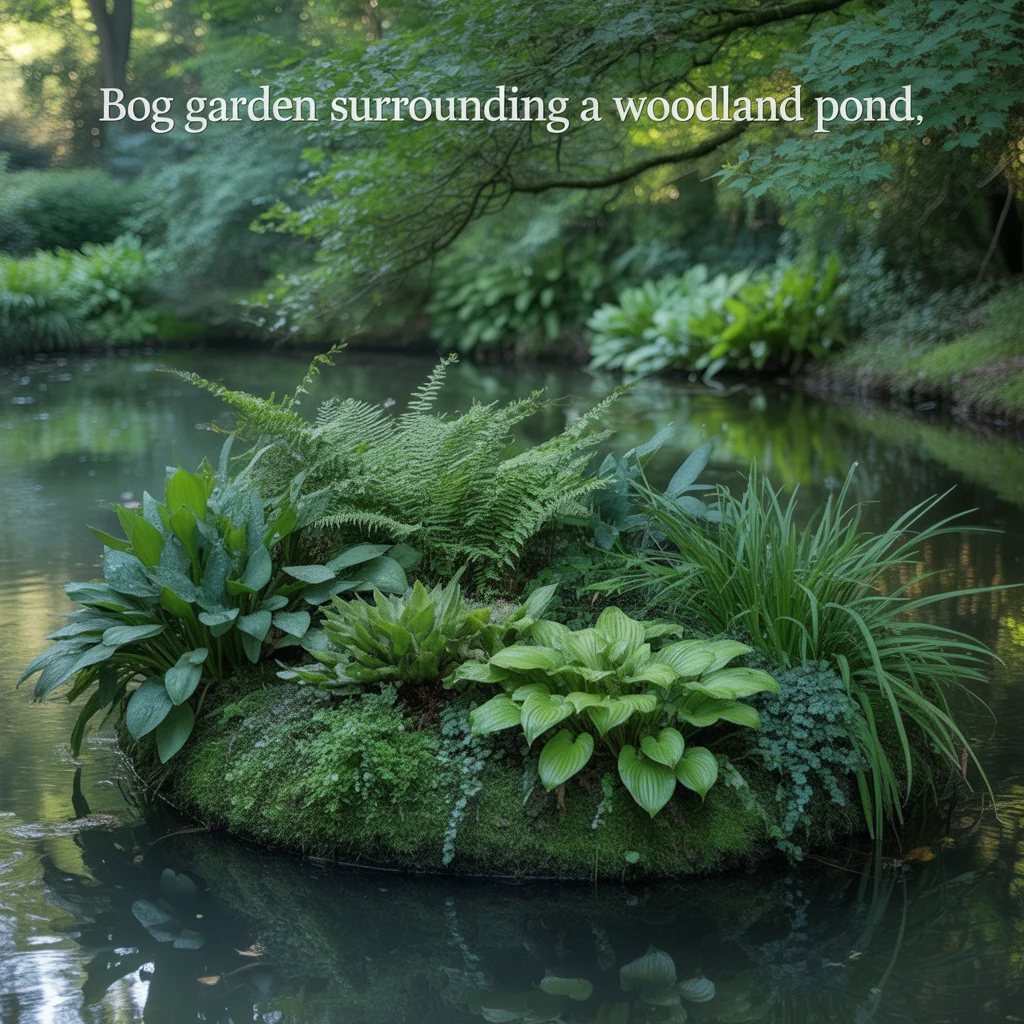
A bog garden surrounding a woodland pond extends the habitat and planting into the permanently moist ground around the margins, growing lush moisture-loving plants that blur the boundary between pond and woodland. I create a bog garden margin around many woodland ponds, because the damp ground beside the water is perfect for bold moisture-loving planting, and a bog garden both extends the wildlife habitat and creates a lush, layered transition from open water to woodland floor.
Creating a Bog Garden Beside a Pond
A moisture-retentive margin, a perforated liner, and moisture-loving planting are three elements suited to a pond-side bog garden. A moisture-retentive margin of damp soil beside the pond provides the conditions bog plants need. A perforated liner beneath the bog area retains moisture while allowing slow drainage to prevent stagnation. Moisture-loving planting suited to the permanently damp soil fills the bog garden with lush growth.
Bog Plants for a Woodland Pond Margin
Primula candelabra types, Astilbe, and Rodgersia are three bog plants suited to a woodland pond margin. Candelabra primulas produce tiered whorls of spring and early summer flower in the damp margin. Astilbe produces feathery plumes above ferny foliage in moist shade. Rodgersia produces bold, architectural foliage that anchors the bog planting with strong structure beside the woodland pond.
Natural Stone and Log Pond Edging
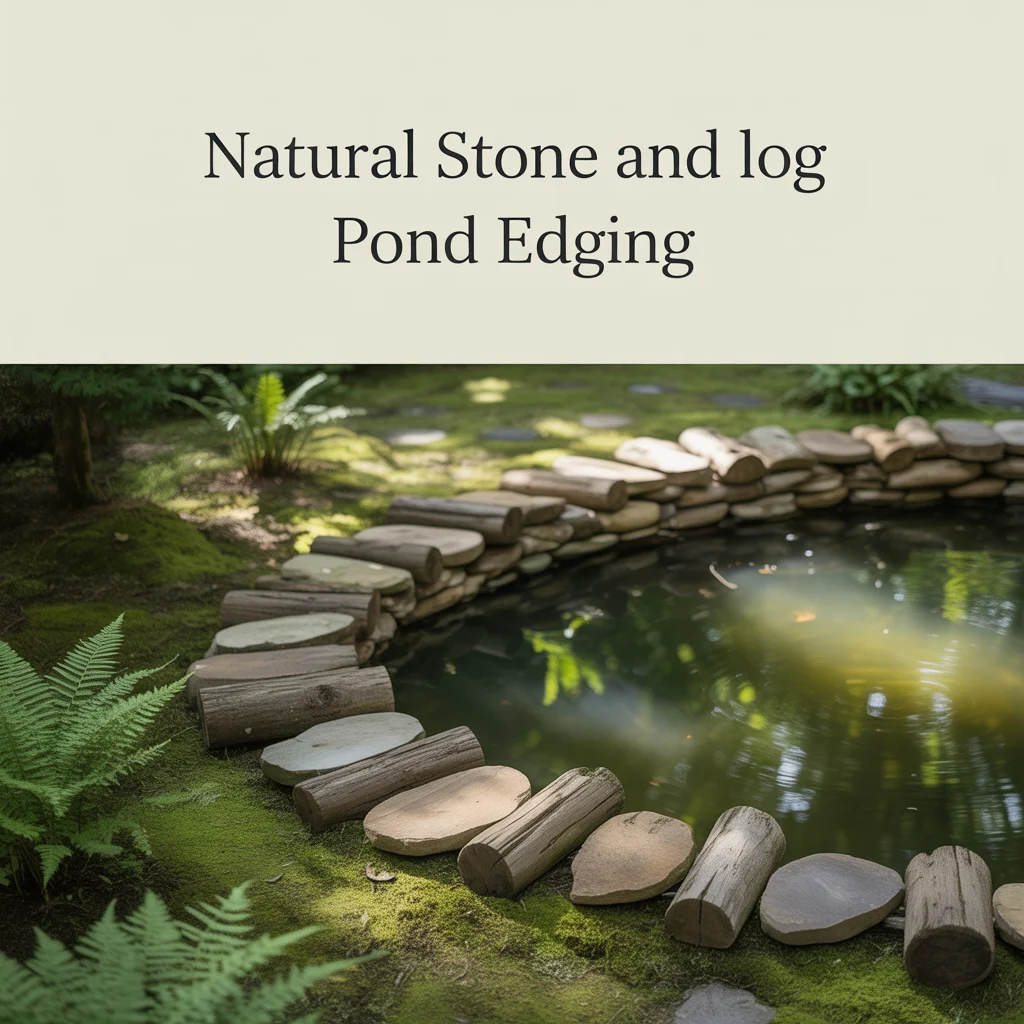
Natural stone and log pond edging finishes the pond margins with natural materials that disguise the construction, provide wildlife habitat, and create the authentic naturalistic edges of a genuine woodland pool. I edge woodland ponds with natural stone and logs because these materials both hide the liner or construction and provide the crevices, basking spots, and refuge that wildlife uses, completing the naturalistic appearance and ecological function of the pond margin.
Edging Materials for a Woodland Pond
Natural stone, timber logs, and pebble beaches are three edging materials suited to a woodland pond. Natural stone set around the margin disguises the edge and provides basking and refuge spots for wildlife. Timber logs along the edge offer a softer, woodland-appropriate edging that provides habitat as they age. Pebble beaches at a shallow margin create a gently shelving access point for wildlife and a naturalistic transition into the water.
Wildlife Benefits of Natural Edging
Crevice refuge, basking spots, and access points are three wildlife benefits of natural pond edging. Crevice refuge in the gaps between stones and logs provides shelter for amphibians and invertebrates. Basking spots on stone and timber provide the warm surfaces wildlife uses. Access points where the natural edging shelves gently into the water give wildlife safe entry and exit, making the natural edging both beautiful and ecologically valuable.
Woodland Wildlife Pond for Amphibians
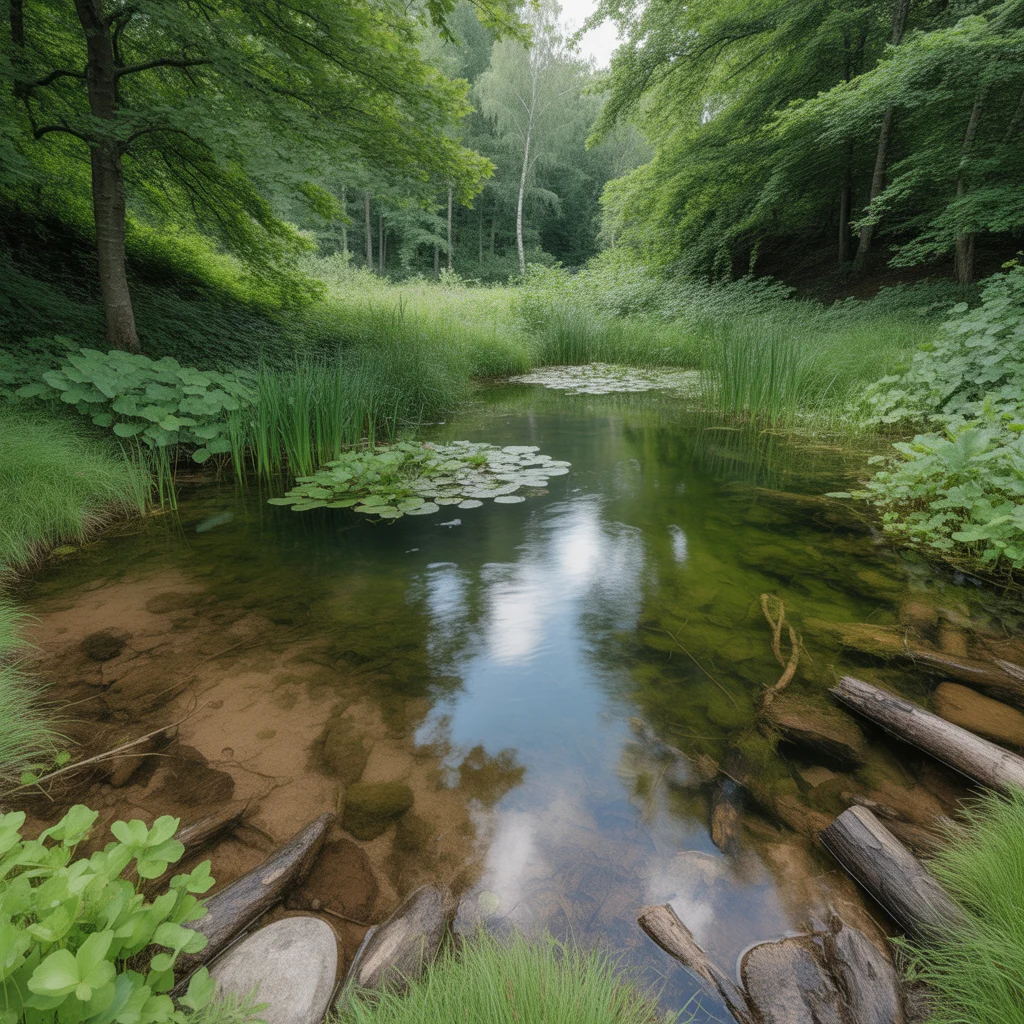
A woodland wildlife pond for amphibians is designed specifically to support frogs, toads, and newts, providing the shallow breeding margins, cover, and surrounding habitat these creatures need through their life cycle. I design amphibian-focused woodland ponds with generous shallow margins and dense planting, because amphibians are among the most rewarding and ecologically important pond visitors, and a pond designed for their needs quickly becomes a thriving breeding habitat.
Amphibian Habitat Requirements
Shallow breeding margins, aquatic vegetation, and surrounding cover are three requirements suited to amphibian habitat. Shallow breeding margins provide the warm, accessible shallows where amphibians lay spawn. Aquatic vegetation offers the submerged surfaces amphibians attach spawn to and shelter for tadpoles. Surrounding cover of dense planting and log piles provides the damp, sheltered terrestrial habitat amphibians need outside the breeding season.
Supporting the Amphibian Life Cycle
Spring breeding habitat, summer juvenile cover, and winter shelter are three needs suited to supporting the amphibian life cycle. Spring breeding habitat in the shallow, planted margins supports spawning and tadpole development. Summer juvenile cover in dense marginal and surrounding planting shelters emerging young amphibians. Winter shelter in log piles, leaf litter, and frost-free pond depths allows amphibians to survive the cold season, completing the life cycle the woodland pond supports.
Attracting Dragonflies and Pond Insects
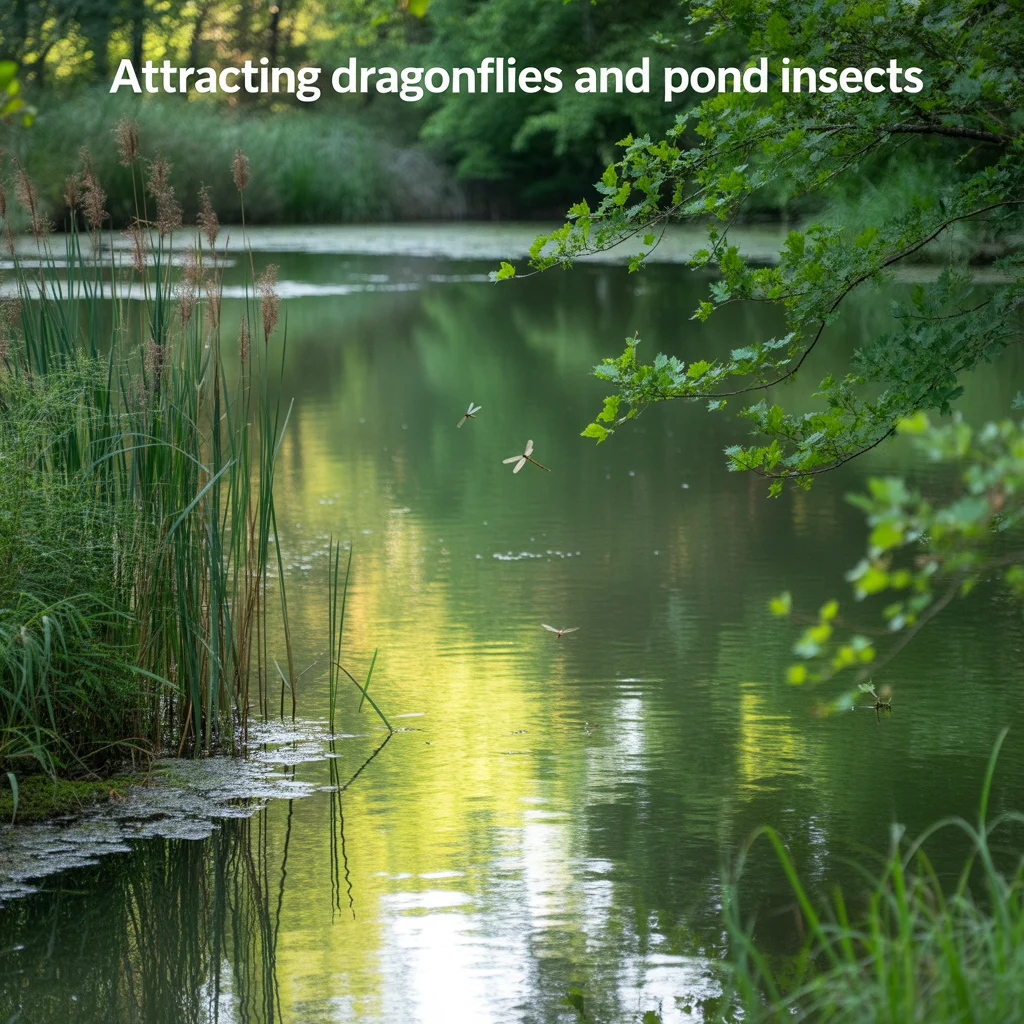
Attracting dragonflies and pond insects fills the woodland pond with the movement, colour, and ecological richness of aquatic invertebrate life, from hunting dragonflies to the countless insects that form the base of the pond food web. I design woodland ponds to attract this insect life, because dragonflies and damselflies hunting over the water are among the most beautiful and lively sights a woodland pond provides, and the invertebrate community underpins the entire pond ecosystem.
Features That Attract Dragonflies
Emergent planting, open water, and sunny perches are three features suited to attracting dragonflies. Emergent planting provides the vertical stems dragonfly larvae climb to emerge as adults. Open water gives adult dragonflies the hunting territory and breeding surface they need. Sunny perches on marginal plants and stems provide the basking and watching spots from which dragonflies hunt over the pond.
Supporting Pond Invertebrate Life
Varied habitat, native planting, and chemical-free water are three approaches suited to supporting pond invertebrate life. Varied habitat across the pond’s depths and margins provides niches for diverse invertebrates. Native planting supports the local insect life that has evolved alongside it. Chemical-free water, free of pesticides and additives, protects the sensitive invertebrate community that forms the foundation of the woodland pond food web.
Small Woodland Garden Pond Ideas
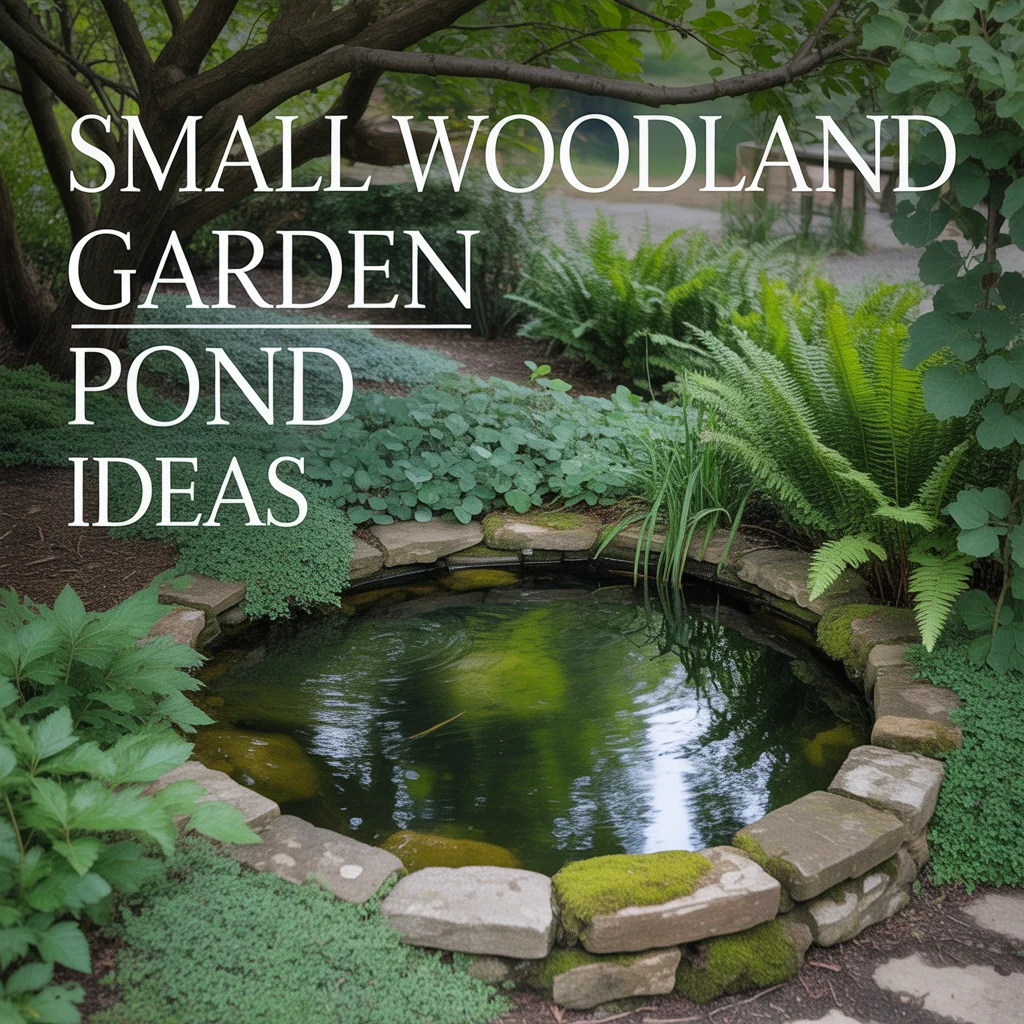
Small woodland garden pond ideas bring the wildlife value and beauty of a woodland pond to compact spaces, proving that even a small shaded garden can support a thriving aquatic habitat. I have created woodland ponds in surprisingly small spaces, because even a modest pool delivers exceptional wildlife benefit, and a small woodland pond well designed with shelving edges and native planting can support nearly as much life as a larger one.
Designing a Small Woodland Pond
A compact shelving design, varied micro-depths, and dense edge planting are three approaches suited to a small woodland pond. A compact shelving design with a gently sloping edge provides wildlife access even in a small pond. Varied micro-depths from shallow margin to a deeper centre give a range of conditions in a limited space. Dense edge planting around a small pond provides the cover and habitat that make it wildlife-rich despite its size.
Container and Mini Woodland Ponds
A half-barrel pond, a sunken container, and a small preformed pond are three options suited to a mini woodland pond. A half-barrel pond provides a simple, characterful container pond for a small woodland corner. A sunken container set into the ground creates a small in-ground pool with naturalistic edges. A small preformed pond offers a ready-made shape for a compact woodland pond, all capable of supporting genuine wildlife in a small space.
Backyard Woodland Pond
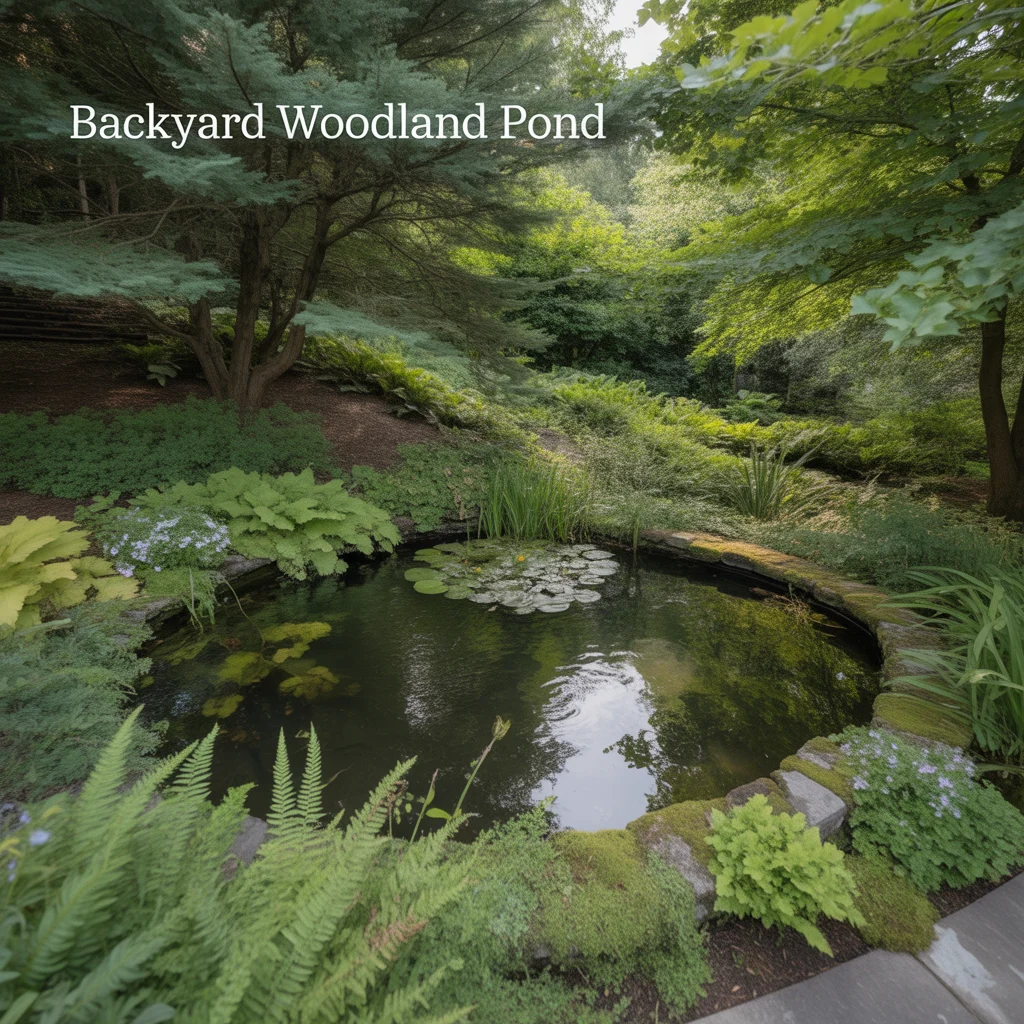
A backyard woodland pond brings the naturalistic woodland pond concept to a domestic backyard, transforming an ordinary suburban garden into a wildlife-rich woodland habitat with a natural pool at its heart. I have created backyard woodland ponds in conventional suburban gardens, because even a typical backyard can host a beautiful naturalistic pond that brings exceptional wildlife, tranquility, and woodland character to a domestic setting.
Planning a Backyard Woodland Pond
A suitable position, an appropriate scale, and naturalistic integration are three considerations suited to a backyard woodland pond. A suitable position with the right balance of light and shade and safe distance from large tree roots sets the pond up to thrive. An appropriate scale proportionate to the backyard ensures the pond fits the space. Naturalistic integration with surrounding planting and natural edging settles the pond into a woodland-style setting within the backyard.
Safety in a Backyard Pond
Gentle shelving edges, awareness for children, and secure access are three safety considerations for a backyard pond. Gentle shelving edges provide a safe gradient and an exit route for anyone or anything that enters the water. Awareness for children is essential where young children use the garden, since even shallow water carries risk. Secure access, whether through positioning or appropriate barriers, balances pond safety with the wildlife value of an open, accessible pool.
Pond and Woodland Stream Combination
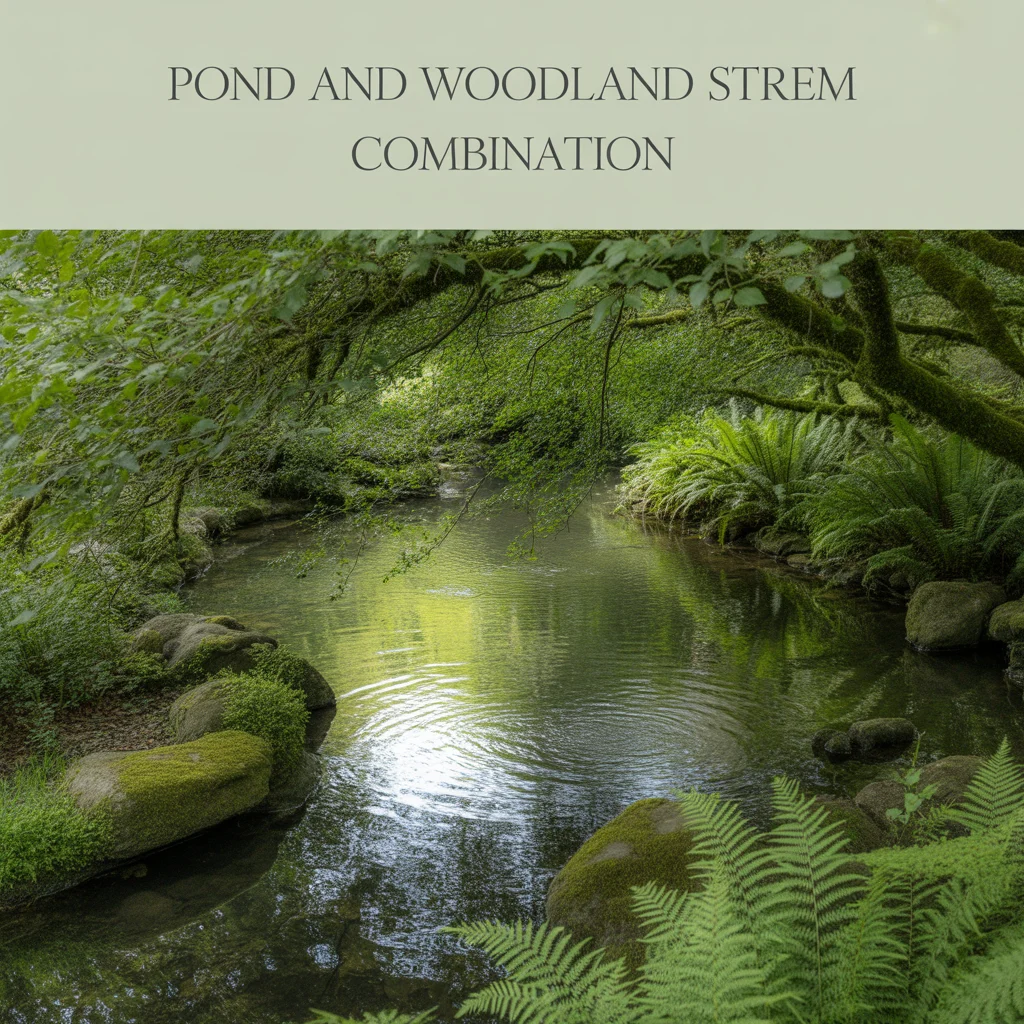
A pond and woodland stream combination links a still woodland pond with a flowing stream to combine the reflective calm and habitat of still water with the sound and movement of running water in a single integrated feature. I have combined ponds with streams in woodland gardens, because the pairing of a still reflective pond with a gently flowing stream feeding into it creates the most complete and sensory-rich water feature a woodland garden can hold, uniting tranquility, movement, and exceptional habitat.
Linking a Stream and Pond
A stream inflow, a gentle transition, and a recirculating system are three elements suited to linking a stream and pond. A stream inflow where moving water enters the pond over a shallow riffle creates a natural transition. A gentle transition that lets the stream spread and slow as it meets the still water mimics a natural watercourse. A recirculating system that pumps water from the pond back to the stream head closes the loop and keeps both features flowing.
Benefits of a Combined Feature
Combined habitat, water movement, and sensory richness are three benefits of a pond and stream combination. Combined habitat of still and moving water supports a wider range of wildlife than either alone. Water movement from the stream helps oxygenate and freshen the pond. Sensory richness from the reflective pond and the sound of the flowing stream creates the most immersive and atmospheric woodland water feature.
Woodland Pond Construction Basics
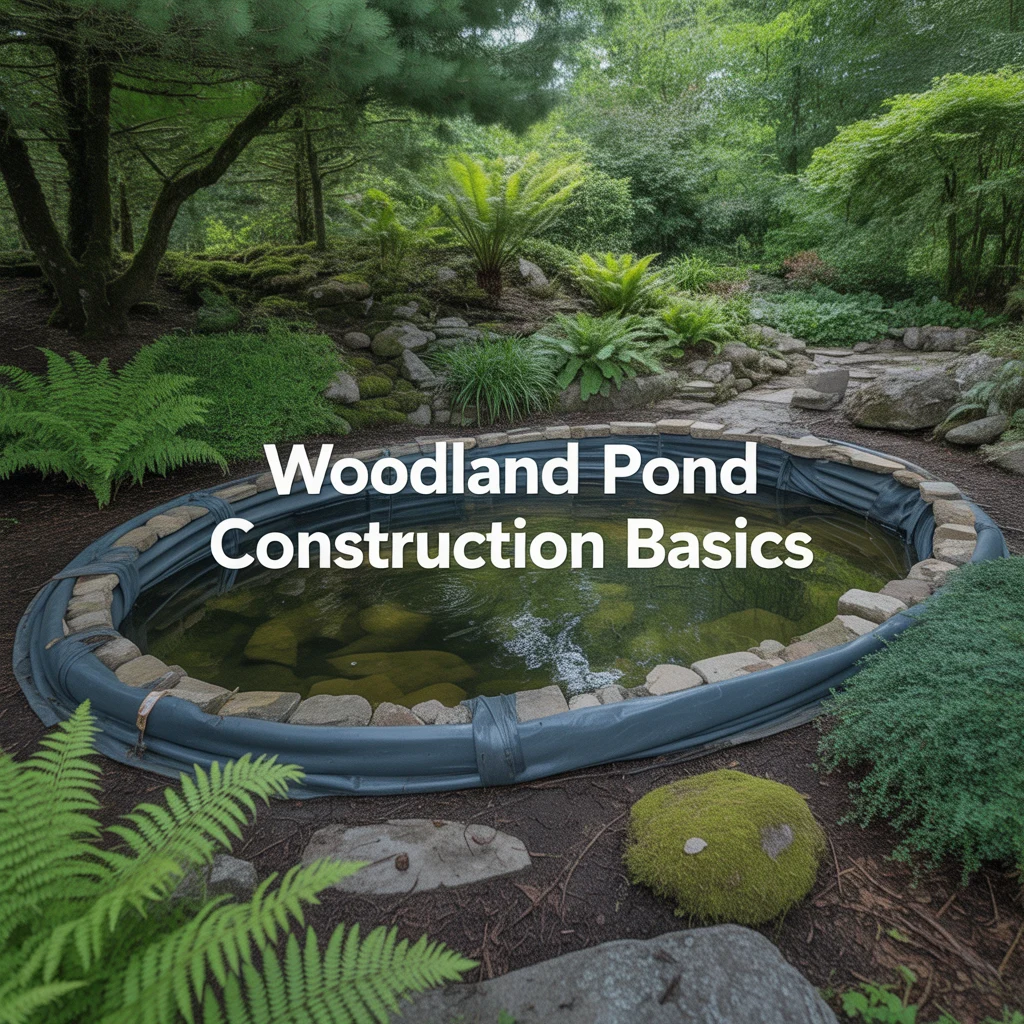
Woodland pond construction basics cover the practical steps of building a naturalistic pond, from excavation and lining to edging and filling, providing the foundation for a successful woodland pond. I follow a clear construction sequence on every woodland pond, because getting the excavation, shelving, lining, and edging right from the start is what produces a pond that holds water reliably, supports wildlife, and looks natural for decades.
Steps in Building a Woodland Pond
Excavation with shelves, lining and underlay, and edging and filling are three steps suited to woodland pond construction. Excavation with varied depths and marginal shelves creates the profile a wildlife pond needs. Lining with protective underlay and a flexible liner, or puddled clay, forms the watertight base. Edging and filling, disguising the liner edge with stone and planting and filling the pond, complete the construction.
Getting the Pond Profile Right
A shallow beach edge, a marginal shelf, and a deeper central zone are three profile elements suited to a woodland pond. A shallow beach edge provides safe wildlife access and the warm shallows where pond life concentrates. A marginal shelf at a few inches’ depth provides the zone for marginal planting. A deeper central zone of around two feet provides the frost-free refuge aquatic creatures need to survive winter, completing the varied profile of a healthy woodland pond.
Maintaining a Woodland Garden Pond
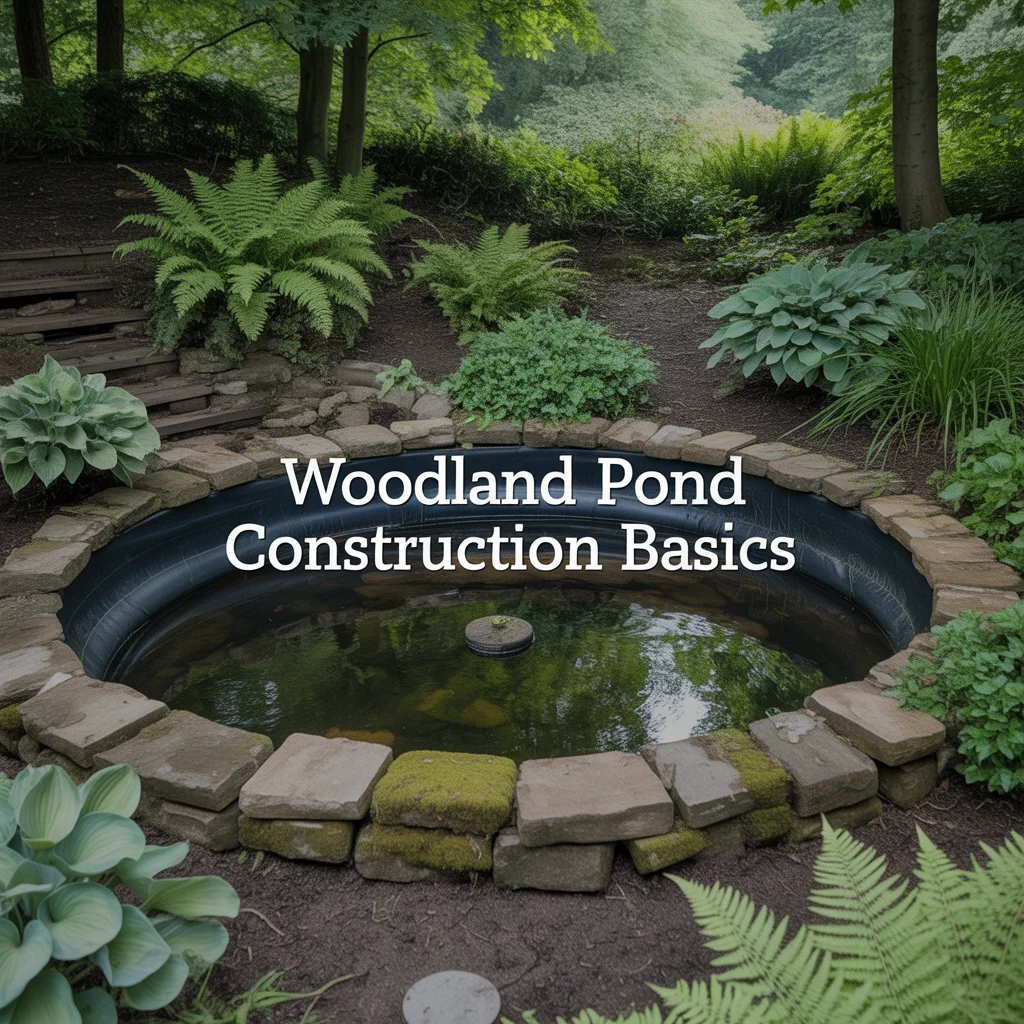
Maintaining a woodland garden pond keeps the water healthy, the planting balanced, and the wildlife thriving through modest seasonal care that works with the pond’s natural ecosystem rather than against it. I keep woodland pond maintenance light and seasonal, because a well-designed, naturally planted woodland pond largely balances itself, needing only modest intervention to manage leaves, plants, and water quality while letting the natural ecosystem do most of the work.
Seasonal Pond Maintenance Tasks
Autumn leaf management, plant management, and water level care are three seasonal pond maintenance tasks. Autumn leaf management, netting or clearing the heaviest leaf fall, prevents excessive decomposition in the pond. Plant management, thinning overvigorous marginals and removing excess growth, keeps the planting balanced. Water level care, topping up in dry spells ideally with rainwater, maintains a healthy pond through the seasons.
Keeping Pond Water Healthy
Balanced planting, avoiding nutrient overload, and minimal intervention are three approaches suited to keeping pond water healthy. Balanced planting, with adequate submerged oxygenating and marginal plants, helps keep the water clear naturally. Avoiding nutrient overload from fertilizer runoff and excessive leaf decomposition prevents the algae blooms that cloud pond water. Minimal intervention, allowing the natural ecosystem to find its balance rather than over-managing, produces the healthiest and most self-sustaining woodland pond.
Frequently Asked Questions
Can you have a pond in a shady woodland garden?
You can have a successful pond in a shady woodland garden provided the shade is dappled rather than deep and continuous, since aquatic plants and pond health need adequate light even though the woodland setting provides atmosphere and beautiful reflections. The ideal position has a partly open canopy that allows dappled light through to support aquatic planting while retaining the woodland character, avoiding the deepest shade beneath dense evergreen canopy where light is too limited for healthy plant growth. Shade actually brings real benefits, reducing the algae growth that plagues sunny ponds and providing the cool, sheltered conditions many amphibians prefer, so the key is balancing enough light for plant health against the shade that gives a woodland pond its magical, reflective character, and managing the autumn leaf fall that a tree-filled setting inevitably brings.
How do I build a wildlife pond in a woodland garden?
You build a wildlife pond in a woodland garden by excavating a varied profile with shallow shelving edges and a deeper central zone, lining it with protective underlay and a flexible liner or puddled clay, then edging and planting it with native species. The most important feature is the gently shelving edge, which provides safe wildlife access, the warm shallow margins where most pond life concentrates, and an exit route for any creature that enters, while a deeper frost-free central zone of around two feet allows aquatic life to survive winter. Disguise the liner edge with natural stone, logs, and marginal planting, fill the pond ideally with rainwater, and plant native marginals and oxygenators, then allow the pond to establish naturally, since a well-designed woodland wildlife pond will colonize with remarkable speed once the water and habitat are in place.
What plants are best for a woodland pond?
The best plants for a woodland pond are native marginal and moisture-loving species that support wildlife and suit the partly shaded conditions, including yellow flag iris, marsh marigold, and water forget-me-not in the marginal shallows. Native marginals provide the cover, breeding habitat, and naturalistic soft edges that turn a pool into a thriving wildlife pond, while a surrounding bog garden of candelabra primulas, astilbe, and rodgersia extends the planting into the damp margins with lush, shade-tolerant growth. It is important to include submerged oxygenating plants to help keep the water healthy and to choose native species throughout, since these support the local wildlife that has evolved alongside them, and to plant in natural drifts rather than evenly spaced individuals to create the informal, authentic character of a genuine woodland pond.
How do I deal with leaves falling into a woodland pond?
You deal with leaves falling into a woodland pond by netting the pond during peak autumn leaf fall, clearing the heaviest accumulation before it sinks and decomposes, while tolerating a modest amount of leaf litter as part of the natural ecosystem. A leaf net stretched over the pond through the worst of the autumn drop captures the bulk of the leaves for easy removal in a single lift, which is the most effective way to prevent excessive leaf decomposition that releases nutrients and clouds the water. Some leaf litter is natural and even beneficial in a woodland pond, supporting the invertebrate community, so the goal is not to remove every leaf but to prevent the heavy build-up that would overload the pond, making seasonal netting and clearing the simple key to managing the leaf fall a tree-filled setting inevitably brings.
How long does it take for a woodland pond to attract wildlife?
A woodland pond attracts wildlife remarkably quickly, often within days for the first insects and within a single season for a thriving community of pond life, because water is the one resource a woodland habitat most often lacks and wildlife colonizes it with astonishing speed. Pond skaters, water beetles, and other insects typically appear within the first weeks, frogs and other amphibians often arrive within the first year and may breed the following spring, and dragonflies, drinking birds, and a widening community of creatures follow as the planting establishes and the ecosystem develops. This rapid colonization is one of the great rewards of a woodland pond, since no other garden feature fills with life so fast or so completely, and the pond continues to grow richer in wildlife with each passing season as it matures into a fully established woodland habitat.