How to Kill Crabgrass in Your Lawn Naturally

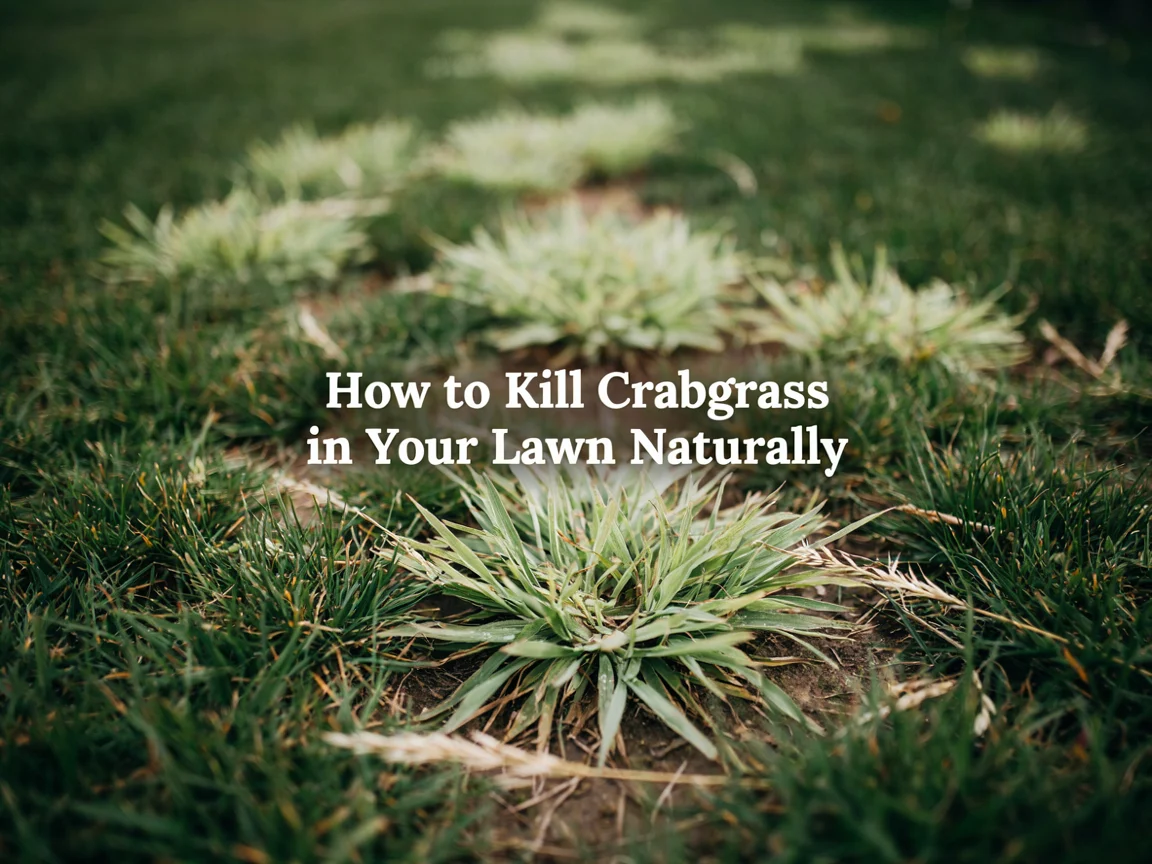
Crabgrass is one of the most common lawn weeds, spreading quickly through thin or stressed turf and competing with healthy grass for water, sunlight, and nutrients. While chemical herbicides are available, many homeowners prefer safer, eco-friendly methods that won’t harm children, pets, or beneficial plants.
If you’re wondering how to kill crabgrass in your lawn naturally, the key is to weaken existing plants, prevent new seeds from germinating, and encourage a thick, healthy lawn that naturally crowds out weeds. Here’s how to control crabgrass using effective natural methods.
Remove Crabgrass Before It Produces Seeds
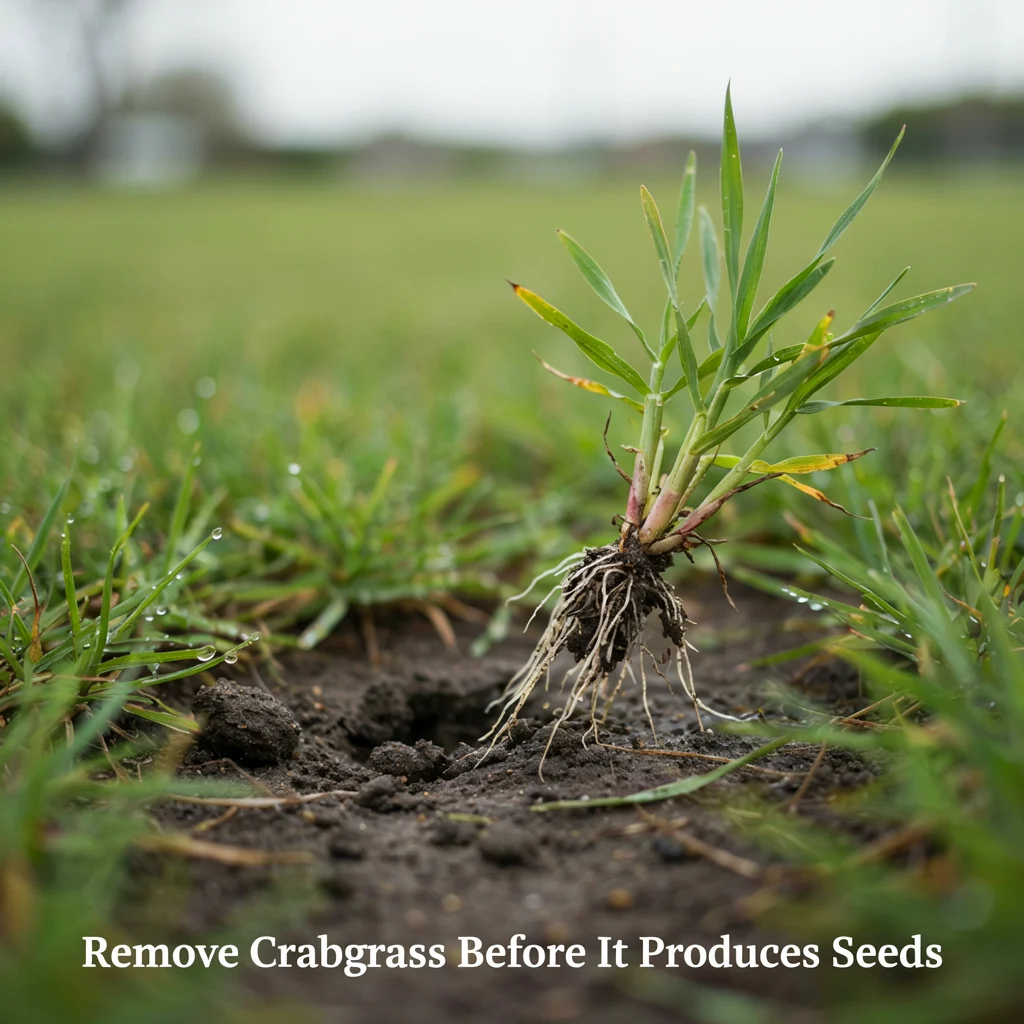
The easiest way to stop crabgrass from spreading is to remove it before it has a chance to produce thousands of seeds. Young plants are much easier to eliminate than mature ones.
Pull Crabgrass by Hand While the Soil Is Moist
After rainfall or watering, loosen the soil and pull the entire plant, making sure to remove the roots. This simple DIY method works well for small infestations and helps prevent future growth.
Dispose of Removed Plants Properly
Don’t leave pulled crabgrass on your lawn or add mature plants with seeds to your compost pile. Bag and dispose of them to stop seeds from spreading back into your yard.
Use Natural Crabgrass Killers Carefully
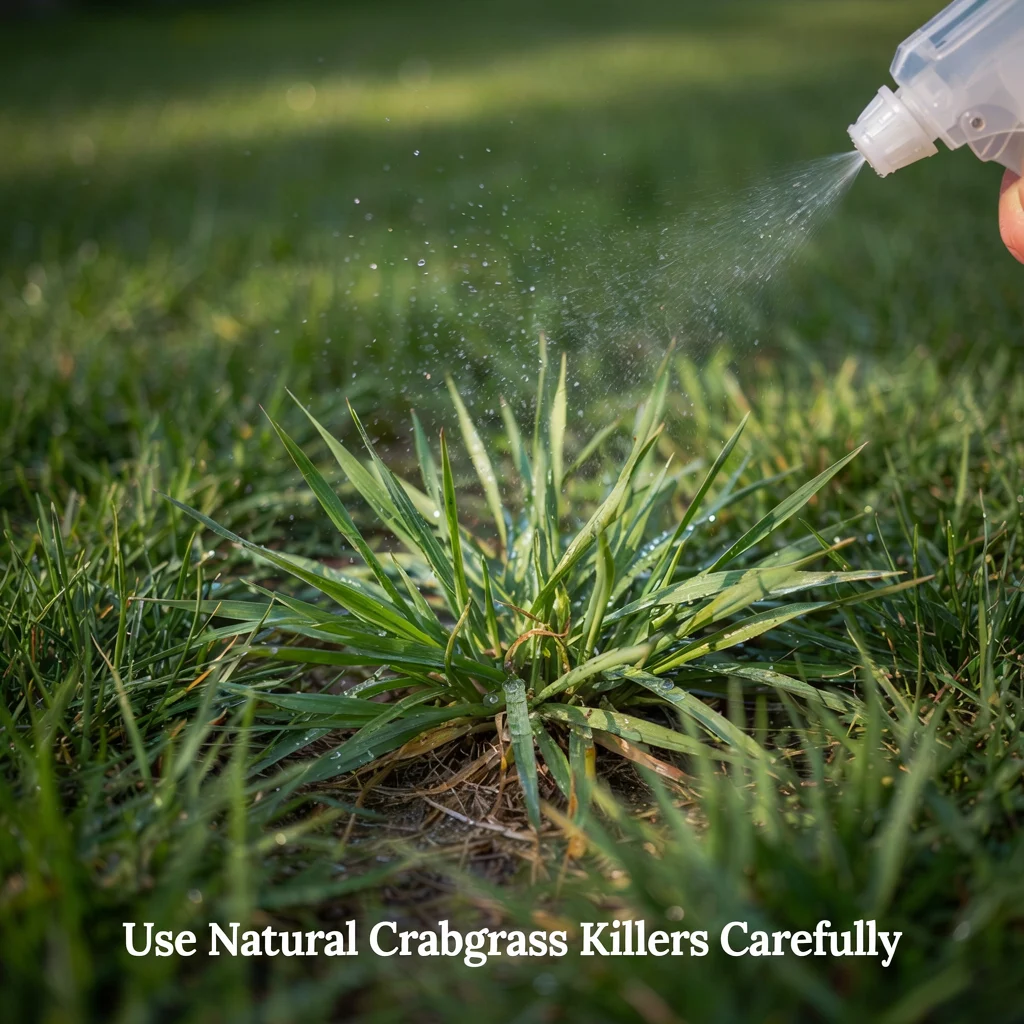
Several household ingredients can act as a natural crabgrass killer, but they should be applied carefully because they may also damage nearby grass and ornamental plants.
Does Vinegar Kill Crabgrass Naturally?
Many people search for how to kill crabgrass in your lawn naturally vinegar, and horticultural vinegar can burn crabgrass leaves when sprayed directly on the weed during hot, sunny weather. Because vinegar is non-selective, avoid spraying healthy lawn grass, as it can damage or kill desirable plants too.
Try Other DIY Natural Solutions
Boiling water can kill isolated crabgrass growing in cracks or gravel areas, while repeated hand removal remains one of the safest DIY methods for lawns where protecting surrounding grass is important.
Grow a Thick Lawn That Naturally Crowds Out Crabgrass
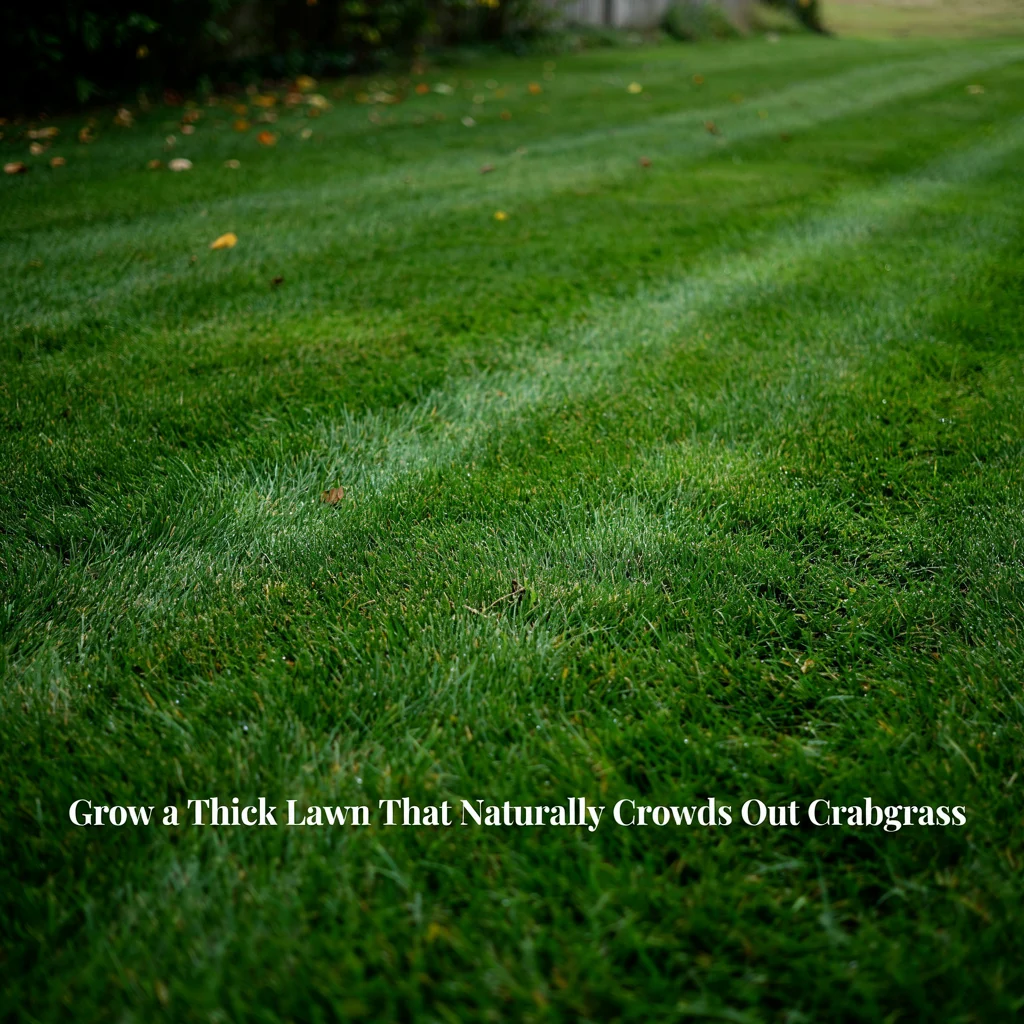
A healthy lawn is the best long-term defense against crabgrass. Thick turf blocks sunlight from reaching weed seeds and makes it harder for crabgrass to establish.
Mow High and Water Deeply
Keep grass at the recommended height for your lawn type rather than mowing too short. Deep, infrequent watering encourages stronger root systems that compete better with weeds.
Fertilize and Overseed Thin Areas
Feed your lawn according to soil needs and overseed bare patches during the appropriate season. Filling empty spaces leaves fewer opportunities for crabgrass seeds to germinate.
Choose the Right Crabgrass Killer When Natural Methods Aren’t Enough
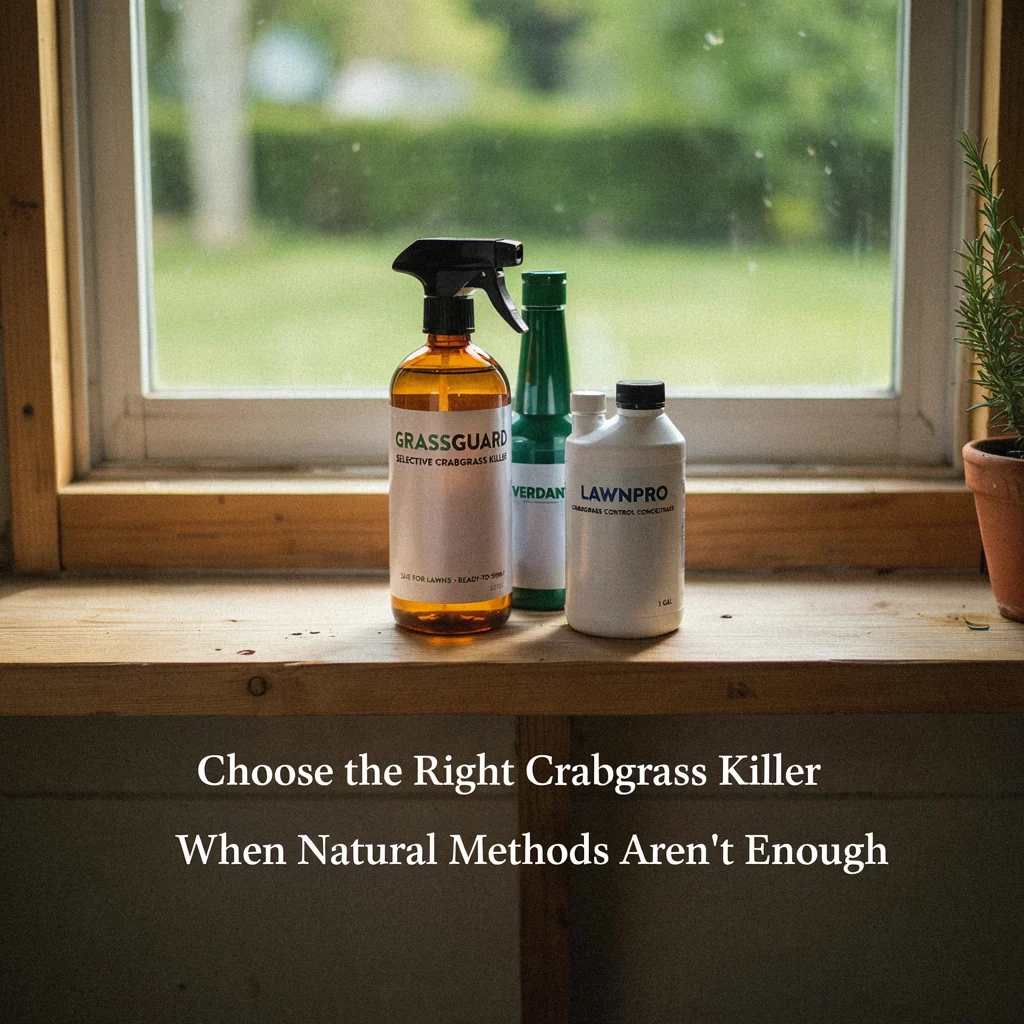
Large infestations sometimes require additional control methods. Understanding the difference between natural and commercial products helps you choose the right solution.
Best Crabgrass Killer That Won’t Kill Grass
If manual removal isn’t practical, many homeowners look for the best crabgrass killer that won’t kill grass. Selective herbicides are designed to target crabgrass while leaving established lawns largely unaffected when used according to label directions.
Post Emergent Crabgrass Killer
A post emergent crabgrass killer works on actively growing crabgrass after it has already emerged. These products are generally most effective on young plants before they mature and produce seeds.
Prevent Crabgrass From Coming Back Every Year
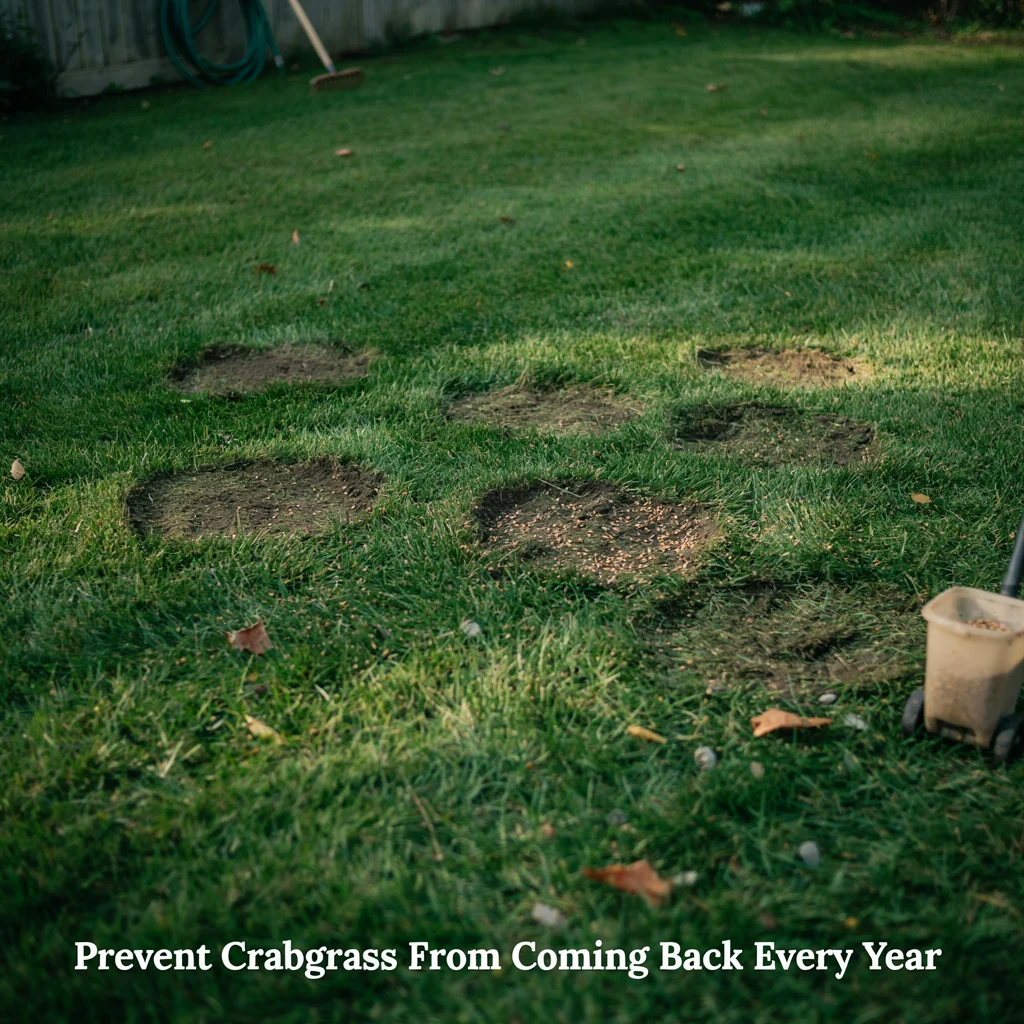
Long-term prevention is much easier than dealing with repeated outbreaks every growing season.
What Kills Crabgrass Permanently?
Many people ask what kills crabgrass permanently, but no single treatment provides a lifetime solution because new seeds can remain in the soil and germinate in future seasons. Consistent lawn care, timely removal, and preventing seed production offer the best long-term control.
What to Spray on Lawn to Kill Crabgrass
If natural methods aren’t enough, homeowners may consider what to spray on lawn to kill crabgrass using selective lawn-safe herbicides. However, maintaining dense, healthy grass remains the most effective way to reduce future infestations naturally.
Frequently Asked Questions
How do you kill crabgrass naturally?
The most effective natural methods include hand-pulling young plants, applying vinegar carefully to isolated weeds, improving lawn health, mowing at the proper height, and overseeding thin areas to prevent new growth.
Does vinegar kill crabgrass?
Yes, horticultural vinegar can burn crabgrass foliage, but it is non-selective and may also damage nearby grass if sprayed directly on your lawn.
What is the best natural crabgrass killer?
Hand-pulling, careful vinegar applications, and maintaining a thick, healthy lawn are among the most reliable natural crabgrass control methods.
What kills crabgrass permanently?
No treatment permanently eliminates crabgrass because new seeds can continue to germinate. Preventing seed production and maintaining healthy turf provide the best long-term results.
What is the best crabgrass killer that won’t kill grass?
Selective post emergent crabgrass killer products are designed to control crabgrass while protecting established lawn grass when applied correctly.
This pairs well with our guide to Deer-Resistant Flowers, Shrubs, and Trees for Your Garden.