
All About English Gardens

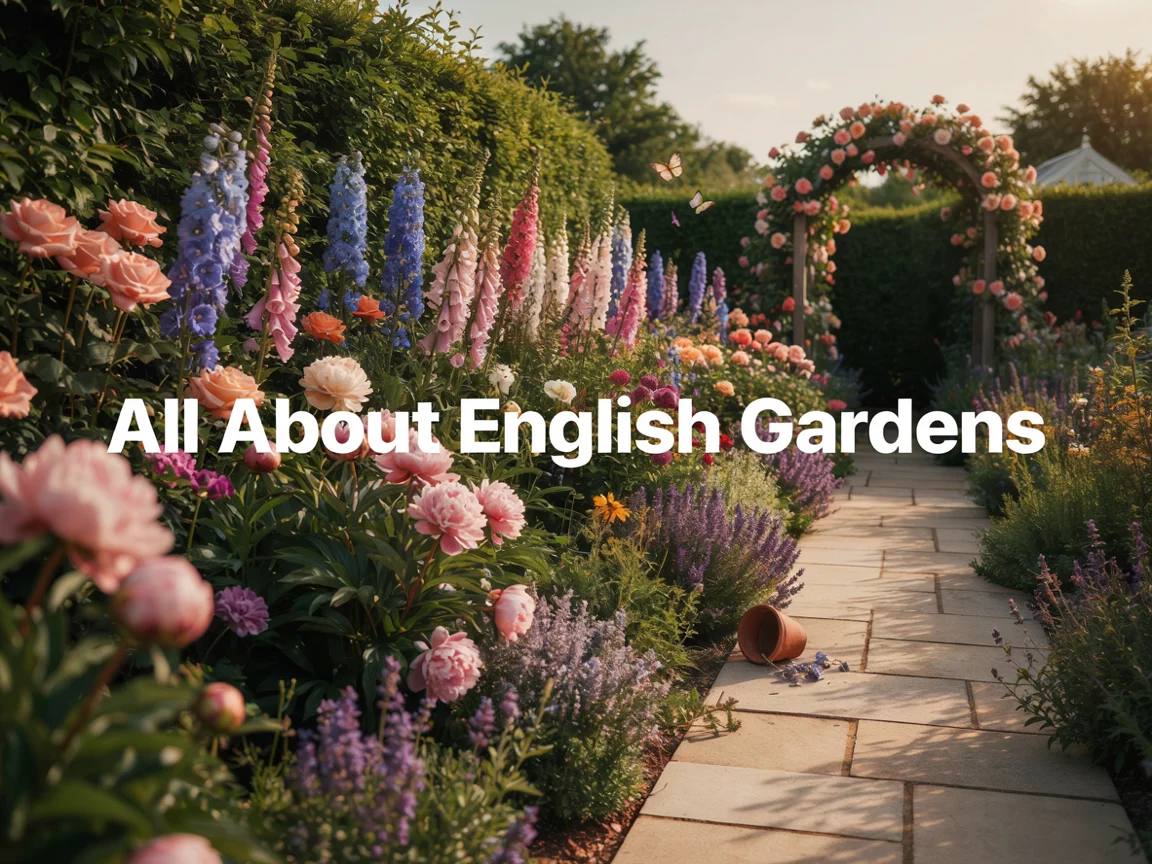
Few garden styles balance structure and abundance quite like the English garden, blending formal bones like hedges and pathways with a deliberately loose, overflowing planting style that feels romantic rather than rigid. The sections below cover where the style came from, what actually defines it, and how to bring the look into a home garden of almost any size.
The Historical Roots of the English Garden Style
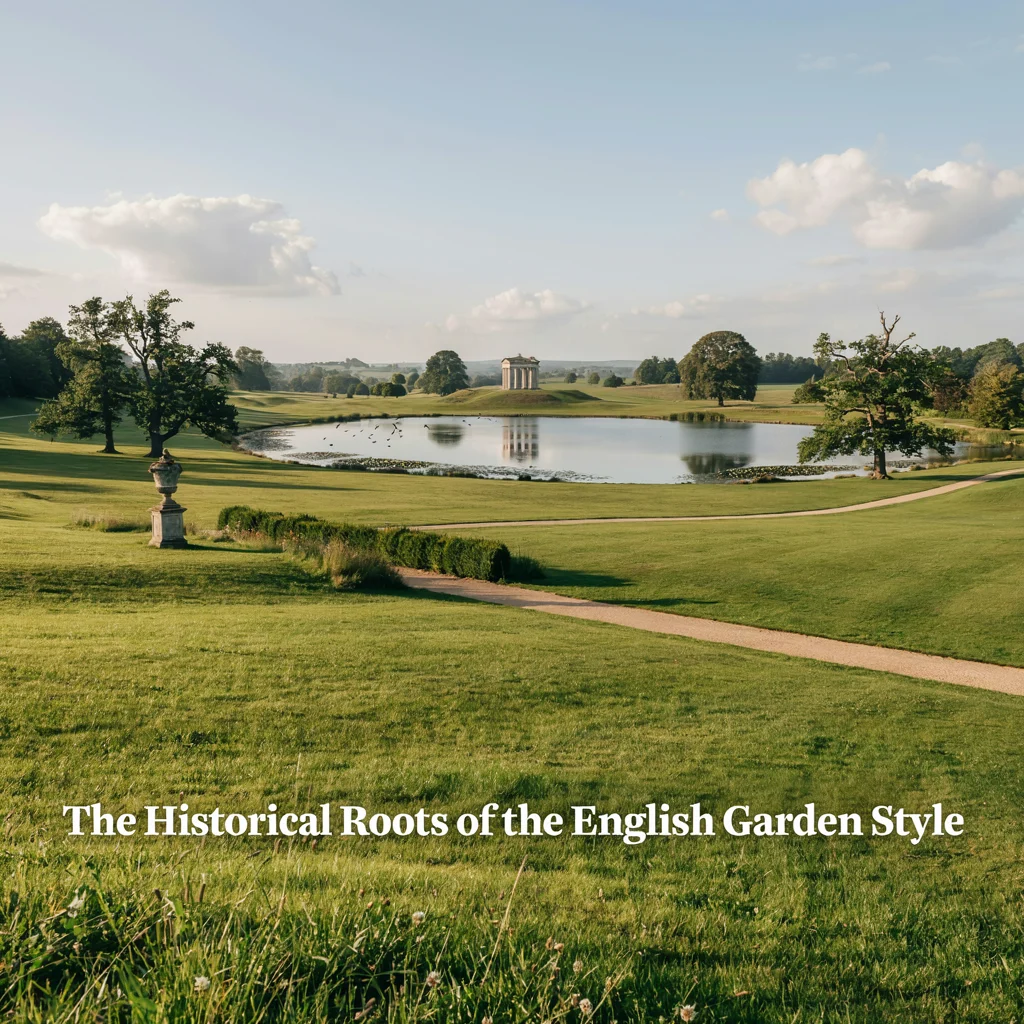
The historical roots of the English garden style trace back to the 18th century, when landscape designers began moving away from the rigid, geometric French formal garden toward something that looked more like an idealized version of the natural countryside.
How English Gardens Broke Away From Formal French Design
How English gardens broke away from formal French design comes down to a shift in philosophy, favoring sweeping lawns, natural-looking lakes, and curved paths over the strict symmetry and clipped topiary of earlier European styles.
The Rise of the Cottage Garden Tradition
The rise of the cottage garden tradition added a second, humbler influence, as working-class gardens packed with vegetables, herbs, and flowers for practical use gradually shaped the dense, informal planting style associated with English gardens today.
Key Design Principles Behind an English Garden
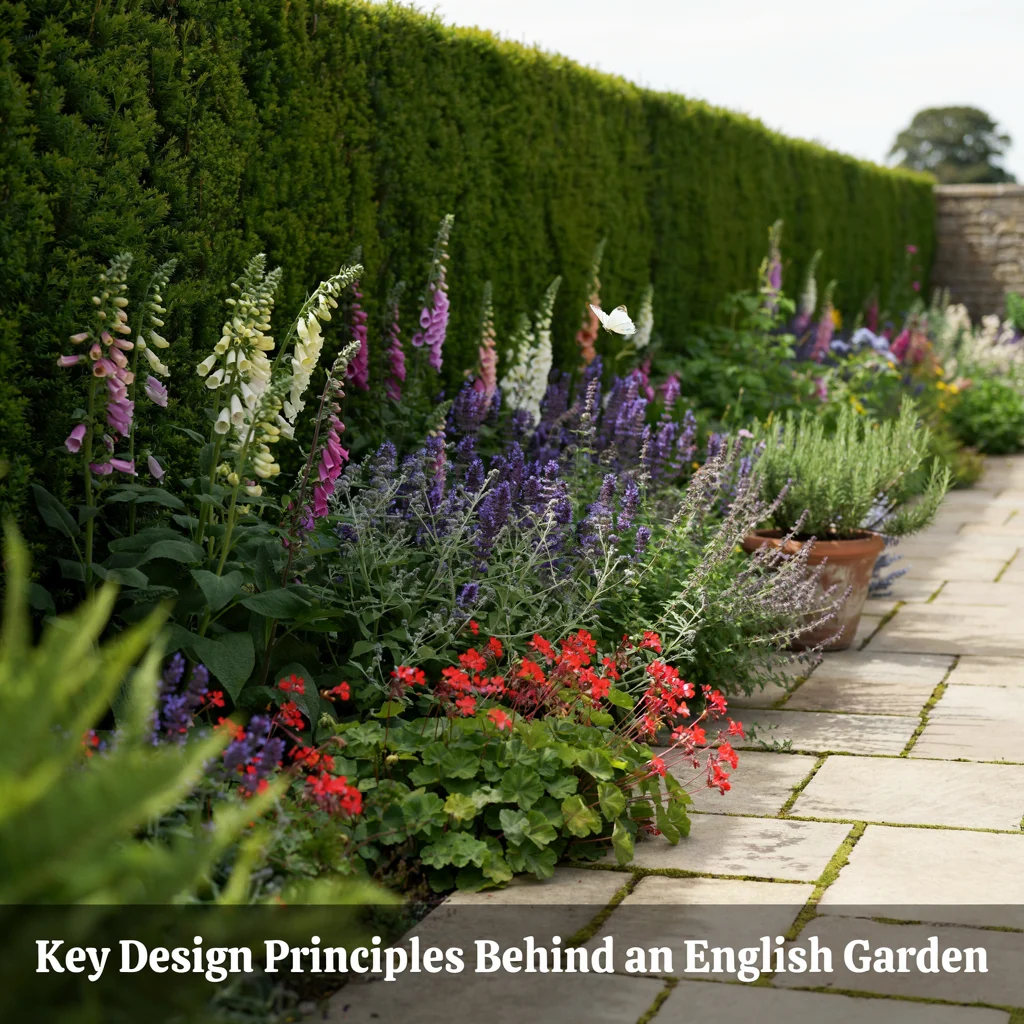
Key design principles behind an English garden combine a structured framework with intentionally loose, overflowing planting, creating a look that feels natural even though it’s carefully planned underneath.
Balancing Structure With Deliberate Informality
Balancing structure with deliberate informality means using clipped hedges, walls, or defined pathways as a backbone, then letting the planting within those boundaries spill and mix in a way that looks unplanned.
Why Layered Planting Heights Matter So Much
Why layered planting heights matter so much comes down to the classic English border technique of placing taller plants at the back, medium ones in the middle, and low, spilling plants at the front for depth.
The Herbaceous Border as the Defining Feature
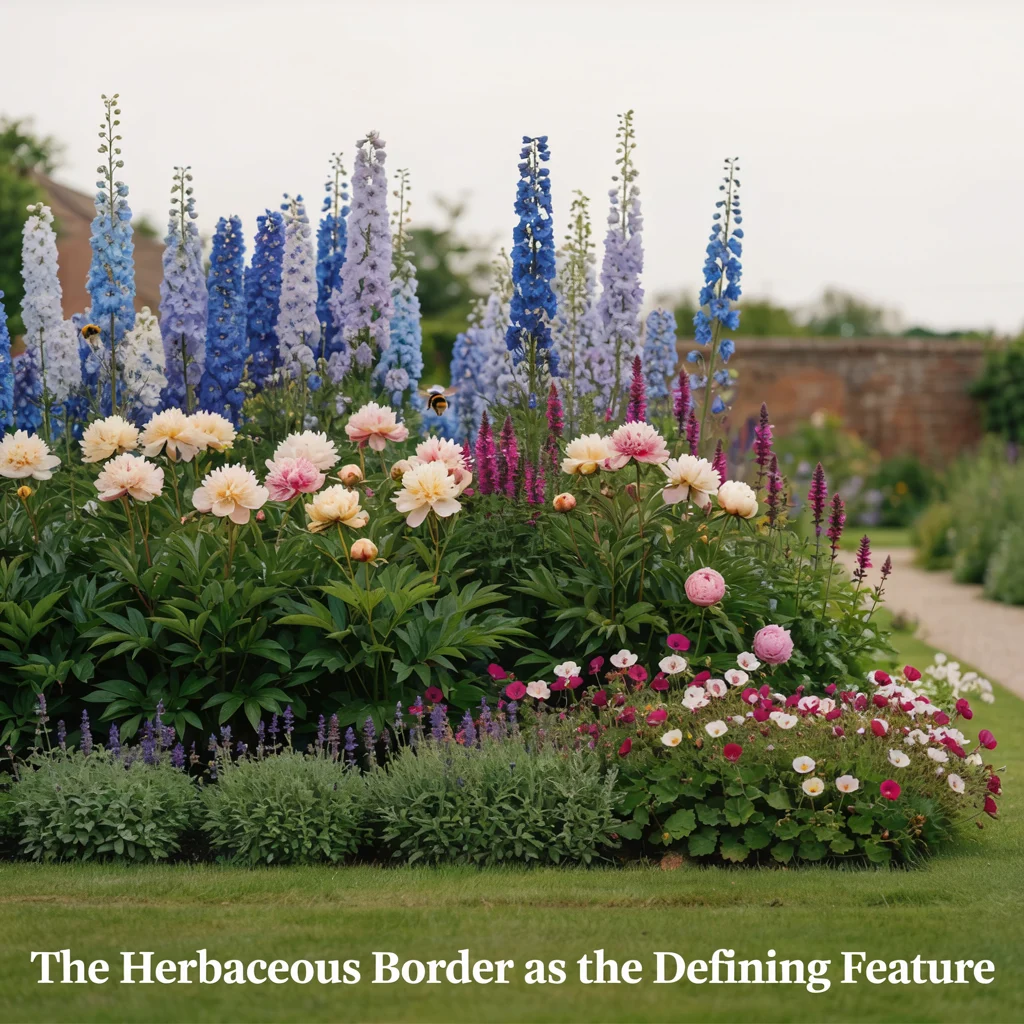
The herbaceous border as the defining feature is arguably the single most recognizable element of English garden design, a long, densely planted bed built almost entirely from perennials rather than shrubs or trees.
What Makes a Border Herbaceous Rather Than Mixed
What makes a border herbaceous rather than mixed comes down to plant choice, with a true herbaceous border relying on non-woody perennials that die back each winter and regrow the following spring.
Planning Bloom Succession Through the Growing Season
Planning bloom succession through the growing season is essential to keeping a herbaceous border interesting, since it relies on staggering different perennials so something is always flowering from spring through fall.
Classic Plants Found in Nearly Every English Garden
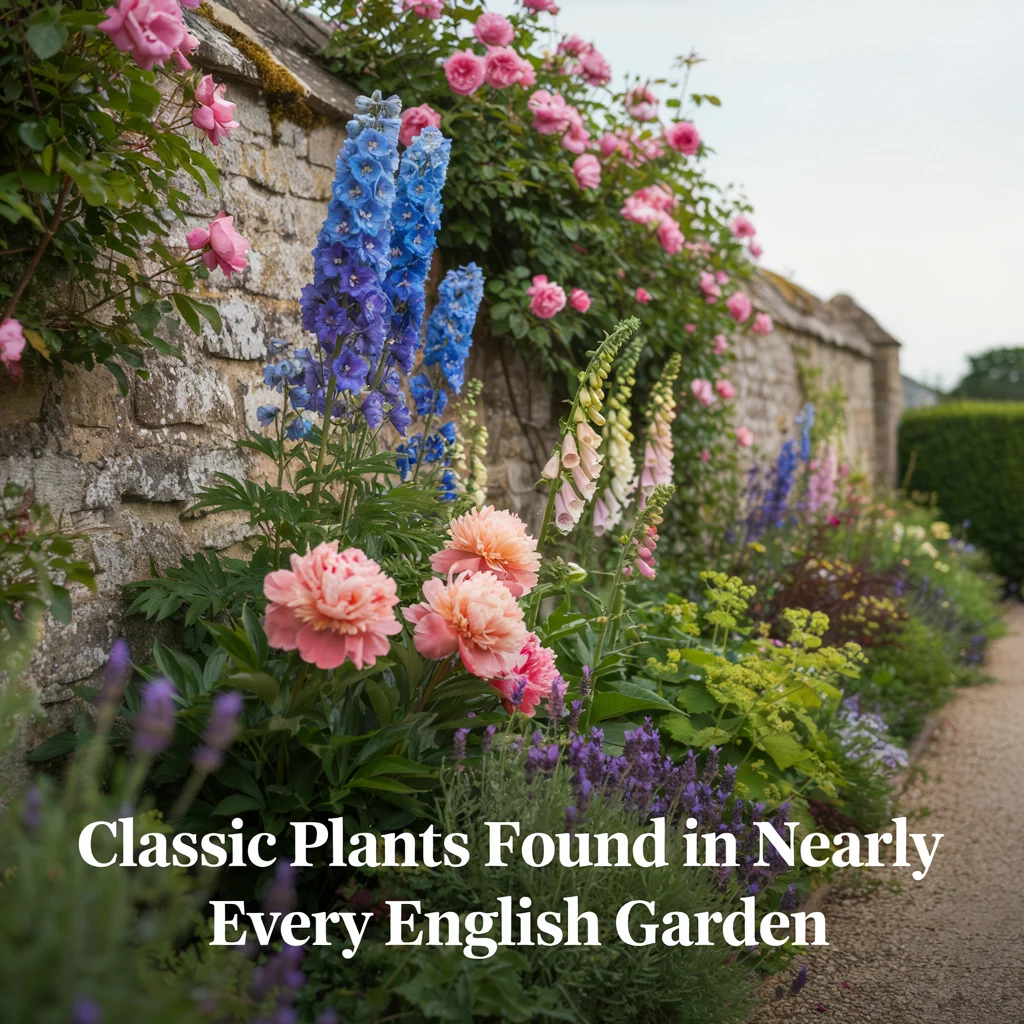
Classic plants found in nearly every English garden include roses, delphiniums, foxgloves, peonies, and lavender, chosen as much for their romantic, old-fashioned character as for their reliable performance.
Why Roses Are Considered Essential to the Style
Why roses are considered essential to the style comes down to their long association with English garden tradition, particularly climbing and shrub roses trained over arches, walls, and obelisks throughout the garden.
Filler Plants That Soften Hard Edges and Pathways
Filler plants that soften hard edges and pathways, such as lady’s mantle, catmint, and hardy geraniums, spill over stone edging and paving to blur the line between the planted bed and the path itself.
Structural Elements That Anchor the Design
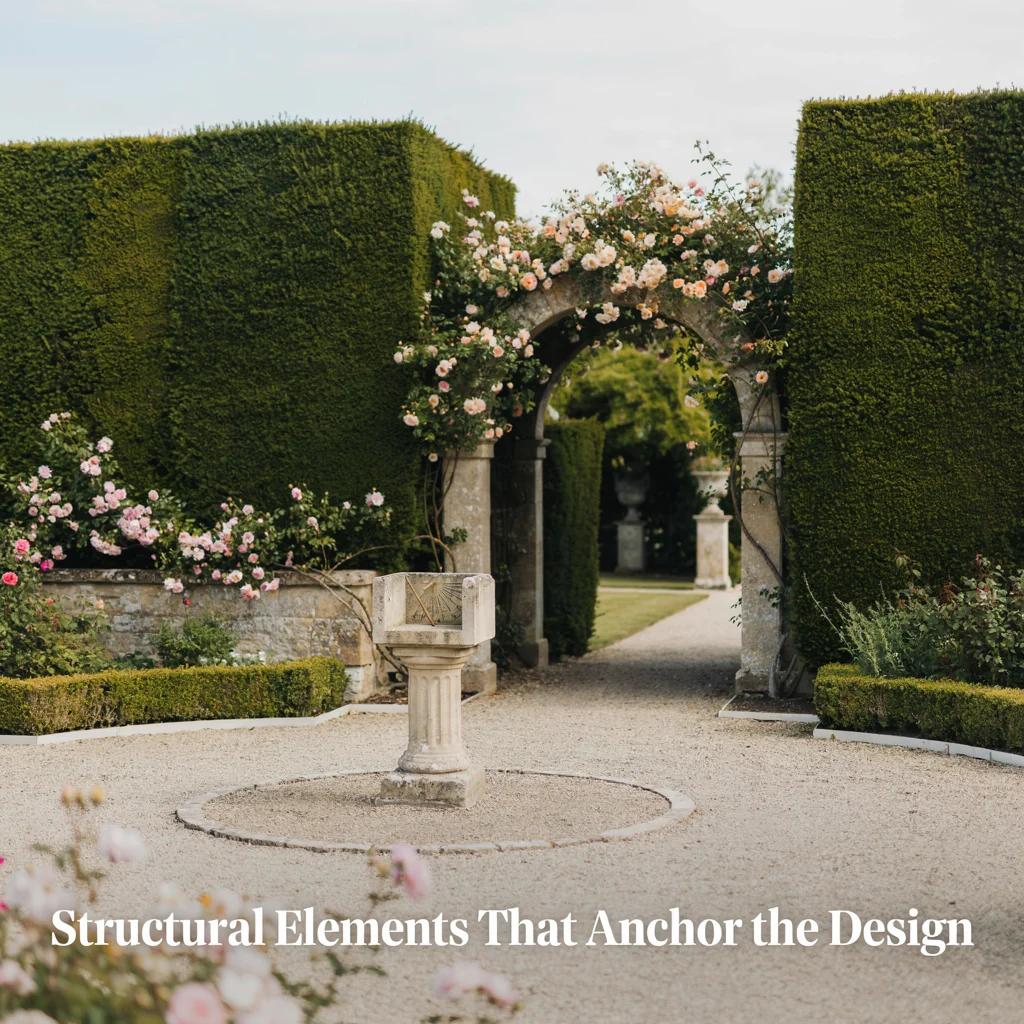
Structural elements that anchor the design keep an English garden from feeling chaotic, giving the eye a clear framework even as the planting inside that framework grows dense and full.
The Role of Hedges, Walls, and Garden Rooms
The role of hedges, walls, and garden rooms is to divide a larger garden into distinct, connected spaces, each with its own character, a technique borrowed directly from grand English estate gardens.
Pathways, Arches, and Focal Points
Pathways, arches, and focal points, including sundials, statuary, and garden benches, give visitors a reason to move through the space and a place to pause once they get there.
Bringing the English Garden Look Into a Smaller Yard
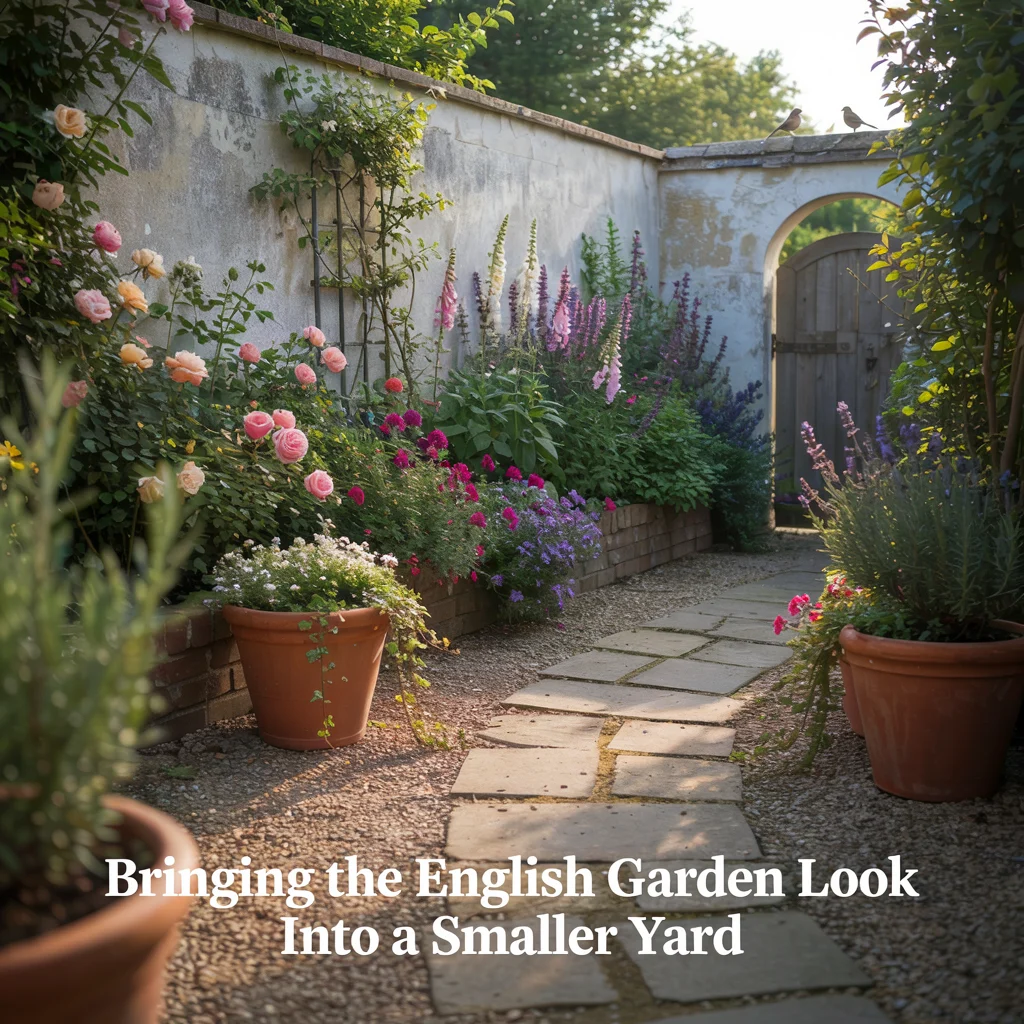
Bringing the English garden look into a smaller yard is entirely possible without acres of land, since the same layered, romantic planting style scales down well into a single border or courtyard garden.
Scaling Down Borders for Limited Space
Scaling down borders for limited space means choosing a smaller palette of plants and repeating them in drifts, which keeps a compact garden from looking busy or overcrowded.
Using Containers to Mimic English Garden Abundance
Using containers to mimic English garden abundance works well on patios and balconies, since densely planted pots filled with trailing and upright plants can echo the same overflowing look as a full border.
Maintaining an English Garden Through the Seasons
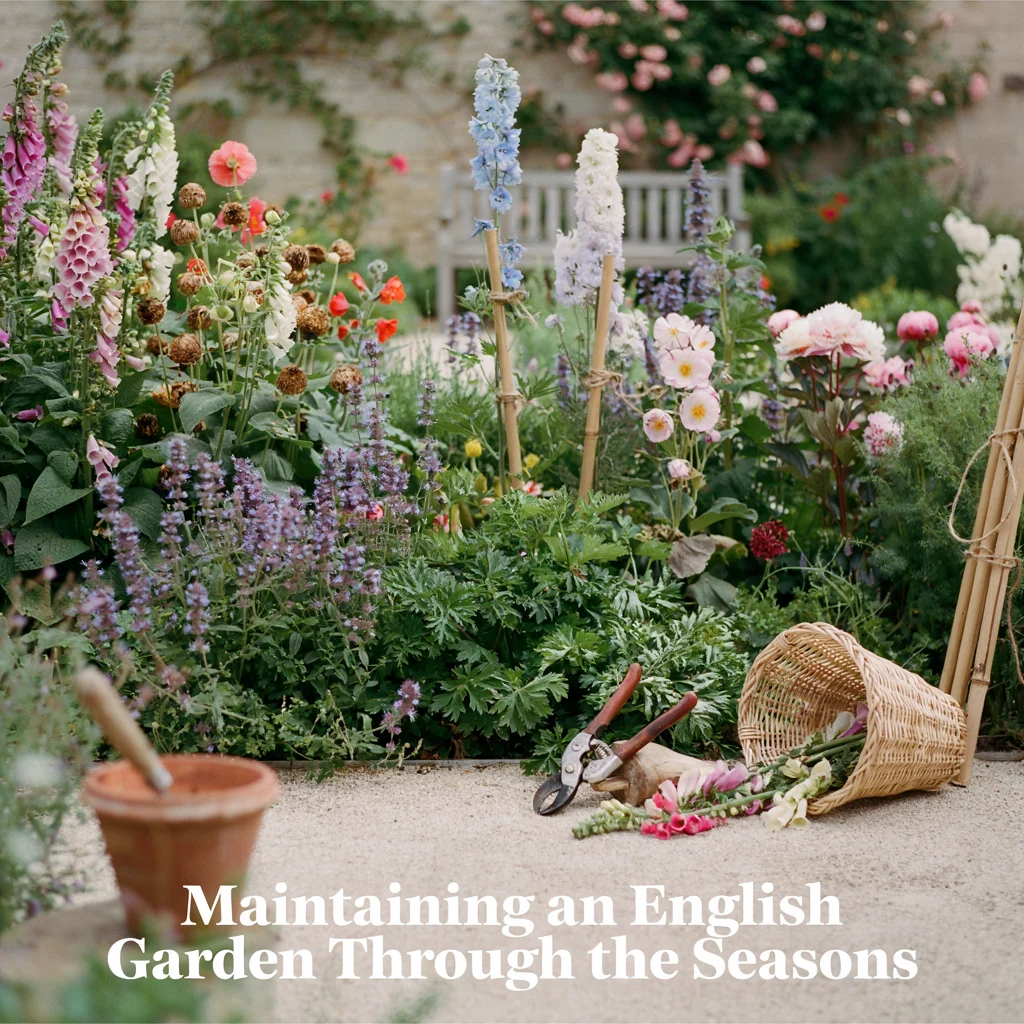
Maintaining an English garden through the seasons takes more ongoing attention than a minimalist landscape, since the dense, layered planting style relies on regular deadheading, staking, and dividing to stay looking its best.
Staking and Supporting Tall, Floppy Perennials
Staking and supporting tall, floppy perennials such as delphiniums and peonies early in the season prevents them from flopping over onto neighboring plants once they reach full height and are heavy with bloom.
Dividing and Editing the Border Each Year
Dividing and editing the border each year keeps vigorous perennials from crowding out slower-growing neighbors, a routine task that’s built into the maintenance of any true English-style border.
The Bottom Line
An English garden isn’t really about a specific plant list, it’s a philosophy: structured bones, densely layered planting, and a deliberately soft, romantic feel that looks effortless while actually being carefully planned. The style scales from grand estate gardens down to a single well-planted border, making it one of the more adaptable looks in garden design.
This pairs well with our guide to Woodland Gardens For Zone 5 Shade Design: Cold-Hardy Ideas.
Frequently Asked Questions
What Plants Are Typical in an English Garden?
Roses, delphiniums, foxgloves, peonies, and lavender are typical English garden plants, chosen for their romantic character and their long history within the herbaceous border tradition.
What Is the Difference Between an English Garden and a Cottage Garden?
An English garden generally combines formal structure, like hedges and defined borders, with informal planting, while a cottage garden leans more fully into an unstructured, practical mix of flowers, herbs, and vegetables without the same formal framework.
Can an English Garden Work in a Small Space?
An English garden can absolutely work in a small space, since the layered, densely planted border style scales down well into a single bed, courtyard, or even a collection of containers.
How Much Maintenance Does an English Garden Need?
An English garden generally needs more maintenance than a minimalist landscape, requiring regular deadheading, staking, and dividing to keep the dense herbaceous planting looking full and tidy through the season.
What Makes English Garden Design Different From Formal Gardens?
English garden design differs from formal gardens by favoring loose, overflowing planting within a structured framework, rather than the strict symmetry, clipped topiary, and geometric precision found in classic formal garden styles.