What Is Low-Maintenance Landscaping

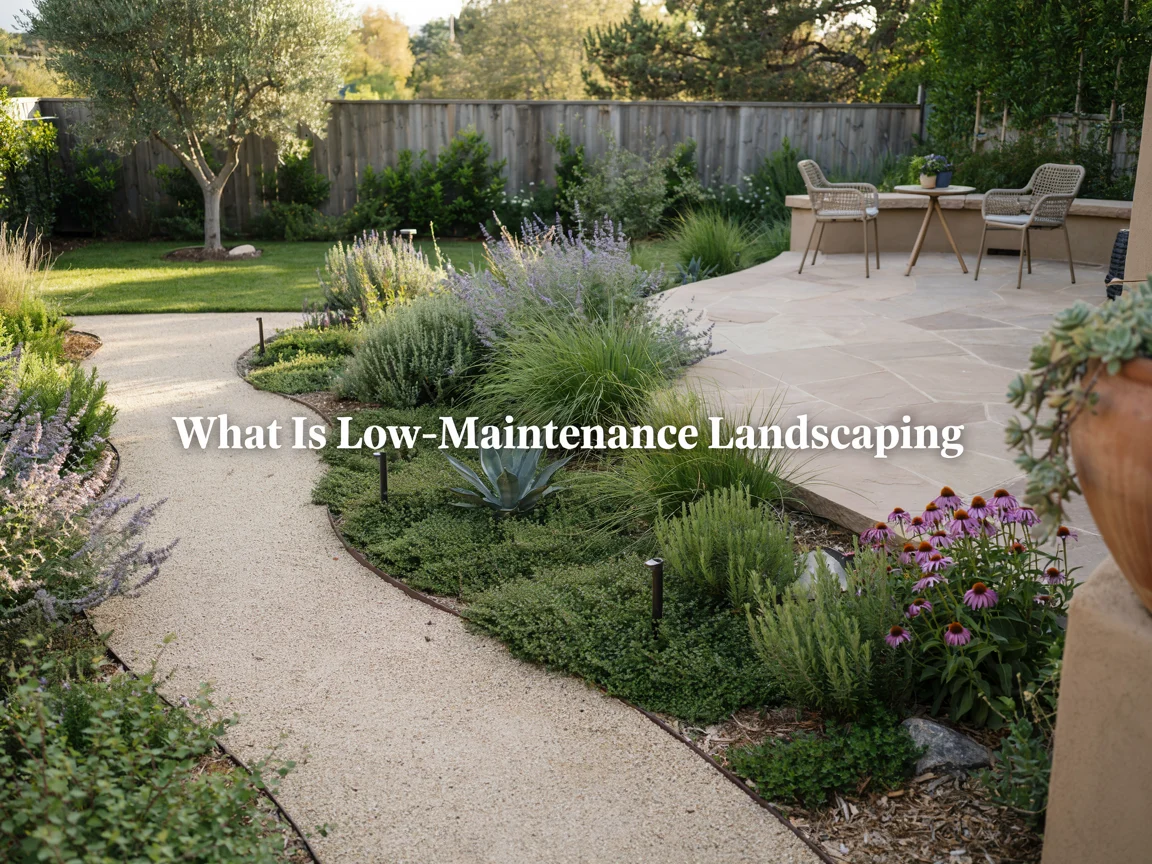
Low-maintenance landscaping is a design approach built around reducing the ongoing time, water, and effort a yard demands, without giving up on having an attractive, well-designed outdoor space. It’s less a single style than a set of choices, made from plant selection down to how much lawn actually gets planted, that together add up to considerably less weekly upkeep.
Choosing Native and Regionally Adapted Plants
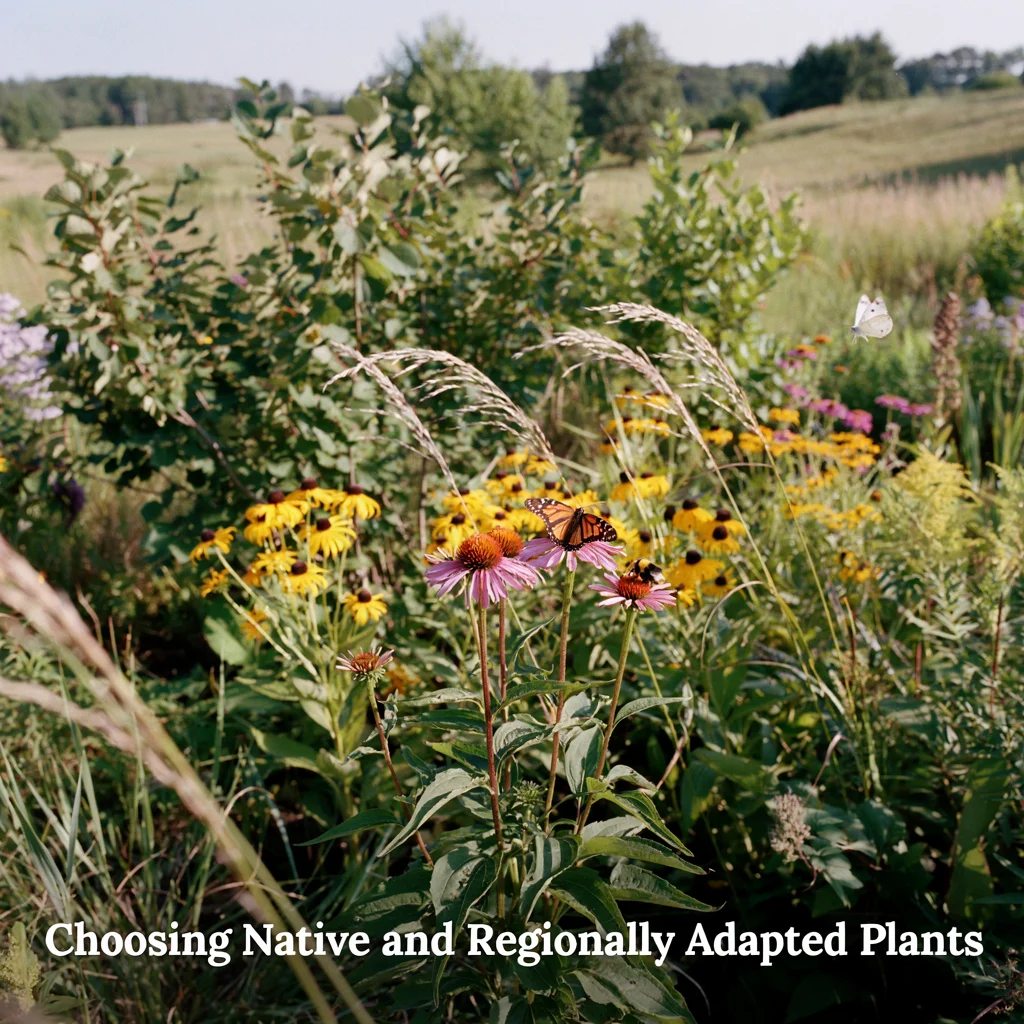
Choosing native and regionally adapted plants is the foundation most low-maintenance landscapes are built on, since plants suited to the local climate and soil naturally need less water, fertilizer, and pest management than non-native alternatives.
Why Native Plants Require So Much Less Intervention
Why native plants require so much less intervention comes down to evolution, since these plants have already adapted to local rainfall patterns, soil types, and pest pressure over a long timescale, unlike imported ornamentals.
Finding Regionally Appropriate Plant Lists
Finding regionally appropriate plant lists through a local extension office or native plant society makes it considerably easier to choose species that are genuinely suited to a specific area rather than guessing.
Reducing the Overall Area of Lawn
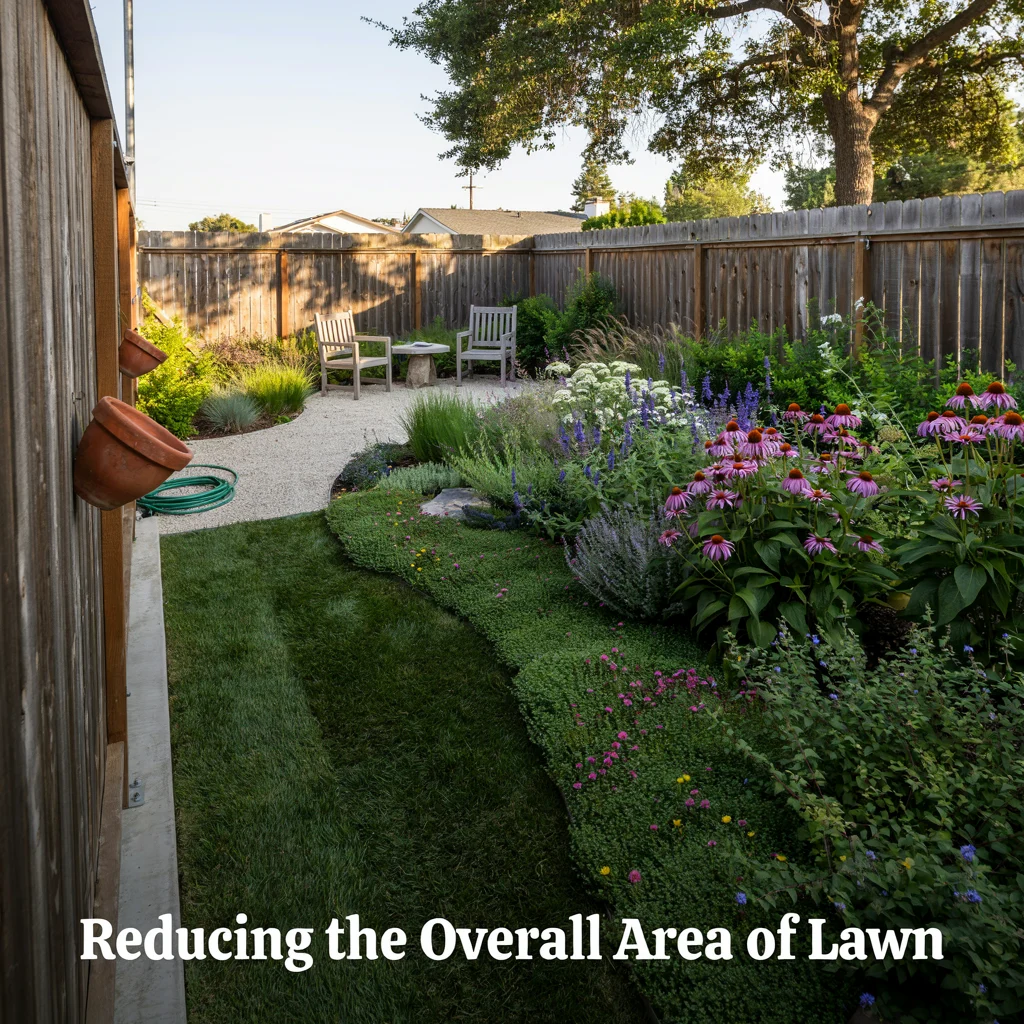
Reducing the overall area of lawn is one of the highest-impact changes in low-maintenance landscaping, since turf grass is consistently one of the most labor and resource-intensive parts of a typical yard.
Why Lawn Demands So Much Ongoing Effort
Why lawn demands so much ongoing effort comes down to its weekly mowing, regular watering, and periodic fertilizing needs, all of which add up to far more total maintenance time than most garden beds.
Replacing Lawn With Beds, Groundcover, or Hardscaping
Replacing lawn with beds, groundcover, or hardscaping in areas that don’t need to function as usable turf cuts down significantly on the total maintenance load across the whole property.
Prioritizing Drought-Tolerant Plant Choices
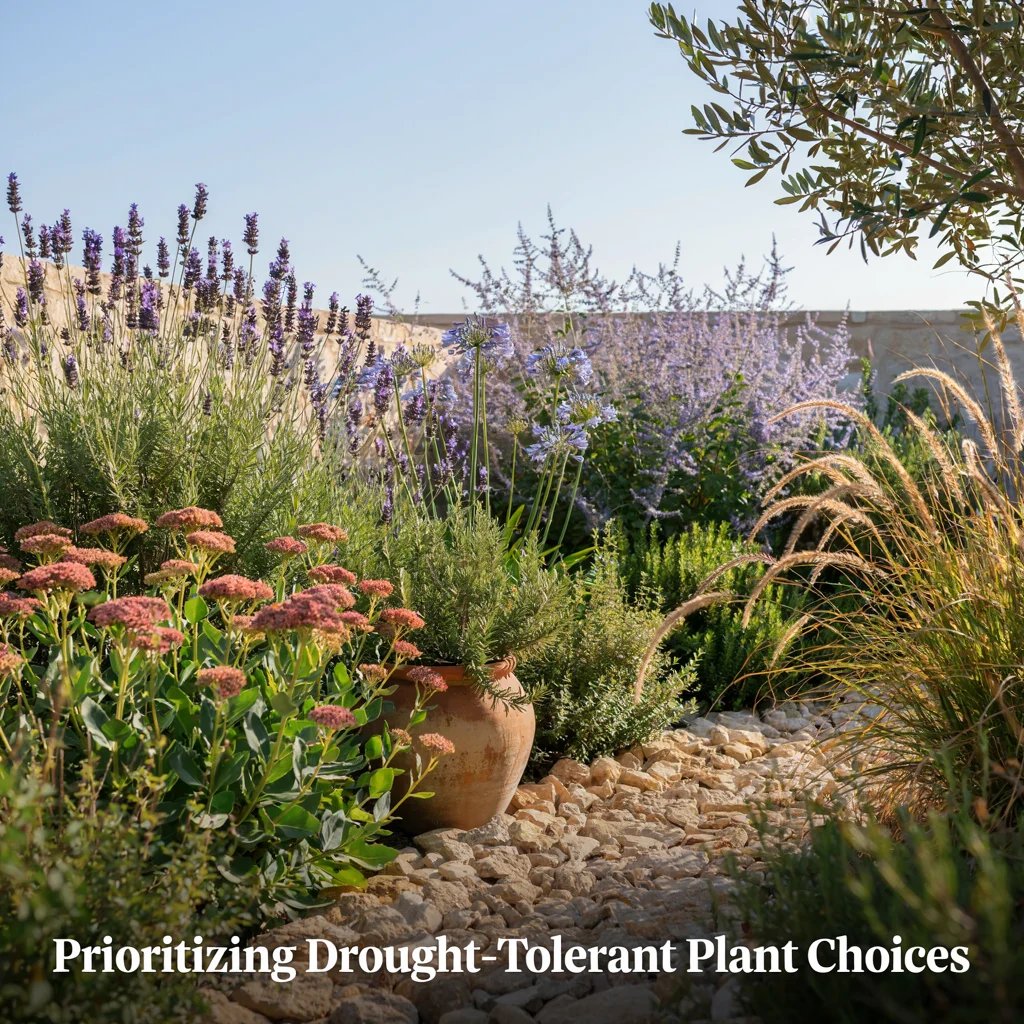
Prioritizing drought-tolerant plant choices reduces one of the most time-consuming tasks in yard care, since plants that tolerate dry spells naturally need far less supplemental watering once established.
Why Drought Tolerance Reduces Long-Term Watering Time
Why drought tolerance reduces long-term watering time comes down to root depth and leaf structure, since many drought-tolerant plants are built to access deep soil moisture or conserve what little water they take in.
Grouping Plants by Water Needs
Grouping plants by water needs, a practice sometimes called hydrozoning, keeps thirstier plants together in one efficient watering zone rather than scattered throughout the yard.
Using Mulch and Groundcover to Suppress Weeds
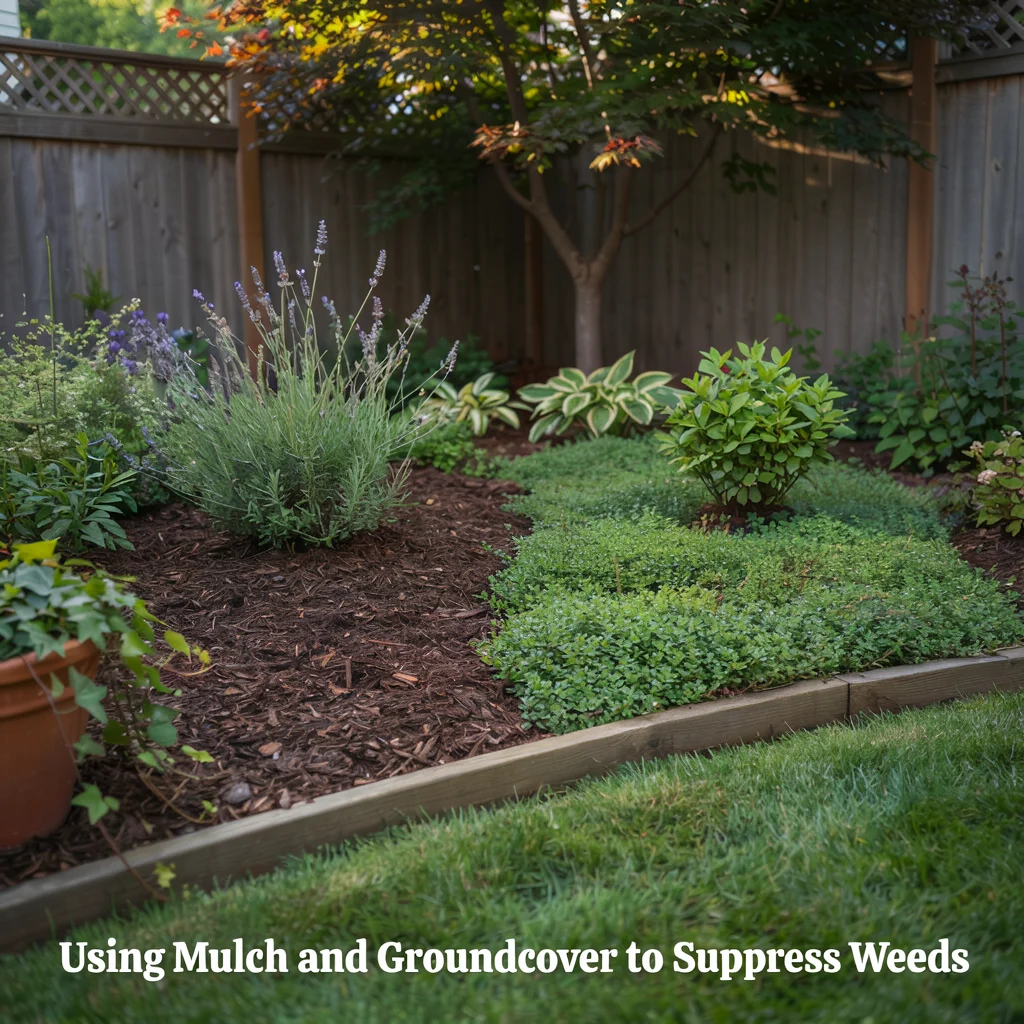
Using mulch and groundcover to suppress weeds cuts down significantly on one of the most repetitive maintenance tasks in any yard, since a well-mulched bed needs far less regular weeding than bare soil.
Why a Consistent Mulch Layer Matters So Much
Why a consistent mulch layer matters so much comes down to blocking light from reaching weed seeds, while also helping retain soil moisture and reducing how often beds need watering.
Living Groundcovers as a Long-Term Mulch Alternative
Living groundcovers as a long-term mulch alternative, once established, suppress weeds just as effectively as bark mulch while adding texture and eliminating the need for annual mulch replacement.
Installing Efficient, Automated Irrigation
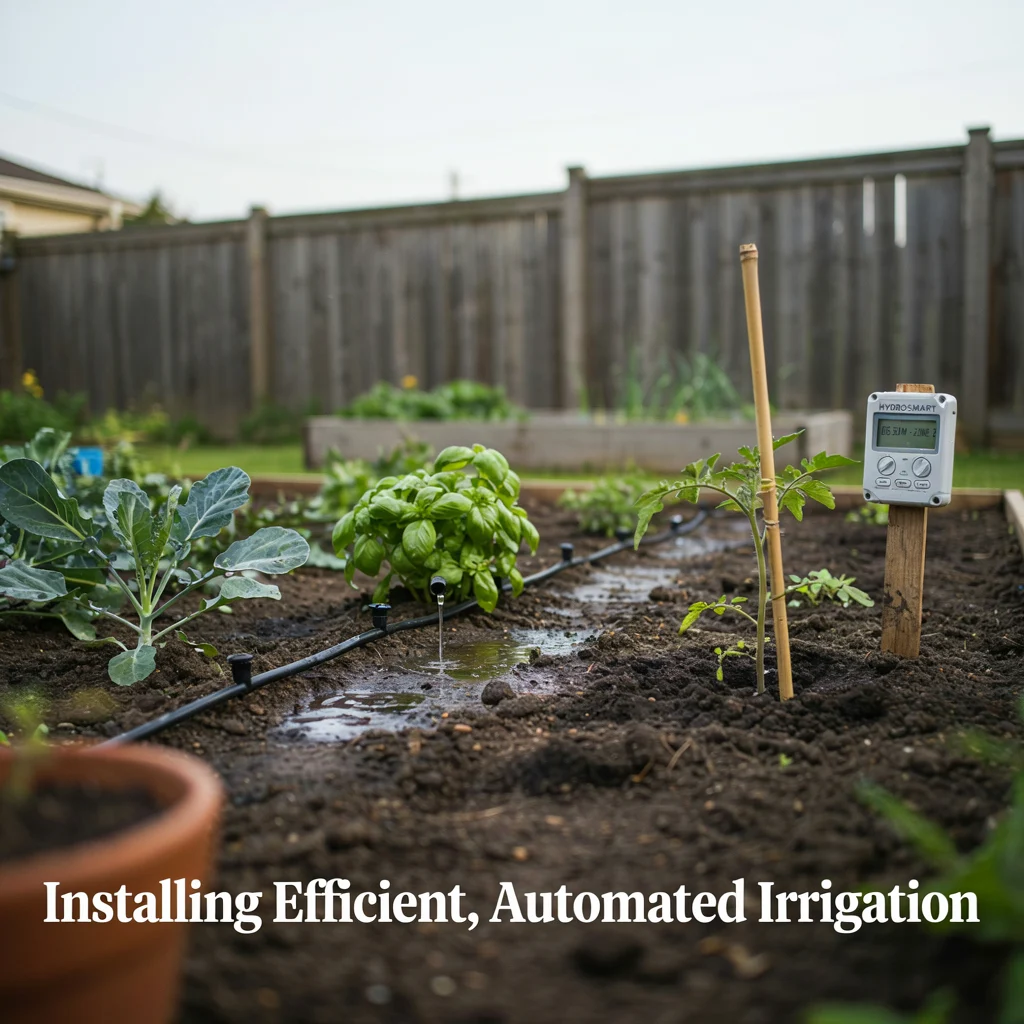
Installing efficient, automated irrigation removes watering from the list of manual weekly tasks entirely, particularly when paired with drip irrigation that delivers water directly to plant roots.
Why Drip Irrigation Outperforms Manual Watering
Why drip irrigation outperforms manual watering comes down to consistency and efficiency, delivering the right amount of water directly where it’s needed rather than relying on someone remembering to water regularly.
Using a Timer to Remove Watering From the To-Do List
Using a timer to remove watering from the to-do list automates the entire process, which matters especially for busy households or anyone who travels frequently during the growing season.
Incorporating Hardscaping Over High-Maintenance Planting
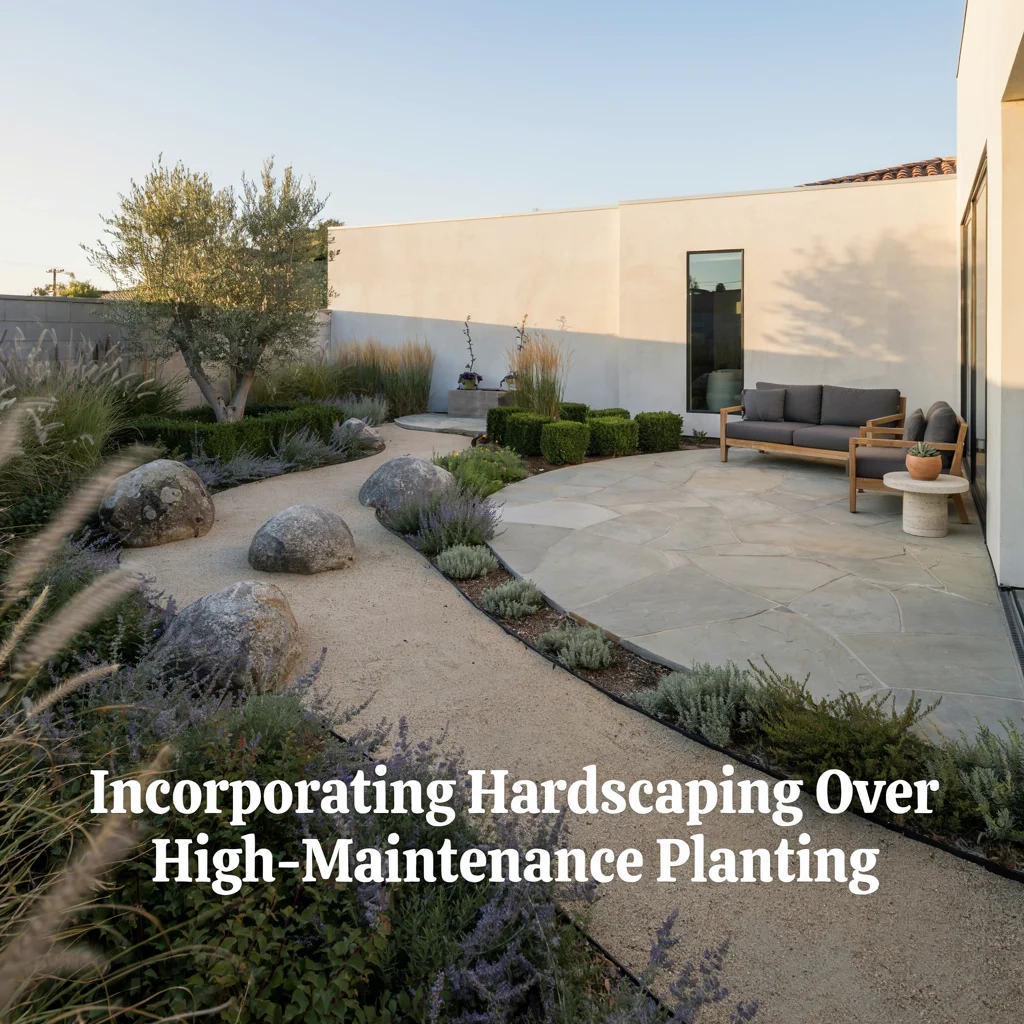
Incorporating hardscaping over high-maintenance planting, such as patios, gravel paths, and defined seating areas, reduces the total planted area that needs ongoing care without sacrificing usable outdoor space.
Why Hardscape Areas Need Virtually No Upkeep
Why hardscape areas need virtually no upkeep comes down to their materials, since stone, gravel, and pavers simply don’t require watering, mowing, or seasonal replanting the way garden beds do.
Balancing Hardscape and Softscape for Visual Interest
Balancing hardscape and softscape for visual interest keeps a low-maintenance yard from feeling stark, since well-placed planting beds still add texture and color around the lower-maintenance hard surfaces.
Understanding That Low-Maintenance Isn’t No-Maintenance
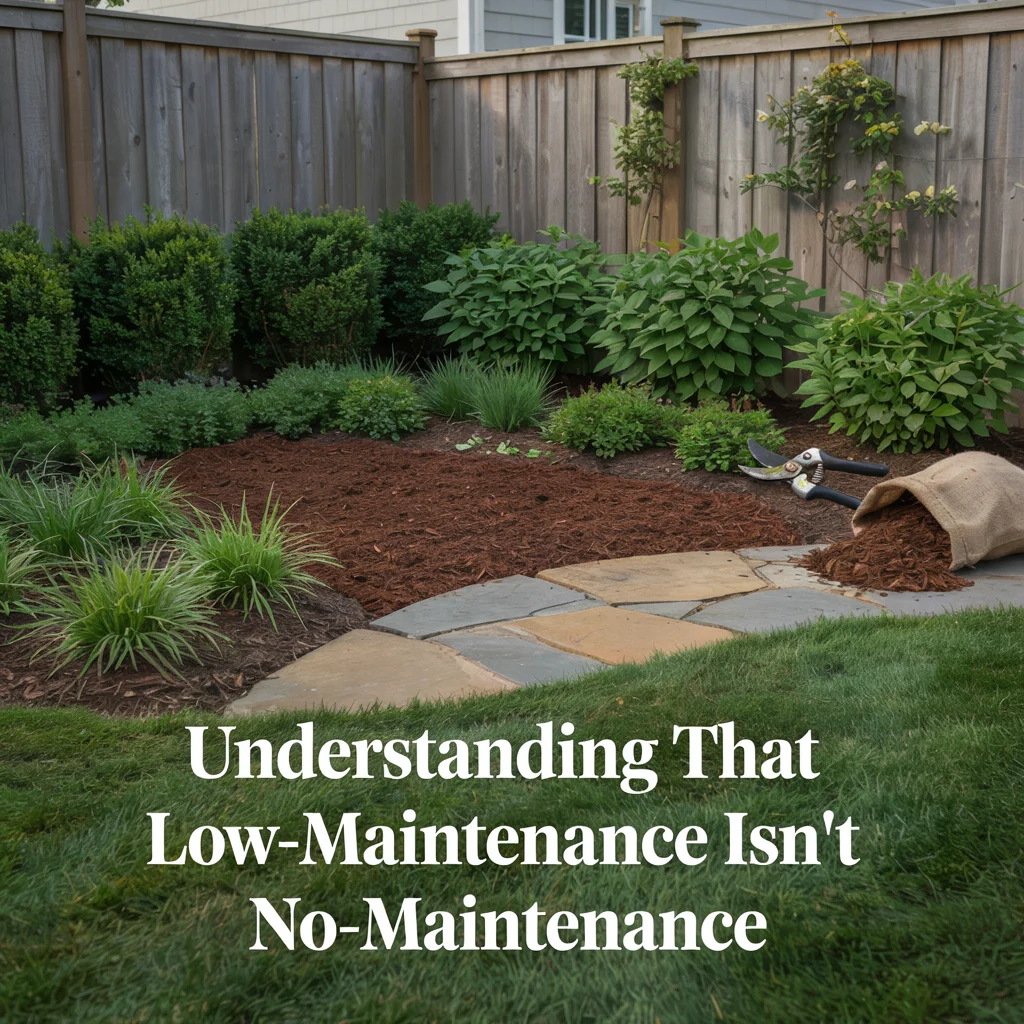
Understanding that low-maintenance isn’t no-maintenance sets realistic expectations from the start, since even the most thoughtfully designed low-maintenance yard still needs some seasonal attention to look its best.
What Low-Maintenance Landscaping Still Requires
What low-maintenance landscaping still requires typically includes occasional weeding, seasonal pruning, and periodic mulch refreshing, just at a noticeably reduced frequency compared with a high-maintenance landscape.
Why the Upfront Planning Investment Pays Off Long-Term
Why the upfront planning investment pays off long-term comes down to how the time saved compounds year after year, since a well-planned low-maintenance yard keeps demanding less effort long after installation.
The Bottom Line
Low-maintenance landscaping comes down to a series of upfront choices, native and drought-tolerant plants, less lawn, efficient irrigation, and more hardscaping, that together reduce the ongoing time a yard demands. It doesn’t mean a yard that needs zero care, just one that’s designed from the start to ask for considerably less of it.
Readers working on this often also check Cheap No Grass Backyard Ideas For a Low-Maintenance Garden, What Is Xeriscaping? The Desert Modern Garden Style Taking Over America, and Six Rules of Landscaping. For more on this, our articles on Easy DIY Landscaping: Build a Rock Garden and Landscaping Ideas for Curb Appeal cover related ground.
Frequently Asked Questions
What Are the Best Plants for Low-Maintenance Landscaping?
Native and drought-tolerant plants suited to the local climate are generally the best choice for low-maintenance landscaping, since they need less water, fertilizer, and pest management once established.
Does Low-Maintenance Landscaping Cost More Upfront?
Low-maintenance landscaping can cost more upfront due to hardscaping and irrigation investments, but it typically saves significantly on water, time, and maintenance costs over the long run.
Can a Low-Maintenance Yard Still Look Attractive?
A low-maintenance yard can absolutely look attractive, since thoughtful plant selection and hardscaping design can create real visual interest without demanding constant upkeep.
How Much Lawn Should I Remove for a Low-Maintenance Yard?
How much lawn to remove depends on how the space is actually used, but replacing any lawn area that isn’t regularly walked or played on with beds or hardscaping meaningfully reduces maintenance.
Is Low-Maintenance Landscaping the Same as Xeriscaping?
Low-maintenance landscaping overlaps significantly with xeriscaping but is a broader category, while xeriscaping specifically focuses on reducing water use through drought-tolerant plant choices and efficient irrigation.