How to Identify and Combat Tomato Blights

Early blight and late blight look similar enough at first glance that gardeners regularly confuse them, but they genuinely spread at dramatically different rates, early blight progressing gradually over weeks while late blight can devastate an entire planting within days, a distinction that determines whether removing a few affected leaves actually helps or whether the response needs to be considerably more urgent and aggressive.
Why Spread Rate Matters Most
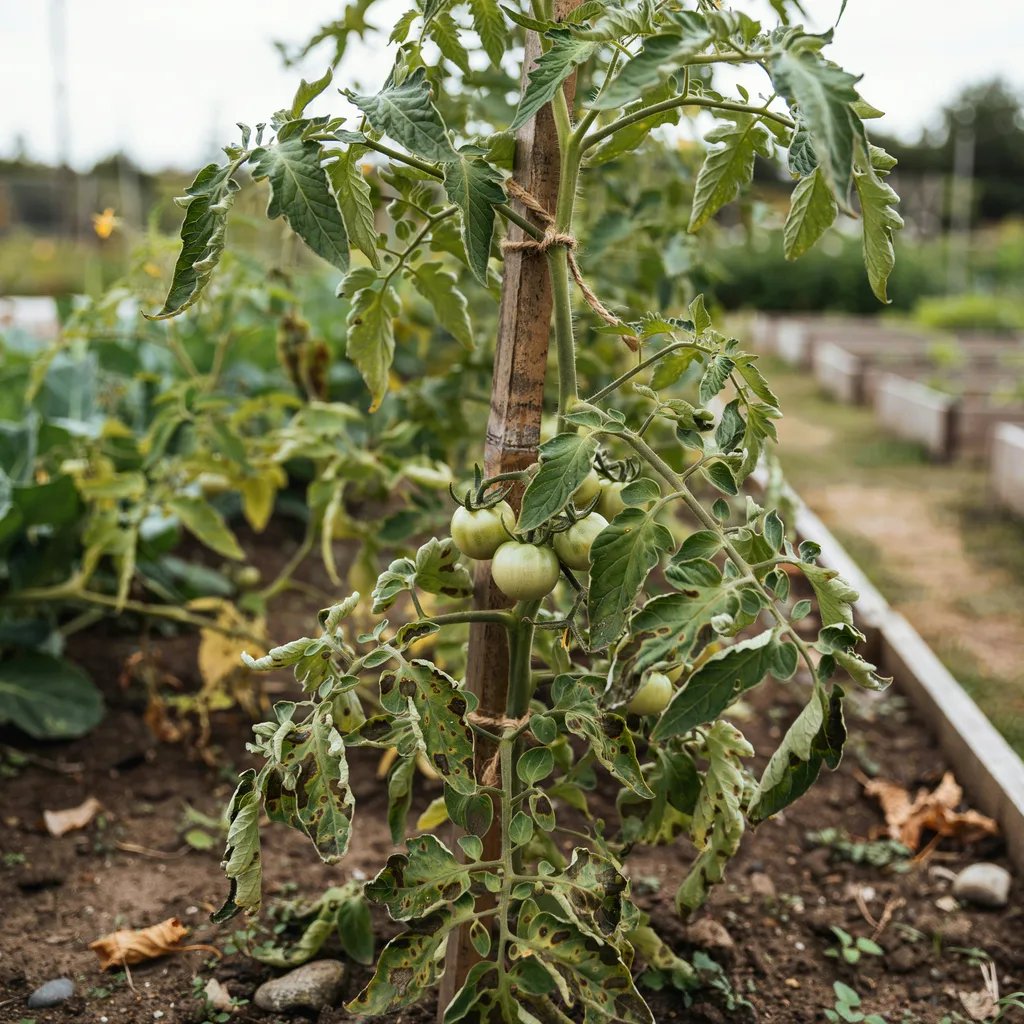
Why spread rate, not just symptom appearance, is the genuine critical distinguishing factor is that while both blights produce dark, damaged-looking foliage, early blight’s gradual, weeks-long progression allows time for measured response like removing affected leaves, while late blight’s genuinely rapid, days-long destructive capability means the same measured response would be dangerously inadequate, making rapid identification of which blight is actually present a genuinely urgent practical matter.
Consequences of Misidentifying Blight Type
The practical consequence of confusing these two diseases’ genuinely different timelines is that a gardener treating late blight with the same patient, gradual response appropriate for early blight risks losing their entire tomato planting within the time it takes to recognize the mistake, making accurate, prompt identification genuinely consequential rather than simply an academic distinction.
The genuine urgency difference between these two diseases makes correct identification a practically consequential decision, not simply a matter of applying the right label, since the appropriate response timeline differs dramatically between them.
Recognizing Early Blight Symptoms
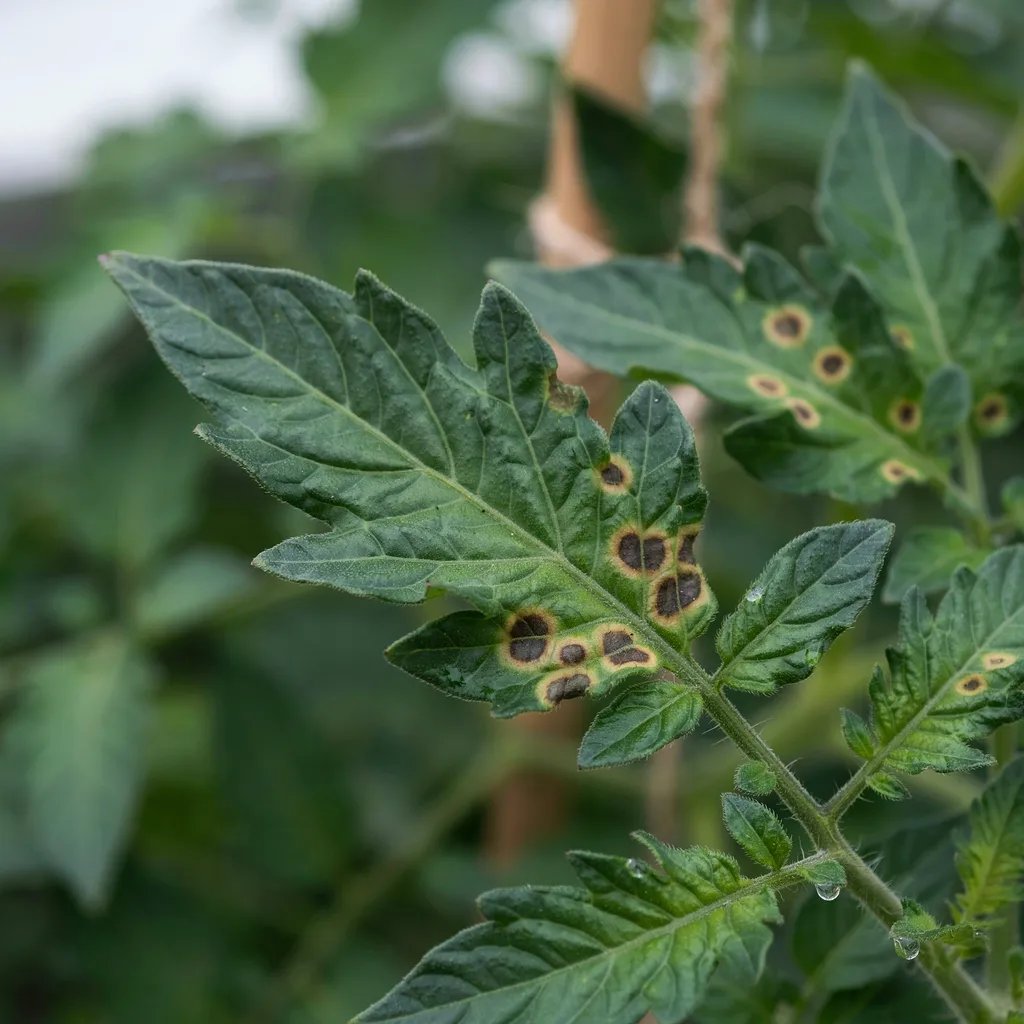
Recognizing early blight through concentric-ringed spots starting on lower leaves means identifying the characteristic dark brown spots with a distinctive target-like pattern of concentric rings, typically appearing first on a plant’s older, lower leaves before potentially progressing upward, a distinctive visual pattern that helps distinguish this disease from other tomato problems.
The concentric ring pattern and lower-leaf-first progression are genuinely distinctive early blight identifiers, making these specific visual markers worth checking for rather than assuming any dark leaf spotting automatically indicates this particular disease.
Recognizing Late Blight Symptoms
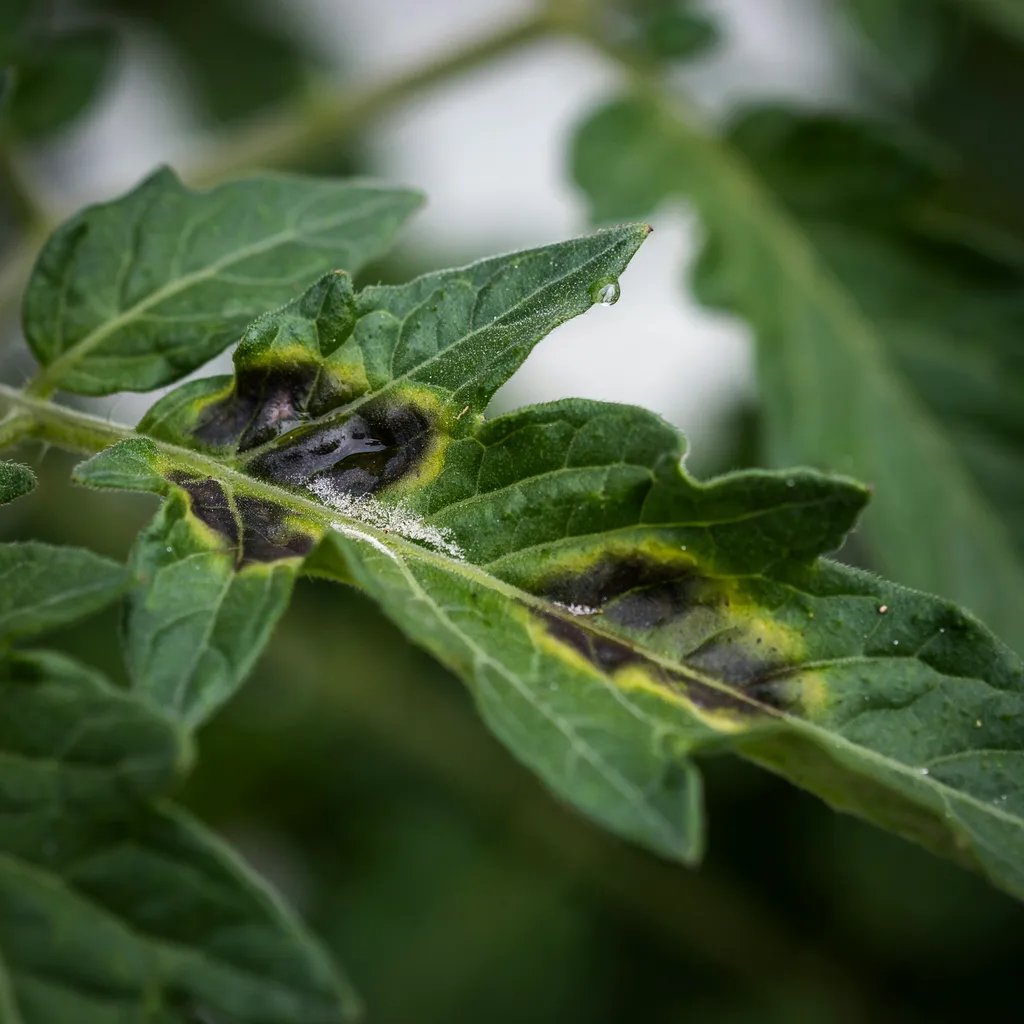
Recognizing late blight through water-soaked lesions and genuinely rapid spread means identifying the characteristic dark, water-soaked-looking lesions, often with a pale green or yellow border, that spread considerably faster than early blight’s more gradual pattern, sometimes visibly worsening within just a day or two under humid conditions.
Late blight’s genuinely rapid spread rate, visible progression sometimes within a single day, is the single most important practical clue distinguishing it from early blight, making spread speed worth monitoring closely once any suspicious symptoms appear.
Removing Affected Foliage for Early Blight
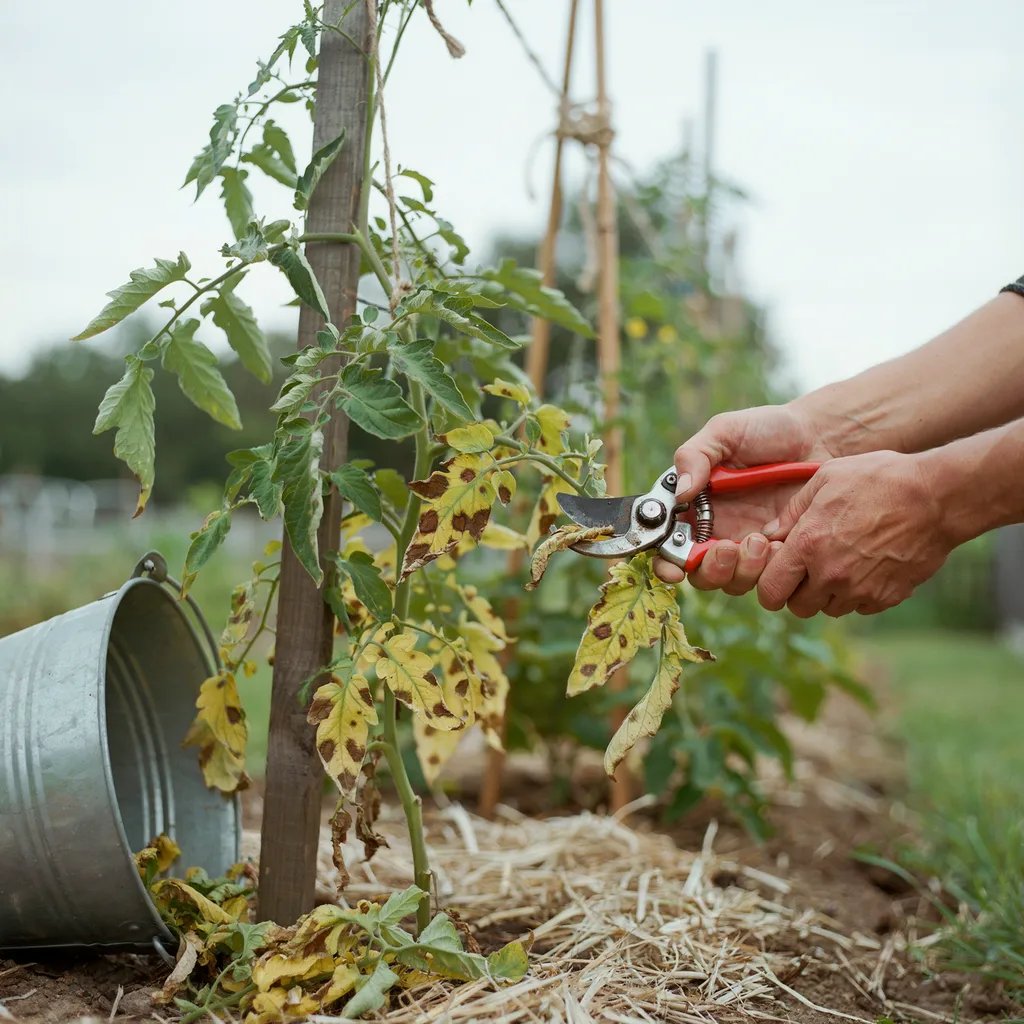
Removing affected foliage promptly for early blight while monitoring overall spread means pruning away visibly affected lower leaves once early blight is confirmed, a genuinely reasonable and often effective response given this disease’s more gradual progression, while continuing to monitor the plant for any signs the infection is spreading faster than expected.
Prompt but measured foliage removal genuinely suits early blight’s slower progression, making this response appropriately proportional rather than either under-reacting or over-reacting to a disease that, while real, doesn’t carry the same urgent destruction timeline late blight does.
Removing Entire Plants for Late Blight
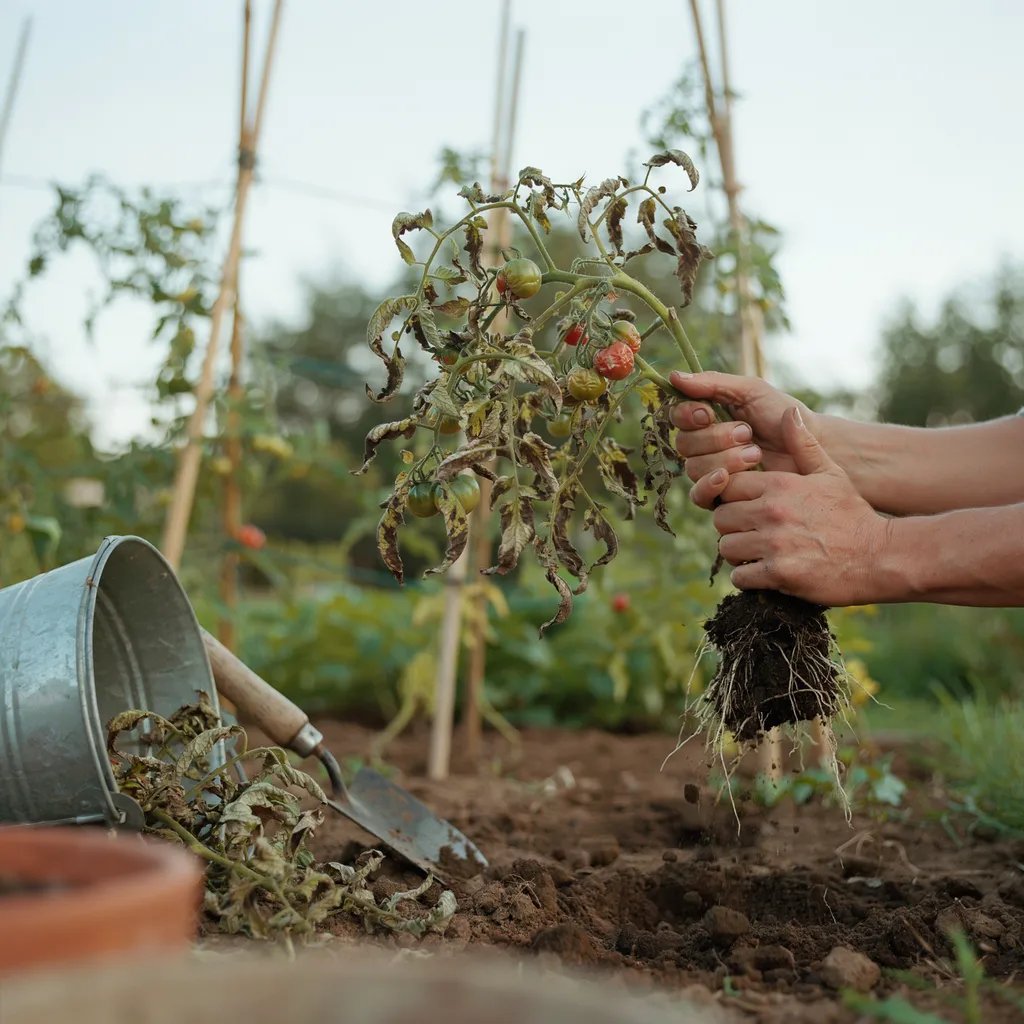
Removing and destroying entire plants promptly once late blight is confirmed means taking genuinely more aggressive action given this disease’s rapid, devastating spread potential, since attempting to save a late-blight-infected plant through partial pruning alone often simply fails to keep pace with how quickly this particular disease progresses, making complete removal the more realistic protective measure for the rest of a planting.
Late blight’s genuine destructive speed justifies a considerably more aggressive removal response than early blight warrants, making the decision to sacrifice an individual infected plant worthwhile specifically to protect the remainder of a tomato planting from rapid spread.
Preventing Blight Through Spacing and Watering
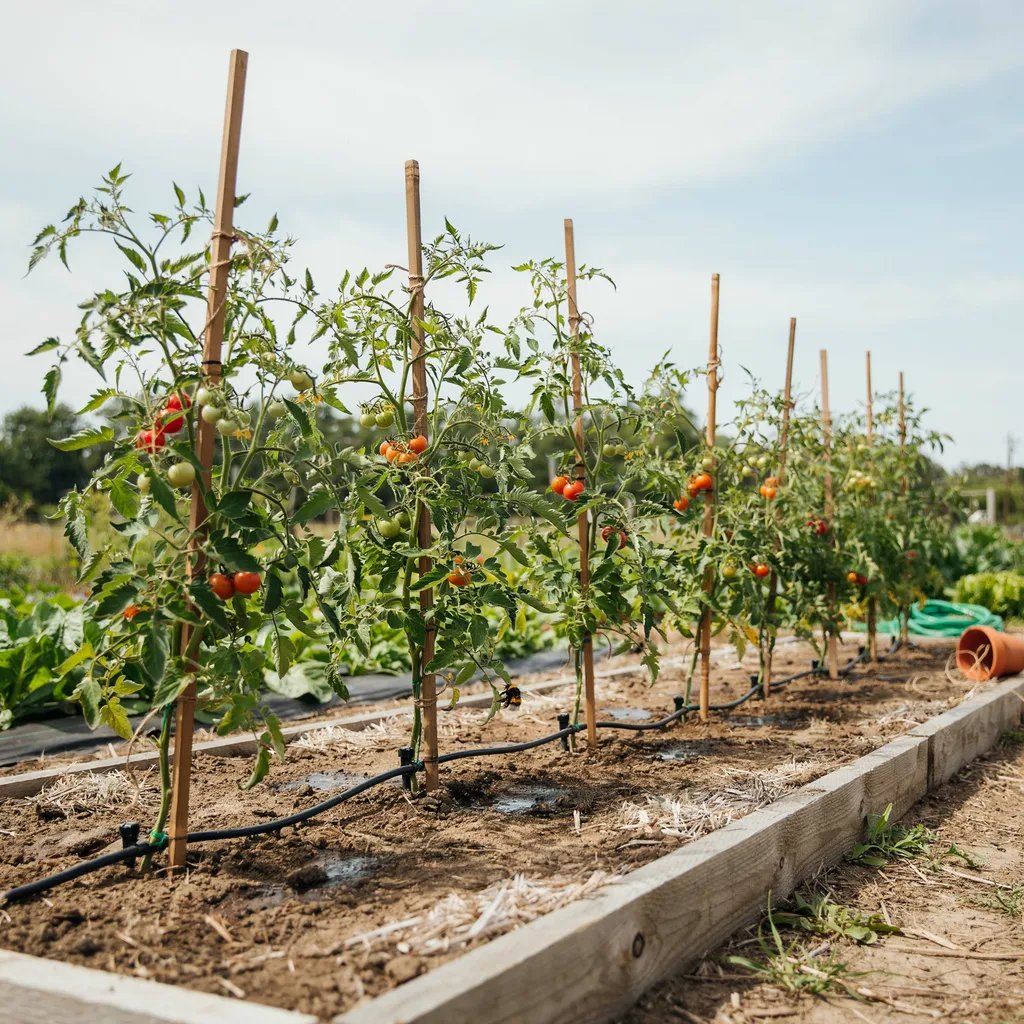
Preventing both diseases through spacing, watering technique, and resistant varieties means adopting practices that genuinely reduce risk for both blight types simultaneously, adequate plant spacing for airflow, watering at the base rather than overhead to keep foliage dry, and choosing disease-resistant varieties where available, all reducing the humid, wet-foliage conditions both diseases genuinely depend on to establish and spread.
These shared prevention practices genuinely address both blight types’ common dependence on humid, wet-foliage conditions, making a solid prevention strategy considerably more valuable than relying entirely on identification and response after infection has already occurred.
The Bottom Line
Identifying and combating tomato blights effectively depends on recognizing that early blight’s concentric-ringed spots and gradual, lower-leaf-first progression genuinely warrant a measured response like foliage removal, while late blight’s water-soaked lesions and dramatically rapid spread demand more urgent, aggressive action including complete plant removal to protect the rest of a planting. Preventing both diseases through proper spacing, base-level watering that keeps foliage dry, and resistant variety selection remains considerably more effective and reliable than depending on accurate identification and response after infection has already taken hold.
Frequently Asked Questions
Can Tomato Blight Spread to Other Vegetable Plants Besides Tomatoes in the Same Garden?
Yes, both early and late blight can genuinely affect related nightshade family plants, particularly potatoes, meaning an infected tomato planting poses a real risk to nearby potato plants as well, making awareness of this cross-species risk worth factoring into garden layout planning.
Is It Safe to Compost Tomato Plants Affected by Either Early or Late Blight?
Home composting generally isn’t recommended for blight-affected plant material, since typical home compost piles often don’t reach temperatures reliably high enough to destroy the disease organisms, making disposal through other means genuinely safer than risking reintroducing the pathogen through finished compost.
Can Blight-Resistant Tomato Varieties Still Develop the Disease Under Severe Enough Conditions?
Yes, resistant varieties genuinely reduce risk and severity but don’t provide absolute immunity, meaning even resistant varieties can still develop blight symptoms under particularly favorable disease conditions, though typically with less severe or slower-progressing infection than a fully susceptible variety would show.
How Long Can Blight Pathogens Survive in Garden Soil Between Growing Seasons?
Some blight-causing organisms can genuinely persist in soil or on plant debris for a year or more, making crop rotation, avoiding planting tomatoes or related nightshades in the same spot in consecutive years, a worthwhile preventive practice beyond just the growing season where an infection occurred.
Does Fungicide Application Genuinely Help Prevent or Treat Either Type of Tomato Blight?
Preventive fungicide application, started before symptoms appear, can genuinely reduce blight risk and severity for both types, though fungicides are considerably more effective as prevention than as treatment for infection that’s already established and progressing.
Can Weather Conditions Alone Predict When Blight Risk Is Genuinely Elevated in My Garden?
Yes, prolonged periods of high humidity combined with moderate temperatures genuinely create favorable conditions for both blight types, making extra vigilance and preventive watering care worth prioritizing specifically during extended warm, humid, or rainy weather stretches.