Modern Woodland Garden Designs: Where Contemporary Meets Wild

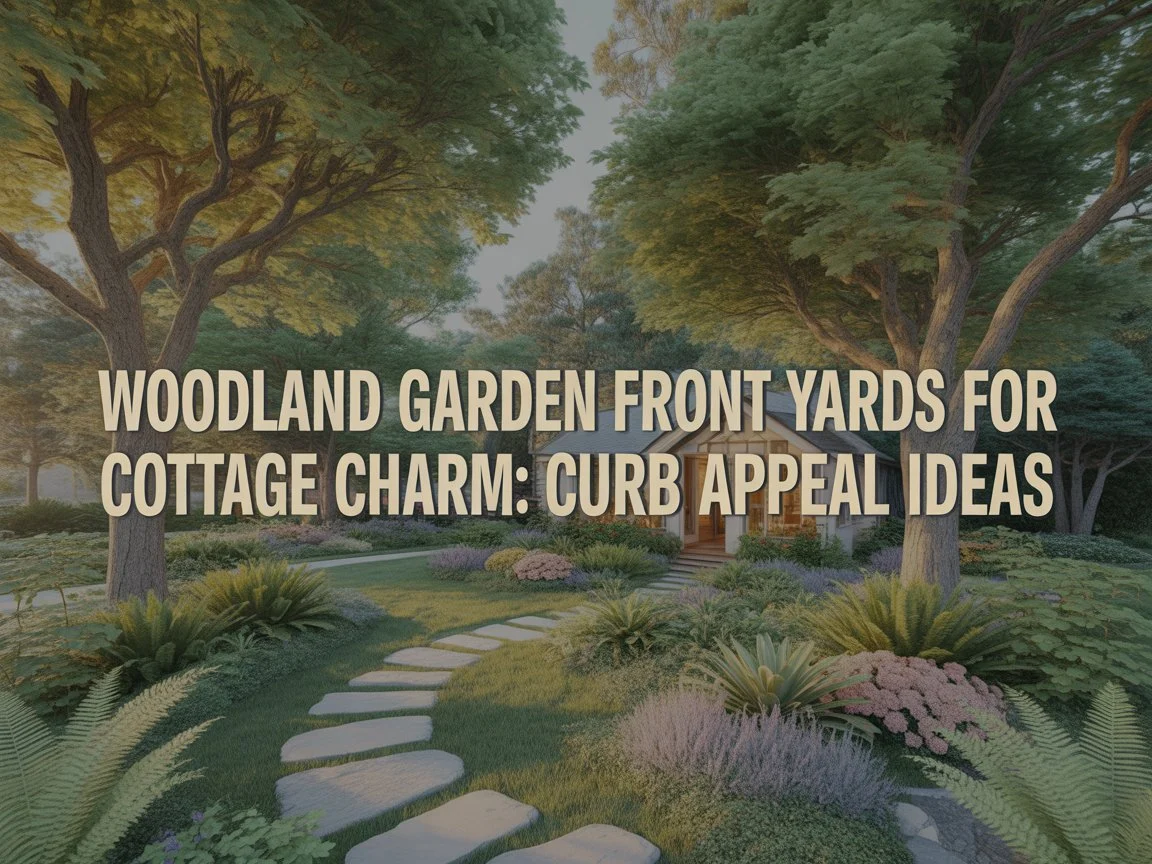
The garden that finally made me understand modern woodland design was not lush or romantic at all when I first saw the plans — it looked almost austere. A single rusted steel rill ran in a dead-straight line through a grove of multi-stem birch, the ground beneath planted in just three species repeated in great sweeping drifts, and a low concrete bench sat in a clearing of raked gravel. I worried it would feel cold. Then I visited it two years later in the low evening light, and it was one of the most beautiful gardens I had ever stood in. The restraint was the point. By stripping the woodland palette back to a few perfect elements and framing the trees with clean contemporary lines, the design made you really see the birch trunks, the texture of the planting, the way the light moved — things a busier, more romantic woodland would have buried in detail. That garden taught me what modern woodland design is really about: it is not woodland made cold, it is woodland made deliberate, where every tree, plant, and material is chosen with intention and the wild beauty is heightened by contemporary discipline rather than diluted by it.
Modern woodland garden designs fuse the naturalistic beauty and ecological value of a woodland garden with the clean lines, restrained palettes, architectural materials, and intentional planting design of contemporary landscape architecture, creating a sophisticated garden style where mature trees and shade planting meet Corten steel, architectural concrete, considered lighting, and bold textural planting. The modern approach gives the woodland garden precision, drama, and contemporary sophistication, while the woodland setting gives the modern design the natural beauty, seasonal richness, and living atmosphere that keep it from feeling sterile.
Over the years I have designed, specified, and built modern woodland gardens across sites ranging from compact contemporary backyards to large architect-designed properties with mature woodland settings. I have seen restrained modern design elevate an ordinary tree-filled plot into something genuinely sophisticated, and I have also watched the careful fusion of contemporary materials and naturalistic planting create gardens of real beauty. In this article I am sharing the best modern woodland garden design ideas covering planting, materials, structures, lighting, water, and contemporary design principles.
The Principles of Modern Woodland Design
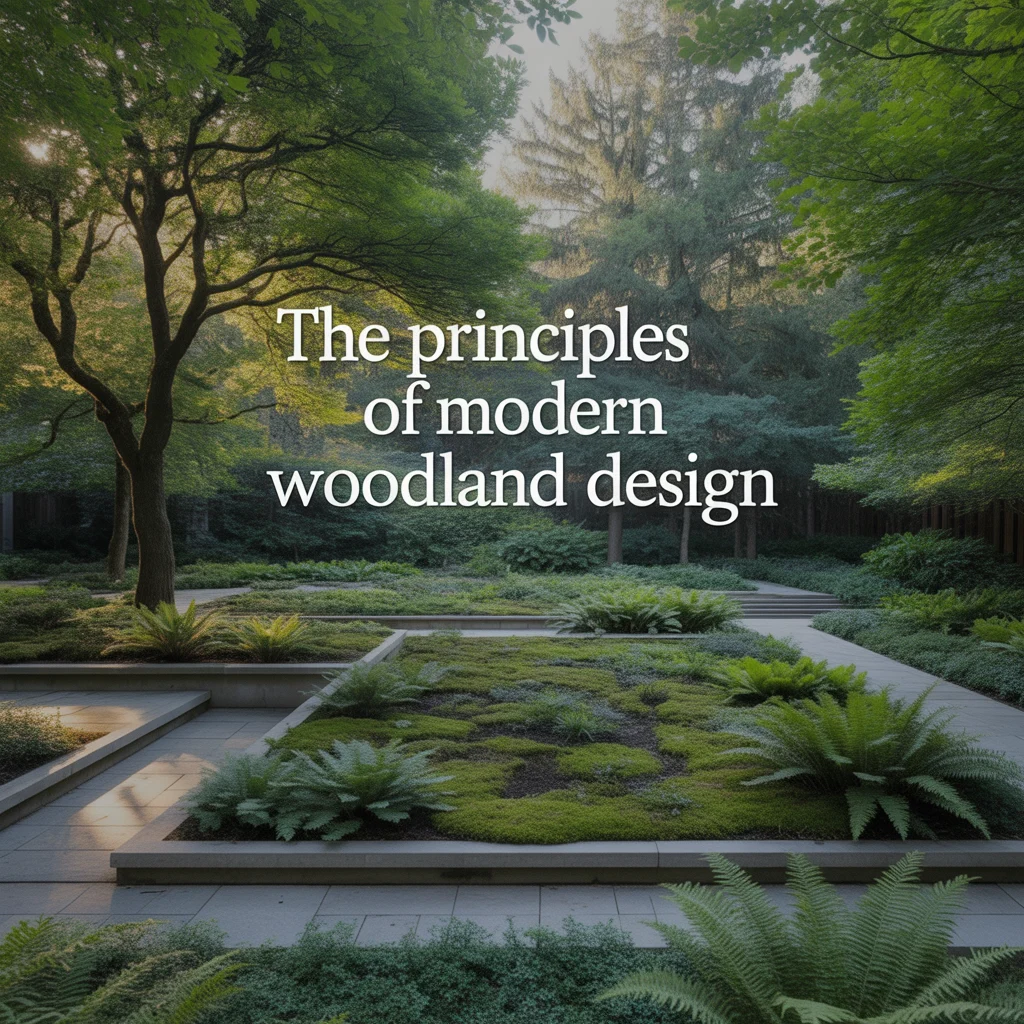
The principles of modern woodland design are the foundation of the style, fusing contemporary design discipline with naturalistic woodland beauty through restraint, intentionality, and the careful framing of natural elements. I always begin a modern woodland project by establishing these principles, because the difference between a modern woodland garden and an ordinary one lies not in the plants or materials alone but in the contemporary thinking — the restraint, the deliberate composition, and the intentional editing — applied to the naturalistic woodland setting.
Core Modern Woodland Principles
Restraint, intentionality, and framing nature are three core principles of modern woodland design. Restraint means using fewer, carefully chosen elements rather than the abundant detail of a romantic woodland, allowing each to have impact. Intentionality means every plant, material, and line is deliberately chosen and placed rather than left to chance. Framing nature means using contemporary structure and composition to highlight and present the natural beauty of the trees and planting.
Balancing Modern and Natural
Contemporary structure, naturalistic planting, and considered contrast are three balances suited to modern woodland design. Contemporary structure in clean lines and architectural materials provides the modern framework. Naturalistic planting in a refined woodland palette keeps the design connected to nature. Considered contrast between the crisp modern elements and the soft natural planting creates the tension and sophistication that defines the modern woodland style.
Architectural and Bold Foliage Planting
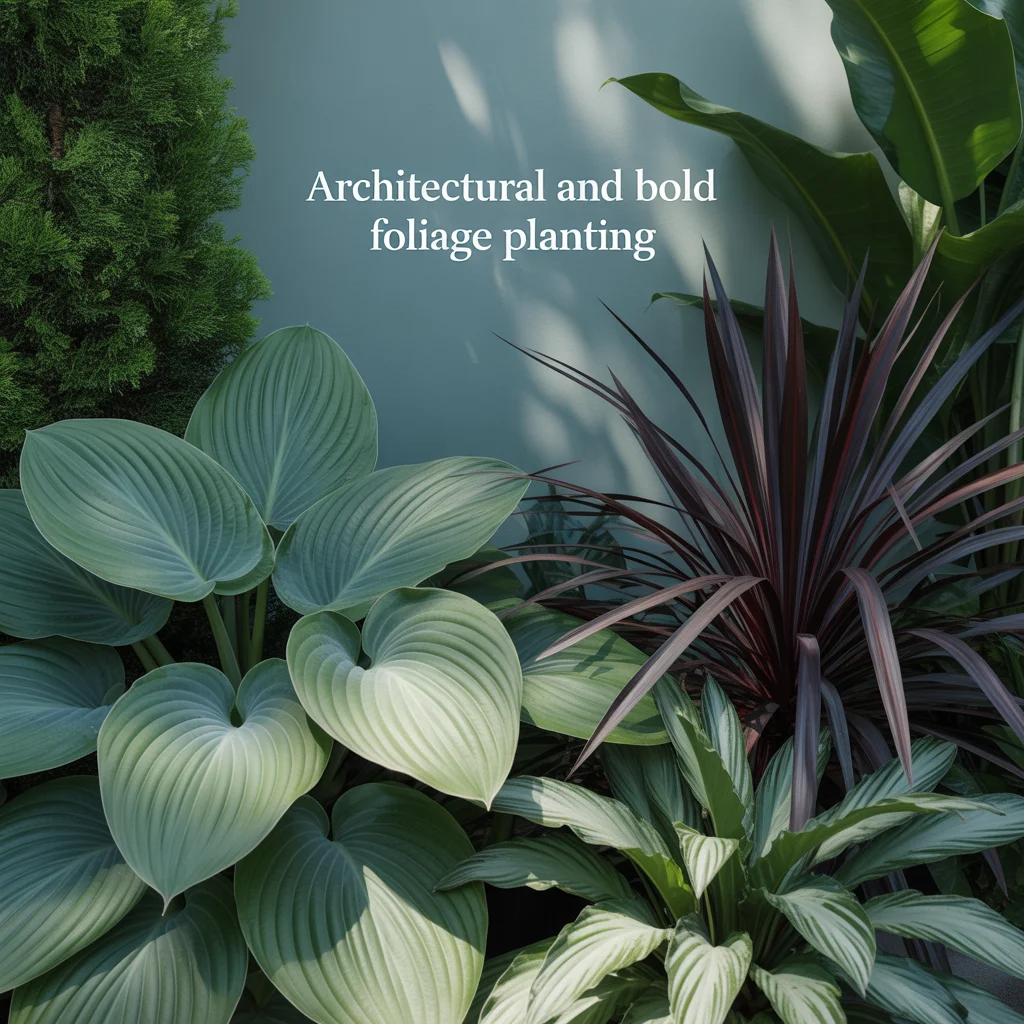
Architectural and bold foliage planting brings contemporary planting design to the woodland palette, using dramatic foliage, strong forms, and textural contrast to create a sophisticated, intentional planting scheme. I design modern woodland planting around bold foliage and textural contrast, because the contemporary woodland aesthetic relies on the deliberate composition of leaf shape, texture, and form rather than the flower-led abundance of a traditional garden, creating drama through foliage and structure.
Bold Foliage Plants for Modern Woodland
Hosta sieboldiana, Rodgersia, and Darmera peltata are three bold foliage plants suited to modern woodland planting. Hosta sieboldiana provides large architectural blue-green leaves that anchor a contemporary woodland scheme. Rodgersia provides deeply divided, dramatic foliage with strong sculptural presence. Darmera peltata provides large round leaves on tall stems for bold architectural impact in a moist woodland position.
Designing With Textural Contrast
Fine against bold, varied leaf forms, and repeated drifts are three approaches suited to textural planting contrast. Fine textures like ferns set against bold leaves like hostas create the contrast that defines contemporary planting. Varied leaf forms across the scheme build sophisticated textural richness. Repeated drifts of each plant, rather than one of everything, create the calm, intentional repetition of modern planting design.
Restrained Contemporary Plant Palettes
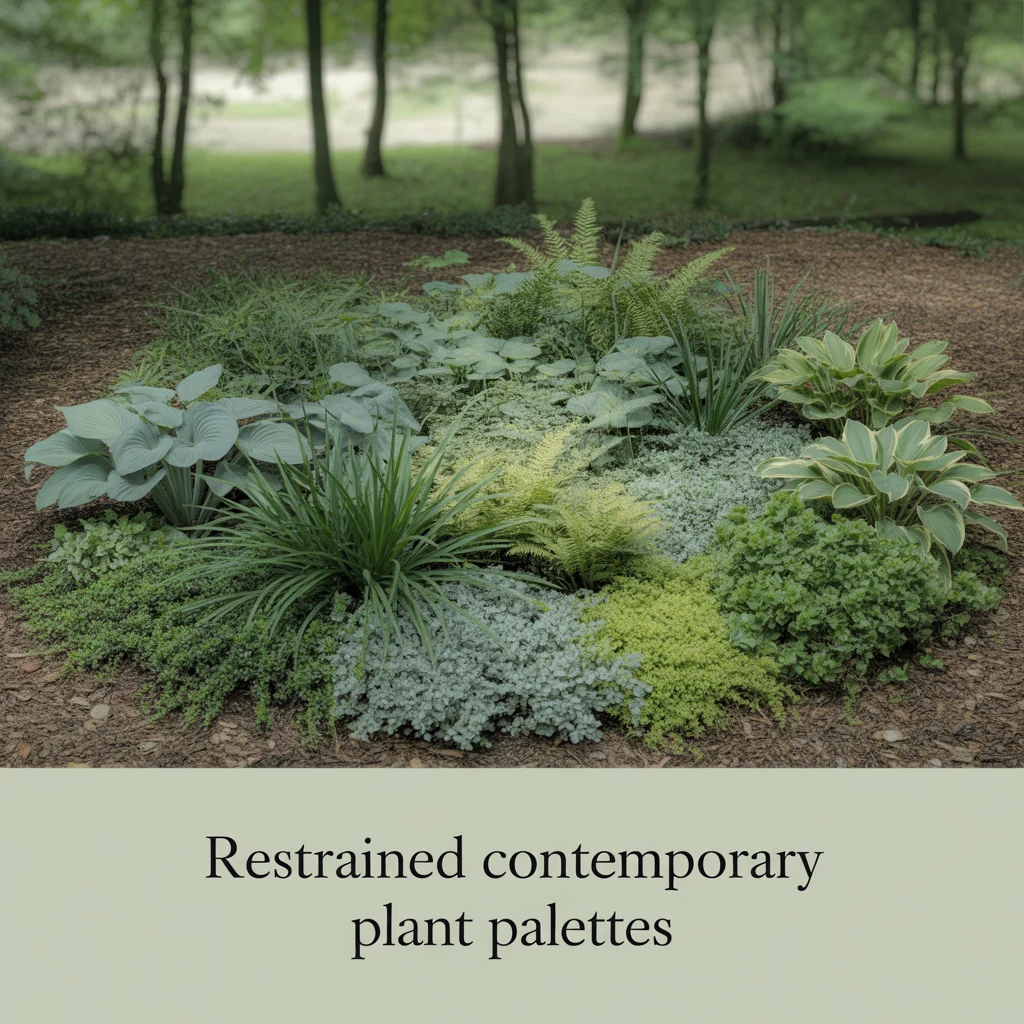
Restrained contemporary plant palettes use a limited, carefully chosen selection of plants repeated in bold drifts to create the calm, sophisticated, intentional planting that distinguishes modern woodland design from a busy traditional scheme. I work with restrained palettes in modern woodland gardens, because limiting the planting to a few well-chosen species repeated in generous drifts creates a far more sophisticated and contemporary effect than the diverse abundance of a traditional woodland, allowing the chosen plants and the trees to have real impact.
Building a Restrained Palette
A limited species selection, bold repetition, and seasonal structure are three approaches suited to a restrained palette. A limited species selection of a few key plants keeps the scheme calm and contemporary. Bold repetition of each species in large drifts creates the intentional, designed effect. Seasonal structure ensures the restrained palette still provides interest across the year through foliage, form, and selective flowering.
Choosing Plants for a Modern Palette
Strong structural plants, refined ground cover, and selective seasonal accents are three choices suited to a modern woodland palette. Strong structural plants like ferns and bold-leaved perennials provide the architectural backbone. Refined ground cover in sweeping drifts provides the calm floor. Selective seasonal accents, used sparingly, provide moments of colour or flower without cluttering the restrained scheme.
Corten Steel Features in a Woodland Setting
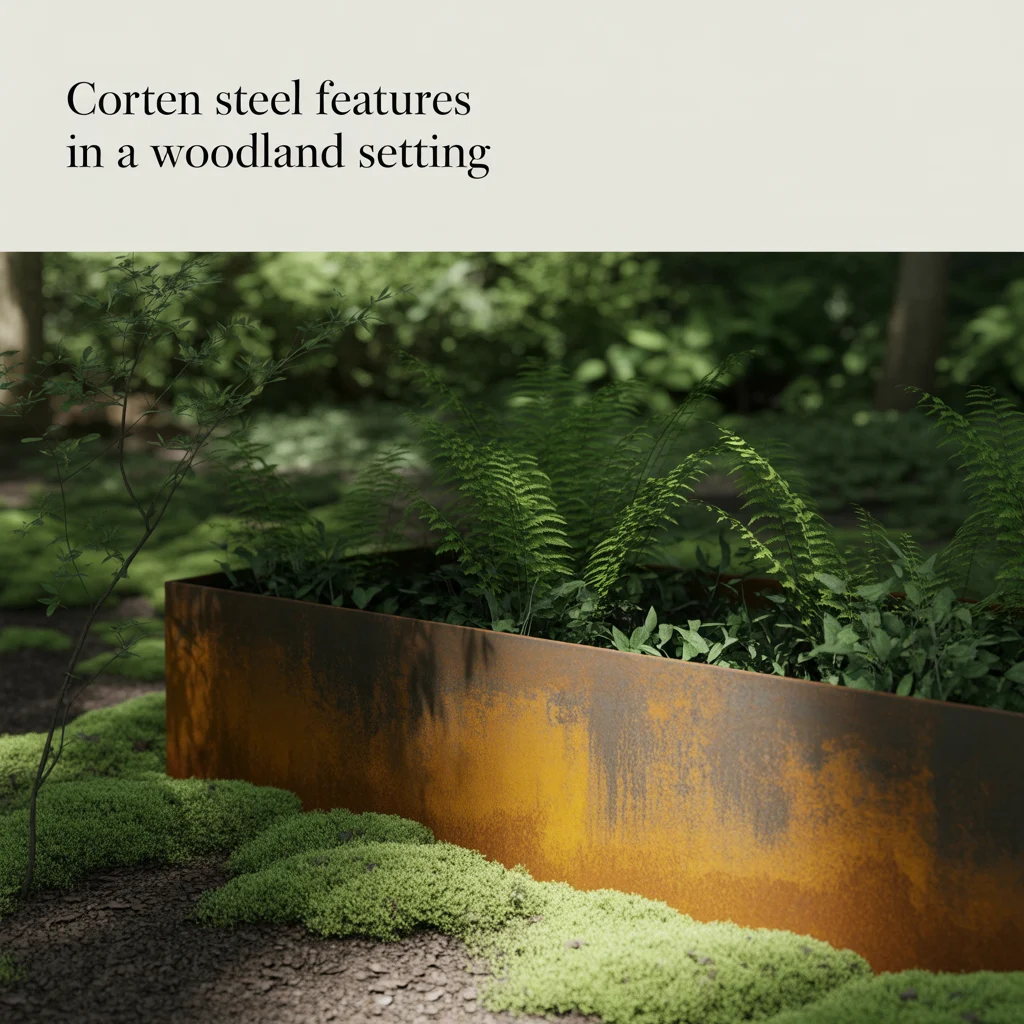
Corten steel features bring one of the signature materials of contemporary garden design into the woodland setting, the warm rusted patina of weathering steel coordinating beautifully with the natural woodland palette while providing crisp architectural form. I use Corten steel in many modern woodland gardens, because its warm rusted tones harmonize with bark and autumn foliage while its clean architectural lines provide the contemporary structure that defines the modern woodland style, making it the perfect bridge between modern and natural.
Corten Steel Applications
Corten planters, Corten edging, and Corten water features are three applications suited to a modern woodland garden. Corten planters provide crisp architectural containers for bold woodland planting. Corten edging defines paths and beds with a clean contemporary line that weathers into the setting. Corten water features provide sculptural rusted-steel rills and basins that combine modern form with the natural element of water.
Why Corten Suits Modern Woodland
Warm natural tones, architectural form, and weathering character are three reasons Corten suits modern woodland. Warm natural rusted tones coordinate with the browns of bark and autumn foliage. Architectural form provides the clean contemporary lines that contrast with the natural planting. Weathering character, as the steel develops its patina over time, gives Corten the evolving, naturalizing quality that suits a woodland setting.
Architectural Concrete in Woodland Gardens
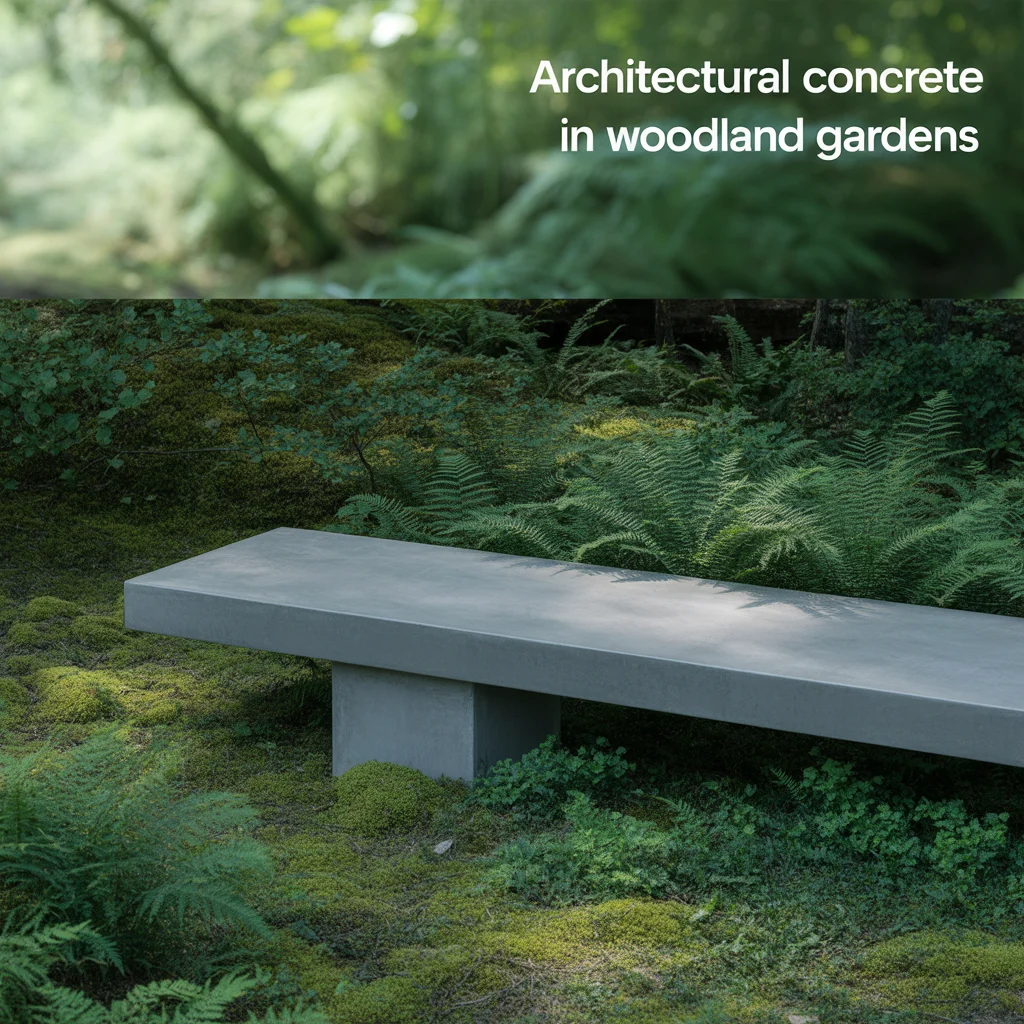
Architectural concrete brings a bold contemporary material into the woodland garden, using cast concrete for benches, paving, water features, and structures to provide crisp, minimal form that contrasts strikingly with the organic woodland planting. I use architectural concrete in modern woodland designs where a strong contemporary statement is wanted, because the smooth minimal surfaces of cast concrete provide a powerful contrast to the soft natural planting, creating the sophisticated tension between built and grown that defines modern woodland design.
Concrete Applications in Woodland
Concrete benches, concrete paving, and concrete water features are three applications suited to a modern woodland garden. Concrete benches provide minimal sculptural seating within a woodland clearing. Concrete paving in large format slabs provides clean contemporary surfaces and paths. Concrete water features provide bold minimal basins and rills that contrast with the natural setting.
Softening Concrete in a Woodland Setting
Planting against concrete, weathering and moss, and natural surroundings are three approaches suited to softening concrete. Planting ferns and foliage against concrete softens its hard edges and integrates it. Weathering and moss colonization in the damp woodland shade naturalizes the concrete over time. Natural surroundings of trees and planting frame the concrete so its boldness reads as deliberate contrast rather than intrusion.
Clean-Lined Modern Decking and Terraces
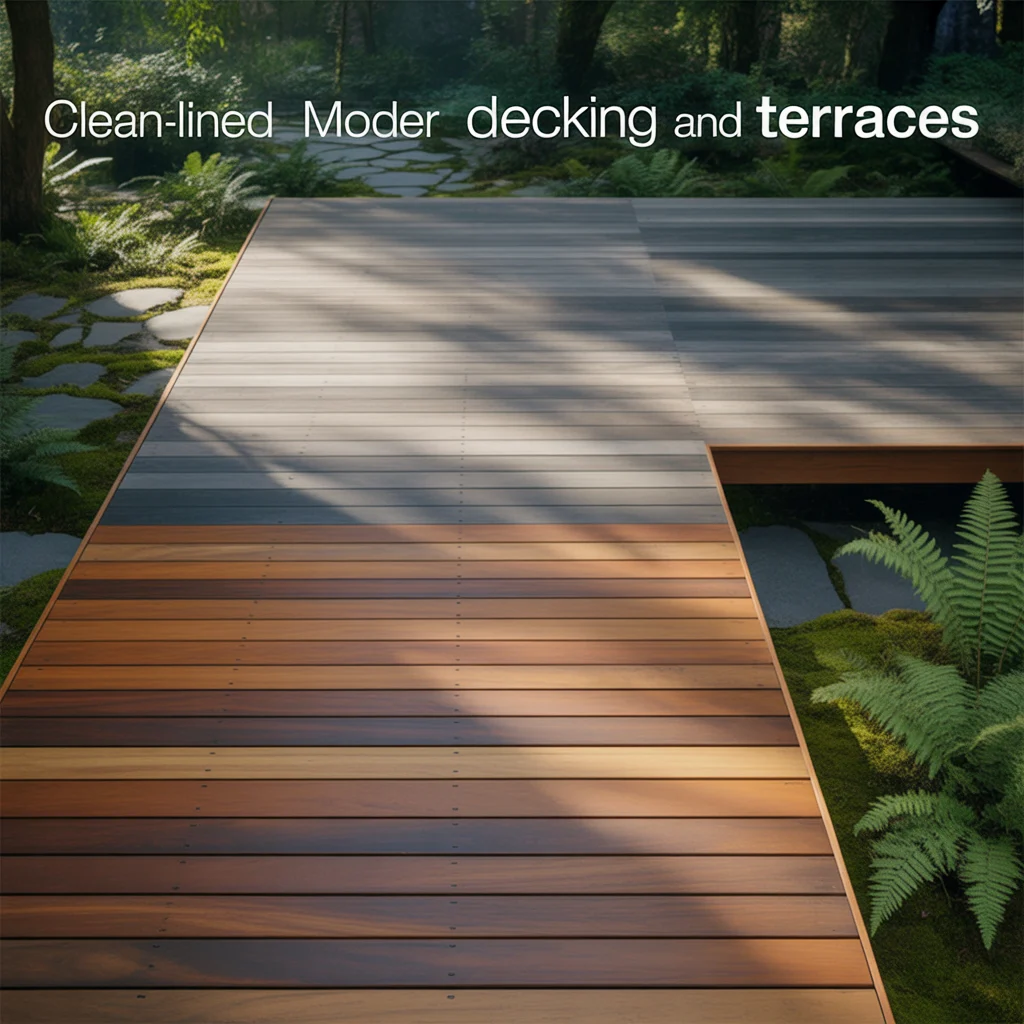
Clean-lined modern decking and terraces create contemporary living and seating spaces within the woodland, using timber or composite decking in simple architectural forms to provide a refined platform from which to enjoy the woodland setting. I design clean-lined decks and terraces for modern woodland gardens, because a simple, well-proportioned contemporary deck integrated among the trees provides a sophisticated outdoor living space while the clean lines contrast beautifully with the organic forms of the surrounding woodland.
Decking Materials for Modern Woodland
Hardwood decking, composite decking, and large-format paving are three surface options suited to a modern woodland terrace. Hardwood decking provides a warm, natural, durable contemporary surface that weathers into the setting. Composite decking provides a low-maintenance, refined surface in contemporary tones. Large-format paving provides a crisp, architectural alternative for a modern woodland terrace.
Integrating a Deck Into Woodland
Trees through the deck, clean simple form, and soft planted edges are three approaches suited to integrating a deck. Trees rising through openings in the deck integrate the structure with the woodland and create a striking contemporary effect. A clean simple form keeps the deck contemporary and uncluttered. Soft planted edges of ferns and foliage blend the crisp deck into the surrounding woodland planting.
Architectural Lighting for Evening Drama
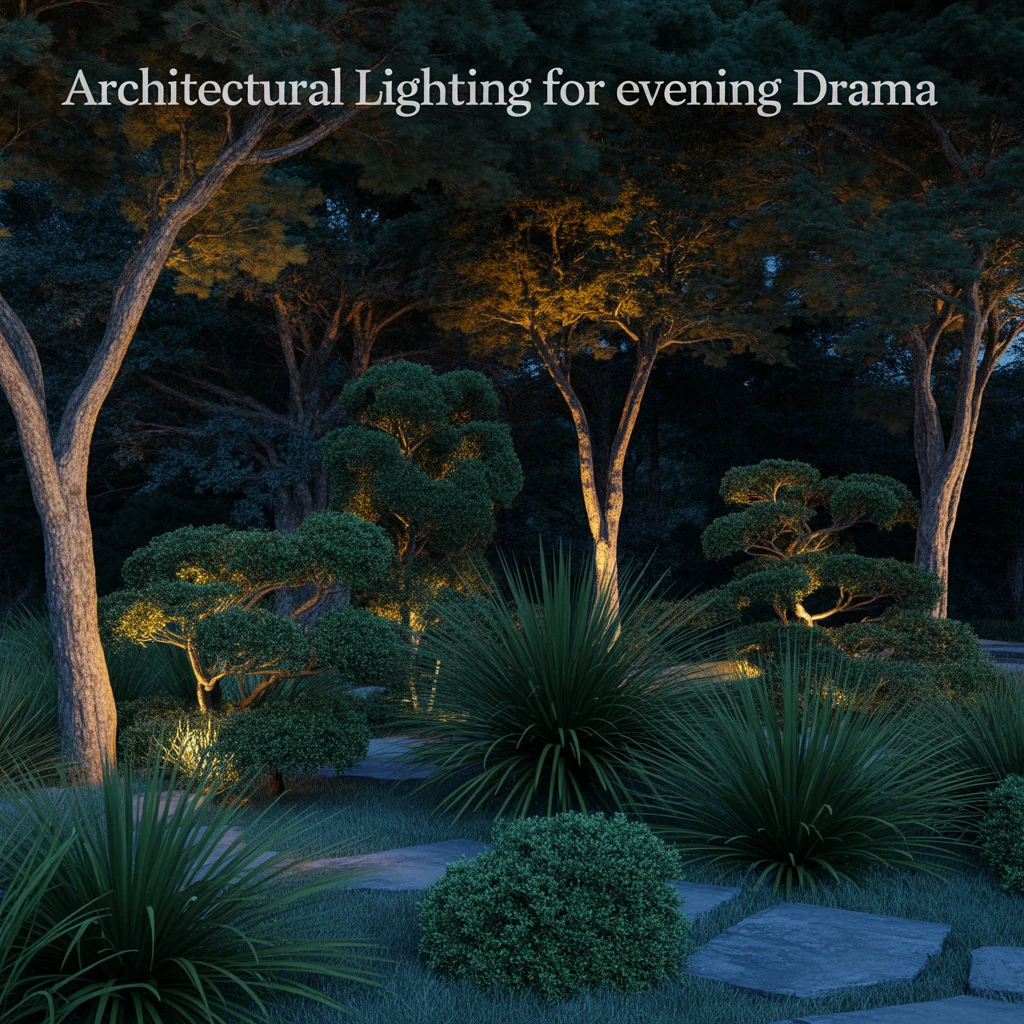
Architectural lighting for evening drama uses precise, restrained contemporary lighting to transform the modern woodland garden after dark, illuminating trees, sculpture, and structure with the clean intentionality of architectural lighting design. I design architectural lighting as an integral part of modern woodland gardens, because precise, restrained lighting that frames the trees and structures transforms the garden into a dramatic contemporary space after dark, extending the sophisticated design into the evening with the same discipline applied by day.
Modern Lighting Techniques
Precise tree uplighting, architectural feature lighting, and restrained path lighting are three techniques suited to modern woodland lighting. Precise tree uplighting with clean beams frames key trunks against the dark with contemporary drama. Architectural feature lighting highlights sculpture, water, and structure with intentional precision. Restrained path lighting marks routes with minimal, discreet fixtures rather than decorative clutter.
Modern Lighting Design Principles
Precision, restraint, and contrast are three principles suited to modern woodland lighting. Precision in aiming each fixture at a specific element creates clean, intentional pools of light. Restraint in using few, well-placed fixtures maintains the sophisticated minimal aesthetic. Contrast between the lit focal elements and the surrounding darkness provides the drama that defines contemporary lighting design.
Contemporary Water Features in Woodland
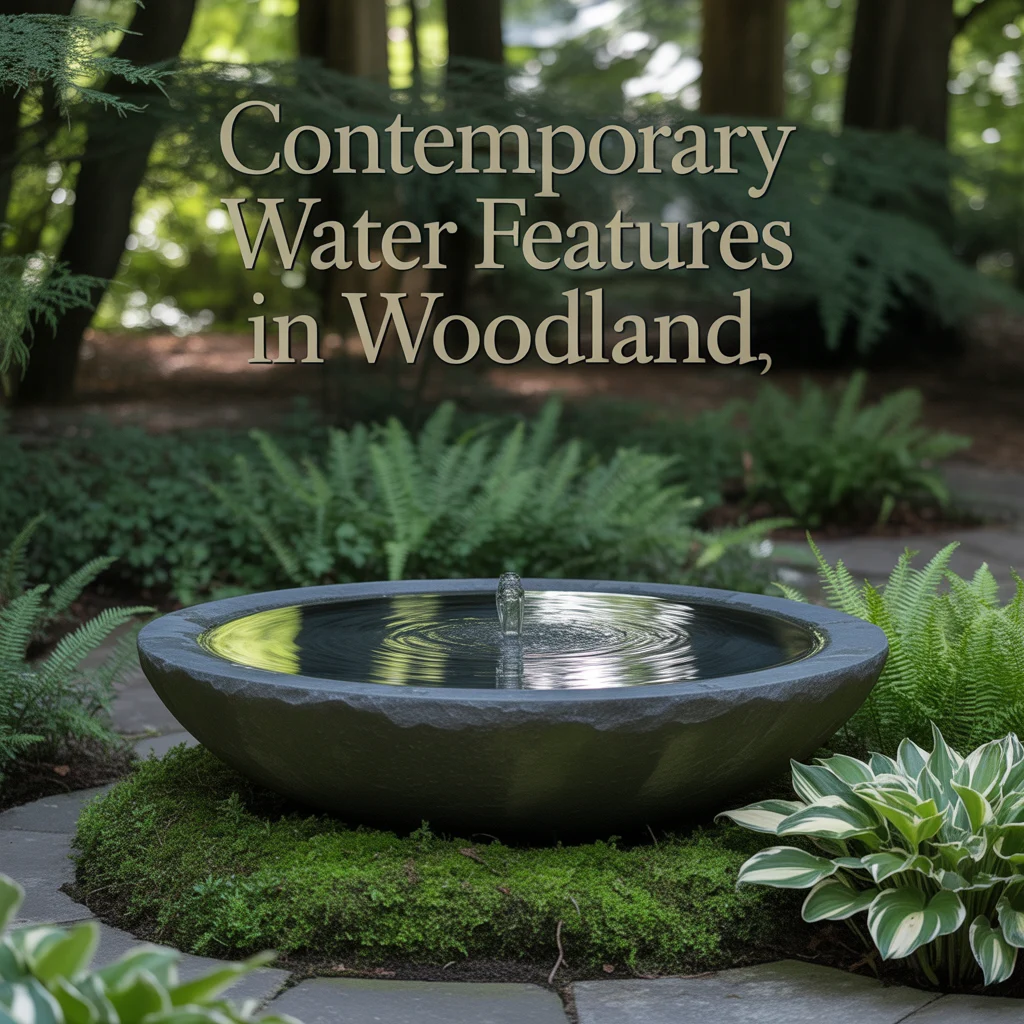
Contemporary water features bring the calming element of water into the modern woodland garden through clean, architectural designs that contrast with the natural setting, from minimal rills to sculptural basins. I incorporate contemporary water features into modern woodland gardens, because a clean architectural water feature provides both the sensory calm of water and a striking modern focal point, the precise geometry of the feature contrasting beautifully with the organic woodland surroundings.
Modern Water Feature Styles
A minimal rill, a sculptural basin, and a Corten water feature are three contemporary water feature styles suited to a woodland garden. A minimal rill carrying water in a clean straight channel provides architectural contrast with the natural setting. A sculptural basin or bowl provides a still reflective surface as a contemporary focal point. A Corten water feature combines weathering steel with water for a signature modern woodland element.
Reflection and Stillness in Modern Water
A still reflective surface, clean geometry, and considered placement are three qualities suited to modern woodland water features. A still reflective surface mirrors the surrounding trees and sky for contemporary calm. Clean geometry in the feature’s form provides the architectural quality. Considered placement, positioning the feature as a deliberate focal point, ensures it anchors the design with intention.
Sculpture and Art in Modern Woodland Gardens
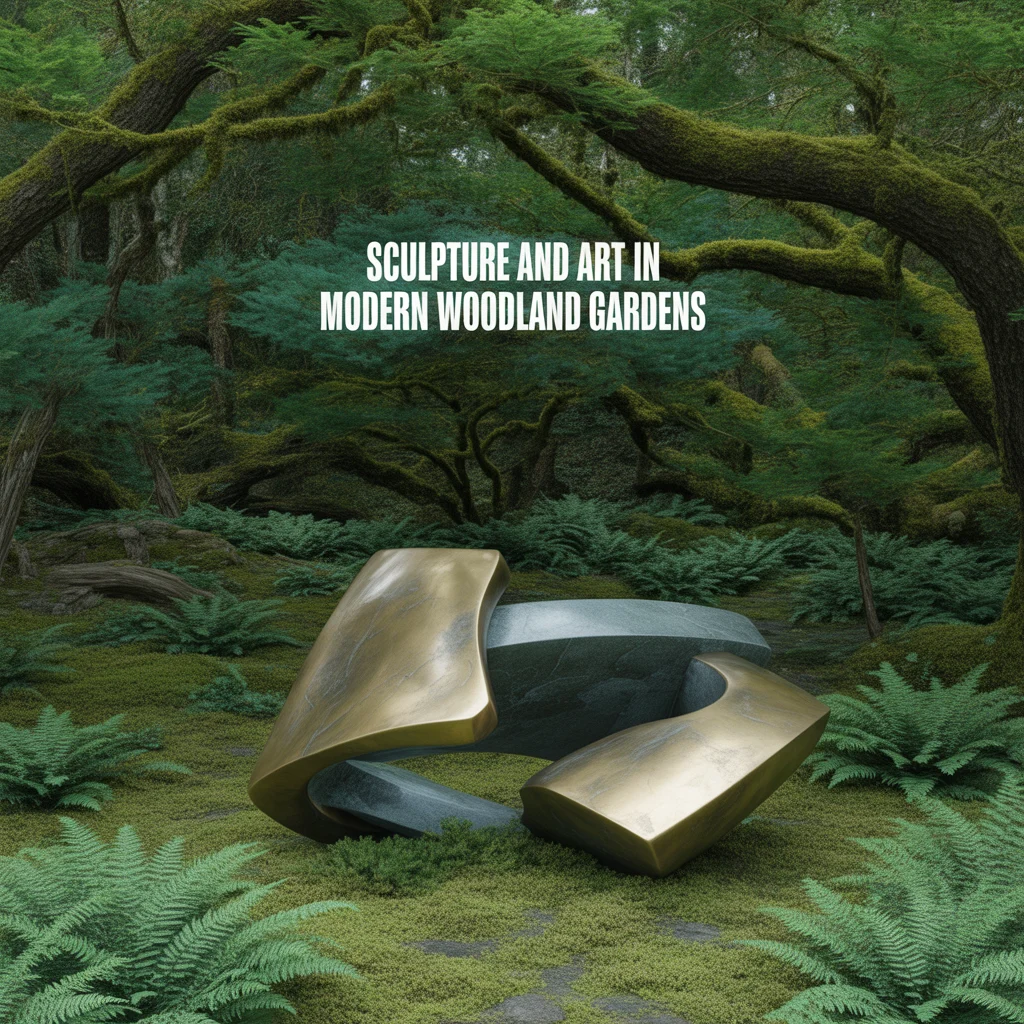
Sculpture and art in modern woodland gardens introduce contemporary focal points that elevate the naturalistic setting, using considered placement of sculpture to create moments of drama and intention within the woodland. I use sculpture in modern woodland gardens as deliberate focal points, because a well-chosen contemporary sculpture placed with intention among the trees provides a powerful moment of contrast and sophistication, drawing the eye and elevating the naturalistic woodland into a designed composition.
Sculpture Styles for Modern Woodland
Abstract contemporary sculpture, Corten sculpture, and minimal stone forms are three sculpture styles suited to a modern woodland garden. Abstract contemporary sculpture provides a bold modern focal point against the natural backdrop. Corten sculpture in weathering steel coordinates with the woodland palette while providing contemporary form. Minimal stone forms provide sculptural presence with natural materials that bridge modern and woodland.
Placing Sculpture in Woodland
A framed sightline, a clearing focal point, and considered scale are three principles suited to placing sculpture. A framed sightline positions the sculpture at the end of a view to draw the eye through the garden. A clearing focal point allows the sculpture to stand clear and be appreciated. Considered scale ensures the sculpture commands its position appropriately within the woodland setting.
Modern Woodland Garden Paths
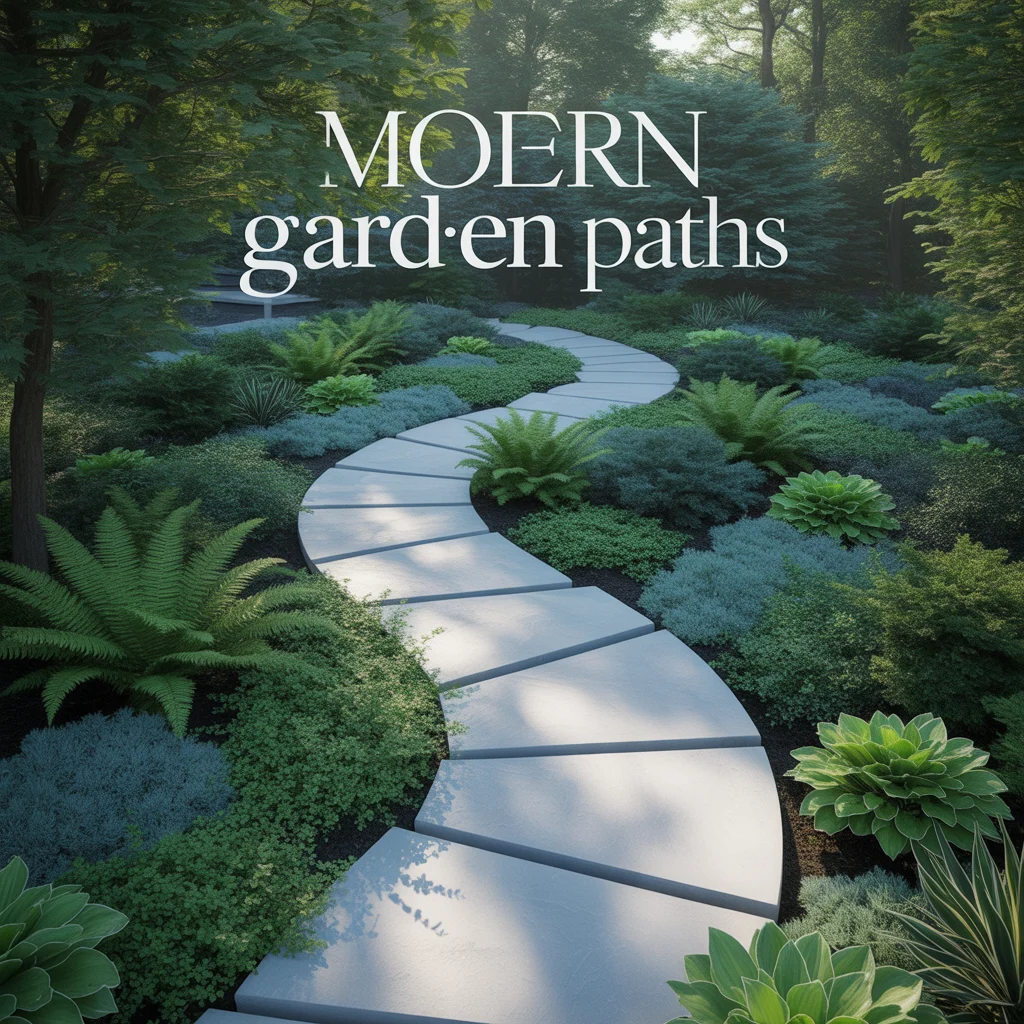
Modern woodland garden paths provide contemporary routes through the woodland using clean materials and considered lines that balance the directness of modern design with the exploratory quality of a woodland journey. I design modern woodland paths with contemporary materials and intentional routes, because the path both provides the contemporary structural line through the garden and shapes the experience of moving through the woodland, balancing modern clarity with naturalistic discovery.
Modern Path Materials
Large-format paving, Corten-edged gravel, and timber boardwalk are three path materials suited to a modern woodland garden. Large-format paving slabs provide a clean contemporary path surface. Corten-edged gravel combines a natural surface with crisp architectural edging. Timber boardwalk provides a refined contemporary route that floats above the woodland floor.
Designing Modern Path Routes
Clean intentional lines, considered curves, and material consistency are three principles suited to modern path routes. Clean intentional lines, whether straight or deliberately curved, provide the contemporary structure. Considered curves that reveal the garden gradually retain the woodland sense of journey within a modern framework. Material consistency along the path maintains the disciplined contemporary aesthetic.
Low-Maintenance Modern Woodland Design
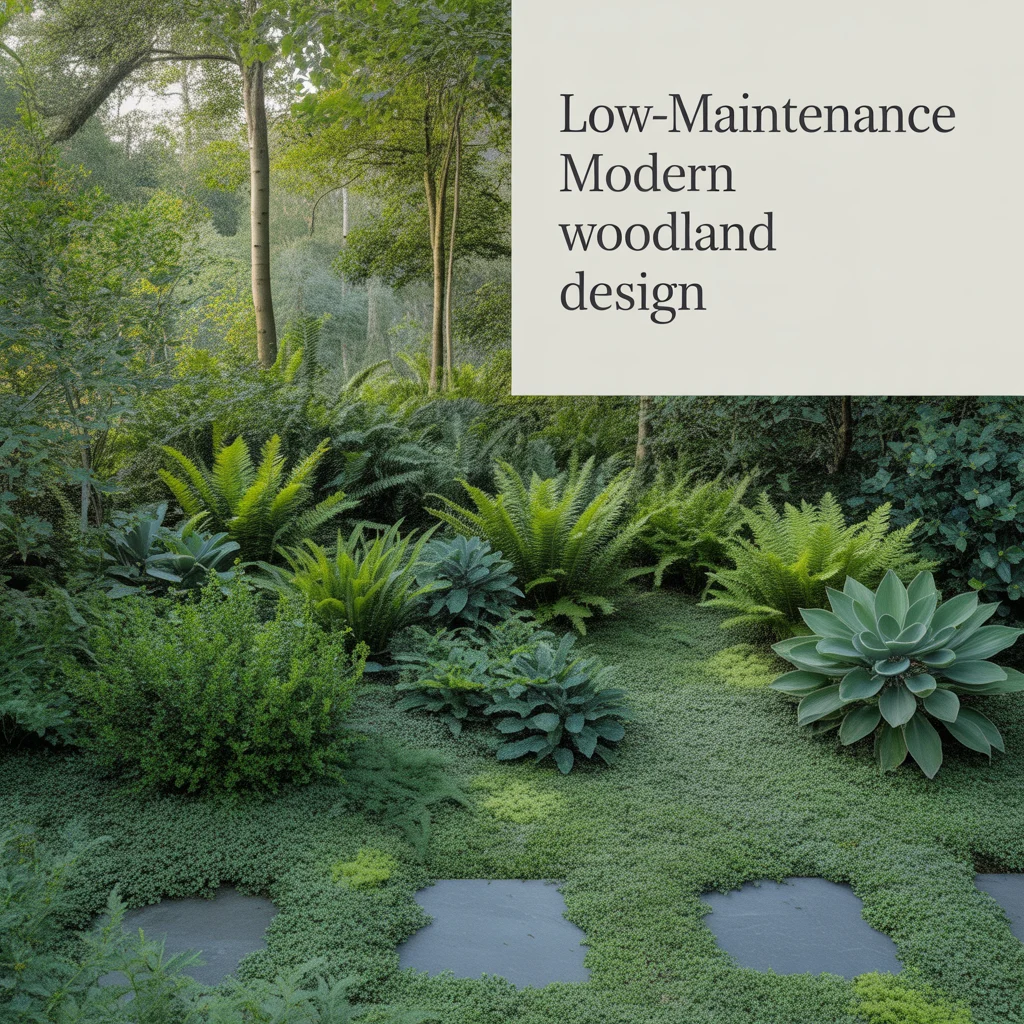
Low-maintenance modern woodland design combines the restraint of contemporary planting with the self-sustaining qualities of woodland species to create a sophisticated garden that requires minimal upkeep. I design modern woodland gardens for low maintenance, because the restrained palette and bold drifts of contemporary planting, using tough self-sustaining woodland species, naturally create a low-maintenance garden where dense ground cover suppresses weeds and the limited plant selection simplifies care.
Why Modern Woodland Is Low-Maintenance
Restrained planting, dense ground cover, and durable materials are three reasons modern woodland design is low-maintenance. Restrained planting with fewer species in bold drifts simplifies maintenance compared to a diverse traditional scheme. Dense ground cover suppresses weeds across the woodland floor. Durable contemporary materials like Corten and concrete require minimal upkeep once installed.
Low-Maintenance Modern Planting
Bold drifts of ground cover, structural ferns, and self-sustaining perennials are three low-maintenance plantings suited to modern woodland. Bold drifts of ground cover provide weed-suppressing cover with minimal care. Structural ferns provide self-sustaining architectural presence. Self-sustaining perennials repeated in drifts provide contemporary impact with little intervention, creating a sophisticated low-maintenance scheme.
Modern Woodland Design for a Backyard
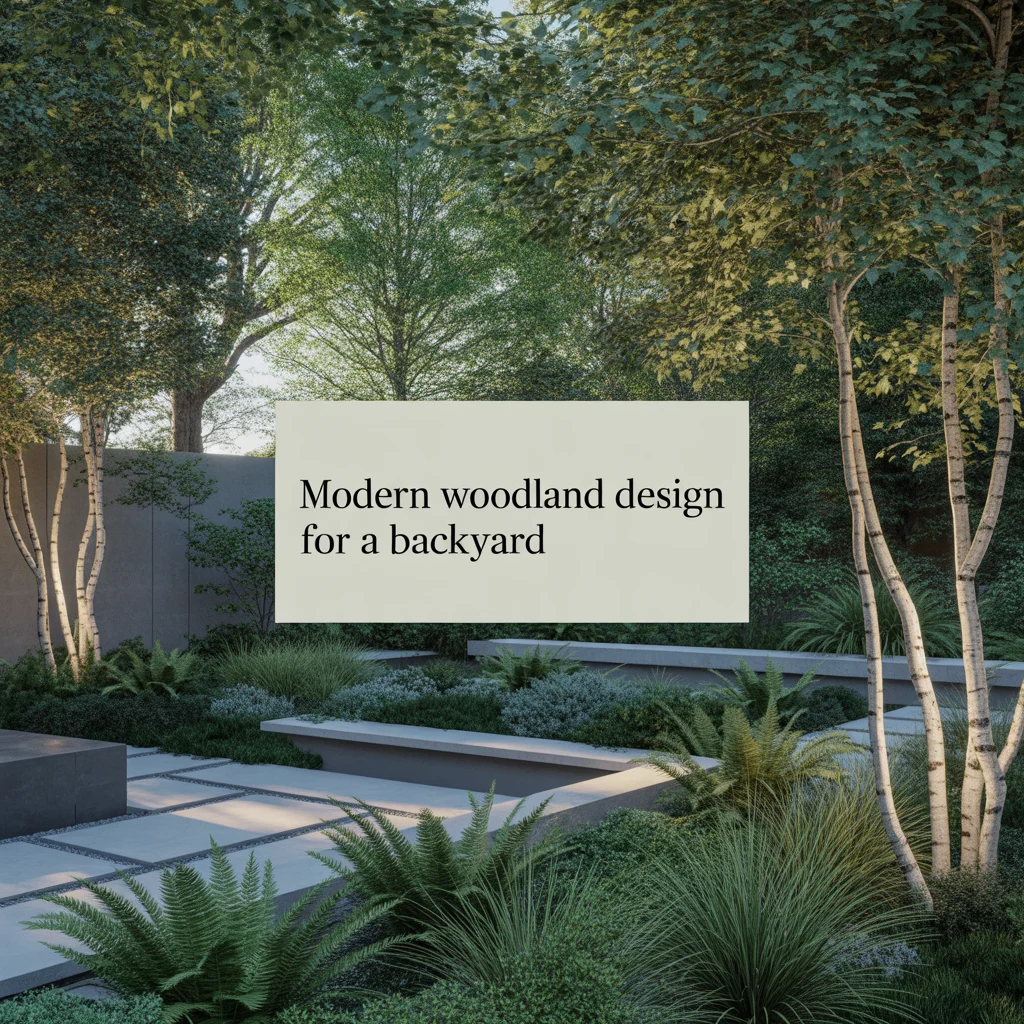
Modern woodland design for a backyard brings contemporary woodland sophistication to a domestic backyard, transforming an ordinary suburban plot into a refined modern woodland garden. I have created modern woodland gardens in conventional backyards, because even a typical suburban plot can be reimagined as a sophisticated contemporary woodland through restrained planting, clean materials, and intentional design, bringing high-end design quality to an everyday space.
Modern Woodland in a Small Backyard
A restrained palette, one strong material, and a single focal point are three approaches suited to a modern woodland backyard. A restrained palette of a few repeated species creates contemporary sophistication in a small space. One strong contemporary material used consistently provides the modern framework. A single focal point such as a sculpture or water feature anchors the compact design.
Creating Impact in a Backyard
Bold simplicity, considered sightlines, and quality over quantity are three principles suited to a modern woodland backyard. Bold simplicity with few well-chosen elements creates more impact than cluttered detail in a small space. Considered sightlines from the house frame the garden as a contemporary composition. Quality over quantity, investing in fewer high-quality elements, delivers the sophisticated modern woodland effect in a backyard.
Integrating Mature Trees Into Modern Design
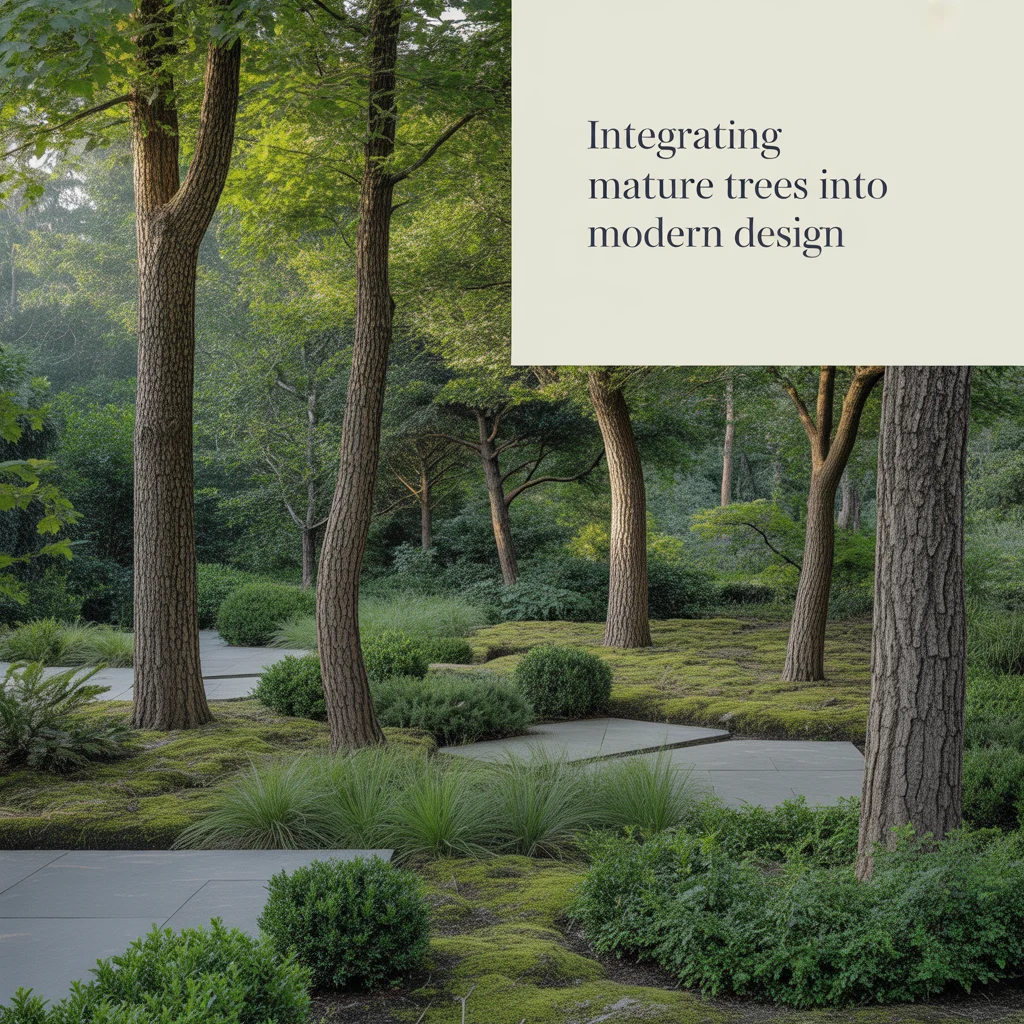
Integrating mature trees into modern design treats existing woodland trees as the central architectural elements of a contemporary garden, framing and celebrating them with clean modern structure and planting. I build modern woodland designs around the existing mature trees, because these trees are the irreplaceable architectural heart of the garden, and the contemporary design works to frame, present, and celebrate them rather than competing with or obscuring their natural sculptural beauty.
Celebrating Trees in Modern Design
Framing trunks, uplighting canopies, and clearing sightlines are three approaches suited to celebrating trees in modern design. Framing the trunks with clean structure and restrained planting presents them as architectural elements. Uplighting the canopies dramatizes them after dark. Clearing sightlines to and around key trees allows their sculptural form to be appreciated within the contemporary composition.
Designing Around Existing Trees
Respecting root zones, framing not crowding, and using trees as focal points are three principles suited to designing around trees. Respecting root zones protects the trees when installing contemporary hard landscaping. Framing rather than crowding the trees with planting and structure lets their form read clearly. Using trees as focal points, positioning views and features to celebrate them, makes the existing woodland the centrepiece of the modern design.
Seasonal Interest in Modern Woodland Design
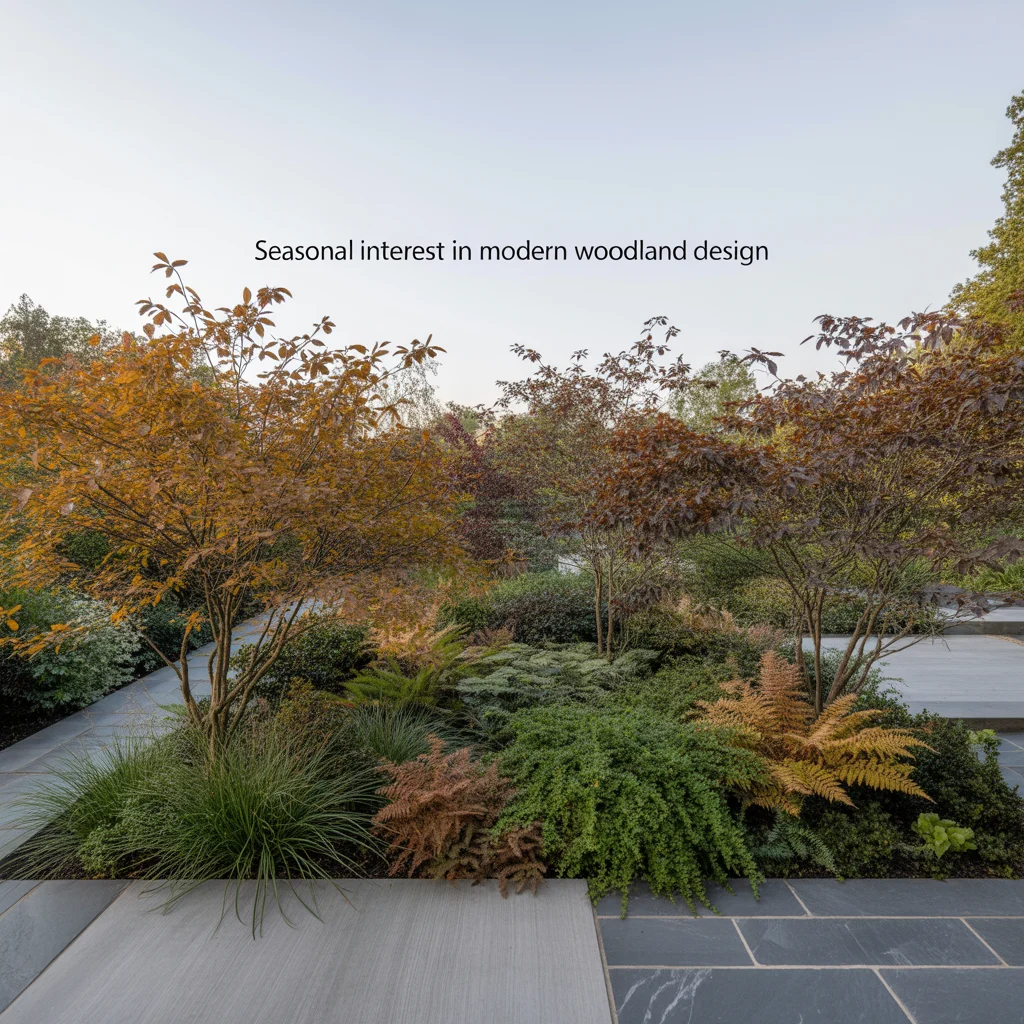
Seasonal interest in modern woodland design ensures the restrained contemporary scheme provides changing beauty through the year, using considered seasonal planting and structural elements that read well in every season. I design modern woodland gardens for year-round interest, because a restrained contemporary scheme must work in every season, using the permanent structure of trees and materials alongside considered seasonal planting to ensure the garden remains beautiful and sophisticated throughout the year.
Seasonal Layers in Modern Woodland
Spring flowering accents, summer foliage structure, and winter architectural form are three seasonal layers suited to modern woodland design. Spring flowering accents, used selectively, provide moments of seasonal colour within the restrained scheme. Summer foliage structure from bold architectural planting provides the lush contemporary presence of the main season. Winter architectural form from bare trees, evergreen structure, and contemporary materials ensures the design reads beautifully even in the quietest season.
Maintaining Year-Round Sophistication
Permanent structure, evergreen elements, and seasonal restraint are three approaches suited to year-round sophistication. Permanent structure from trees, hard materials, and architectural form anchors the design through every season. Evergreen elements maintain green presence in winter. Seasonal restraint, allowing considered seasonal moments without cluttering the scheme, keeps the modern woodland sophisticated throughout the year.
Commissioning a Modern Woodland Garden Design
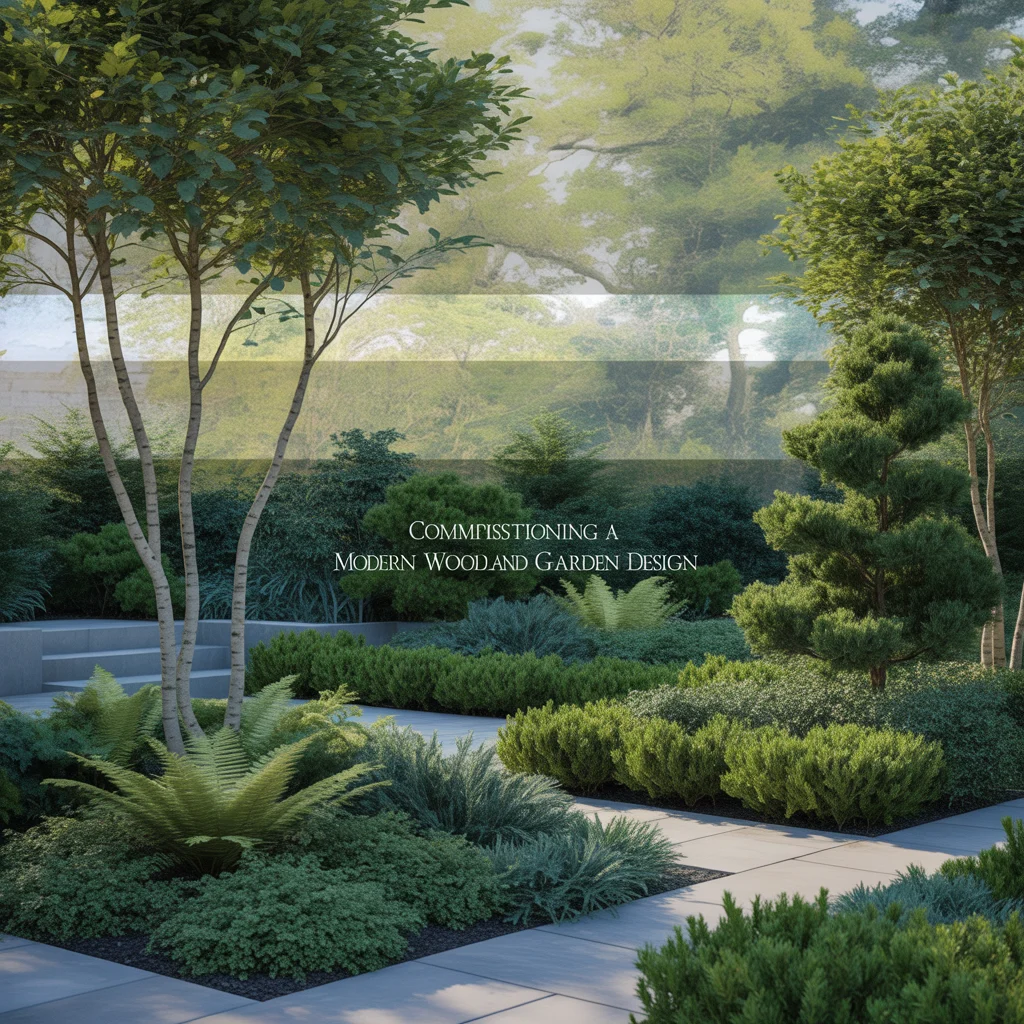
Commissioning a modern woodland garden design involves working with a professional designer to create a contemporary woodland garden, reflecting the higher design investment and professional expertise this sophisticated style often requires. I always note that the most successful modern woodland gardens often benefit from professional design, because the restraint, intentionality, and technical integration of contemporary materials and planting that define the style reward the expertise of a skilled designer or landscape architect.
Working With a Garden Designer
A clear design brief, a collaborative process, and professional expertise are three aspects suited to commissioning a modern woodland design. A clear design brief communicating your vision and how you will use the garden guides the designer. A collaborative process refining the design together ensures the result suits your needs. Professional expertise in contemporary planting, materials, and technical detail delivers the sophisticated quality that defines a successful modern woodland garden.
Investing in Quality Design
Quality materials, skilled installation, and long-term value are three aspects suited to investing in a modern woodland garden. Quality materials in contemporary elements like Corten, concrete, and hardwood provide the lasting sophistication of the style. Skilled installation ensures the clean lines and precise detailing the contemporary aesthetic demands. Long-term value comes from a well-designed modern woodland garden that enhances both the enjoyment and the value of the property as a sophisticated contemporary space.
Frequently Asked Questions
What is a modern woodland garden design?
A modern woodland garden design fuses the naturalistic beauty and ecological value of a traditional woodland garden with the clean lines, restrained palettes, architectural materials, and intentional planting design of contemporary landscape architecture. Rather than the abundant detail and romantic informality of a classic woodland garden, the modern interpretation applies contemporary discipline through restraint, deliberate composition, and the careful framing of natural elements, combining mature trees and shade planting with materials like Corten steel, architectural concrete, and clean-lined decking. The result is a sophisticated style where the wild beauty of the woodland is heightened rather than diluted by modern design, where every plant, material, and line is chosen with intention, and where contemporary structure presents and celebrates the natural setting rather than competing with it.
How do I make a woodland garden look modern?
You make a woodland garden look modern by applying contemporary design discipline through restraint, a limited repeated plant palette, clean architectural materials, and the intentional framing of the existing trees. Replace the diverse abundance of a traditional woodland with a restrained selection of a few bold plants repeated in sweeping drifts, introduce contemporary materials such as Corten steel, architectural concrete, or clean-lined decking that contrast with the organic planting, and use precise architectural lighting to dramatize the trees after dark. The key shift is intentionality, since modern woodland design is about deliberate composition and editing rather than letting everything grow freely, so framing key trees as architectural elements, creating clean sightlines, and choosing every element with care transforms a naturalistic woodland into a sophisticated contemporary garden.
What materials are used in modern woodland gardens?
The materials most associated with modern woodland gardens are Corten steel, architectural concrete, hardwood and composite decking, and large-format paving, all chosen to provide clean contemporary form that contrasts with the natural woodland planting. Corten steel is the signature material, since its warm rusted patina coordinates beautifully with bark and autumn foliage while its crisp architectural lines provide the modern structure, making it ideal for planters, edging, water features, and sculpture. Architectural concrete provides bold minimal surfaces for benches, paving, and water features, hardwood and composite decking create refined contemporary terraces among the trees, and these materials are typically softened by planting and naturalized by weathering and moss in the damp woodland shade, achieving the balance between built and grown that defines the modern woodland aesthetic.
What plants suit a modern woodland garden?
Plants that suit a modern woodland garden are shade-tolerant species with bold foliage, strong form, and good texture, chosen for a restrained palette repeated in generous drifts rather than diverse abundance. Bold architectural plants like Hosta sieboldiana, Rodgersia, and Darmera peltata provide the dramatic foliage and sculptural presence that contemporary planting relies on, while ferns provide fine textural contrast and sweeping drifts of ground cover create the calm, intentional floor. The contemporary approach favours foliage, texture, and form over flower-led abundance, using a limited selection of well-chosen species repeated boldly to create sophisticated impact, with selective seasonal accents used sparingly so the scheme remains restrained, allowing both the chosen plants and the mature trees to have real presence within the designed composition.
Is a modern woodland garden low-maintenance?
A modern woodland garden can be genuinely low-maintenance, because the restrained contemporary planting and durable architectural materials that define the style naturally reduce upkeep compared to a diverse traditional garden. The limited palette of a few species repeated in bold drifts simplifies care, dense ground cover suppresses weeds across the woodland floor, and tough self-sustaining woodland species require little intervention once established, while contemporary materials like Corten steel and concrete need minimal maintenance and weather attractively over time. This combination of restrained planting and durable materials means a well-designed modern woodland garden delivers sophisticated contemporary style alongside practical low maintenance, making it an appealing choice for design-conscious homeowners who want a beautiful garden that does not demand constant attention.