
Beautiful but Dangerous Plants You Should Know About

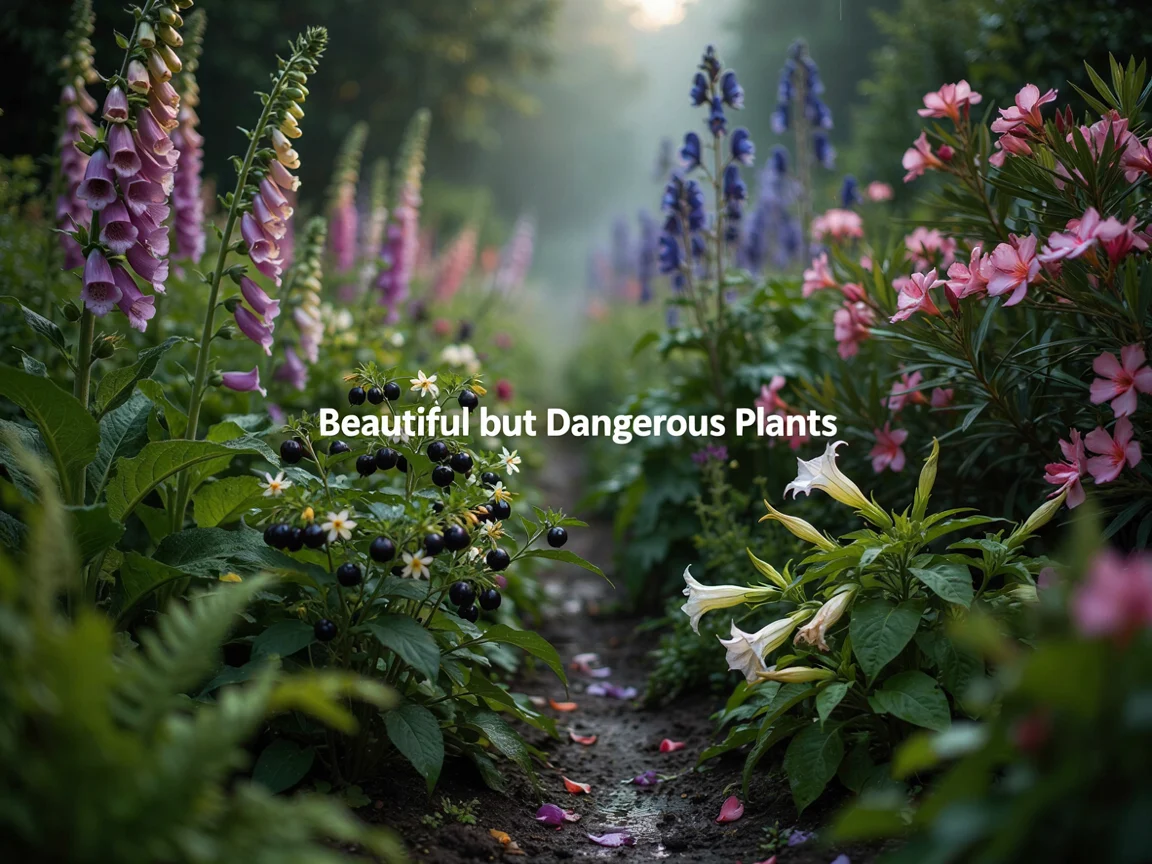
Some of the loveliest plants I have ever grown could kill you. That is not hyperbole — it is the quiet, unsettling truth of gardening that most people never learn until they go looking. For years I grew a magnificent stand of foxgloves along a shady border, admired by everyone who visited, and it was only when a friend with a toddler asked me nervously whether they were safe that I stopped and really thought about it. They are not. That spectacular purple spire that draws the eye and the bees is one of the most poisonous plants in the garden. The more I looked into it, the more I realized how many of our most beloved, most planted, most photographed flowers hide a genuine danger behind their beauty. This is not a reason to fear your garden, but it is a very good reason to know it. This article walks you through some of the most beautiful but dangerous plants you are likely to encounter, so you can enjoy their beauty with your eyes open and make informed choices about what belongs where children and pets play.
Beautiful but dangerous plants are visually stunning flowers and foliage that also contain genuine toxins capable of causing harm from mild irritation to serious poisoning if eaten, handled, or otherwise misused. Understanding which of these plants pose a real risk allows you to appreciate their beauty safely, plant them thoughtfully, and protect the children, pets, and vulnerable people who share your garden. Over the years I have grown, studied, and cautiously admired many of these plants, and in this article I am sharing the most notable beautiful but dangerous species, why they are risky, and how to enjoy them safely.
Why Beautiful Plants Can Be Dangerous
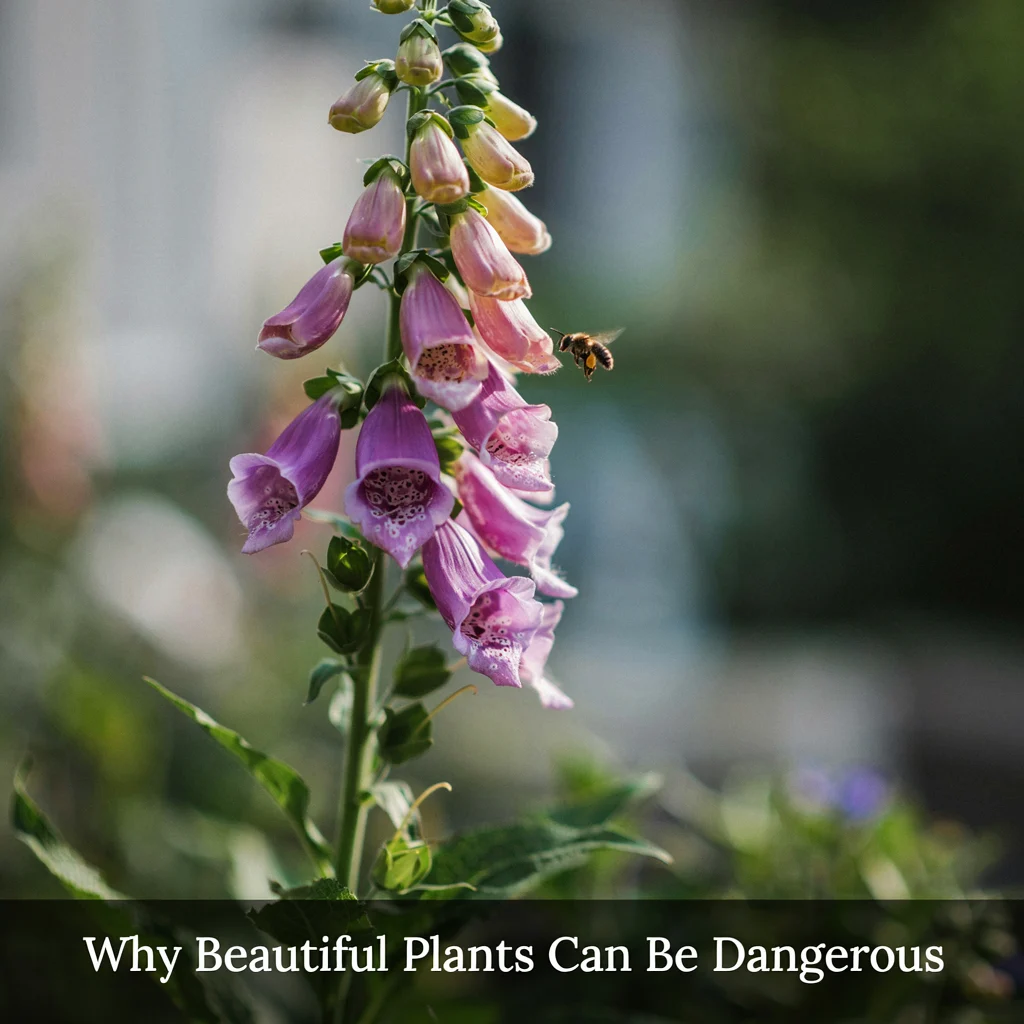
Many of the most beautiful plants are dangerous precisely because the same chemistry that protects them also makes them toxic to us. Plants cannot run from the animals that would eat them, so many have evolved powerful chemical defences alkaloids, glycosides, and other compounds — that deter or poison browsers, and these same compounds can harm humans and pets. It is important to understand that danger comes in degrees. Some plants cause only mild skin irritation or stomach upset, while others contain toxins potent enough to be genuinely life-threatening if ingested. Risk also depends on the person: young children who put things in their mouths, curious pets, and anyone who mistakes a toxic plant for an edible one are most at risk, which is why awareness matters far more than fear.
The Most Dangerous Beautiful Flowers
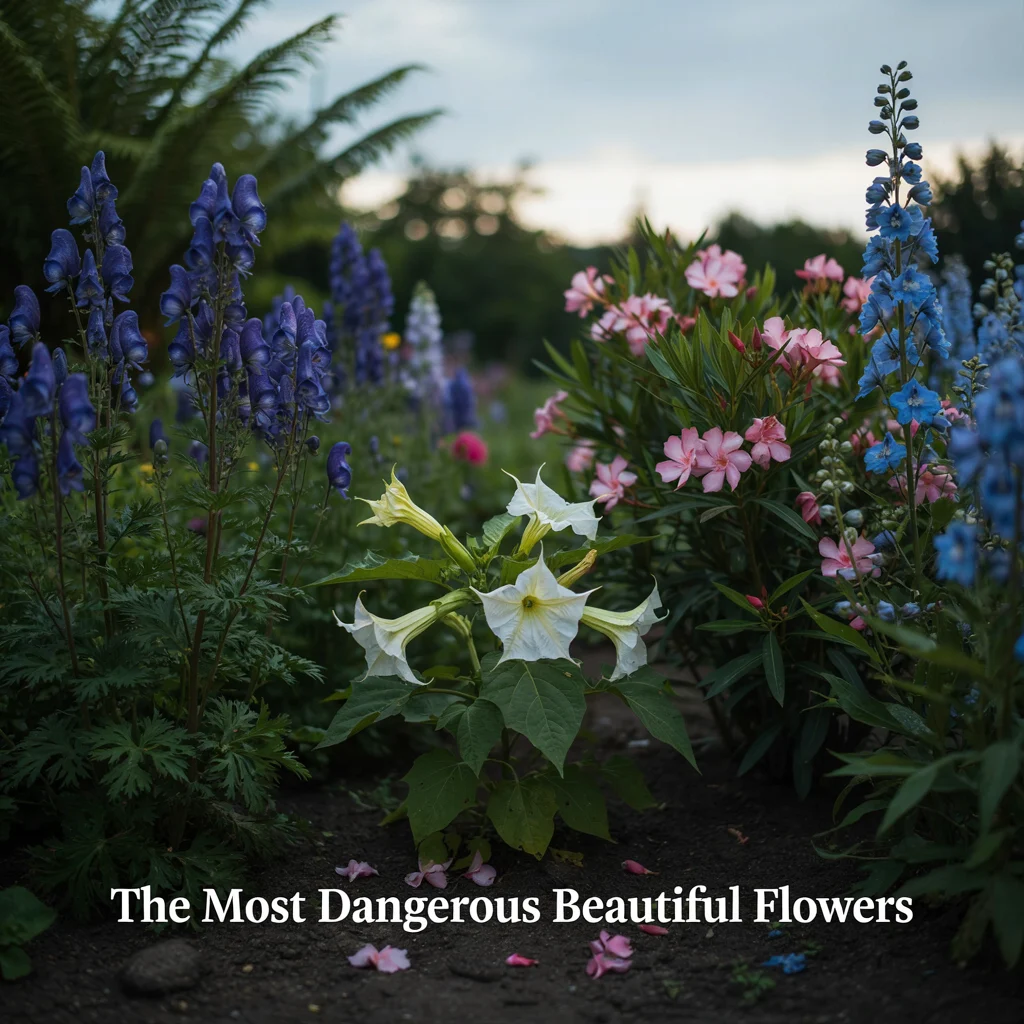
Some of the most beloved garden flowers are also the most poisonous. Foxglove (Digitalis) produces spectacular spires of tubular flowers but contains cardiac glycosides that affect the heart and can be fatal if eaten. Oleander is a fragrant Mediterranean favourite whose every part is highly toxic, one of the most poisonous ornamental plants commonly grown. Monkshood (Aconitum), with its striking blue-purple hooded flowers, is among the most dangerous of all garden plants, toxic even through skin contact in some cases. Lily of the valley hides potent cardiac toxins behind its delicate, sweetly scented white bells, and angel’s trumpet (Brugmansia) combines dramatic hanging blooms with powerful toxins throughout the plant. Each of these is genuinely beautiful and genuinely dangerous, which is exactly why they deserve respect rather than fear.
Poisonous Berries and Deadly Nightshade
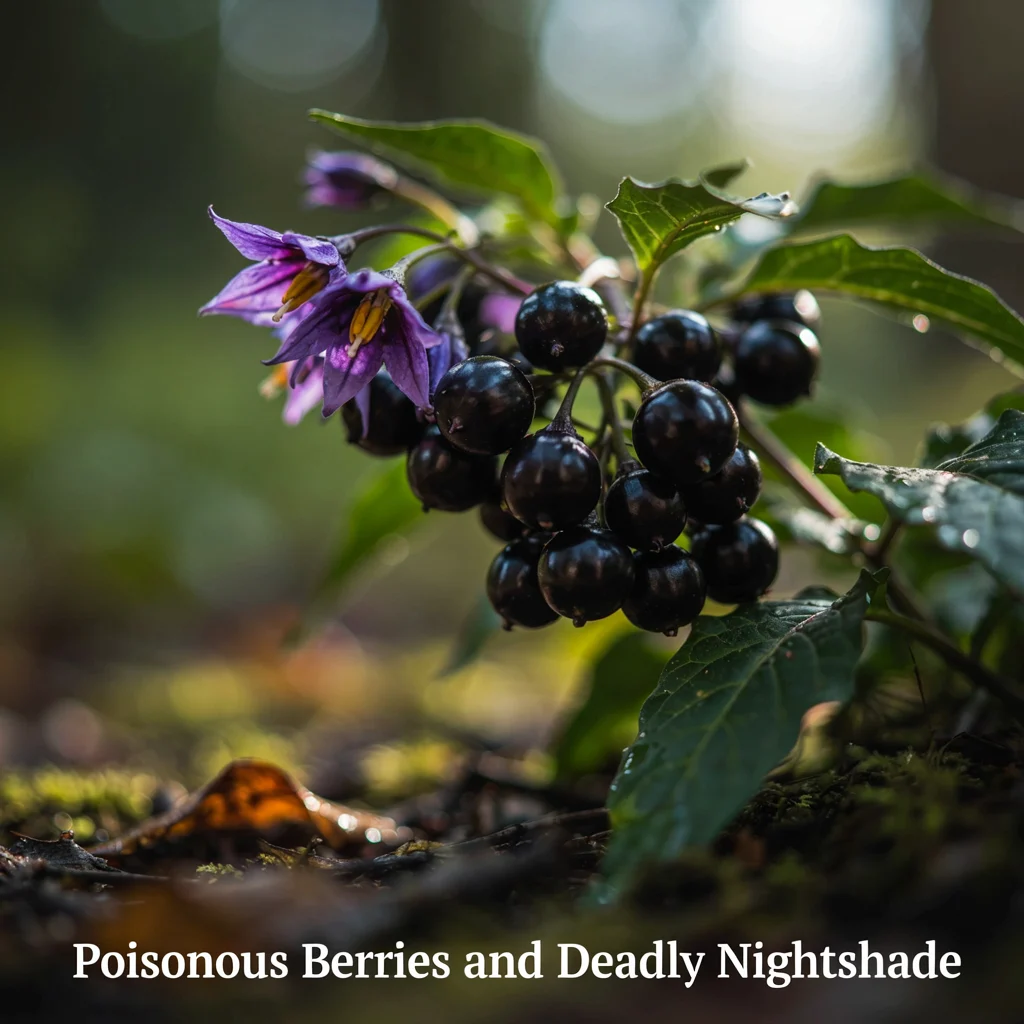
Some of the most dangerous plants tempt with attractive berries rather than flowers, which is especially risky because berries appeal to curious children. Deadly nightshade (Atropa belladonna) produces glossy black berries that look almost edible but contain atropine and related compounds that are highly toxic and potentially fatal. Yew, a common evergreen used for hedging, bears bright red fleshy berries whose seeds and foliage are extremely poisonous. Daphne offers fragrant flowers followed by attractive but toxic berries, and various other ornamental plants produce berries that are dangerous if eaten. Because brightly coloured berries are so tempting to young children and pets, these plants warrant particular caution in family gardens, and it is worth knowing exactly which attractive berries in your garden are best admired but never touched.
Toxic Foliage and Common Garden Plants
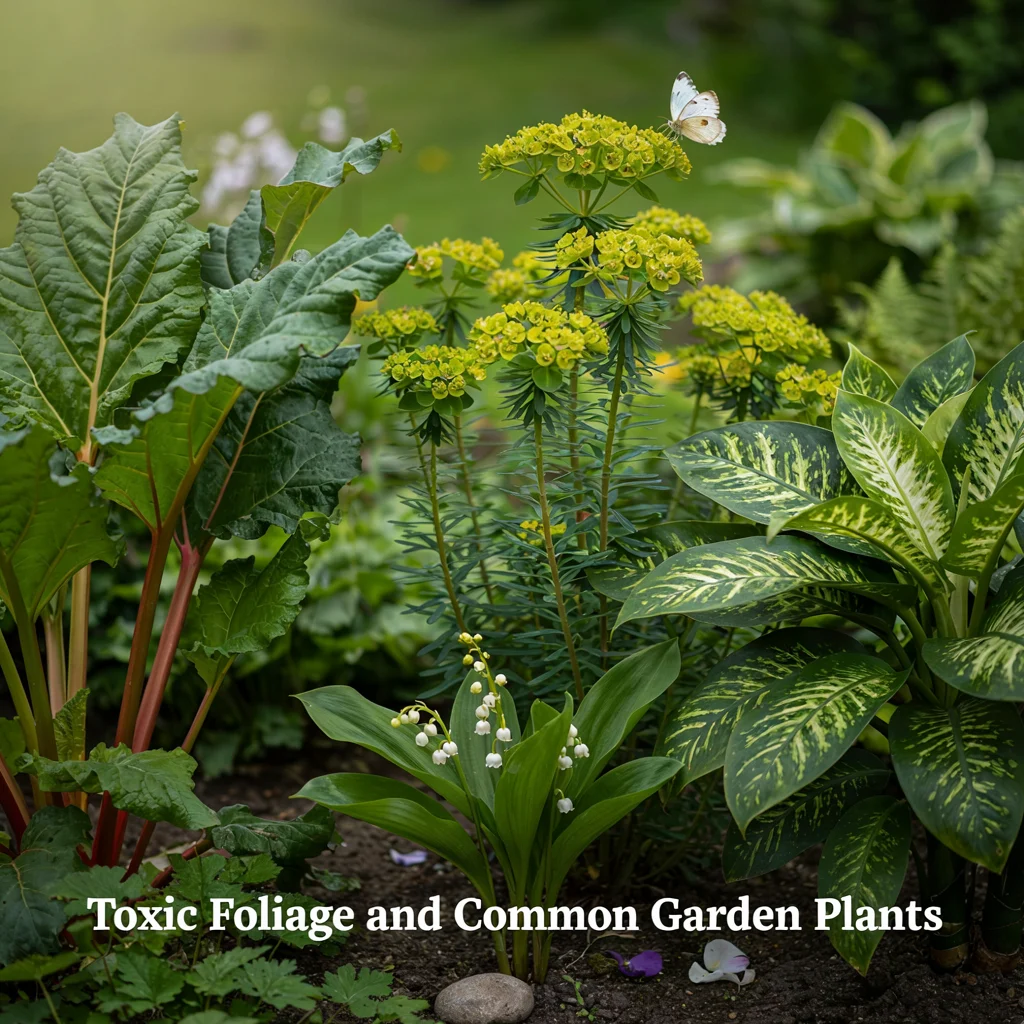
Danger is not limited to exotic or dramatic plants — some of the most common and unassuming garden plants carry real toxicity in their leaves and sap. Rhubarb is grown for its edible stalks, yet its leaves contain oxalic acid and are poisonous. Hydrangea, rhododendron, and azalea all contain toxins in their foliage and flowers that can harm people and pets. Many popular houseplants and bulbs are also toxic, from the sap of euphorbias that irritates skin and eyes to the poisonous bulbs of daffodils and hyacinths that can be mistaken for onions. Because these plants are so ordinary and widely grown, their danger often goes unrecognized, which is why it pays to know that beauty and familiarity are no guarantee of safety.
How to Enjoy Dangerous Plants Safely
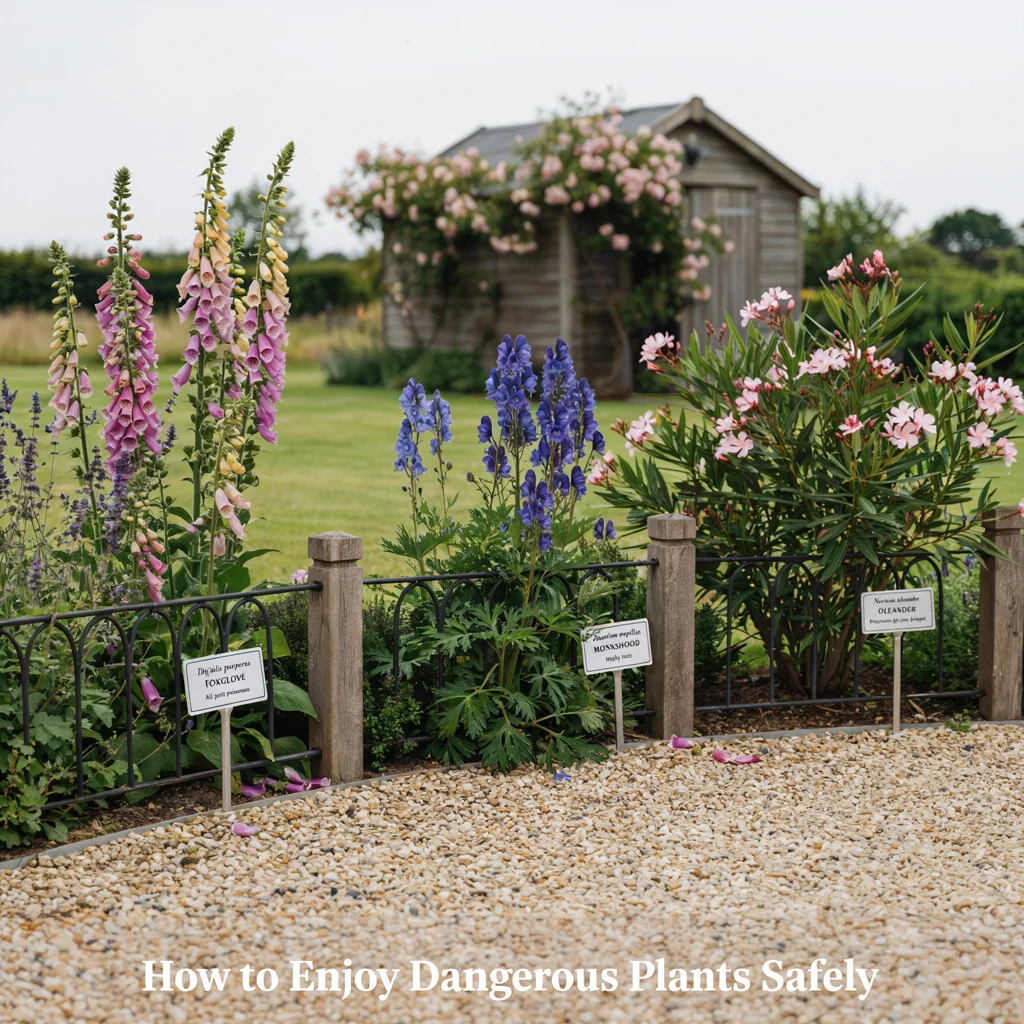
Knowing a plant is dangerous does not mean you cannot grow it — it means you grow it wisely. The most important step is awareness: knowing which plants in your garden are toxic and what the risks are allows you to make informed decisions rather than living in fear. In gardens used by young children or pets, it is worth siting the most dangerous plants out of easy reach, or choosing safer alternatives for accessible areas, since children and curious animals are most at risk. Simple habits help too — washing your hands after handling toxic plants, wearing gloves when pruning irritant species like euphorbia, and never eating any plant you cannot positively identify. Teaching children never to eat anything from the garden without asking is one of the most valuable safeguards of all, allowing everyone to enjoy the extraordinary beauty of these plants without coming to harm.
For related ideas, see our articles on How to Build a Pet-Friendly Garden, Flowering Vines: 10 Easiest Climbing Plants to Grow, and Best Border Flowers: Top Plants for a Colourful Garden. For more on this, our guides on Easiest Climbing Plants to Grow for Beginners, Woodland Gardens With Ground Cover Plants: Shade Ideas, and Natural Woodland Gardens with Native Plants cover related ground. For a related project, see our article on Vermicomposting for Beginners: Turn Kitchen Scraps into Garden Gold.
Frequently Asked Questions
What are the most beautiful but dangerous plants?
Some of the most beautiful yet dangerous plants include foxglove, oleander, monkshood, lily of the valley, angel’s trumpet, and deadly nightshade. These combine exceptional visual beauty — spectacular flowers, fragrant blooms, or attractive berries — with genuine toxicity, containing compounds that can cause serious harm if eaten and, in some cases, through skin contact. They are worth knowing not to fear the garden but to appreciate their beauty safely and plant them thoughtfully where children and pets are protected.
Which garden plants are poisonous to children?
Many common garden plants are poisonous to children, including foxglove, monkshood, oleander, lily of the valley, and deadly nightshade, along with the berries of yew and daphne and the bulbs of daffodils and hyacinths. Children are especially at risk because they explore by putting things in their mouths, and attractive berries and flowers are particularly tempting, so in family gardens it is wise to know which plants are toxic, site the most dangerous ones out of reach or avoid them in accessible areas, and teach children never to eat anything from the garden without asking.
Can beautiful flowers really kill you?
Yes, some beautiful flowers really can be fatal if ingested, since plants like foxglove, oleander, monkshood, and lily of the valley contain potent toxins such as cardiac glycosides and alkaloids that can be life-threatening in sufficient quantities. Serious poisonings from garden plants are relatively rare because most people do not eat them, but the danger is genuine, which is why these plants deserve respect and awareness rather than casual handling, and why it is important never to eat any plant you cannot positively and safely identify.
Are dangerous plants safe to grow in the garden?
Dangerous plants can be grown safely in the garden provided you are aware of their toxicity and take sensible precautions, since the risk comes almost entirely from eating or mishandling them rather than simply having them present. Growing them wisely means knowing which plants are toxic, siting the most dangerous ones away from areas used by young children and pets, wearing gloves when handling irritant species, washing your hands afterwards, and never consuming any part of a plant you cannot positively identify, which together allow you to enjoy their beauty without meaningful risk.
What should I do if someone eats a poisonous plant?
If someone eats a plant you suspect is poisonous, seek medical advice immediately by contacting emergency services or a poison control helpline, and if possible identify the plant or take a sample or photograph to help medical staff. Do not wait for symptoms to appear before seeking help, since some plant toxins act quickly and prompt treatment is important, and avoid trying to induce vomiting unless specifically instructed by a medical professional. Keeping the number of your local poison control service accessible and knowing which toxic plants grow in your garden allows you to respond quickly and calmly in the event of an accidental ingestion.
Note: This is educational awareness content on plant safety. If you or someone you know has ingested a plant that may be toxic, treat it as urgent and contact your local poison control service or emergency number right away.