
How to Grow and Care for Catalpa Trees

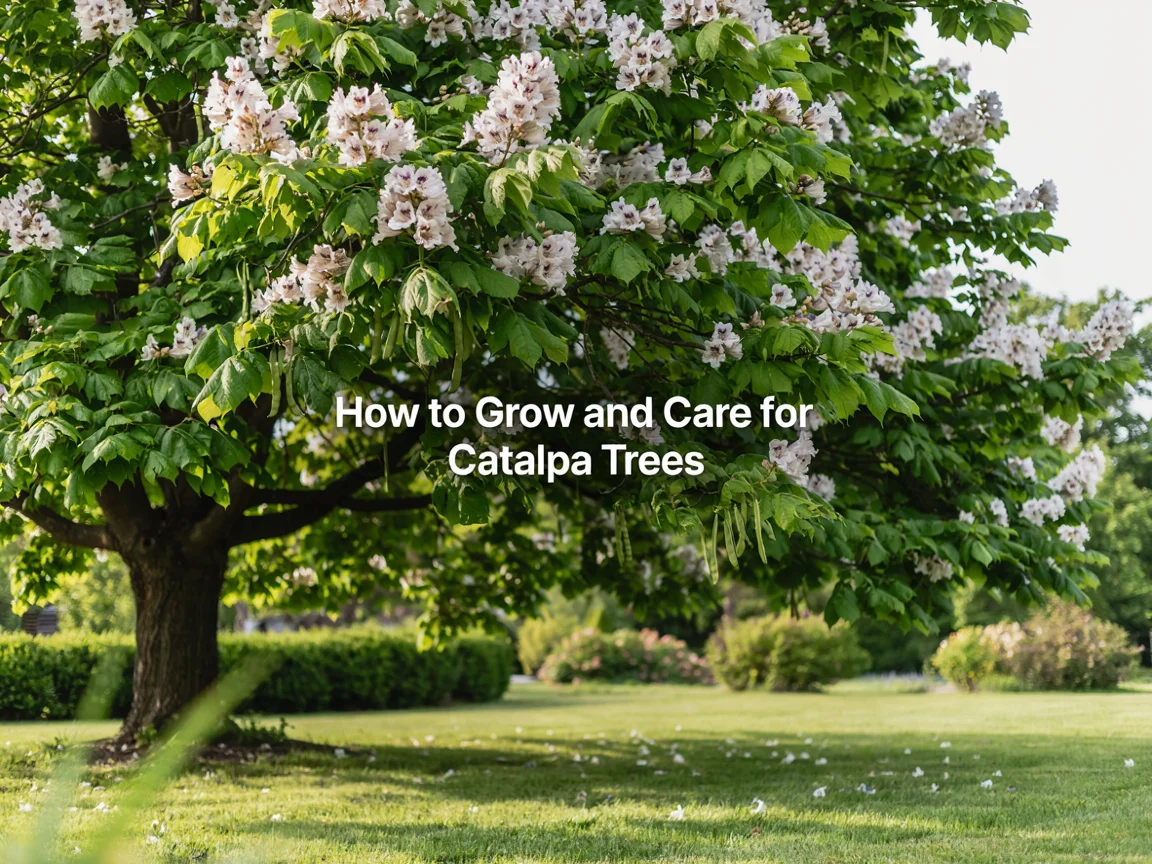
The first catalpa I ever planted was a mistake: a cheap little whip I bought on impulse, without really knowing what it was, stuck in a corner and half-forgotten. Ten years later it had become the most talked-about tree in the whole garden: a broad, spreading canopy of enormous heart-shaped leaves that looked almost tropical, hung in early summer with great trusses of frilled white flowers, and later strung with the long, slender seed pods that give it its nickname of the “bean tree.” Visitors always stopped and asked what it was. That accidental tree taught me what a genuinely rewarding and underused specimen the catalpa is: dramatic, characterful, tough, and surprisingly easy to grow once you understand its handful of simple needs. This guide walks you through everything you need to grow and care for a catalpa successfully, from choosing a spot and planting it to pruning, seasonal care, and the one dramatic-looking pest you need not panic about.
Catalpa trees are large, fast-growing ornamental deciduous trees, chiefly the Southern catalpa (Catalpa bignonioides) and Northern catalpa (Catalpa speciosa), prized for their huge tropical-looking leaves, fragrant white summer flowers, and distinctive long seed pods. Growing and caring for a catalpa means giving it a sunny, open position and reasonable soil, watering it well while young, and pruning it to keep the shape and size you want, after which it becomes a tough, dramatic, and largely self-sufficient specimen tree. Over the years I have planted, pruned, and grown catalpas in a range of gardens, and in this article I am sharing how to grow and care for them successfully.
Understanding Catalpa Trees and Their Types
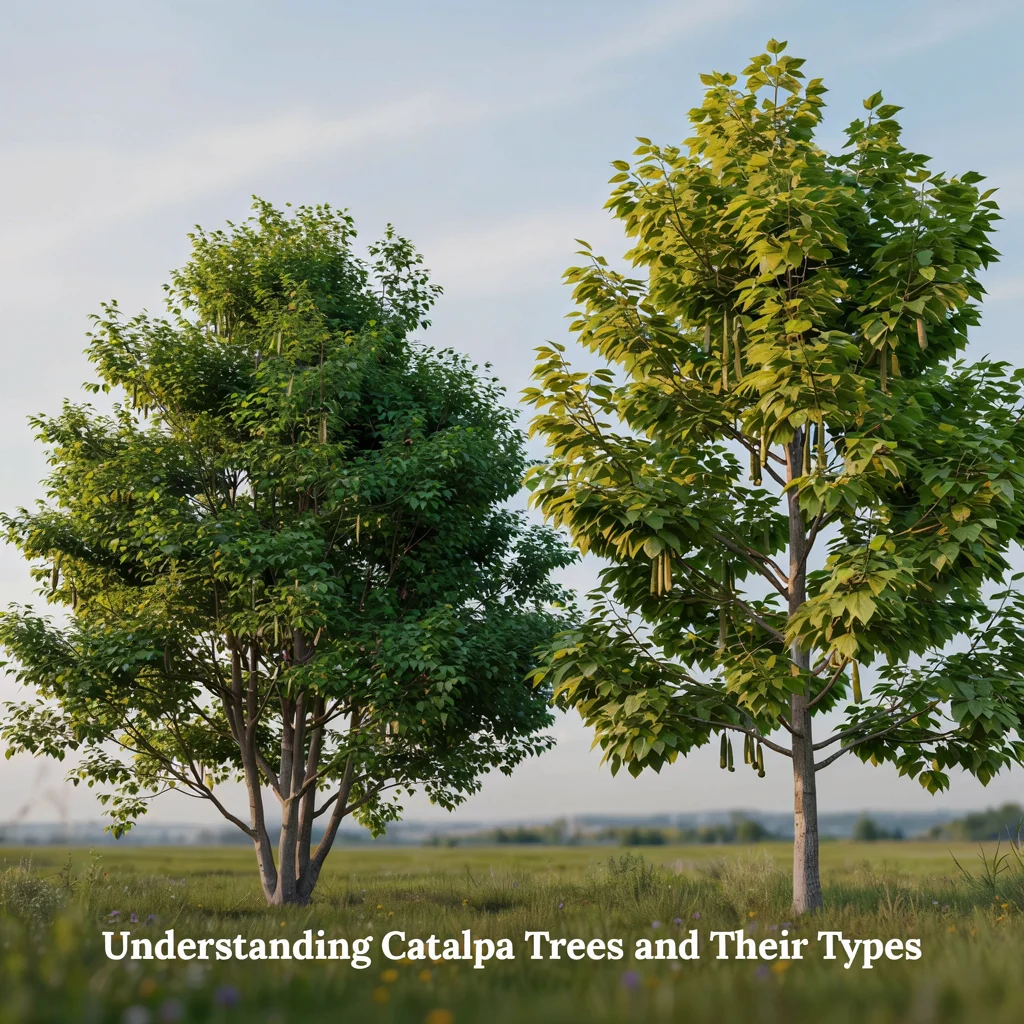
Understanding what a catalpa is helps you grow it well, because these are large, vigorous trees with a distinctive character and a couple of main types to choose from. The two most commonly grown are the Southern catalpa (Catalpa bignonioides), a broad, spreading tree, and the Northern catalpa (Catalpa speciosa), which grows taller and more upright, while the golden-leaved ‘Aurea’ form is popular for its bright yellow foliage. All share the huge heart-shaped leaves, the showy trusses of frilled white flowers marked with yellow and purple in early to midsummer, and the long, slender bean-like seed pods that follow. It is worth knowing that catalpas are large, fast-growing trees, so they suit a garden with room to accommodate a broad canopy rather than a small confined space.
Choosing the Right Site and Planting a Catalpa
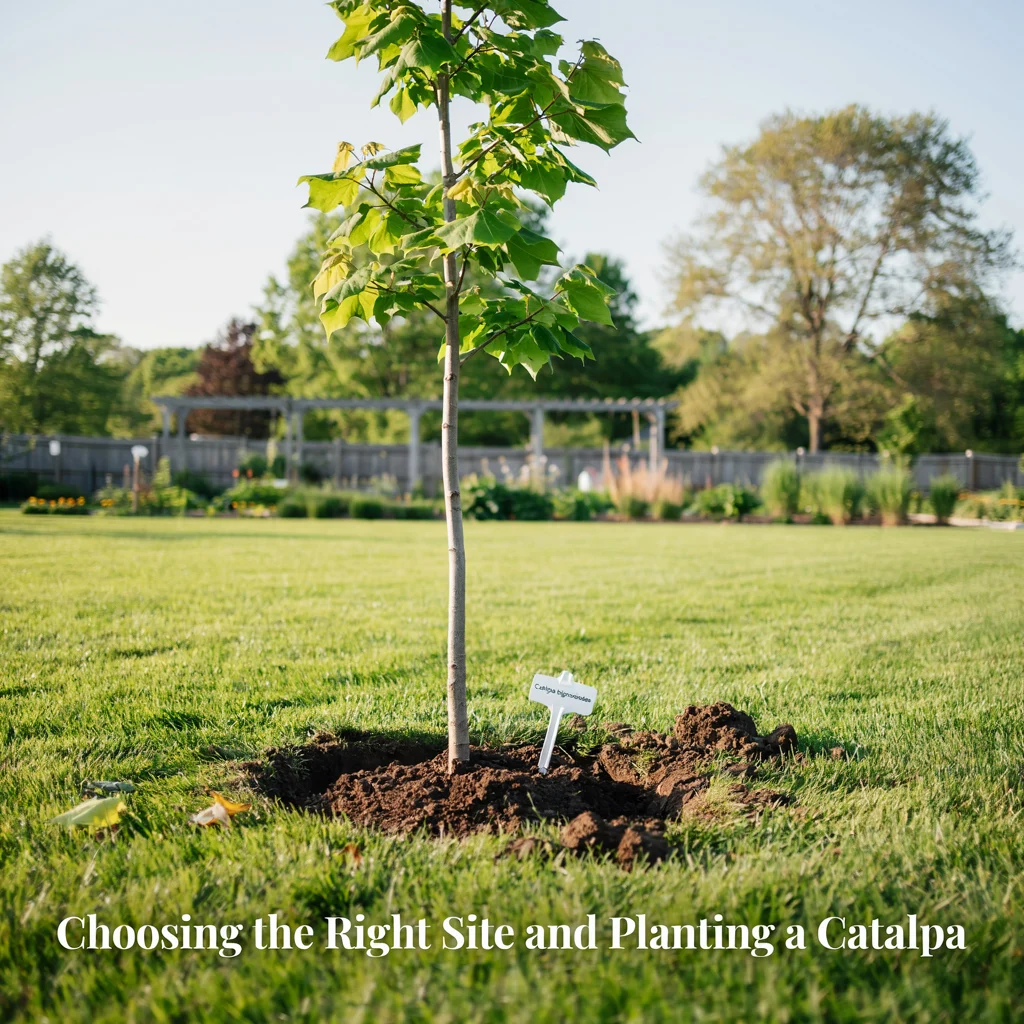
Choosing the right site is the most important decision in growing a catalpa, since these trees reward a sunny, open position with reasonable soil. Catalpas do best in full sun, which encourages the best flowering and strong growth, and they prefer moist but well-drained soil, though they are adaptable and tolerate a range of soil types. Because they grow large with a spreading canopy and somewhat brittle branches, it is best to plant them in an open position with plenty of room and away from buildings, overhead wires, and heavily used seating areas where falling flowers, leaves, and pods might be a nuisance.
When planting, dig a hole wider than the rootball but no deeper, position the tree at the same depth it grew in its pot, backfill firmly, and water thoroughly. Autumn or spring is generally the best time to plant, giving the tree a chance to establish before the stresses of summer or winter, and a stake will help support a young tree until its roots anchor it against wind.
Watering, Feeding, and Establishing a Young Catalpa
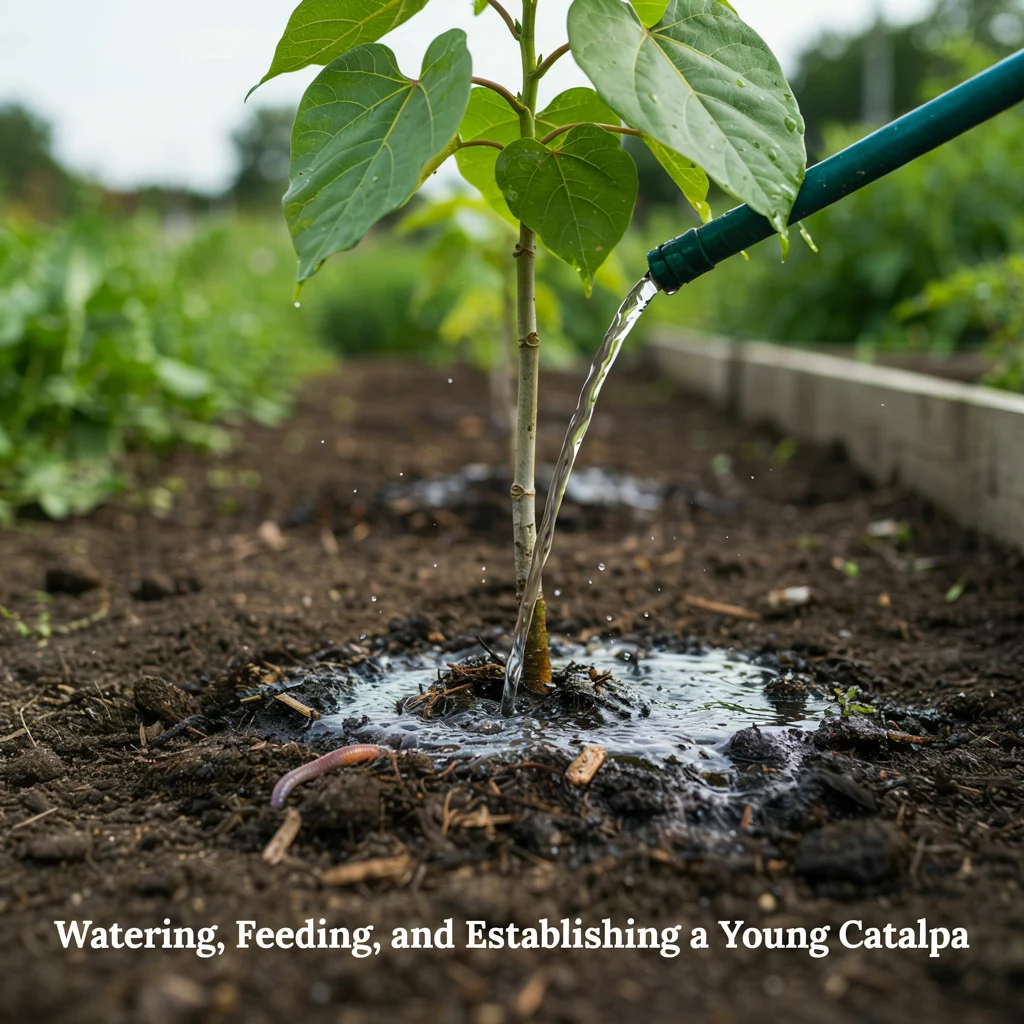
Getting a young catalpa through its first few years is the key to a strong, healthy tree, and it centres on consistent watering during establishment. Water a newly planted catalpa regularly and deeply through its first two or three growing seasons, especially in dry spells, since establishment watering helps the tree develop the strong root system it needs before it can fend for itself. Once established, catalpas are reasonably drought-tolerant and need little supplementary watering except in prolonged dry periods.
Feeding needs are modest a catalpa in reasonable soil rarely needs much, though an annual mulch of organic matter around the base in spring conserves moisture, suppresses weeds, and feeds the soil, giving the tree a steady, healthy start without encouraging weak, sappy growth.
Pruning and Shaping a Catalpa Tree
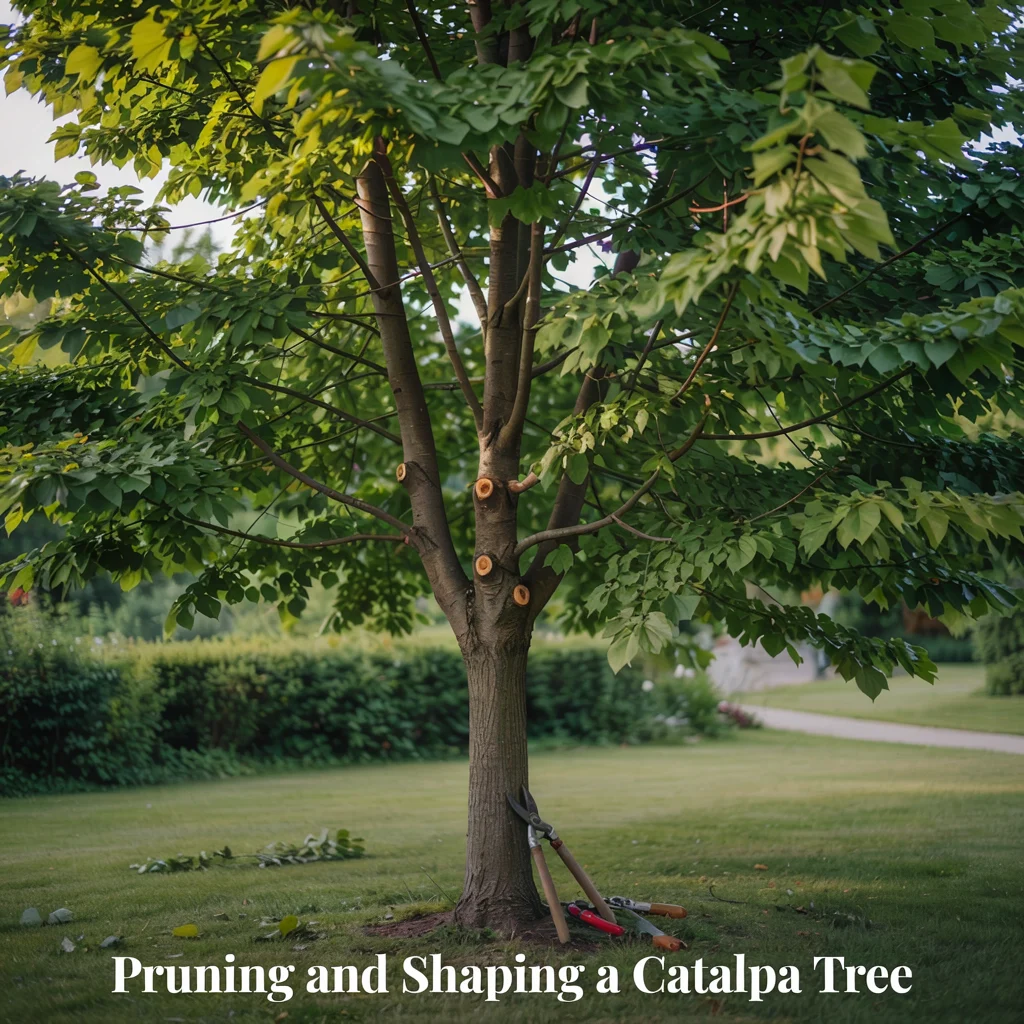
Pruning is where you take control of a catalpa’s size and shape, which matters because these are large, vigorous trees. The best time to prune is in late winter or early spring while the tree is dormant, removing any dead, damaged, or crossing branches and shaping the canopy as needed. Because catalpa branches can be somewhat brittle, removing weak or narrow-angled branches while the tree is young helps build a strong framework.
Some gardeners pollard or hard-prune catalpas, especially the golden ‘Aurea’ form, cutting them back hard each year to produce a flush of exceptionally large leaves on a compact framework, which is a useful technique for keeping a catalpa to a manageable size in a smaller garden, though it sacrifices the flowers and pods. Left unpruned beyond basic maintenance, the tree develops its full broad, spreading, flowering character.
Managing Pests, Problems, and the Catalpa Sphinx Moth
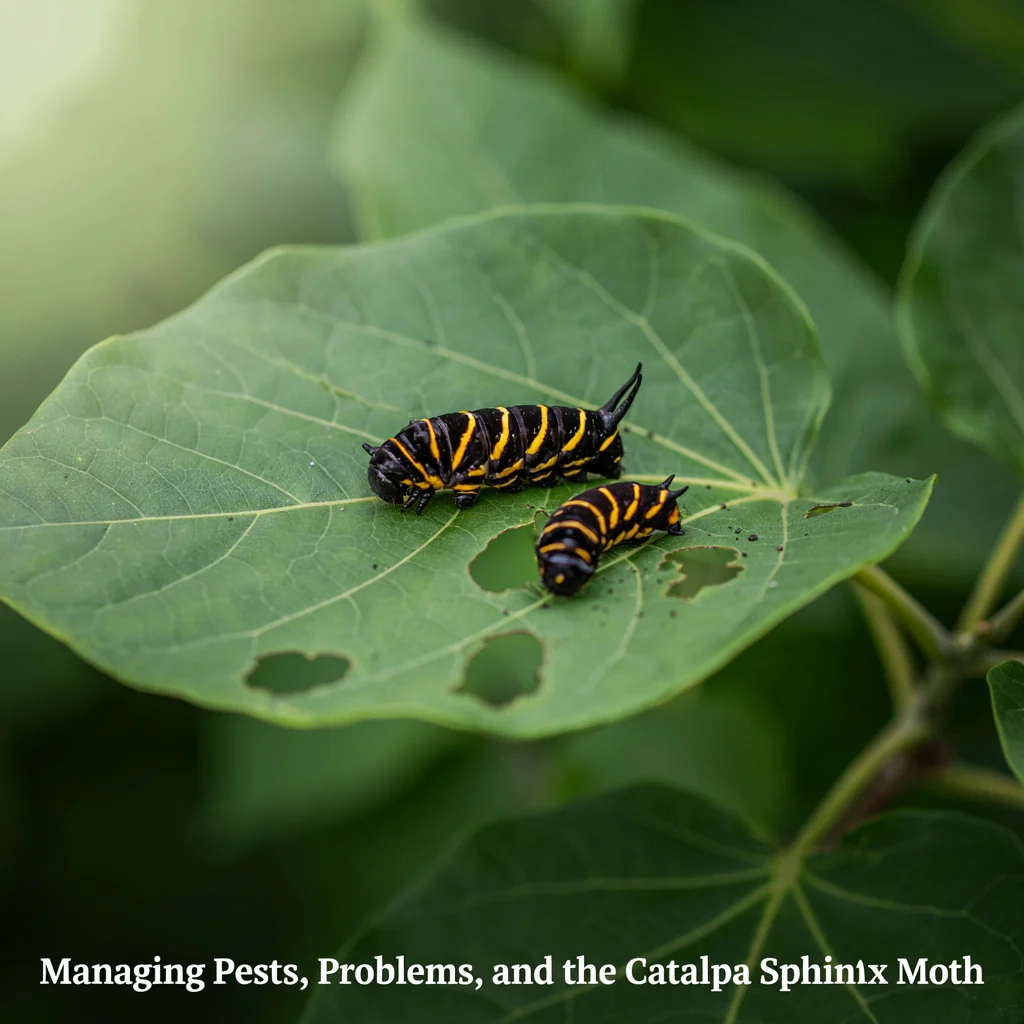
Catalpas are generally tough and trouble-free, but there are a few problems worth knowing about. The most dramatic is the catalpa sphinx moth caterpillar, which can appear in large numbers and strip foliage alarmingly, yet despite its startling appearance rarely causes lasting harm to an established tree, which usually re-leafs without difficulty, so it seldom warrants intervention. Beyond this, catalpas can occasionally suffer from verticillium wilt and various leaf spots, and their brittle wood makes them prone to some branch breakage in storms, which good early pruning helps to reduce. On the whole, a well-sited, established catalpa is a remarkably low-maintenance tree that shrugs off most problems.
Seasonal Care and Growing Catalpa in Pots
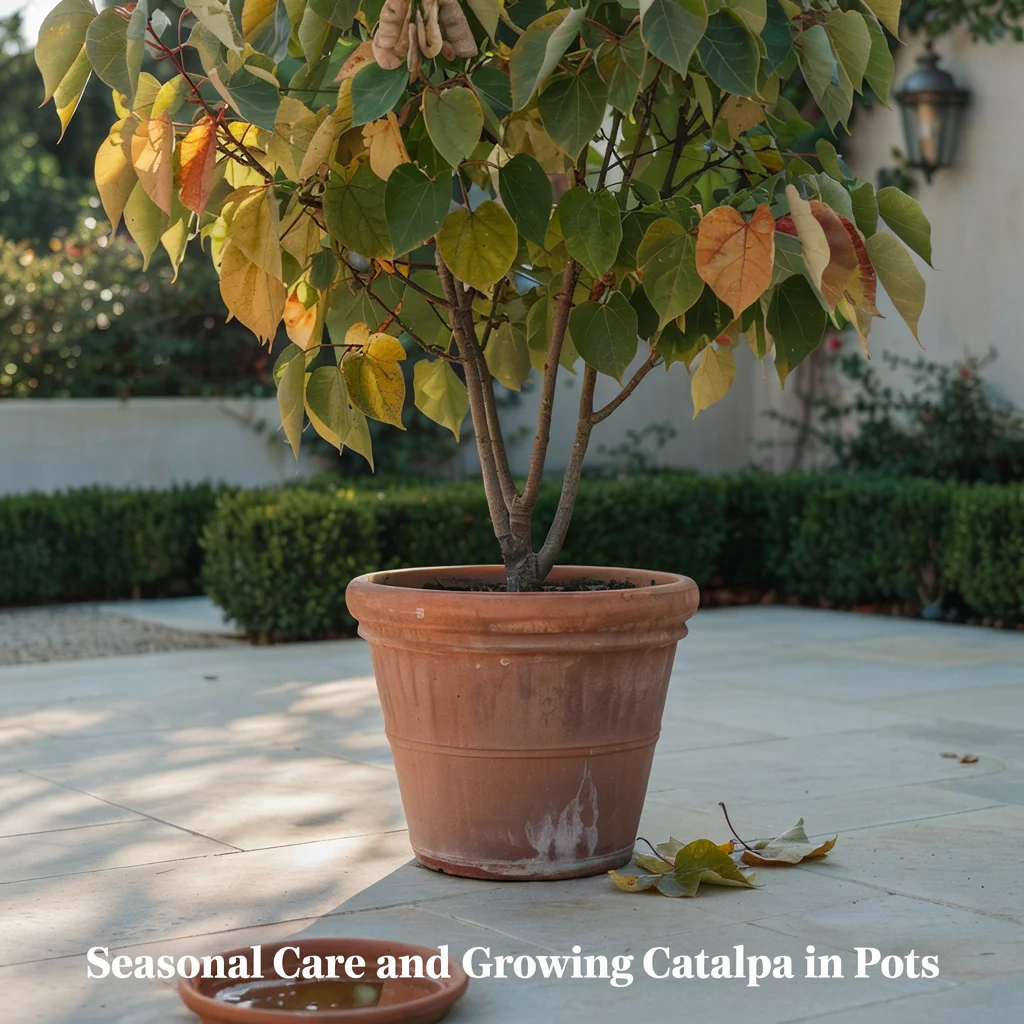
Caring for a catalpa through the year is straightforward once it is established. In spring, mulch around the base and complete any pruning before the leaves emerge; through summer, enjoy the flowers and water in prolonged dry spells; in autumn, the leaves drop and the seed pods hang on decoratively; and in winter, the bare architectural framework and lingering pods provide structure, needing little more than a check for any storm-damaged branches.
While catalpas are large trees best suited to open ground, a young tree or the compact pollarded ‘Aurea’ form can be grown in a large pot for a few years, given a big container, good compost, regular watering since pots dry out fast, and annual feeding, though it will eventually outgrow any container and is happiest planted out. This adaptability makes the catalpa a dramatic and rewarding tree for almost any garden with room for its impressive presence.
This pairs well with The Best Trees to Plant in Your Yard, Flowering Vines: 10 Easiest Climbing Plants to Grow, and Flowers You Can Grow with Zero Gardening Experience if you are planning further. Readers planning this often also look at The Best Small Trees for a Small Yard or Garden and Easiest Climbing Plants to Grow for Beginners.
Frequently Asked Questions
How fast do catalpa trees grow?
Catalpa trees are fast-growing, often putting on a good amount of height each year when young and quickly developing into large, broad, spreading trees, which is part of their appeal for gardeners wanting impact relatively quickly. This vigorous growth means they need an open position with plenty of room from the outset, and it also means young trees benefit from early formative pruning to build a strong framework, since their fast growth and somewhat brittle wood can otherwise lead to weak branch structure. Given a sunny site and reasonable soil, a catalpa will establish and develop its dramatic character within just a few years.
Where is the best place to plant a catalpa tree?
The best place to plant a catalpa is a sunny, open position with moist but well-drained soil and plenty of room for its broad, spreading canopy to develop. Full sun encourages the best flowering and strongest growth, and while catalpas tolerate a range of soils, they appreciate reasonable fertility and drainage. Because they grow large, drop flowers, leaves, and long seed pods, and have somewhat brittle branches, it is best to site them away from buildings, overhead wires, patios, and heavily used seating areas, giving them the open space they need to become the impressive specimen trees they are meant to be.
How do I care for a catalpa tree in winter?
Caring for a catalpa in winter is largely a matter of leaving it alone, since these hardy deciduous trees drop their leaves and rest through the cold months with little need for intervention. Winter is, however, the ideal time to prune, as the dormant, leafless framework makes it easy to see the structure and remove any dead, damaged, or crossing branches and shape the tree before spring growth begins. It is also worth checking after storms for any broken branches, since the somewhat brittle wood can be damaged by high winds and heavy snow, but otherwise an established catalpa needs no special winter protection.
Is the catalpa sphinx caterpillar dangerous to the tree?
The catalpa sphinx moth caterpillar can appear suddenly in large numbers and strip a catalpa’s foliage in a way that looks alarming, but despite this dramatic appearance it rarely causes lasting harm to an established tree, which typically re-leafs and recovers without difficulty. For this reason, intervention is usually unnecessary on a healthy mature tree, and the caterpillars are in fact valued by some as fishing bait and as a food source for wildlife. On a young or newly planted tree, or in the case of severe repeated defoliation, you may choose to manage them, but for most established catalpas the caterpillar is a spectacle rather than a serious threat.
Can you grow a catalpa tree in a pot?
You can grow a catalpa in a pot for a few years, particularly a young tree or the compact pollarded golden ‘Aurea’ form, provided you give it a large container, good quality compost, and attentive care. Potted catalpas dry out quickly, so they need regular watering through the growing season and annual feeding to sustain their vigorous growth, and hard-pruning or pollarding each year helps keep them to a manageable size in the container. Ultimately, however, catalpas are large, fast-growing trees that will outgrow any pot, so container growing is best seen as a temporary or short-term option, with the tree happiest and healthiest when eventually planted out into open ground.