
The Best Trees to Plant in Your Yard

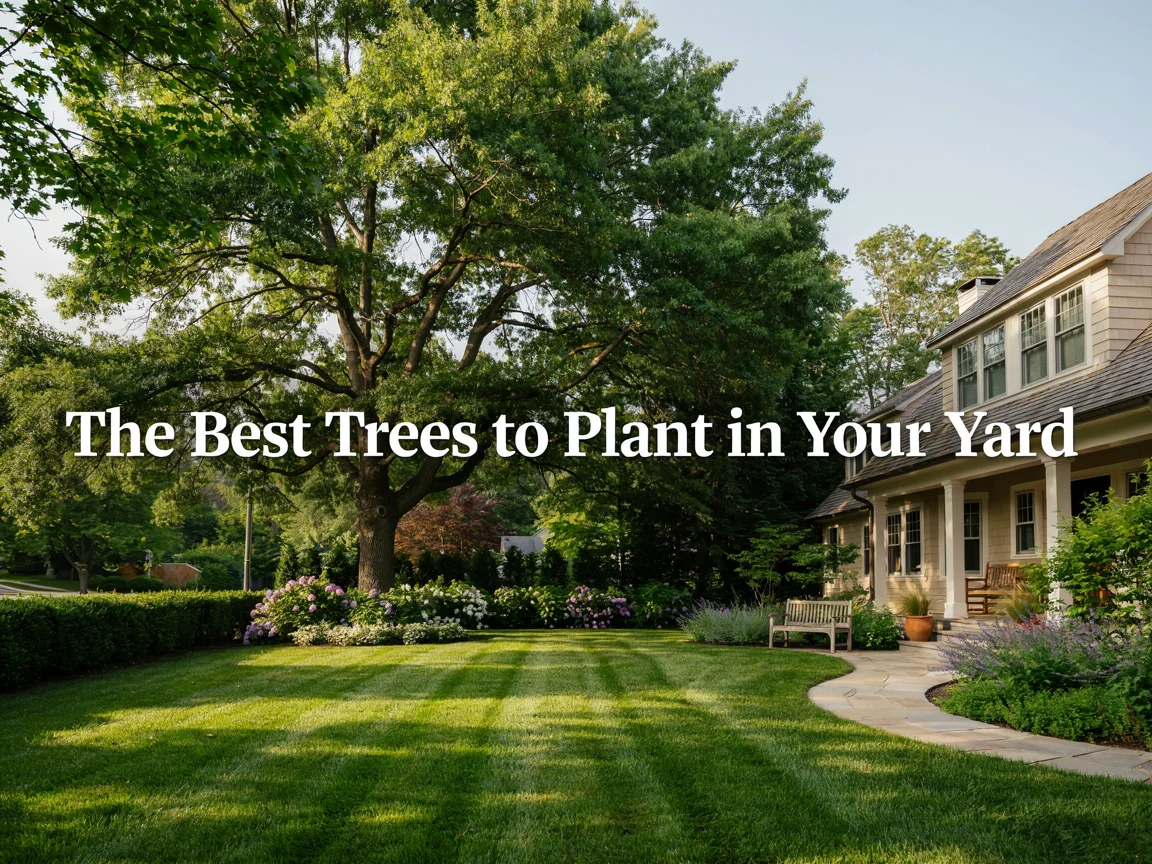
Choosing a tree for the yard is a genuinely long-term decision, since the right pick shades a patio and adds real value for decades, while the wrong one ends up too large, too messy, or too demanding for the space it’s given. The seven trees below cover a solid range of roles, from fast shade to compact ornamental color, so there’s a workable option here for most yard sizes and goals.
Red Maple for Fast Growth and Brilliant Fall Color
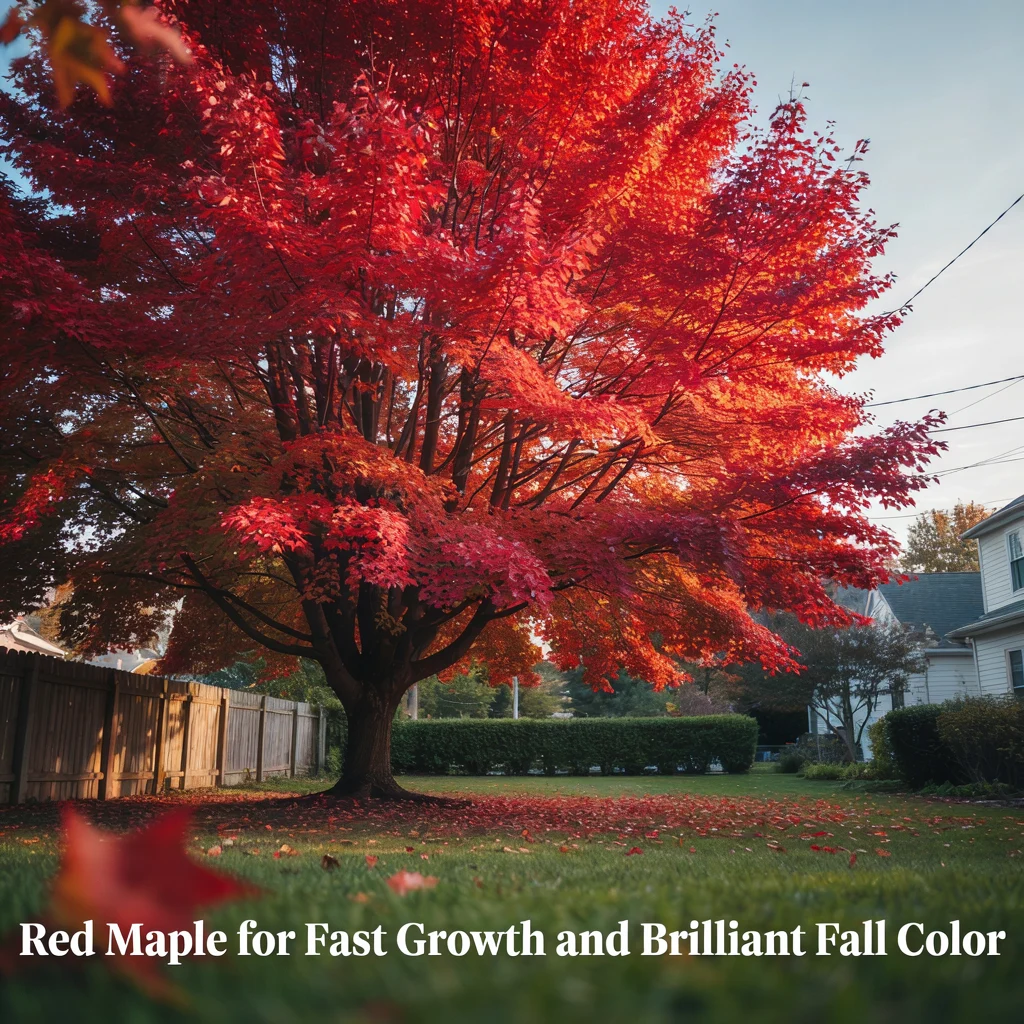
Red maple for fast growth and brilliant fall color is one of the most widely planted shade trees in North America, growing quickly while putting on a genuinely spectacular red display each autumn.
Why Red Maple Is a Reliable Fast-Shade Choice
Why red maple is a reliable fast-shade choice comes down to its growth rate, typically adding 2 to 3 feet per year, giving meaningful shade well before slower-growing oaks would.
Considerations for Planting Red Maple Near Structures
Considerations for planting red maple near structures include its surface root system, which can eventually lift nearby pavement or sidewalks if planted too close.
Serviceberry for Multi-Season, Small-Yard Interest
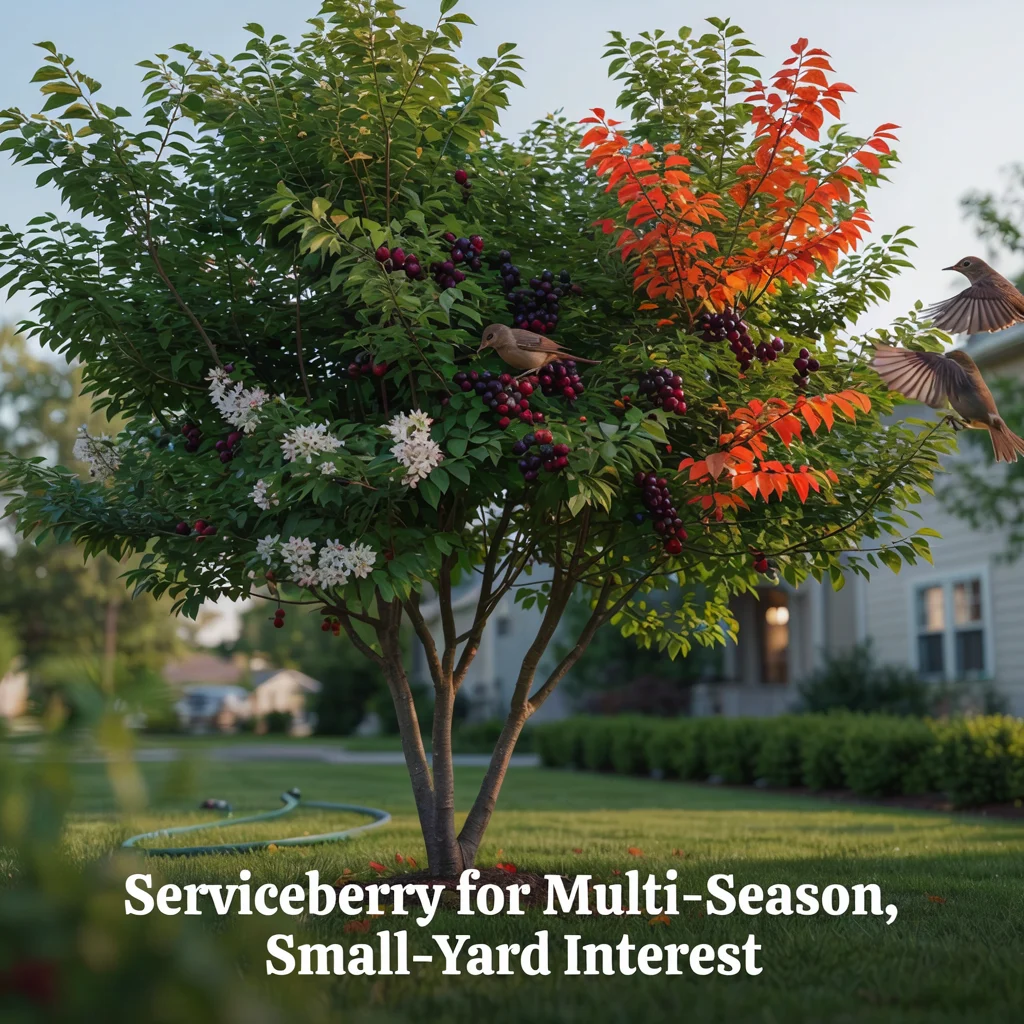
Serviceberry for multi-season, small-yard interest earns its keep across the whole year, with white spring flowers, edible summer berries, and vivid orange-red fall foliage on a compact, manageable frame.
Why Serviceberry Suits Smaller Residential Lots
Why serviceberry suits smaller residential lots comes down to its modest mature size, typically staying under 25 feet, which fits comfortably where a full-sized shade tree would eventually overwhelm the space.
Serviceberry’s Value as a Wildlife and Pollinator Tree
Serviceberry’s value as a wildlife and pollinator tree comes from its early spring blooms and summer fruit, which support pollinators and birds throughout the growing season.
Crape Myrtle for Long-Lasting Summer Flower Color
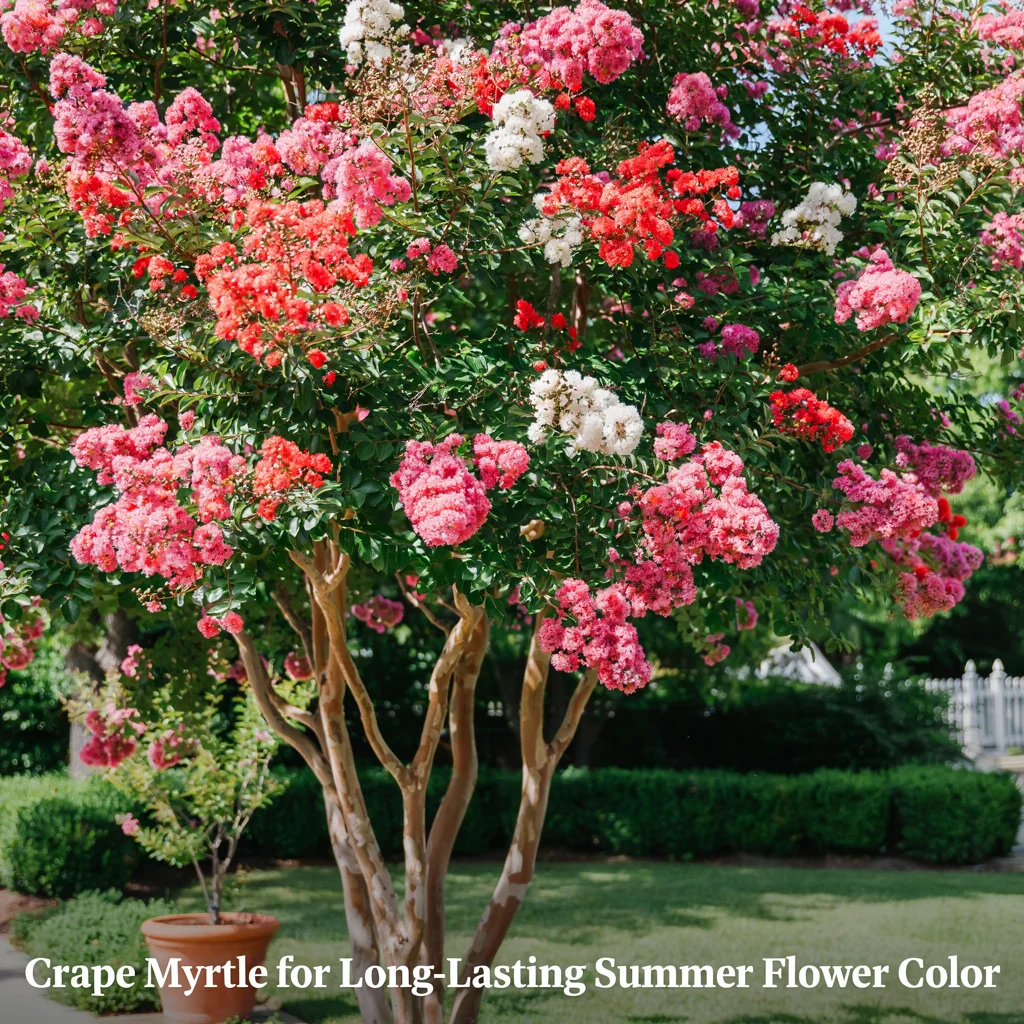
Crape myrtle for long-lasting summer flower color blooms for weeks at a stretch during the height of summer, when most other flowering trees have already finished for the season.
Why Crape Myrtle Tolerates Heat So Well
Why crape myrtle tolerates heat so well comes down to its southern origins, making it a reliable performer in hot, humid climates where many other flowering trees struggle through peak summer.
Choosing Crape Myrtle Size to Avoid Over-Pruning
Choosing crape myrtle size to avoid over-pruning matters, since selecting a variety that naturally matches the intended space avoids the harsh, unnecessary pruning often seen with oversized crape myrtles.
Dogwood for Elegant Spring Blooms and Understory Charm
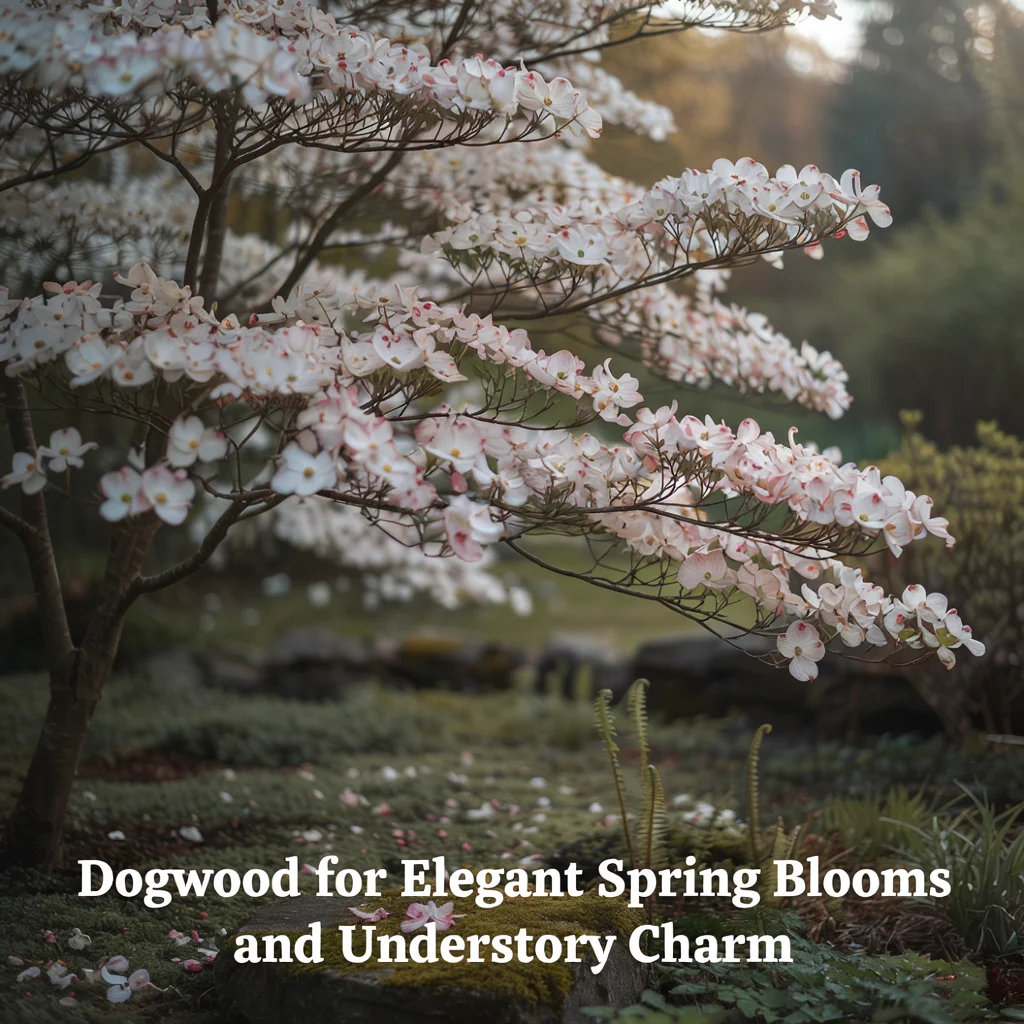
Dogwood for elegant spring blooms and understory charm produces layered horizontal branching covered in white or pink blossoms, making it one of the most graceful small ornamental trees available.
Why Dogwood Prefers a Partially Shaded Site
Why dogwood prefers a partially shaded site comes down to its natural role as an understory tree, generally performing best with some protection from intense afternoon sun.
Watching for Common Dogwood Disease Issues
Watching for common dogwood disease issues, including anthracnose and powdery mildew, is worth doing regularly, since dogwood is somewhat more disease-prone than several other trees on this list.
Oak for a Genuine, Multi-Generational Shade Tree
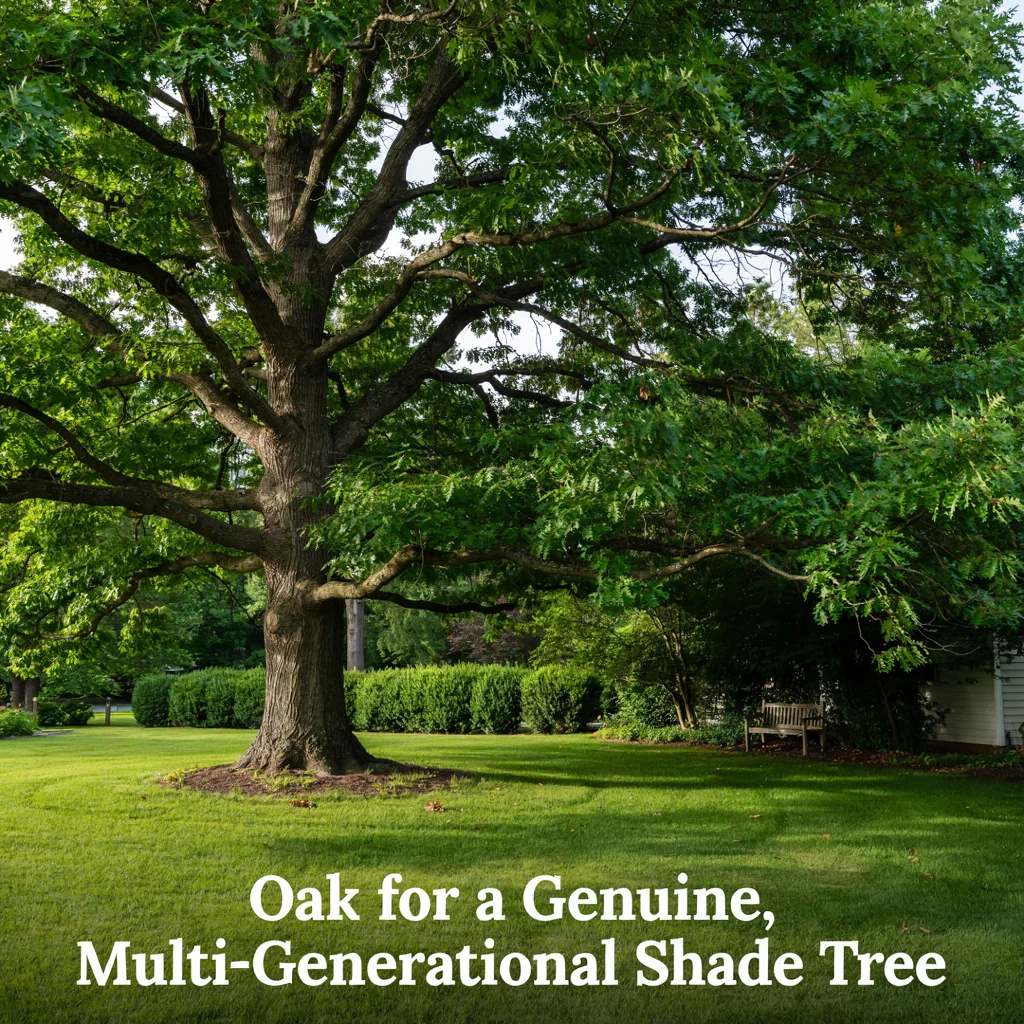
Oak for a genuine, multi-generational shade tree grows more slowly than red maple but rewards patience with exceptional longevity, strength, and the kind of sprawling canopy few other trees match.
Why Oaks Are Considered a Legacy Planting
Why oaks are considered a legacy planting comes down to their lifespan, often living well over a hundred years and providing shade and habitat value that extends across generations.
Choosing an Oak Species Suited to Local Soil and Climate
Choosing an oak species suited to local soil and climate matters considerably, since oak species vary widely in their preference for wet versus dry sites and acidic versus neutral soil.
Magnolia for Bold, Fragrant Spring Flowers
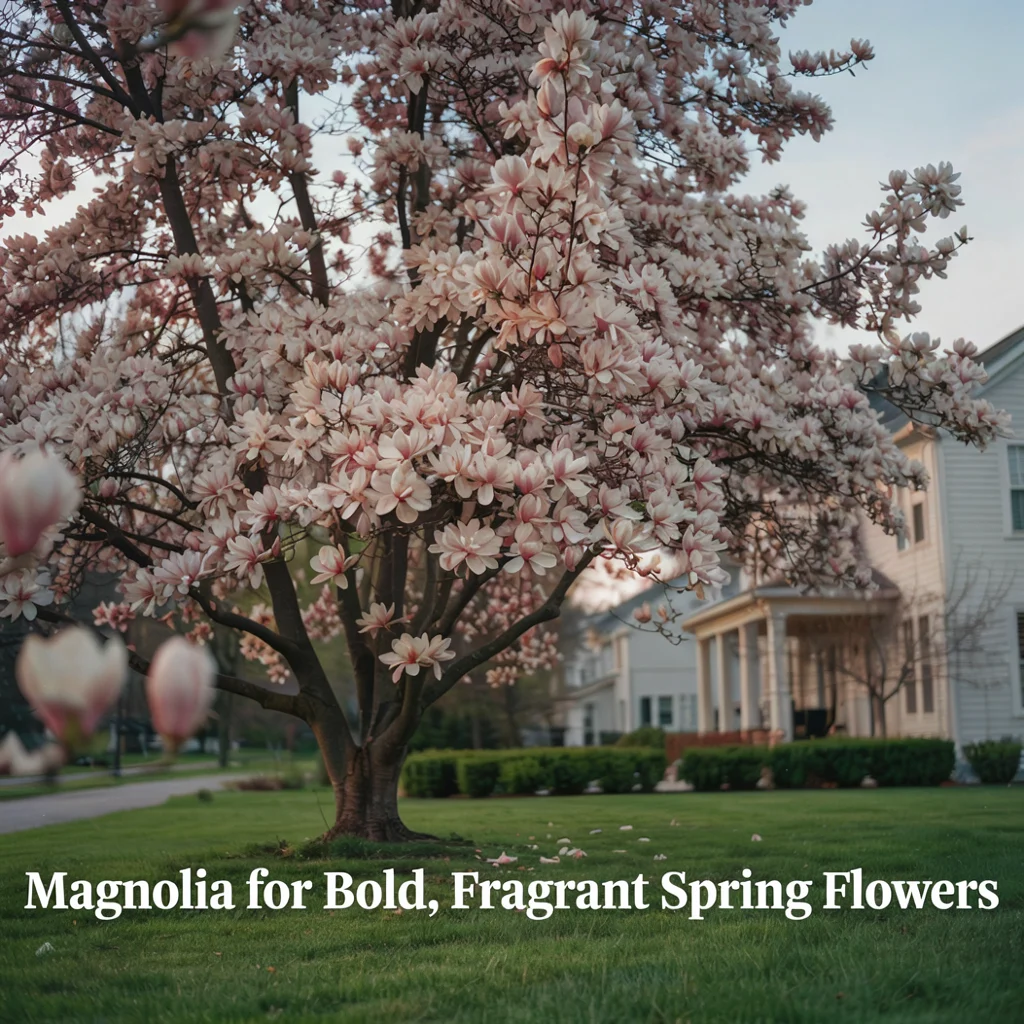
Magnolia for bold, fragrant spring flowers produces some of the largest, most dramatic blooms of any yard tree, often flowering before the leaves even fully emerge in spring.
Why Southern Versus Deciduous Magnolias Suit Different Climates
Why southern versus deciduous magnolias suit different climates matters, since evergreen southern magnolia thrives in warmer zones while deciduous varieties like saucer magnolia tolerate colder winters better.
Planning Around Magnolia’s Eventual Mature Size
Planning around magnolia’s eventual mature size is worth doing at planting time, since some magnolia varieties grow considerably larger than their young nursery size suggests.
Eastern Redbud for Early, Vivid Spring Color
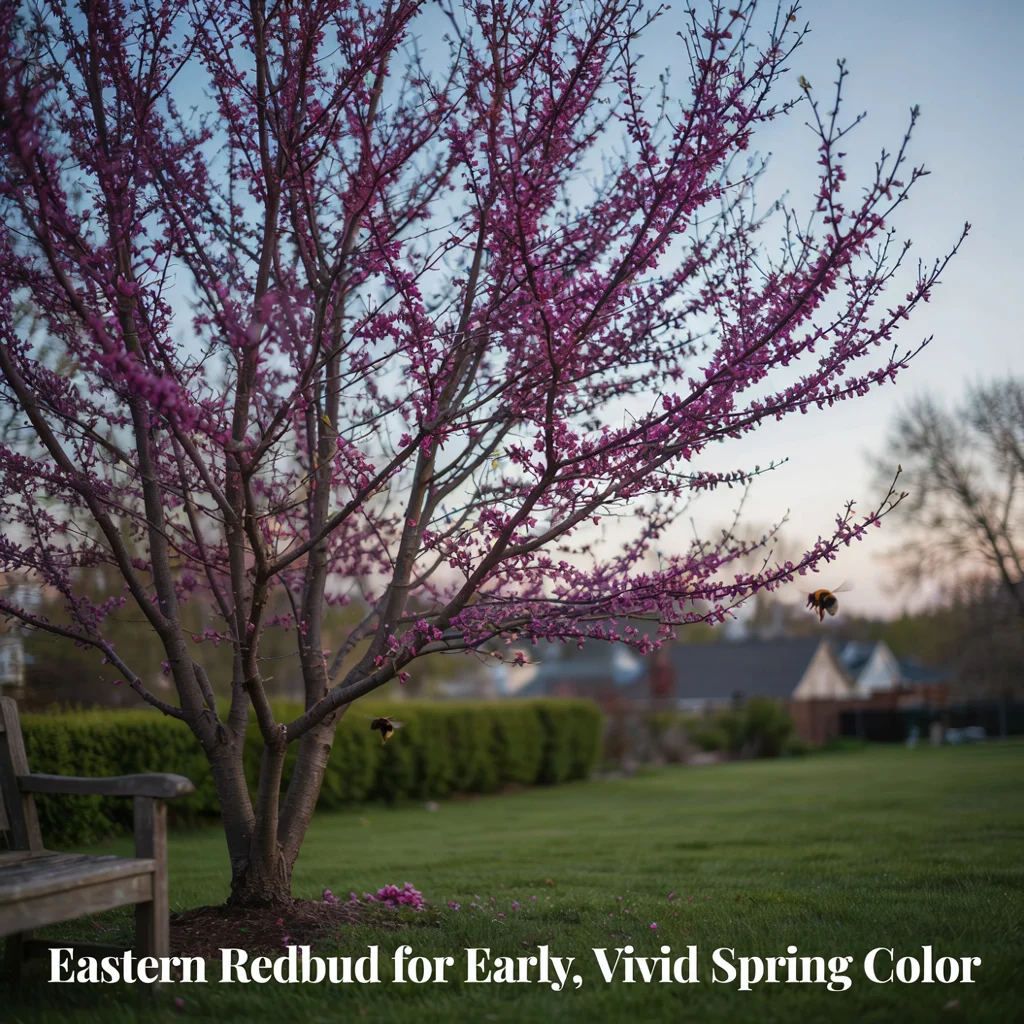
Eastern redbud for early, vivid spring color is often one of the very first trees to bloom each year, covering its bare branches in small, vivid pink-purple flowers before the leaves appear.
Why Redbud Works Well as an Understory or Specimen Tree
Why redbud works well as an understory or specimen tree comes down to its adaptable size and shade tolerance, fitting comfortably beneath larger trees or standing alone as a smaller focal point.
Redbud’s Heart-Shaped Foliage Through Summer
Redbud’s heart-shaped foliage through summer provides attractive, understated green interest well after the spring flower display has finished for the year.
The Bottom Line
The best tree for a yard comes down to matching growth rate, mature size, and seasonal interest to the space available. Red maple and oak suit yards with room for a large shade tree, while serviceberry, crape myrtle, dogwood, and redbud all deliver strong seasonal color on a more compact, manageable scale.
For more on this, our guides on Outdoor Plant Pots Showing Their Age? Transform Them With Spray Paint!, How to Plant and Cultivate a Japanese Maple Tree, and How to Grow and Care for Catalpa Trees cover related ground. This pairs well with Vermicomposting for Beginners: Turn Kitchen Scraps into Garden Gold, How to Build a Pet-Friendly Garden, and Mini Garden Ideas That Fit Any Space if you are planning further. Readers working on this often also check our guide to How to Build a Bird Feeder Pole.
Frequently Asked Questions
What Is the Fastest-Growing Shade Tree for a Yard?
Red maple is among the fastest-growing shade trees commonly planted in yards, typically adding 2 to 3 feet of growth per year once established.
What Is the Best Small Tree for a Small Yard?
Serviceberry and Eastern redbud are both excellent choices for a small yard, offering multi-season interest without outgrowing a limited space.
Which Yard Trees Provide the Best Fall Color?
Red maple provides some of the most reliable, vivid fall color among common yard trees, though serviceberry also puts on a strong orange-red autumn display.
How Far Should a Tree Be Planted From a House Foundation?
Most trees should be planted at least 15 to 20 feet from a house foundation, with larger species like oak and red maple needing even more distance to account for root and canopy spread.
What Tree Should I Plant for Fast Privacy and Shade Together?
Red maple is a solid choice for combined fast shade and privacy, though for pure screening, a dedicated evergreen like arborvitae typically performs better.