
Flowering Vines: 10 Easiest Climbing Plants to Grow

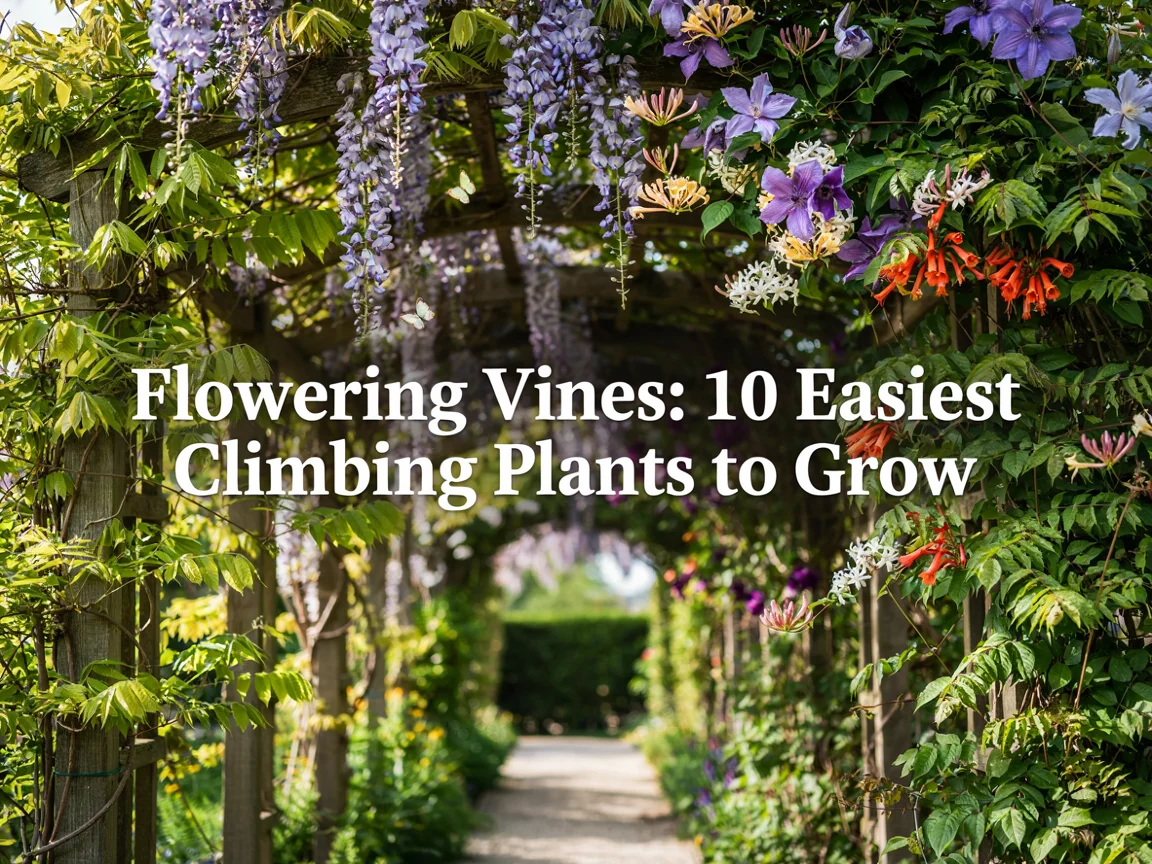
Covering a bare fence, arbor, or trellis with flowers doesn’t have to involve years of patient training and fussy care, since the ten climbing vines below all establish and bloom without demanding much beyond a support structure and reasonably regular watering. Between them, they cover nearly every climate, bloom season, and level of commitment.
Clematis for Classic, Large-Flowered Climbing Color
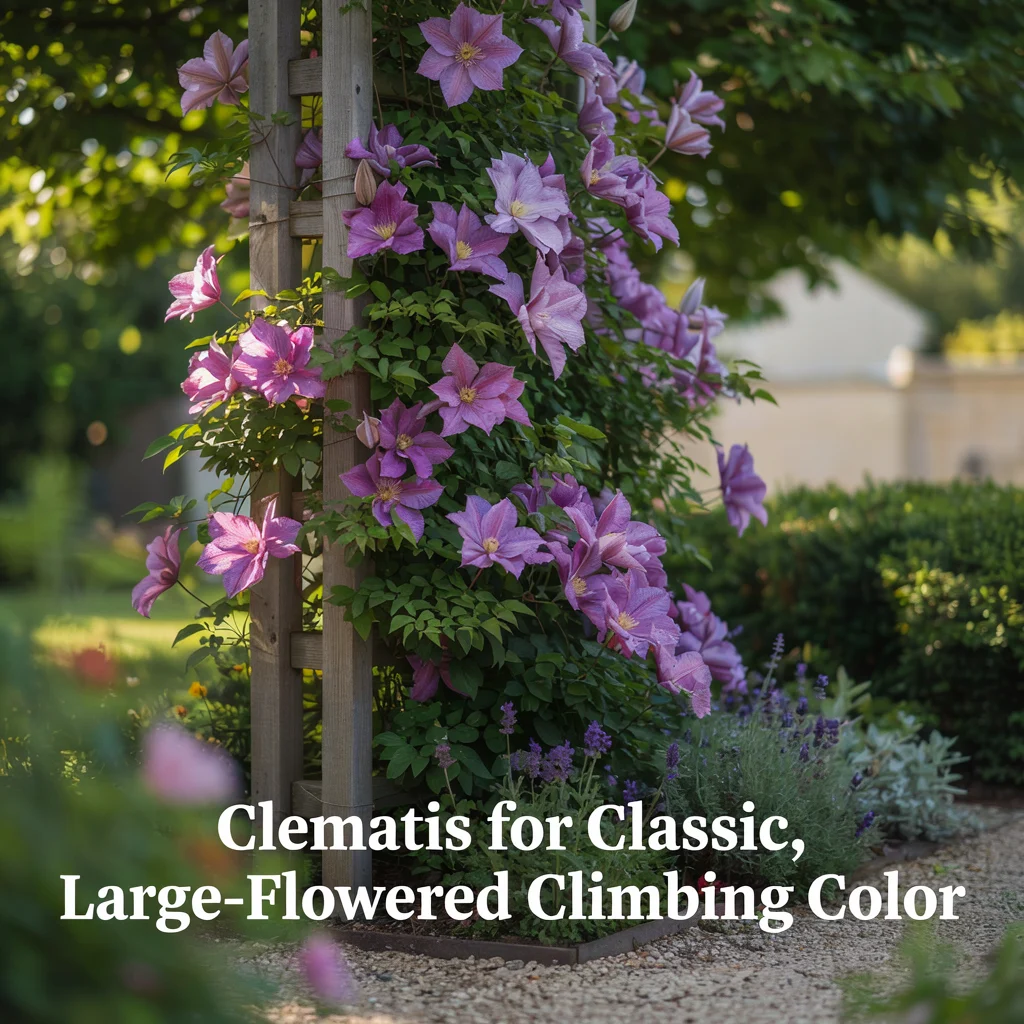
Clematis for classic, large-flowered climbing color produces some of the showiest blooms of any hardy vine, twining naturally up a trellis or through an existing shrub with minimal training needed.
Why Clematis Likes “Cool Feet, Warm Head”
Why clematis likes “cool feet, warm head” comes down to its preference for shaded roots and sunny top growth, often achieved simply by planting low companion plants at its base.
Pruning Clematis Without Cutting Off Next Year’s Blooms
Pruning clematis without cutting off next year’s blooms depends on the variety, so it’s worth identifying the specific pruning group before cutting back an established plant.
Honeysuckle for Fragrant, Fast Coverage
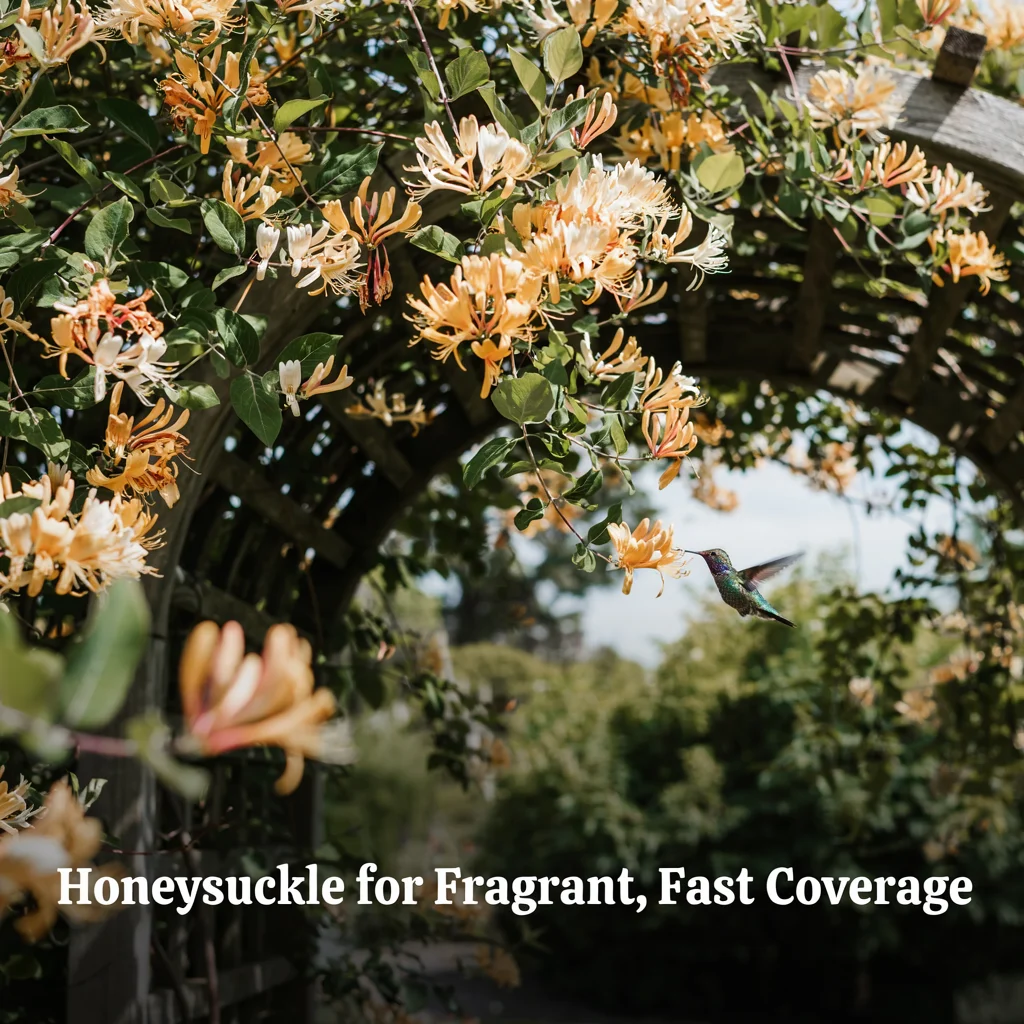
Honeysuckle for fragrant, fast coverage climbs quickly over fences and arbors while filling the air with a sweet scent that tends to intensify in the evening.
Why Honeysuckle Attracts Hummingbirds So Reliably
Why honeysuckle attracts hummingbirds so reliably comes down to its tubular, nectar-rich flowers, which are shaped almost perfectly for hummingbird feeding.
Choosing Non-Invasive Honeysuckle Varieties
Choosing non-invasive honeysuckle varieties matters in some regions, since certain honeysuckle species spread aggressively and are best avoided in favor of well-behaved cultivars.
Sweet Pea for Old-Fashioned, Cool-Season Charm
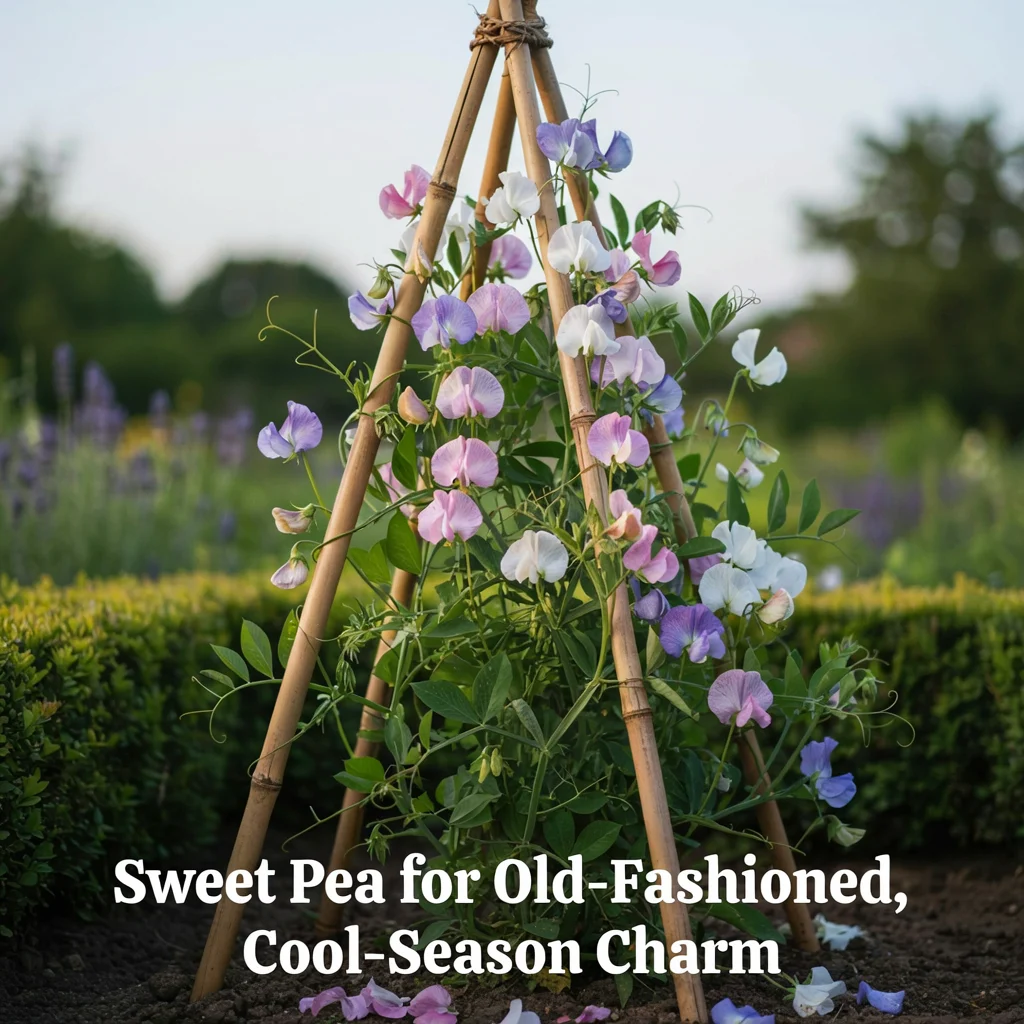
Sweet pea for old-fashioned, cool-season charm produces ruffled, sweetly scented flowers on delicate tendrils, climbing a small trellis with almost no training required.
Why Sweet Pea Prefers Cooler Growing Conditions
Why sweet pea prefers cooler growing conditions comes down to its dislike of intense summer heat, generally performing best when planted in early spring or fall in warmer climates.
Soaking Sweet Pea Seeds for Faster Germination
Soaking sweet pea seeds for faster germination overnight before sowing softens the hard seed coat and noticeably speeds up sprouting.
Black-Eyed Susan Vine for Cheerful, Fast Annual Color
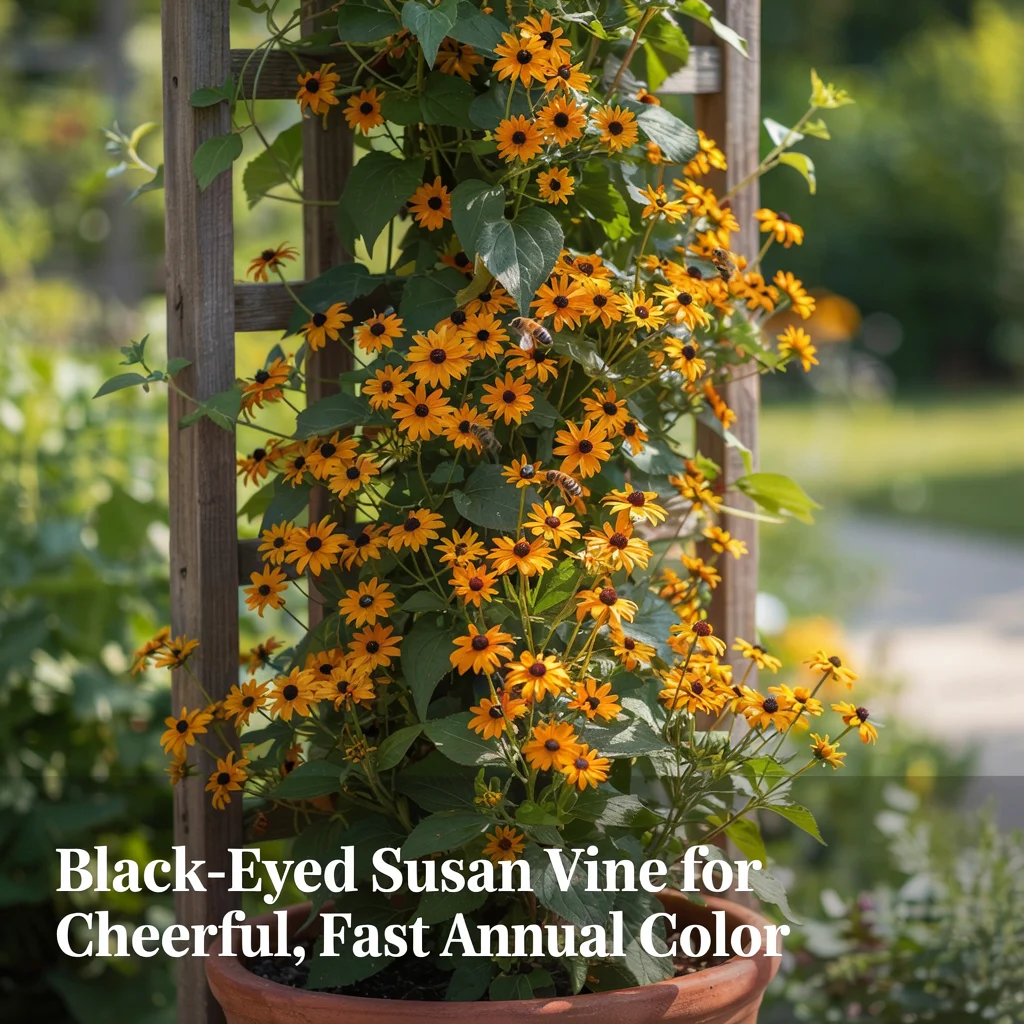
Black-eyed Susan vine for cheerful, fast annual color climbs quickly from seed in a single season, producing small orange, yellow, or white flowers with distinctive dark centers.
Why This Vine Works So Well in Containers
Why this vine works so well in containers comes down to its manageable size and shallow root system, making it a good fit for a trellised pot on a patio.
Growing Black-Eyed Susan Vine as an Annual in Cold Climates
Growing black-eyed Susan vine as an annual in cold climates is standard practice, since it’s only reliably perennial in warmer, frost-free regions.
Climbing Hydrangea for Shade-Tolerant Vertical Interest
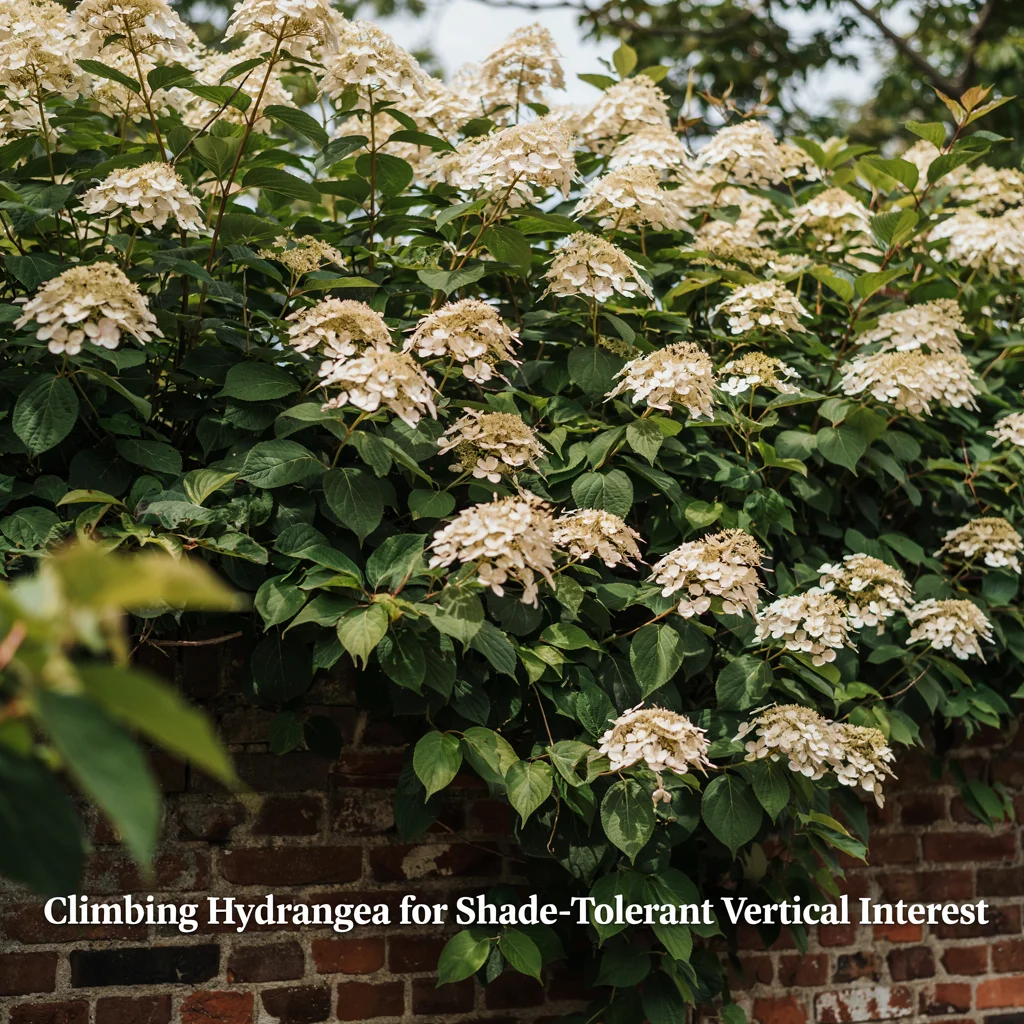
Climbing hydrangea for shade-tolerant vertical interest fills a real gap on this list, tolerating partial shade far better than most flowering vines while still producing lacy white flower clusters.
Why Climbing Hydrangea Takes a Few Years to Establish
Why climbing hydrangea takes a few years to establish comes down to its slower early growth, though once rooted it climbs steadily and requires very little ongoing care.
Structures Strong Enough to Support Mature Climbing Hydrangea
Structures strong enough to support mature climbing hydrangea matter, since this vine becomes quite heavy at maturity and needs a sturdy wall, fence, or arbor to climb.
Trumpet Vine for Vigorous, Hummingbird-Friendly Growth
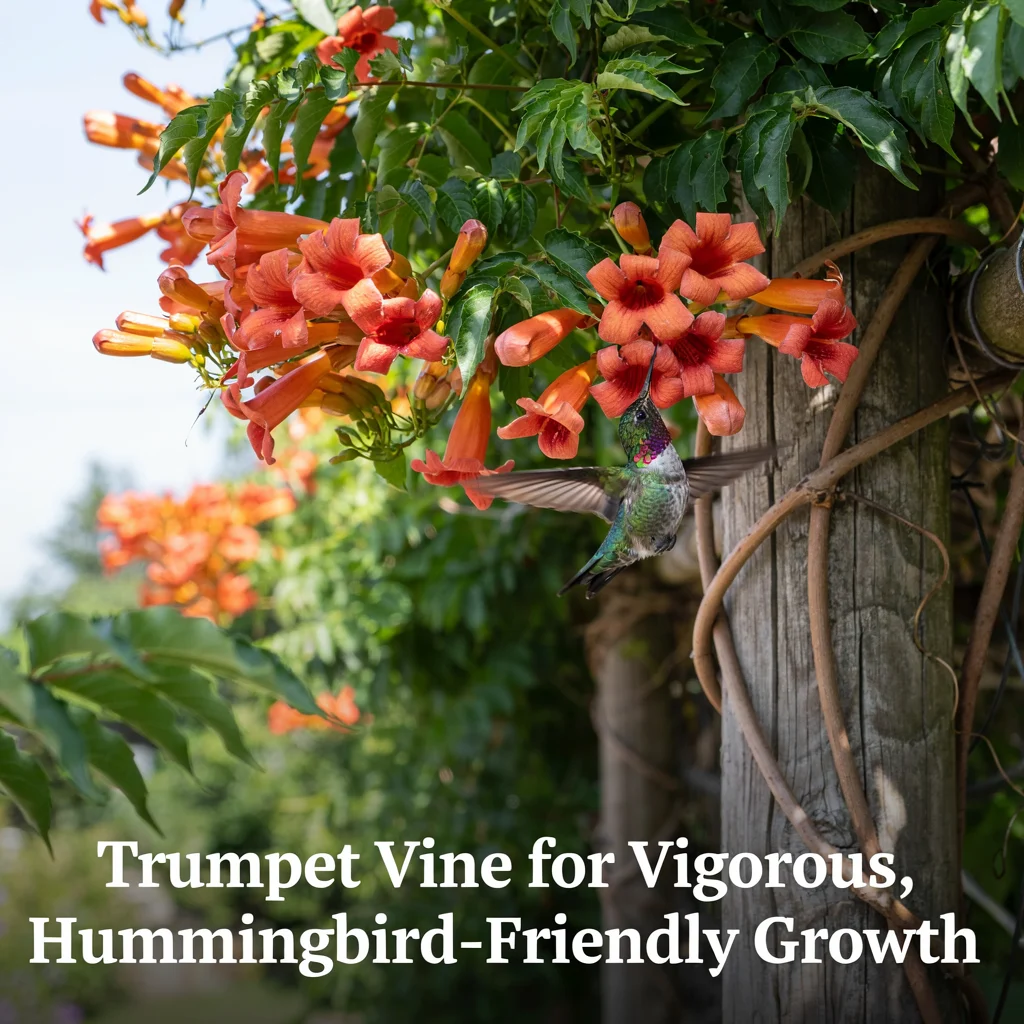
Trumpet vine for vigorous, hummingbird-friendly growth climbs aggressively and produces bold, tubular orange-red flowers that hummingbirds seek out throughout the summer.
Why Trumpet Vine Needs Sturdy, Well-Anchored Support
Why trumpet vine needs sturdy, well-anchored support comes down to its vigorous, heavy growth, which can damage flimsy trellises or structures not built to handle it.
Keeping Trumpet Vine’s Spread Under Control
Keeping trumpet vine’s spread under control means pruning regularly and removing root suckers, since this vine spreads readily if left entirely unchecked.
Wisteria for Dramatic, Cascading Spring Blooms
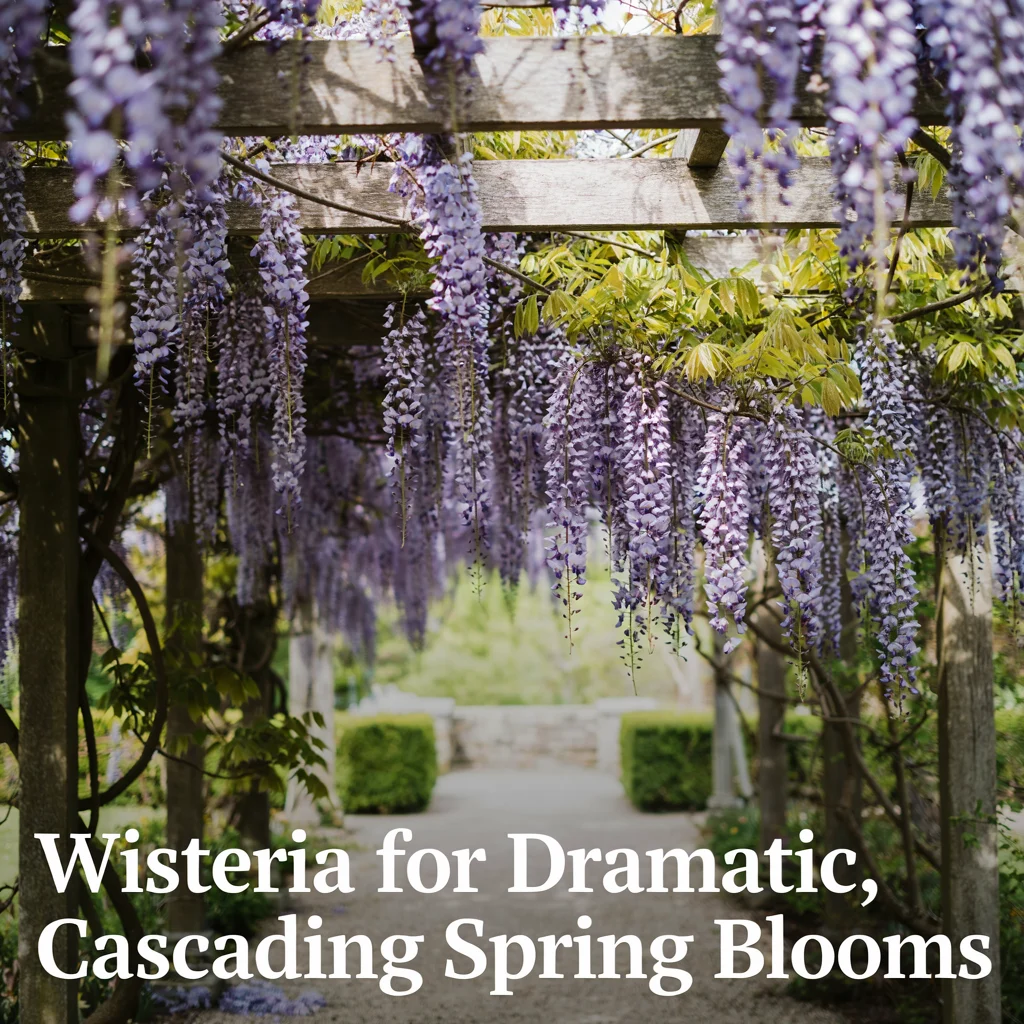
Wisteria for dramatic, cascading spring blooms produces long, hanging clusters of purple or white flowers each spring, climbing vigorously across a sturdy arbor or pergola.
Why Wisteria Can Take Years to Bloom for the First Time
Why wisteria can take years to bloom for the first time comes down to plant maturity, and choosing a grafted, named variety rather than a seed-grown plant considerably shortens the wait.
Why Wisteria Needs Serious Structural Support
Why wisteria needs serious structural support comes down to its eventual weight, since a mature wisteria vine can become heavy enough to damage a weak or poorly built structure over time.
Passionflower for Exotic, Intricate Blooms
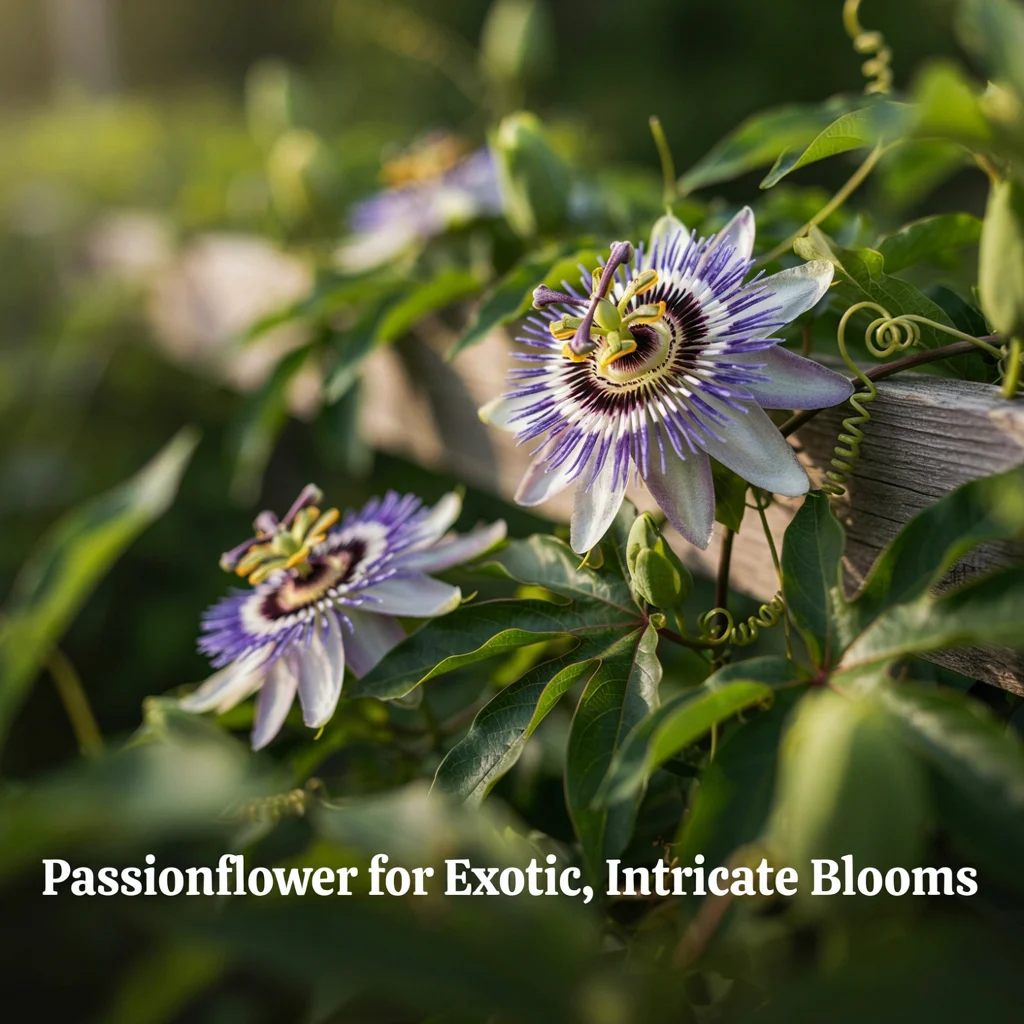
Passionflower for exotic, intricate blooms produces some of the most unusual flowers of any hardy vine, climbing quickly by tendril while also often producing edible fruit.
Why Passionflower Grows So Fast Once Established
Why passionflower grows so fast once established comes down to its vigorous nature, often covering a trellis within a single growing season in a warm, sunny spot.
Overwintering Passionflower in Cooler Climates
Overwintering passionflower in cooler climates generally means treating it as an annual or cutting it back and mulching heavily, since it’s only reliably hardy in milder regions.
Mandevilla for Glossy-Leaved Tropical Color
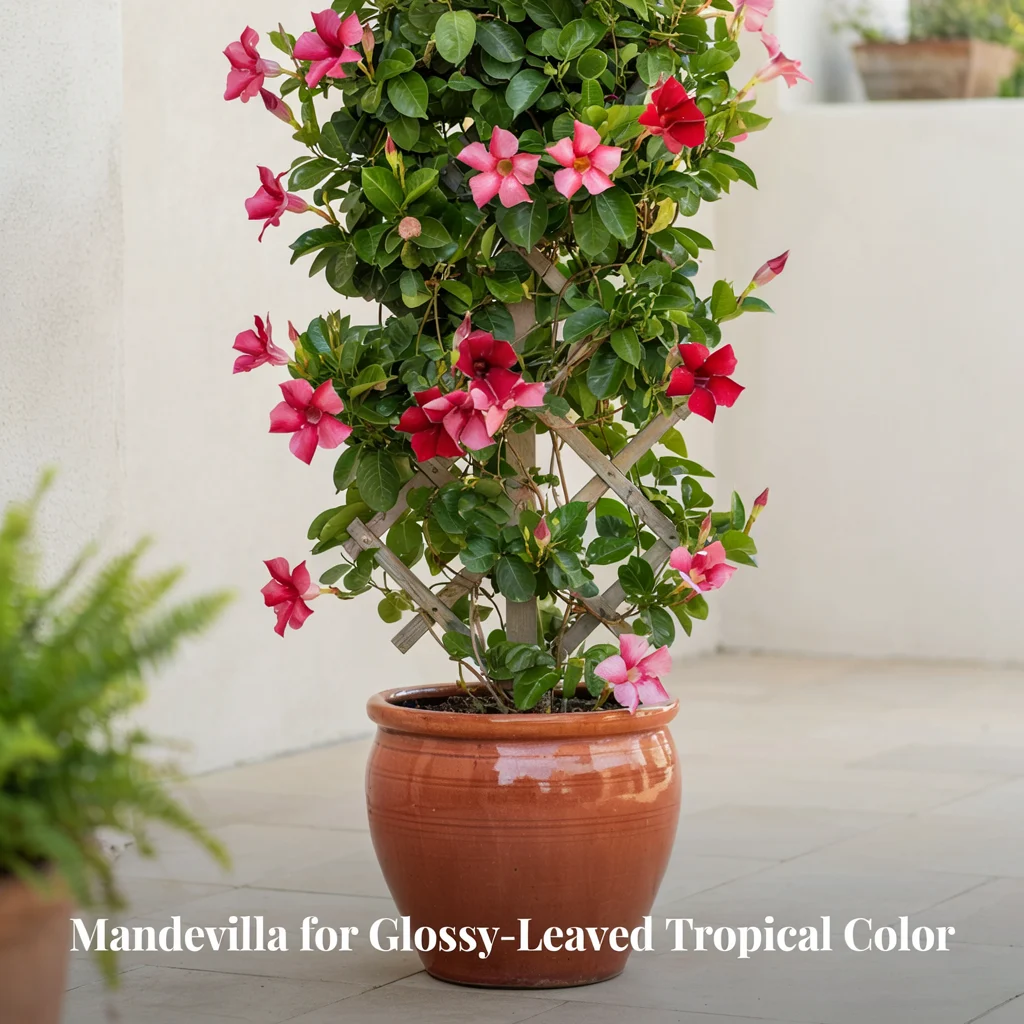
Mandevilla for glossy-leaved tropical color brings large, trumpet-shaped flowers in pink, red, or white, climbing readily up a small trellis in containers or garden beds.
Why Mandevilla Is Often Grown as an Annual
Why mandevilla is often grown as an annual comes down to its tropical origins, since it isn’t cold-hardy and needs to be brought indoors or replanted each year in most climates.
Bringing Mandevilla Indoors for the Winter
Bringing mandevilla indoors for the winter as a houseplant near a sunny window is a common way to keep the same plant blooming the following summer again.
Jasmine for Intensely Fragrant Evening Blooms
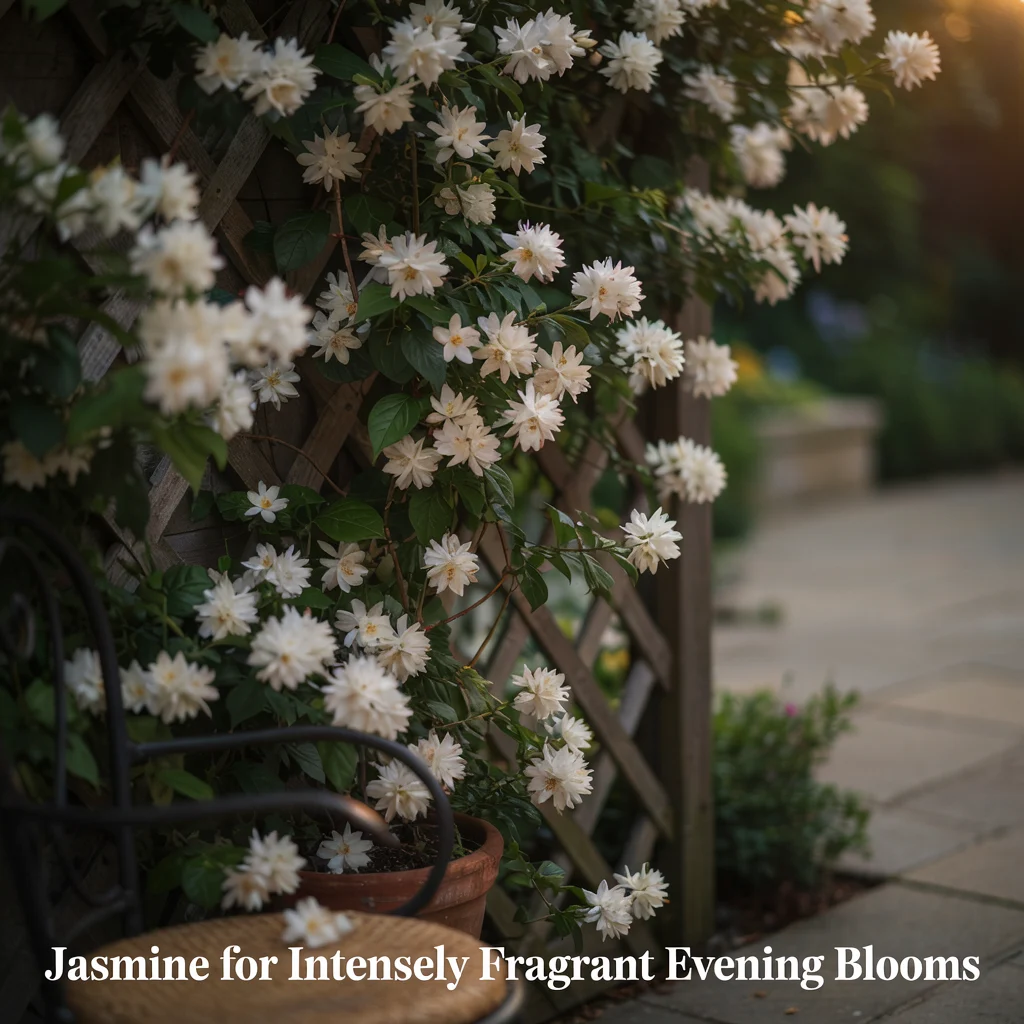
Jasmine for intensely fragrant evening blooms climbs steadily up trellises and fences, releasing a strong, sweet scent that tends to become most noticeable after sunset.
Why Jasmine Is Prized Specifically for Its Scent
Why jasmine is prized specifically for its scent comes down to its concentration of fragrant compounds, making even a single well-placed plant noticeable throughout a nearby patio or entryway.
Growing Jasmine in Pots for Patios and Balconies
Growing jasmine in pots for patios and balconies works well given its manageable size, letting the fragrance be enjoyed up close even without garden space.
The Bottom Line
Nearly any fence, trellis, or arbor can be covered in flowers within a season or two by choosing the right vine for the site: clematis and honeysuckle for classic color, climbing hydrangea for shade, and mandevilla or jasmine for containers and patios. All ten climb readily with basic support and don’t demand much beyond that.
For related ideas, see our articles on Easiest Climbing Plants to Grow for Beginners, How to Build a Pet-Friendly Garden, and Flowers You Can Grow with Zero Gardening Experience. For more on this, our guides on The Best Woodland Garden Plants for Shady Areas, How to Grow and Care for Catalpa Trees, and How to Grow and Care for Wisteria cover related ground. For a related project, see our article on Beautiful but Dangerous Plants You Should Know About.
Frequently Asked Questions
What Is the Fastest-Growing Flowering Vine?
Trumpet vine and passionflower are among the fastest-growing flowering vines, often covering a trellis or fence within a single growing season once established.
Which Flowering Vines Grow Well in Shade?
Climbing hydrangea is the most shade-tolerant flowering vine on this list, thriving in partial shade where most other flowering climbers would bloom poorly.
Do Flowering Vines Need a Trellis to Climb?
Most flowering vines need some kind of support, whether a trellis, fence, or arbor, though the specific type of support depends on how the vine climbs, by twining, tendrils, or clinging.
Which Flowering Vines Are Best for Small Containers?
Black-eyed Susan vine, mandevilla, and jasmine are well-suited to containers, given their manageable size and shallower root systems compared with vigorous growers like wisteria.
Are Any of These Flowering Vines Invasive?
Trumpet vine and certain honeysuckle species can spread aggressively in some regions, so it’s worth checking local guidance and choosing well-behaved cultivars where invasiveness is a concern.