Easy DIY Landscaping: Build a Rock Garden

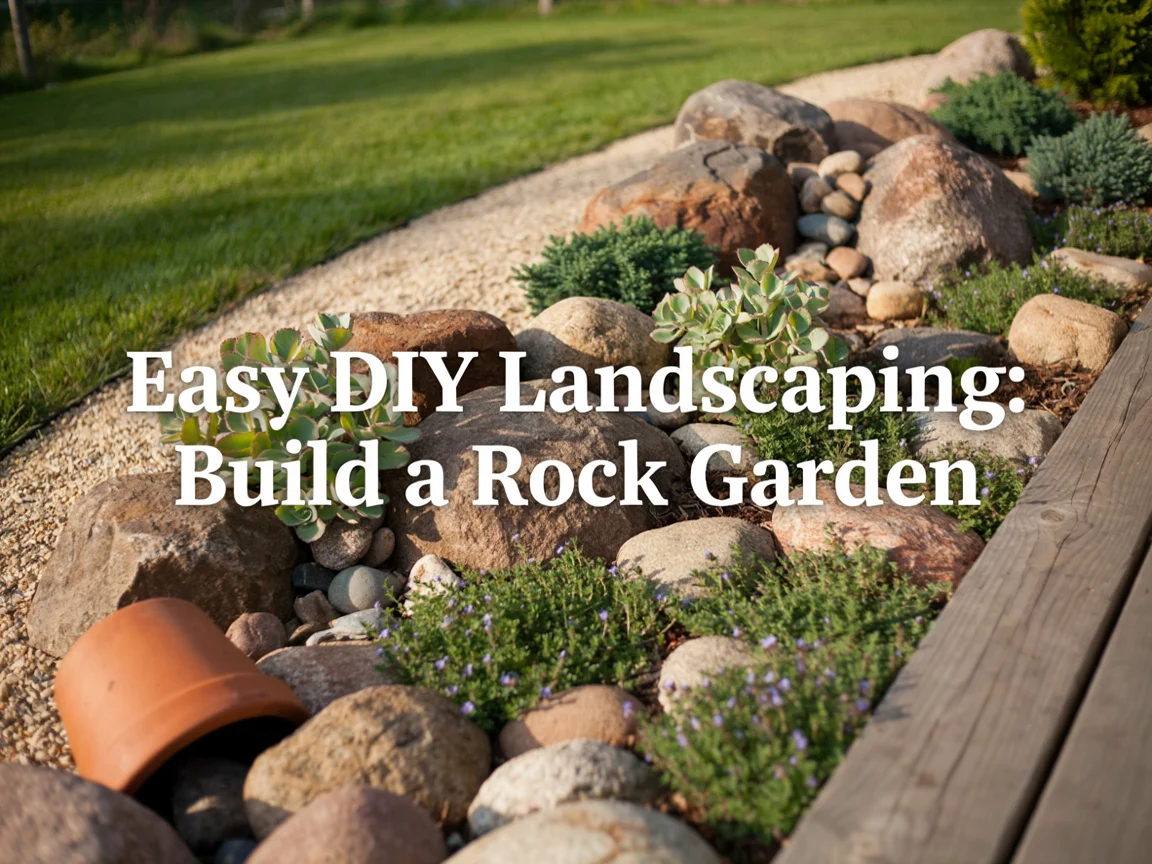
A rock garden turns a tricky, hard-to-mow slope or a dry, sun-baked corner into one of the more interesting features in a yard, and it’s a genuinely achievable weekend project rather than something that requires professional landscaping equipment. The steps below cover the whole process, from picking the right site to choosing plants that’ll actually thrive between the stones.
Choosing a Site With Good Drainage
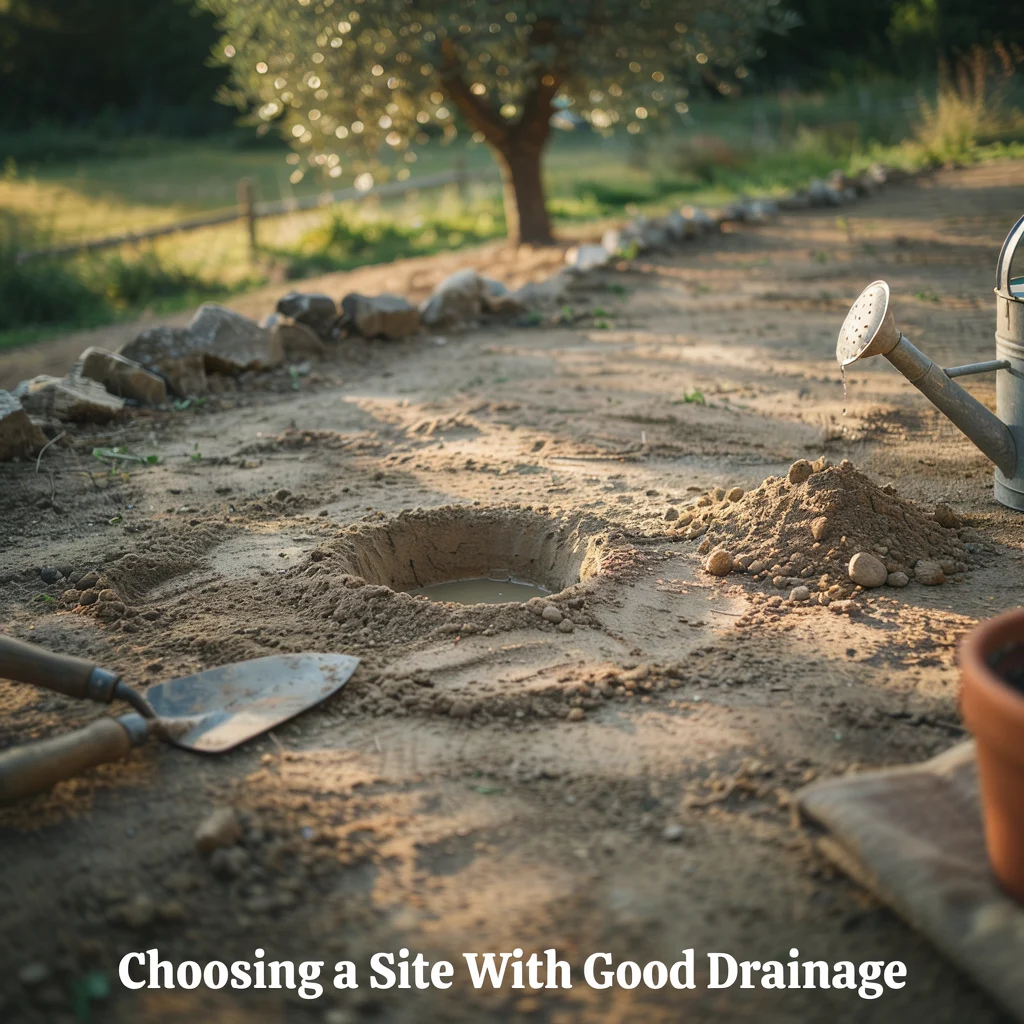
Choosing a site with good drainage is the natural starting point for a rock garden, since most rock garden plants come from mountainous or alpine environments where standing water is rarely an issue.
Why Slopes Make Especially Good Rock Garden Sites
Why slopes make especially good rock garden sites comes down to natural drainage, since water moves through and off a slope far more readily than it does across flat ground.
Testing a Flat Site for Drainage Before Building
Testing a flat site for drainage before building, by digging a small hole and watching how quickly water drains from it, helps confirm whether extra drainage prep will be needed.
Planning the Layout and Rock Placement
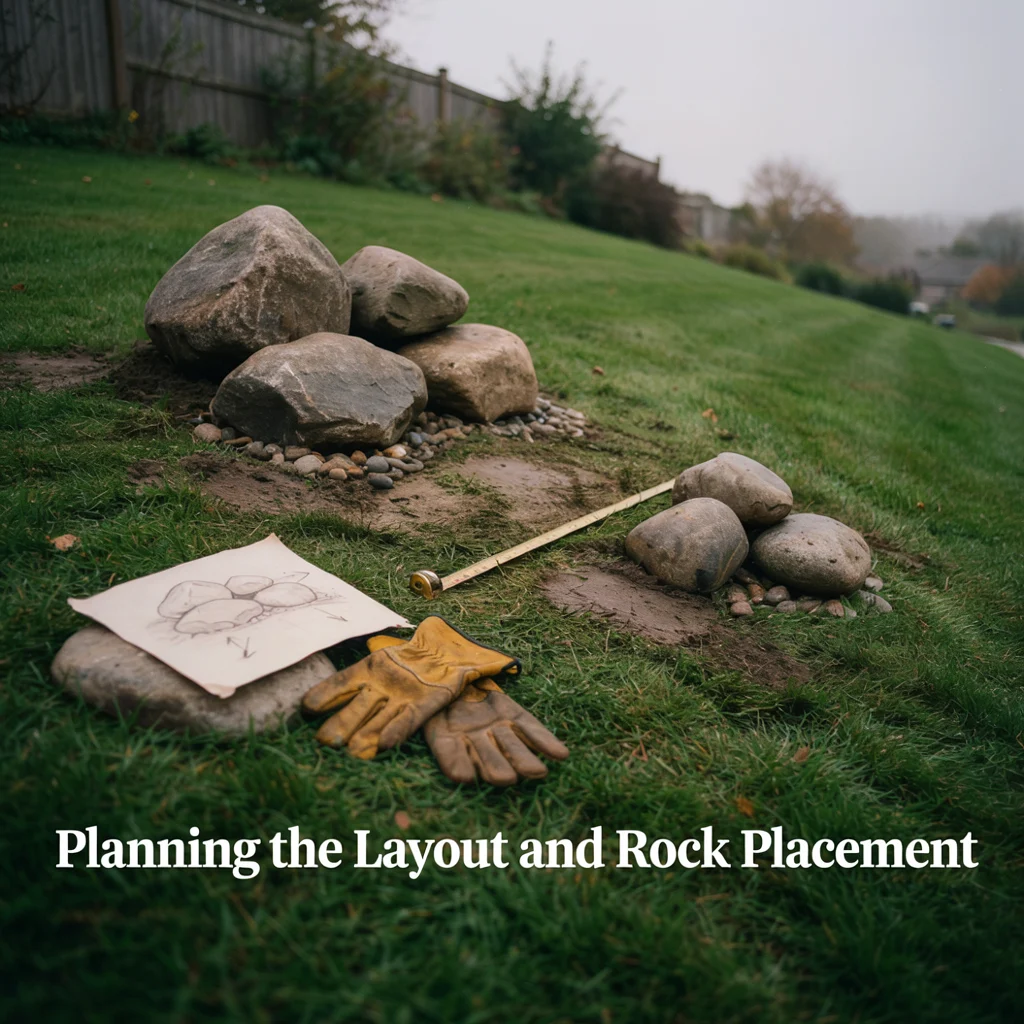
Planning the layout and rock placement before moving any stone saves considerable rework later, since a rock garden that looks random and scattered instead of natural is usually the result of skipping this step.
Why Odd-Numbered, Varied Groupings Look More Natural
Why odd-numbered, varied groupings look more natural comes down to basic design instinct, since evenly spaced or paired rocks tend to read as artificial compared with irregular, natural-looking clusters.
Sketching a Rough Plan Before Starting
Sketching a rough plan before starting, even just a simple drawing marking where larger anchor rocks will go, gives a clear reference to follow once the physical work begins.
Selecting Rocks That Suit the Garden’s Scale
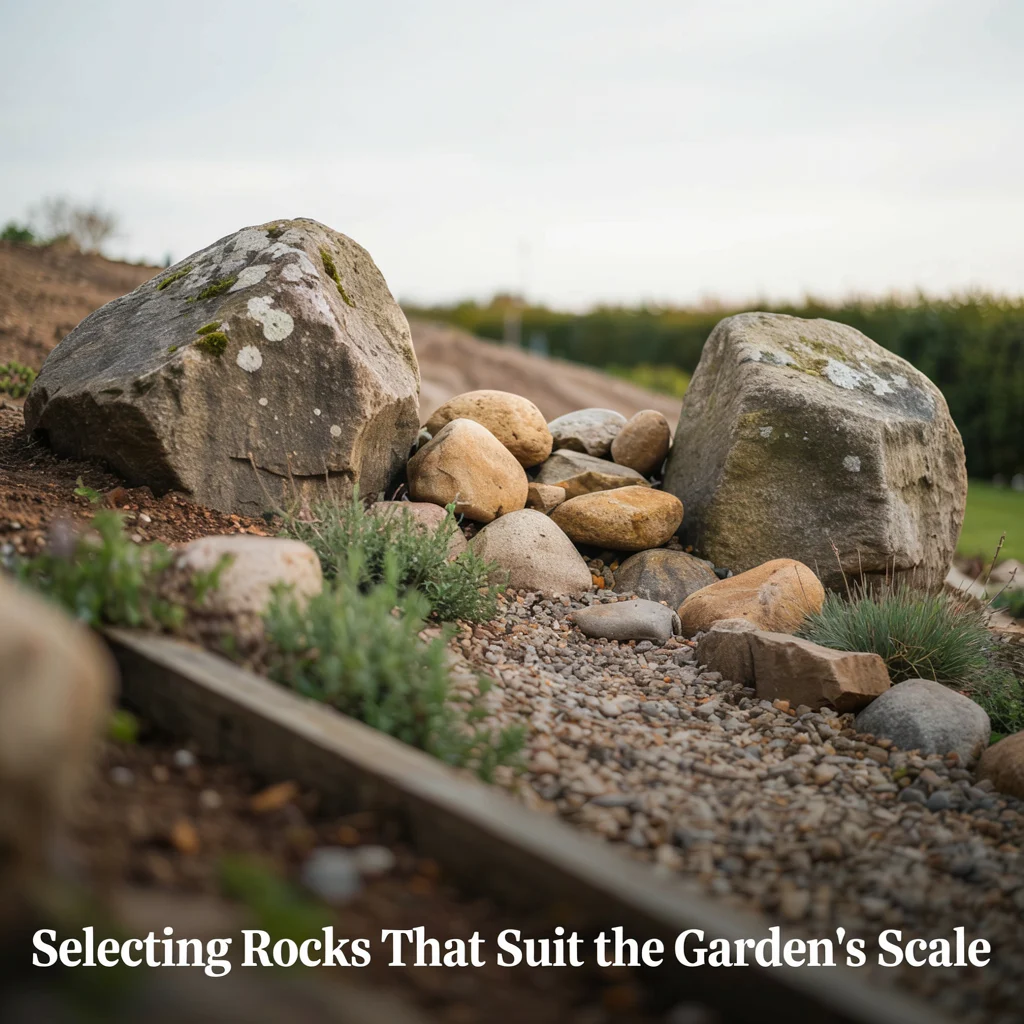
Selecting rocks that suit the garden’s scale matters more than most people expect, since rocks that are too small relative to the space read as gravel rather than as a genuine rock garden.
Mixing Large Anchor Rocks With Smaller Accent Stones
Mixing large anchor rocks with smaller accent stones creates the layered, natural look most successful rock gardens share, rather than using stones that are all roughly the same size.
Sourcing Local Stone for a More Authentic Look
Sourcing local stone for a more authentic look, matching the type of rock naturally found in the surrounding region, generally blends into the landscape more convincingly than an imported, mismatched stone type.
Preparing the Soil Beneath the Rocks
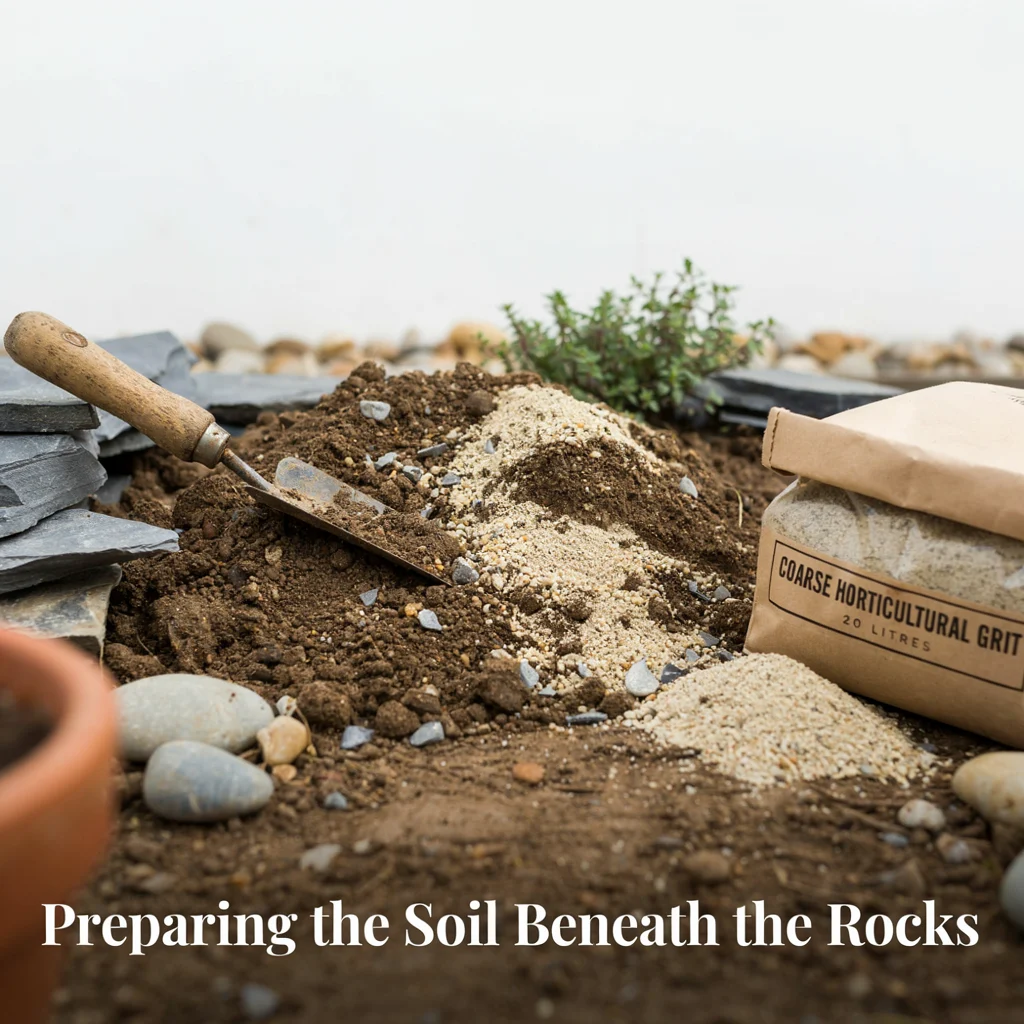
Preparing the soil beneath the rocks with a well-draining mix, often amended with coarse sand or gravel, sets up the fast-draining conditions rock garden plants actually need to thrive.
Why Standard Garden Soil Often Needs Amending
Why standard garden soil often needs amending comes down to its tendency to hold more moisture than rock garden plants prefer, particularly heavier clay soils common in many yards.
Building Up a Slight Mound for Better Drainage
Building up a slight mound for better drainage, even on an already sloped site, adds an extra layer of protection against roots sitting in overly wet soil after heavy rain.
Placing the Rocks for a Natural, Stable Look
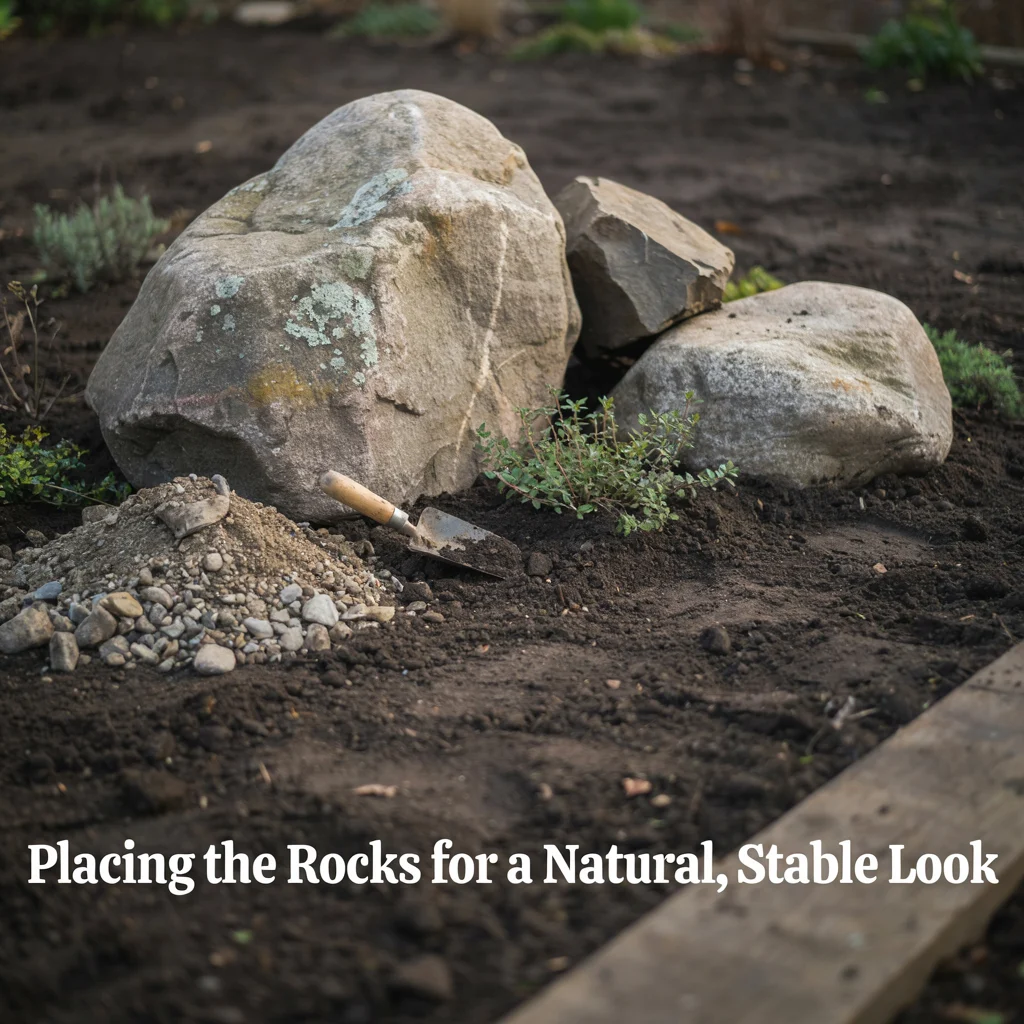
Placing the rocks for a natural, stable look means partially burying larger stones rather than simply setting them on top of the soil, which both looks more authentic and keeps them from shifting over time.
Why Burying Rocks Partially Prevents Them From Looking Staged
Why burying rocks partially prevents them from looking staged comes down to how rocks actually sit in nature, generally emerging from the ground rather than resting entirely on its surface.
Checking Stability Before Moving On to Planting
Checking stability before moving on to planting, by testing that each placed rock doesn’t wobble or shift underfoot, avoids having to redo placement work later once plants are already in the ground.
Choosing Drought-Tolerant Plants for the Gaps
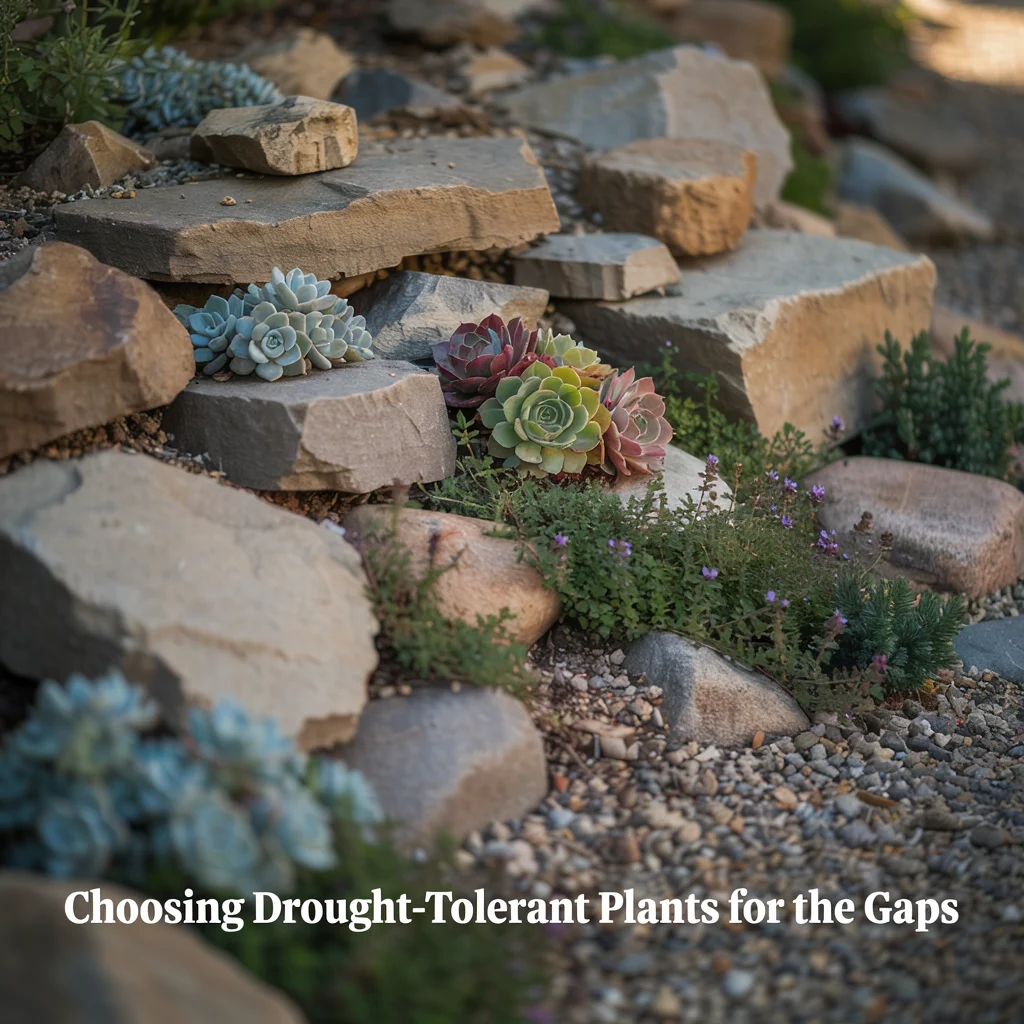
Choosing drought-tolerant plants for the gaps between rocks completes the look, and sticking to genuinely tough, low-water plants keeps a rock garden looking good with minimal ongoing maintenance.
Best Plant Types for Rock Garden Pockets
Best plant types for rock garden pockets include sedum, hens and chicks, creeping thyme, and dwarf conifers, all of which tolerate the lean, fast-draining conditions a rock garden provides.
Planting Directly Into Gaps Between Stones
Planting directly into gaps between stones, tucking small plants into pockets of soil between rocks, creates the layered, naturalistic look that’s the whole point of a rock garden design.
Adding Gravel Mulch for the Finishing Touch
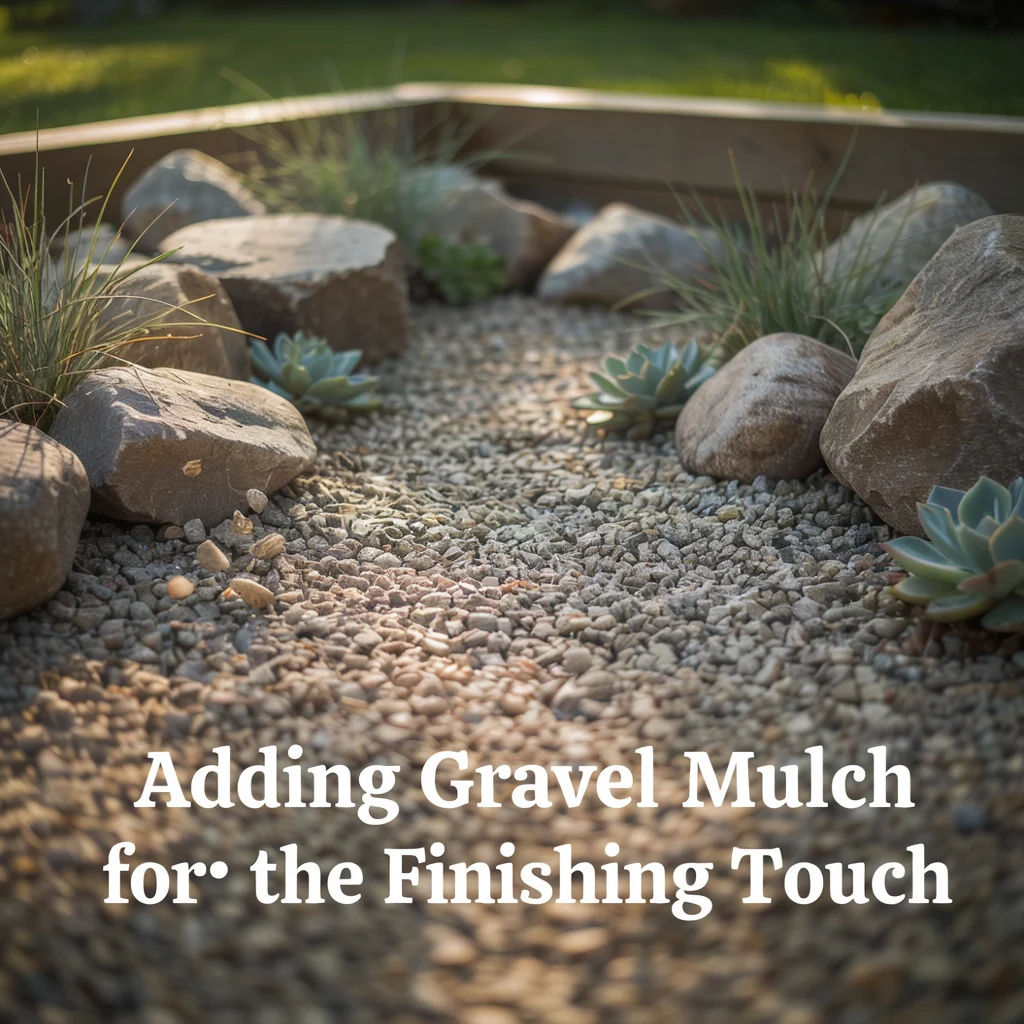
Adding gravel mulch for the finishing touch, spread between plants and around the base of the rocks, ties the whole design together while further improving drainage and suppressing weeds.
Choosing Gravel Size and Color to Match the Rocks
Choosing gravel size and color to match the rocks used elsewhere in the design keeps the finished rock garden looking cohesive rather than like several unrelated materials thrown together.
Why Gravel Mulch Outperforms Bark Mulch Here
Why gravel mulch outperforms bark mulch here comes down to moisture, since organic bark mulch holds more water against plant crowns than the fast-draining alpine plants in a rock garden actually want.
The Bottom Line
A DIY rock garden comes down to picking a well-drained site, placing varied rock sizes so they look naturally embedded rather than staged, and filling the gaps with genuinely drought-tolerant plants. Once established, it’s one of the lowest-maintenance features a yard can have, especially compared with the mowing or watering a traditional bed in the same spot would require.
Readers working on this often also check Cozy Easy Garden Patios to Steal, What Is Xeriscaping? The Desert Modern Garden Style Taking Over America, and Six Rules of Landscaping.
Frequently Asked Questions
How Much Does It Cost to Build a DIY Rock Garden?
A DIY rock garden can cost anywhere from under a hundred dollars for a small space using found or inexpensive stone, up to several hundred dollars for a larger area with purchased boulders and plants.
What Is the Best Location for a Rock Garden?
A sloped, sunny area with poor or fast-draining soil is generally the best location for a rock garden, since it naturally suits both the drainage rocks provide and the sun most rock garden plants prefer.
Do Rock Gardens Need a Lot of Maintenance?
Rock gardens generally need very little maintenance once established, mostly occasional weeding and pruning, since the plants chosen are typically drought-tolerant and slow-growing.
Can I Build a Rock Garden on Flat Ground?
A rock garden can be built on flat ground, though it typically needs additional soil amendment or a built-up mound to achieve the drainage a naturally sloped site would provide on its own.
What Plants Should I Avoid in a Rock Garden?
Moisture-loving plants like hosta or astilbe should generally be avoided in a rock garden, since the fast-draining conditions that suit alpine plants would leave thirstier plants struggling.