
How to Refinish and Paint an Old Wooden Porch and Deck

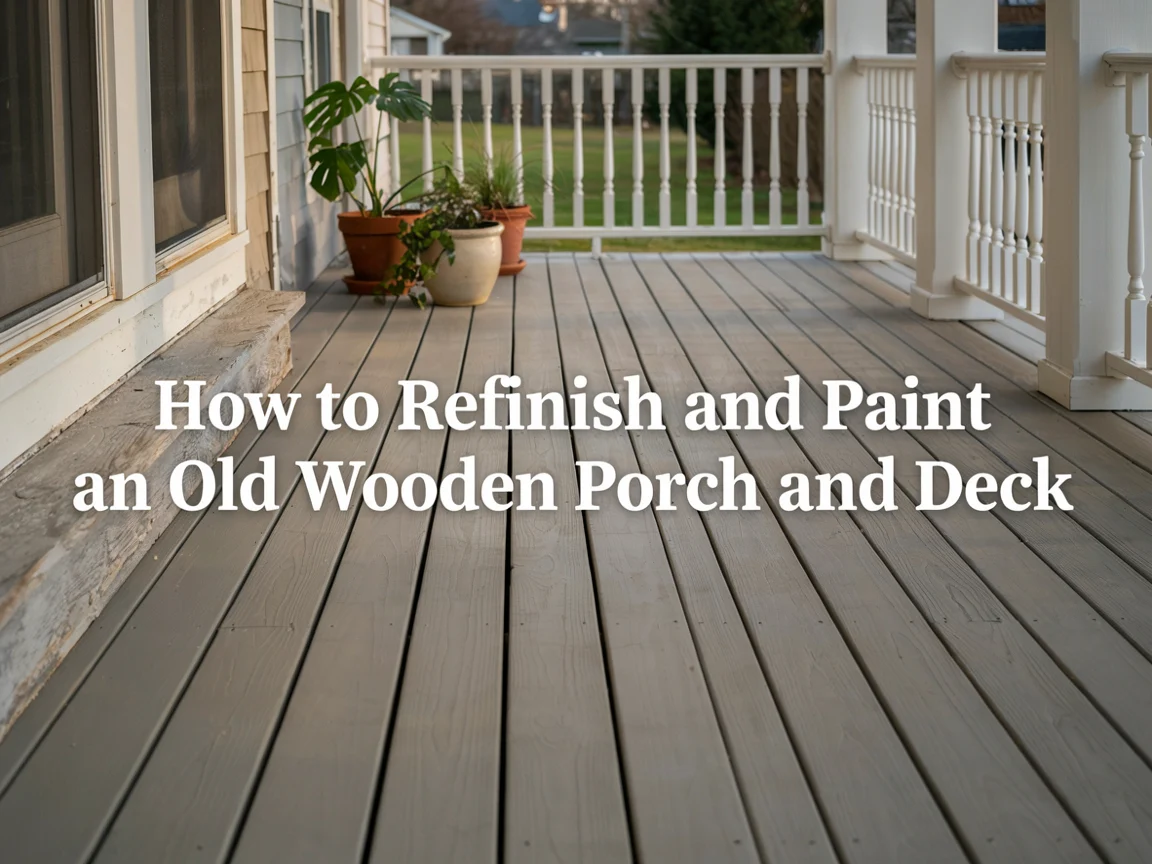
A weathered, graying porch or deck usually isn’t a sign it needs replacing, since most wood surfaces can be brought back with the right sequence of cleaning, repair, and finishing work. The steps below walk through the full process in order, from the first inspection to the final protective coat, so an old deck can look genuinely new again without a full rebuild.
Inspecting the Deck for Rot and Structural Damage
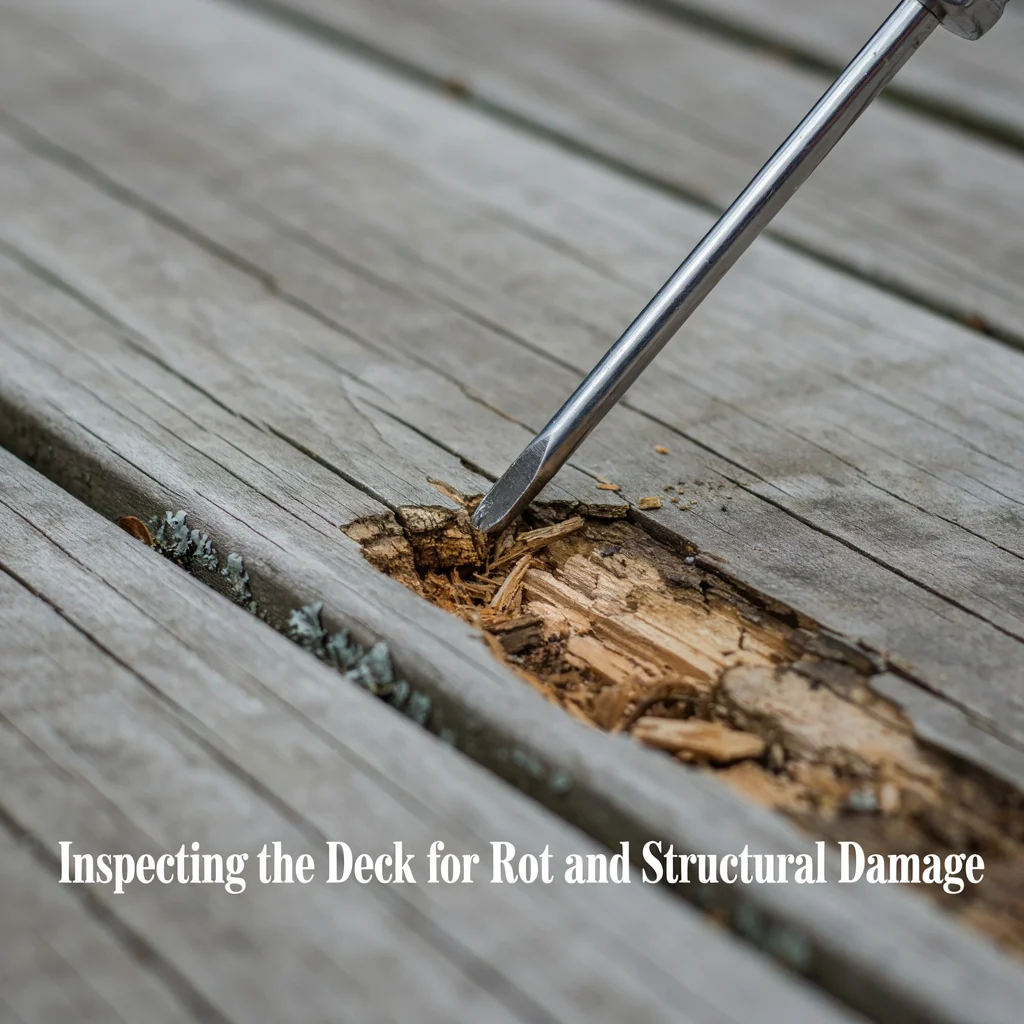
Inspecting the deck for rot and structural damage comes before any cosmetic work, since painting over soft or rotted wood only hides a problem that will keep getting worse underneath the new finish.
How to Test Wood for Hidden Rot
How to test wood for hidden rot involves pressing a screwdriver into suspicious boards and railings; wood that feels soft, spongy, or crumbles easily has likely started rotting and needs attention before refinishing continues.
Checking Fasteners and Support Structure
Checking fasteners and support structure means looking at joists, ledger boards, and any loose or rusted screws and nails, since a solid paint job can’t compensate for a deck that isn’t structurally sound underneath.
Clearing the Deck and Protecting Surrounding Areas
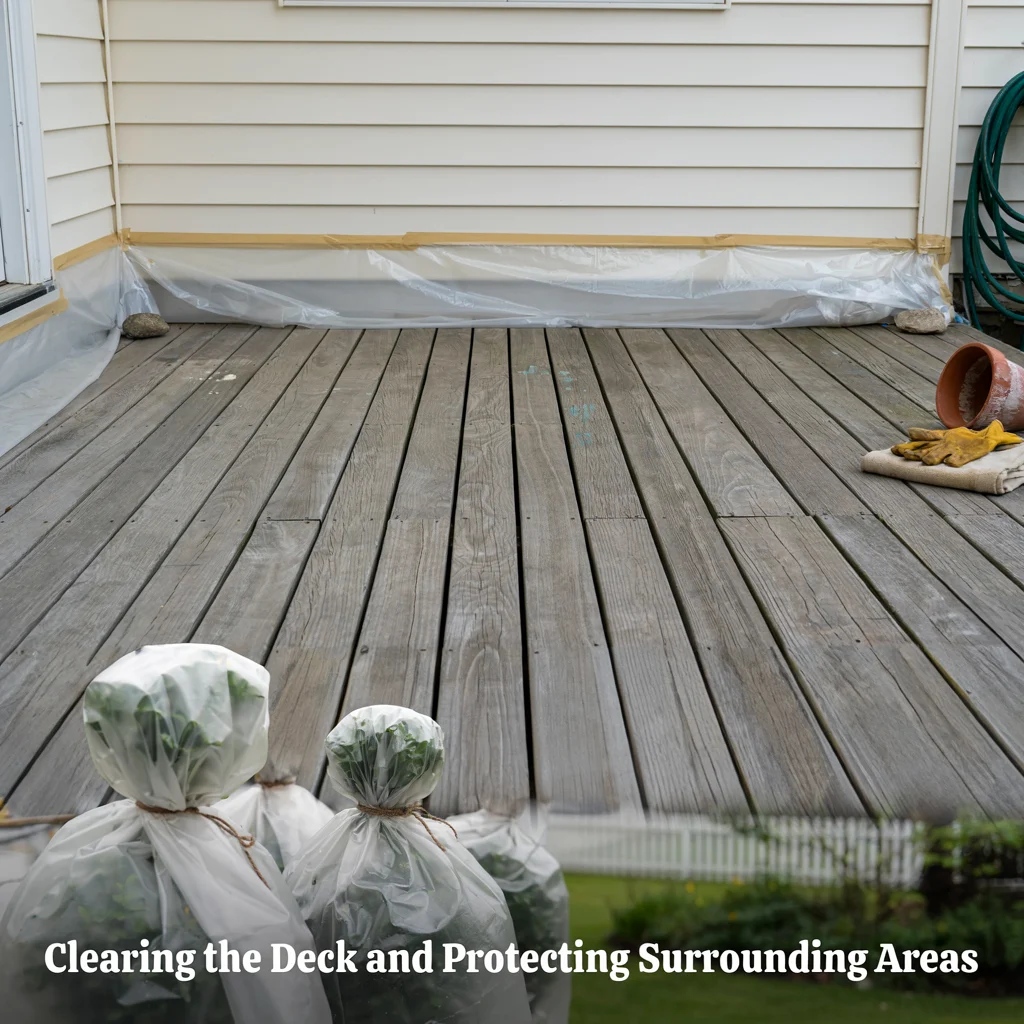
Clearing the deck and protecting surrounding areas is a simple step that saves considerable cleanup later, since stripping chemicals and paint can damage nearby plants, siding, or outdoor furniture if they’re left in place.
Removing Furniture, Rugs, and Planters
Removing furniture, rugs, and planters gives full access to every board and prevents mildew or discoloration from forming in the shaded patches those items would otherwise leave behind.
Covering Nearby Plants and Siding
Covering nearby plants and siding with plastic sheeting protects them from stripping solutions and overspray, which is especially important since many deck-stripping chemicals are harsh enough to damage foliage on contact.
Cleaning and Stripping the Old Finish
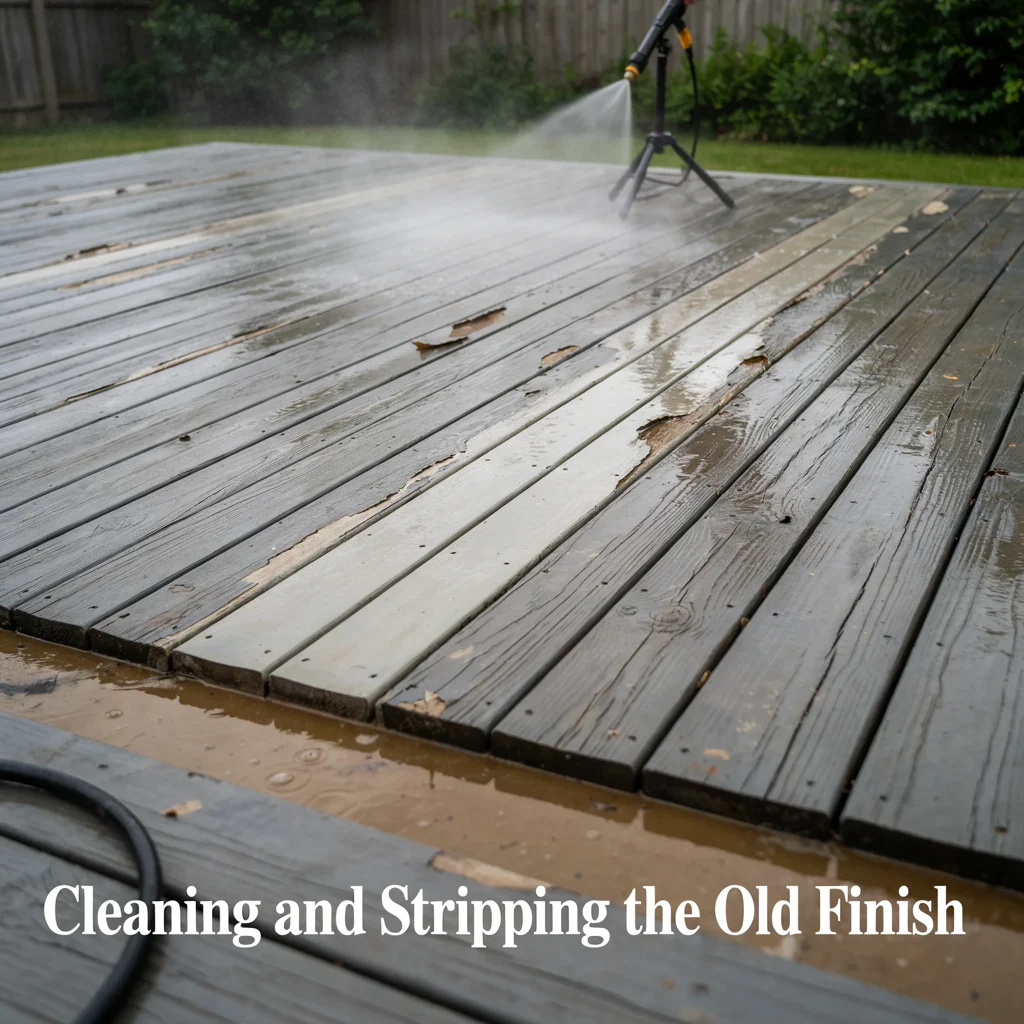
Cleaning and stripping the old finish removes years of dirt, mildew, and failing paint or stain, creating a clean surface that new primer and paint can actually bond to properly.
Choosing Between a Deck Cleaner and a Chemical Stripper
Choosing between a deck cleaner and a chemical stripper depends on the current finish; a simple oxygen-based deck cleaner handles dirt and mildew, while peeling paint or old stain usually needs a dedicated stripping product to fully lift.
Using a Pressure Washer Without Damaging the Wood
Using a pressure washer without damaging the wood means keeping the nozzle on a wide fan setting and holding it at least 12 inches from the surface, since too narrow a spray can gouge softwood boards.
Sanding the Surface Smooth and Even
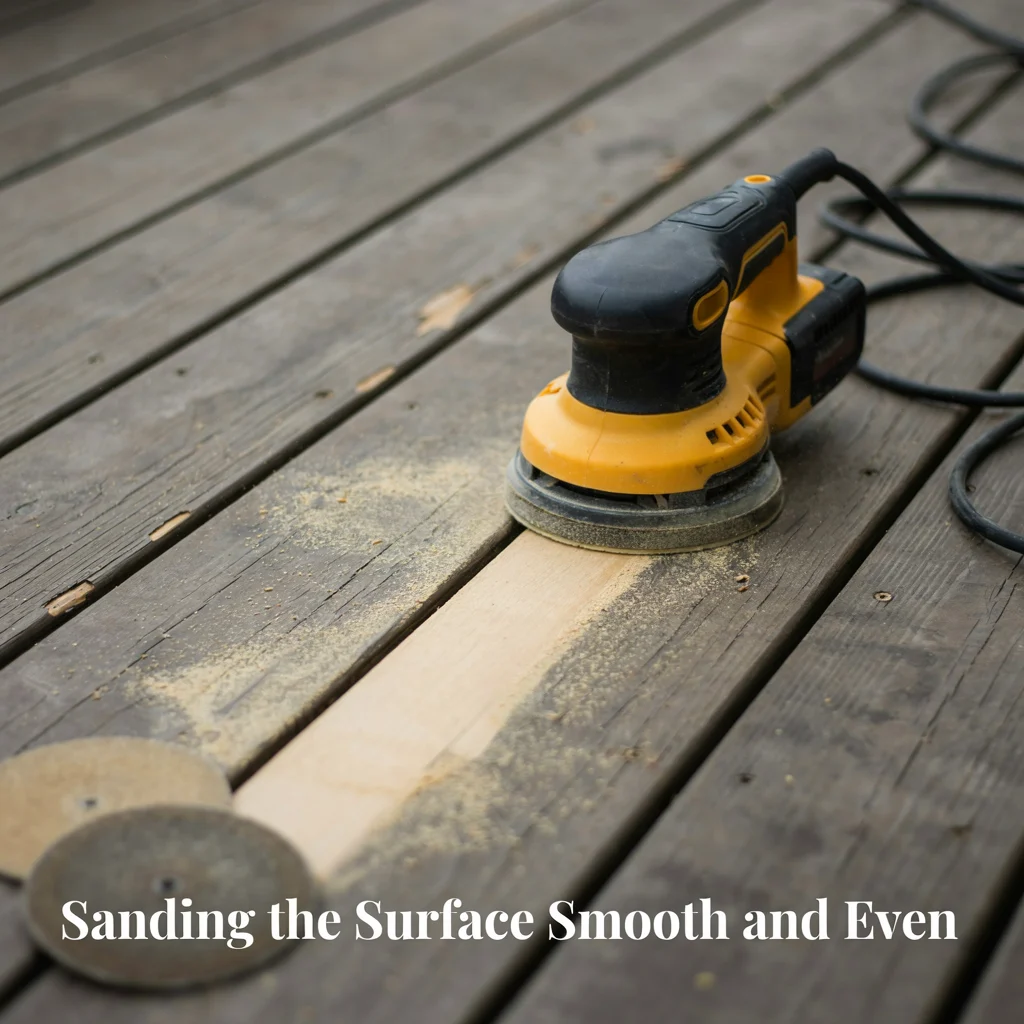
Sanding the surface smooth and even comes next, removing any remaining flakes of old finish and smoothing out raised wood grain left behind after pressure washing or stripping.
Picking the Right Grit for Deck Sanding
Picking the right grit for deck sanding usually means starting around 60 to 80 grit for rough or heavily coated boards, then finishing with 100 to 120 grit for a smooth, paint-ready surface.
Sanding Railings and Detail Areas by Hand
Sanding railings and detail areas by hand is often necessary even with a power sander in use, since spindles, corners, and tight joints are difficult to reach with larger sanding equipment.
Repairing or Replacing Damaged Boards
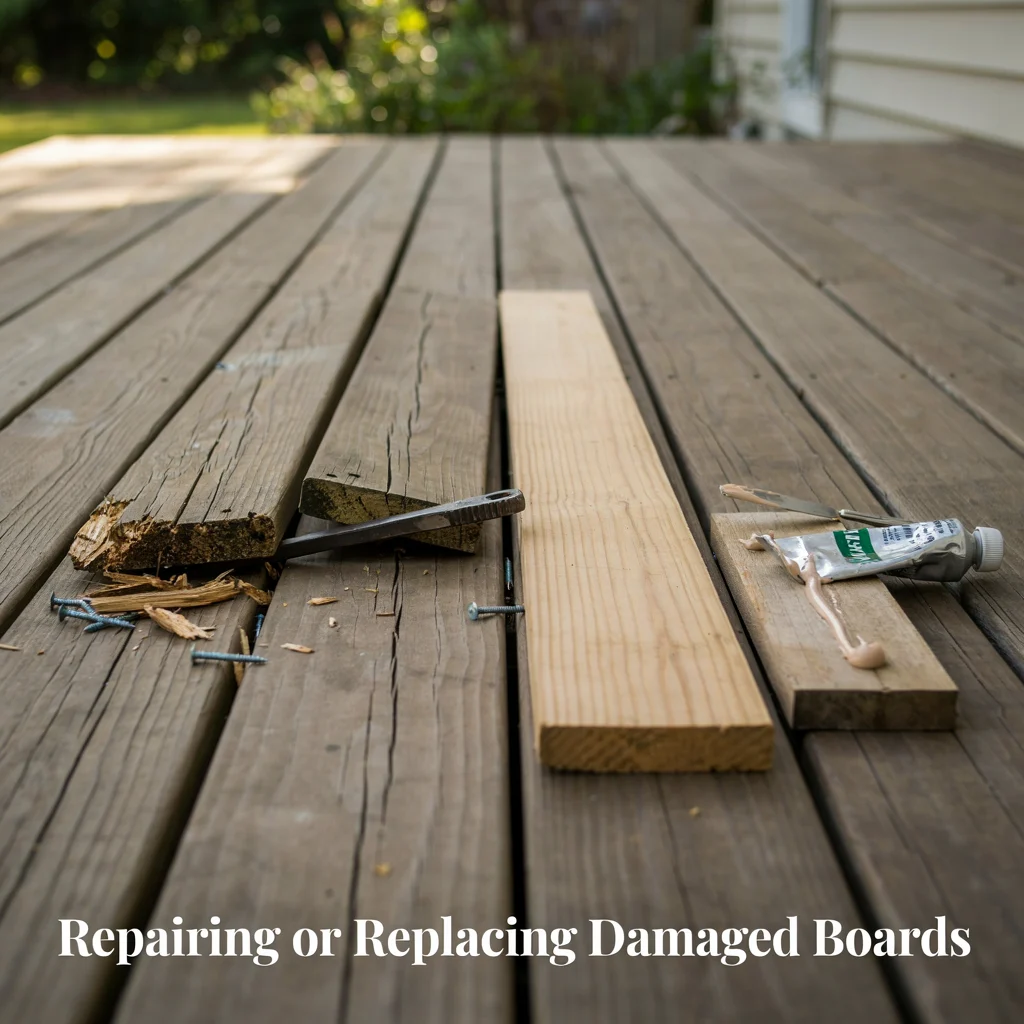
Repairing or replacing damaged boards ensures the finished porch or deck is both safe and even, since painting around a warped, split, or rotted board only draws more attention to the problem.
Filling Small Cracks and Nail Holes
Filling small cracks and nail holes with an exterior-grade wood filler creates a smooth, paintable surface, and it’s worth letting the filler cure fully before sanding it flush with the surrounding wood.
When to Replace a Board Instead of Repairing It
When to replace a board instead of repairing it usually comes down to the extent of rot or splitting; a board that’s soft through more than a small section is generally safer to swap out entirely.
Priming the Wood for Better Paint Adhesion
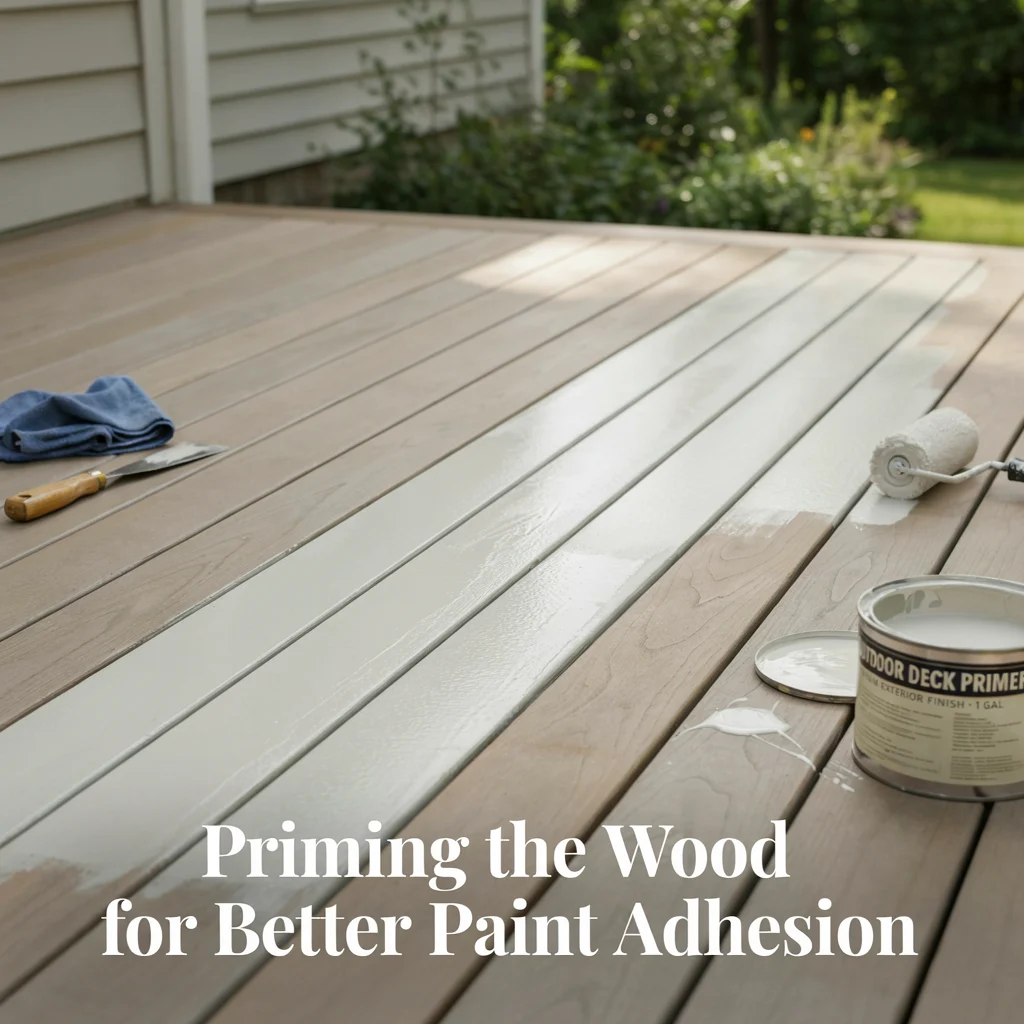
Priming the wood for better paint adhesion is a step worth not skipping, since a quality exterior primer seals the wood, blocks tannin bleed-through, and gives the topcoat something consistent to grip.
Why Bare or Repaired Wood Needs Primer
Why bare or repaired wood needs primer comes down to porosity; unprimed wood absorbs paint unevenly, leading to blotchy coverage and a finish that wears out faster than one applied over a properly primed surface.
Choosing an Exterior Primer for Decks and Porches
Choosing an exterior primer for decks and porches means picking a product labeled specifically for floors or high-traffic exterior surfaces, since standard wall primers aren’t built to handle foot traffic and weather exposure.
Painting and Sealing for Long-Term Protection
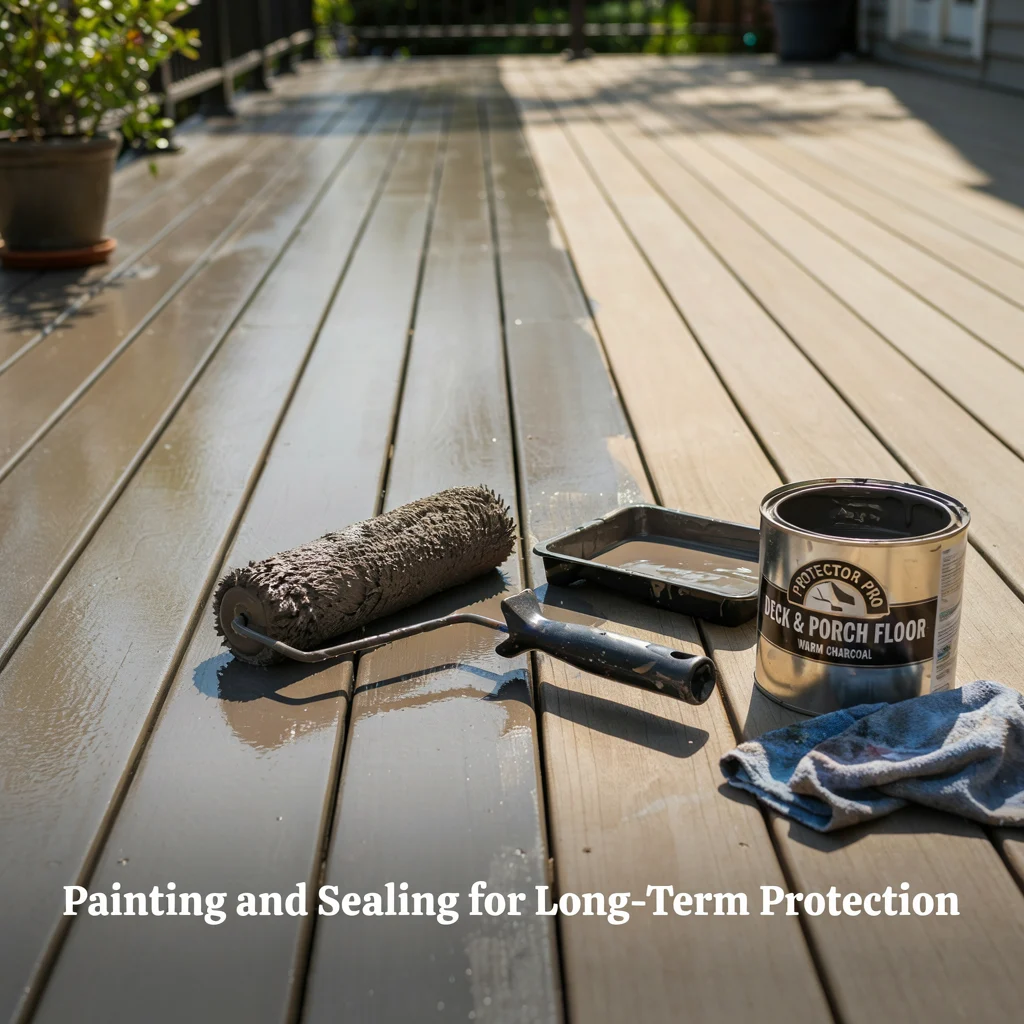
Painting and sealing for long-term protection is the final stage, and using a paint formulated specifically for decks and porch floors makes a meaningful difference in how well the finish holds up over time.
Applying Thin, Even Coats for a Durable Finish
Applying thin, even coats for a durable finish matters more than applying one thick coat, since thin layers dry more evenly and are considerably less likely to crack or peel prematurely.
How Long to Wait Before Walking on a Freshly Painted Deck
How long to wait before walking on a freshly painted deck is typically 24 to 48 hours for light foot traffic, though full curing to handle furniture and heavier use can take up to two weeks.
The Bottom Line
Refinishing an old wooden porch or deck comes down to a predictable sequence: inspect for damage, clean and strip the old finish, sand it smooth, repair what needs repairing, prime, then paint in thin, even coats. Skipping any one of these steps, especially priming or proper drying time, is usually what causes a fresh paint job to fail early.
This pairs well with Outdoor Plant Pots Showing Their Age? Transform Them With Spray Paint!, Vermicomposting for Beginners: Turn Kitchen Scraps into Garden Gold, and How to Build a Pet-Friendly Garden if you are planning further. Readers working on this often also check Mini Garden Ideas That Fit Any Space, How to Build a Bird Feeder Pole, and Why Lilacs Should Be Pruned Right After Blooming. For more on this, our articles on The Best Trees to Plant in Your Yard and How to Plant and Cultivate a Japanese Maple Tree cover related ground.
Frequently Asked Questions
How Often Should a Wooden Deck Be Repainted?
A wooden deck typically needs repainting every 2 to 3 years, though high-traffic areas or decks with significant sun exposure may need touch-ups or a full repaint slightly sooner.
Do I Need to Sand Before Repainting a Deck?
Sanding before repainting a deck is generally necessary if the old finish is peeling, glossy, or uneven, since sanding creates the rough texture new paint needs to properly adhere.
What Kind of Paint Is Best for a Wooden Porch Floor?
A 100% acrylic exterior floor paint, or a paint specifically labeled for porches and decks, is generally best, since these formulas are built to handle foot traffic, moisture, and UV exposure better than standard wall paint.
Can I Paint Over Old Deck Stain?
Painting over old deck stain is possible after thorough cleaning and sanding, but any peeling or flaking stain needs to be fully removed first, since paint won’t adhere well over an unstable surface.
How Long Does It Take to Refinish and Paint a Deck?
Refinishing and painting a deck typically takes a full weekend to a week depending on size and weather, since drying time between cleaning, priming, and painting steps often matters more than the actual labor involved.