
How to Make Vertical Pallet Planters

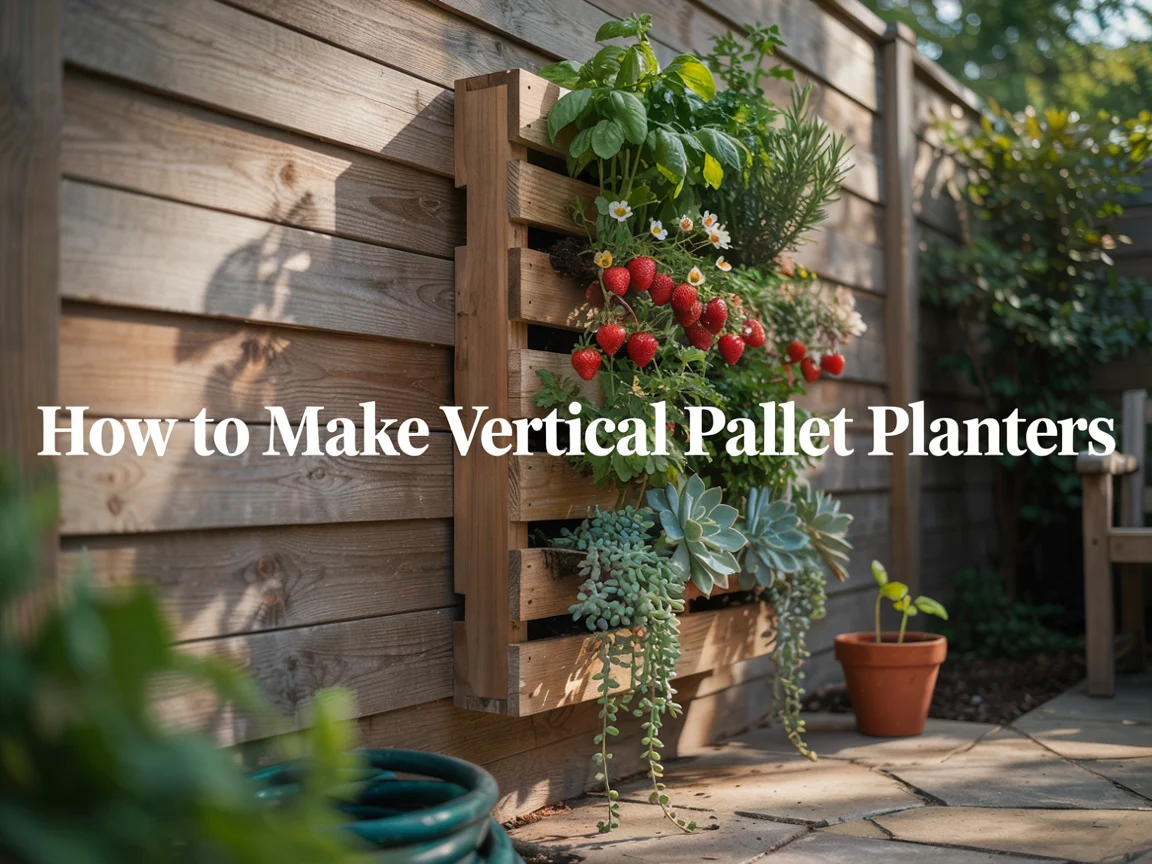
A single wood pallet, usually free or nearly free from a local hardware store or shipping supplier, turns into a genuinely useful vertical garden with a weekend’s worth of simple work. The steps below cover the whole build, from picking a safe pallet to filling it with plants that actually thrive in a vertical setup.
Choosing a Safe, Untreated Pallet
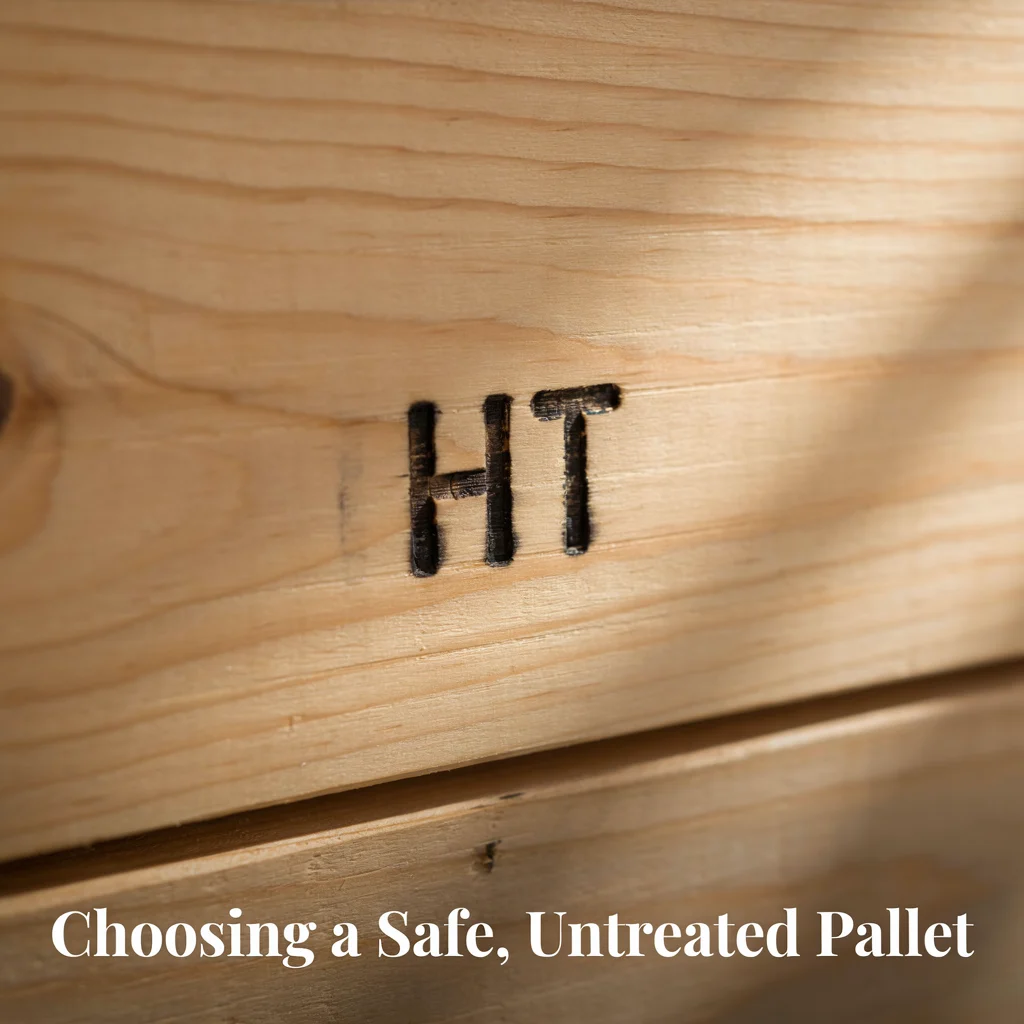
Choosing a safe, untreated pallet matters more than it might seem, since some pallets are chemically treated for pest control in ways that make them unsuitable for anything growing food nearby.
Reading the Stamp to Confirm It’s Heat-Treated, Not Chemically Treated
Reading the stamp to confirm it’s heat-treated, not chemically treated, means looking for an “HT” stamp on the wood, which indicates heat treatment rather than the “MB” stamp used for chemical fumigation.
Inspecting the Pallet for Rot, Splinters, and Stability
Inspecting the pallet for rot, splinters, and stability before starting the project avoids building around a structural problem that would only get worse once the planter is loaded with soil.
Sanding and Cleaning the Wood
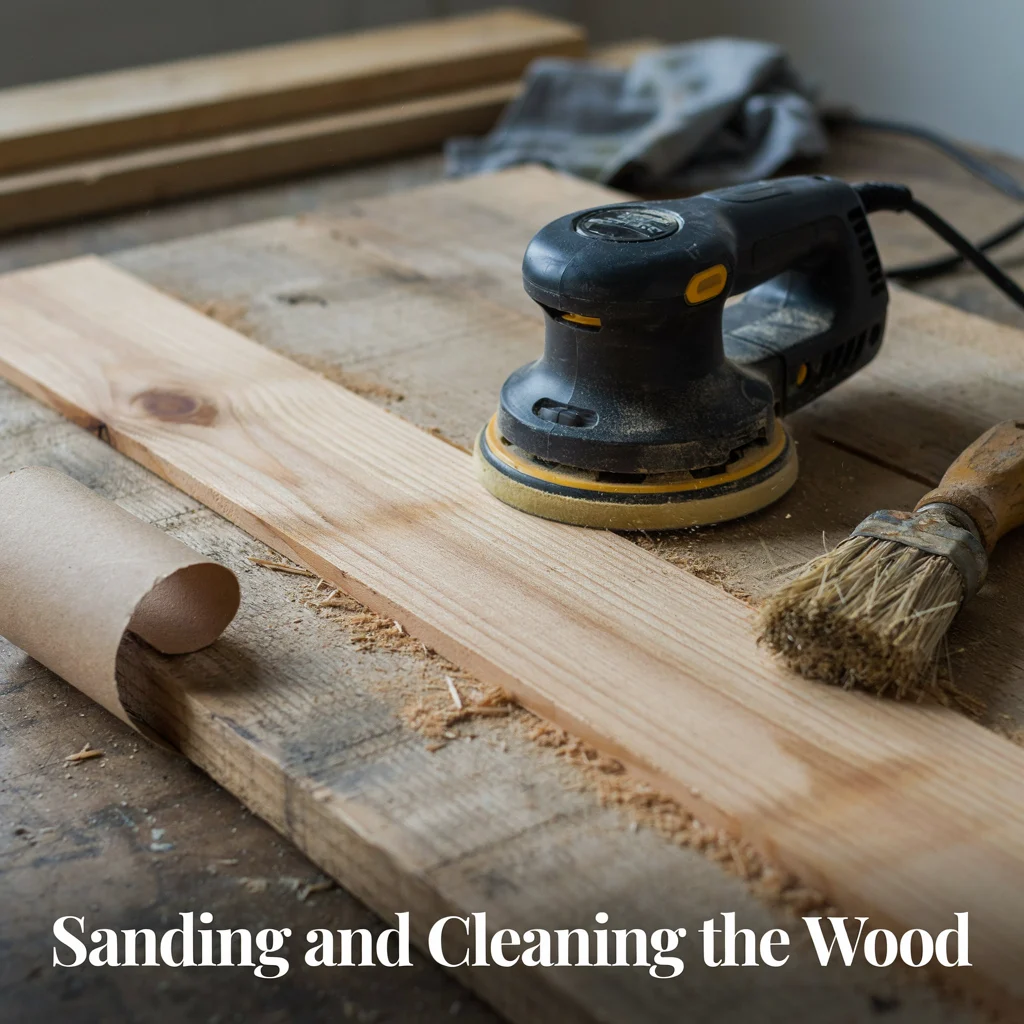
Sanding and cleaning the wood removes splinters and rough patches, which matters both for safety while handling the pallet and for how well any sealant applied afterward will hold up.
Sanding Down Rough Edges and Exposed Nails
Sanding down rough edges and exposed nails, or hammering any protruding nails flush, prevents snags and scrapes once the planter is finished and being handled regularly.
Cleaning Off Dirt and Debris Before Sealing
Cleaning off dirt and debris before sealing with a stiff brush or a quick rinse ensures the sealant actually bonds to bare wood rather than trapping grime underneath.
Sealing the Pallet for Outdoor Durability
Sealing the pallet for outdoor durability with an exterior wood stain or sealant protects it from the repeated moisture a soil-filled planter will expose it to over an entire growing season.
Choosing a Non-Toxic Sealant if Growing Edibles
Choosing a non-toxic sealant if growing edibles is worth confirming on the product label, since some wood sealants aren’t rated as food-safe for planters intended to grow herbs or vegetables.
Letting the Sealant Cure Fully Before Planting
Letting the sealant cure fully before planting, generally 24 to 48 hours depending on the product, avoids any risk of fresh sealant leaching into the soil once it’s added.
Lining the Pallet With Landscape Fabric
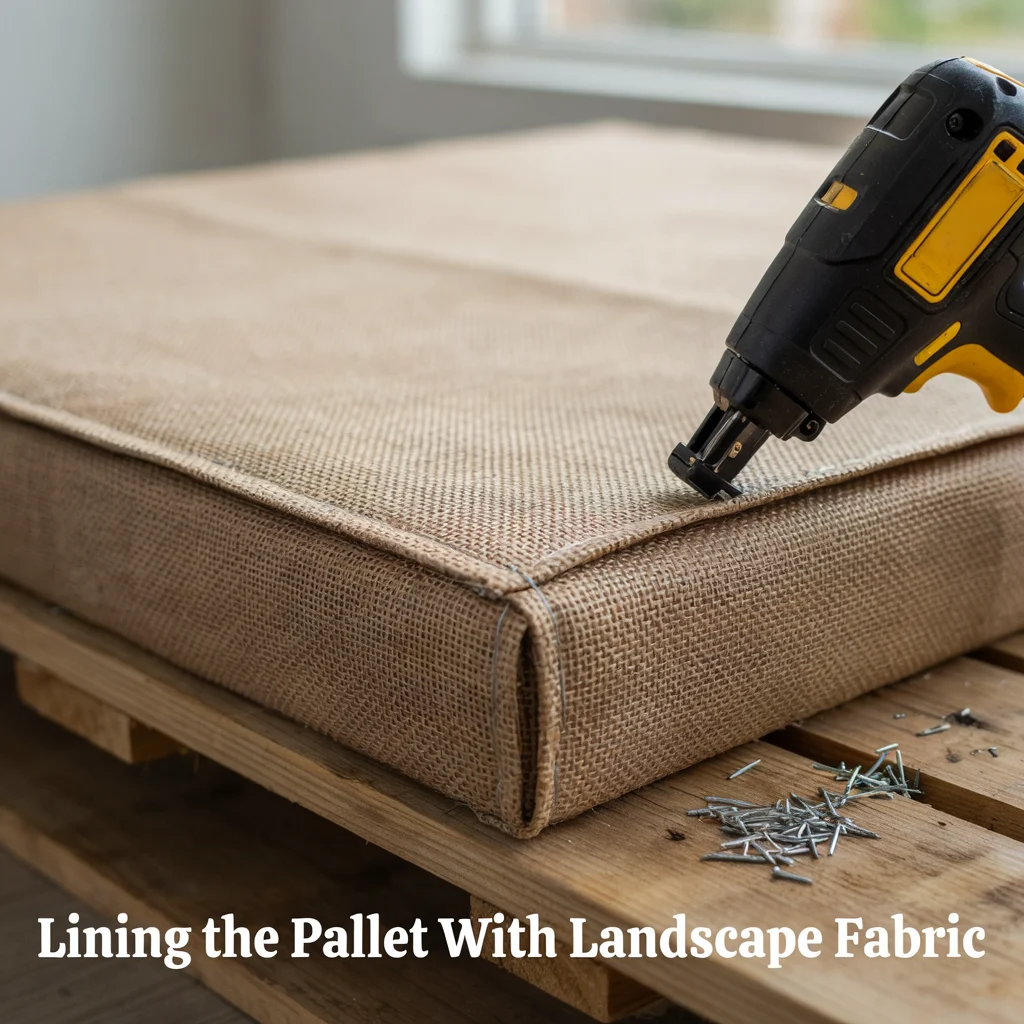
Lining the pallet with landscape fabric creates the actual planting pockets, holding soil in place within the pallet’s slats while still allowing water to drain through properly.
Stapling Fabric to Create Contained Planting Pockets
Stapling fabric to create contained planting pockets means covering the back, bottom, and sides of each slat section with landscape fabric, leaving the front slats as the opening for plants.
Why Landscape Fabric Works Better Than Plastic Sheeting
Why landscape fabric works better than plastic sheeting comes down to drainage, since fabric lets excess water escape gradually while plastic tends to trap moisture and lead to root rot.
Filling the Pallet With Soil
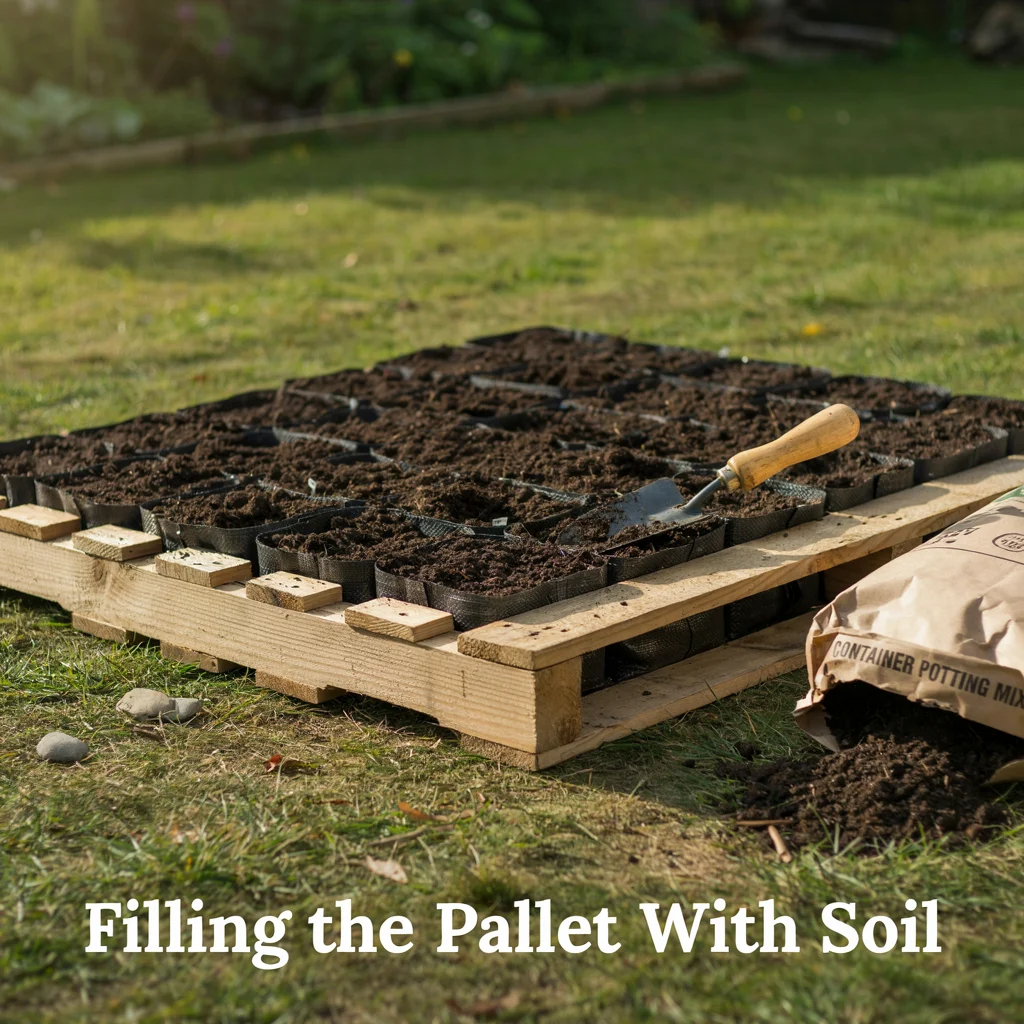
Filling the pallet with soil is easiest done with the pallet laid flat on the ground, packing a lightweight potting mix into each lined pocket before standing the whole structure upright.
Why a Lightweight Potting Mix Works Best
Why a lightweight potting mix works best comes down to weight and drainage, since a mix built for containers drains more freely and won’t compact as heavily as garden soil would inside tight pallet slats.
Letting the Pallet Sit Flat for a Few Days Before Standing It Up
Letting the pallet sit flat for a few days before standing it up gives roots time to establish enough to hold the soil in place once gravity starts pulling downward.
Choosing Plants Suited to a Vertical Planter
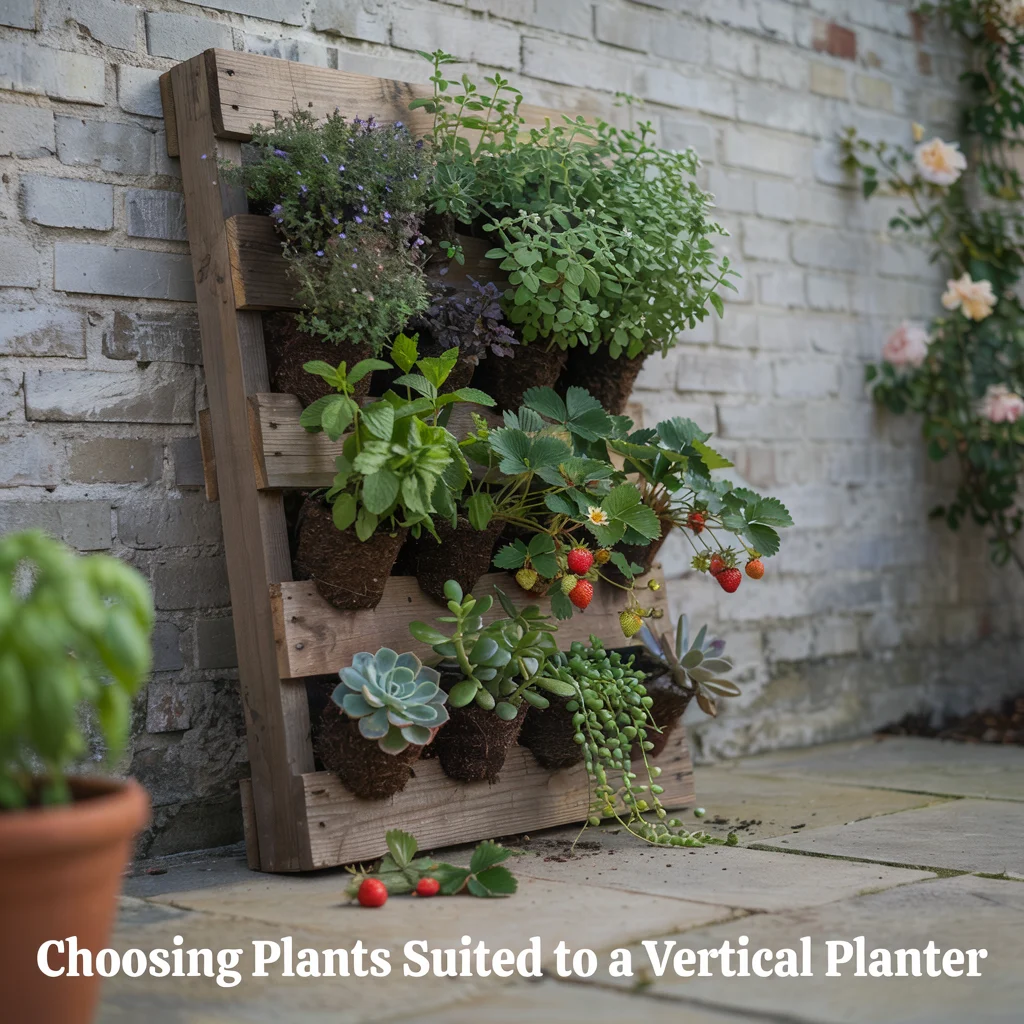
Choosing plants suited to a vertical planter matters since not every plant handles the shallow soil depth and occasional drying out that comes with a pallet-style setup.
Best Plants for Shallow-Rooted Vertical Gardens
Best plants for shallow-rooted vertical gardens include herbs like thyme and oregano, along with strawberries and trailing succulents, all of which tolerate the limited root space well.
Plants to Avoid in a Pallet Planter
Plants to avoid in a pallet planter include deep-rooted vegetables like carrots or anything that needs consistently moist soil, since pallet planters dry out faster than a standard raised bed.
Mounting or Positioning the Finished Planter
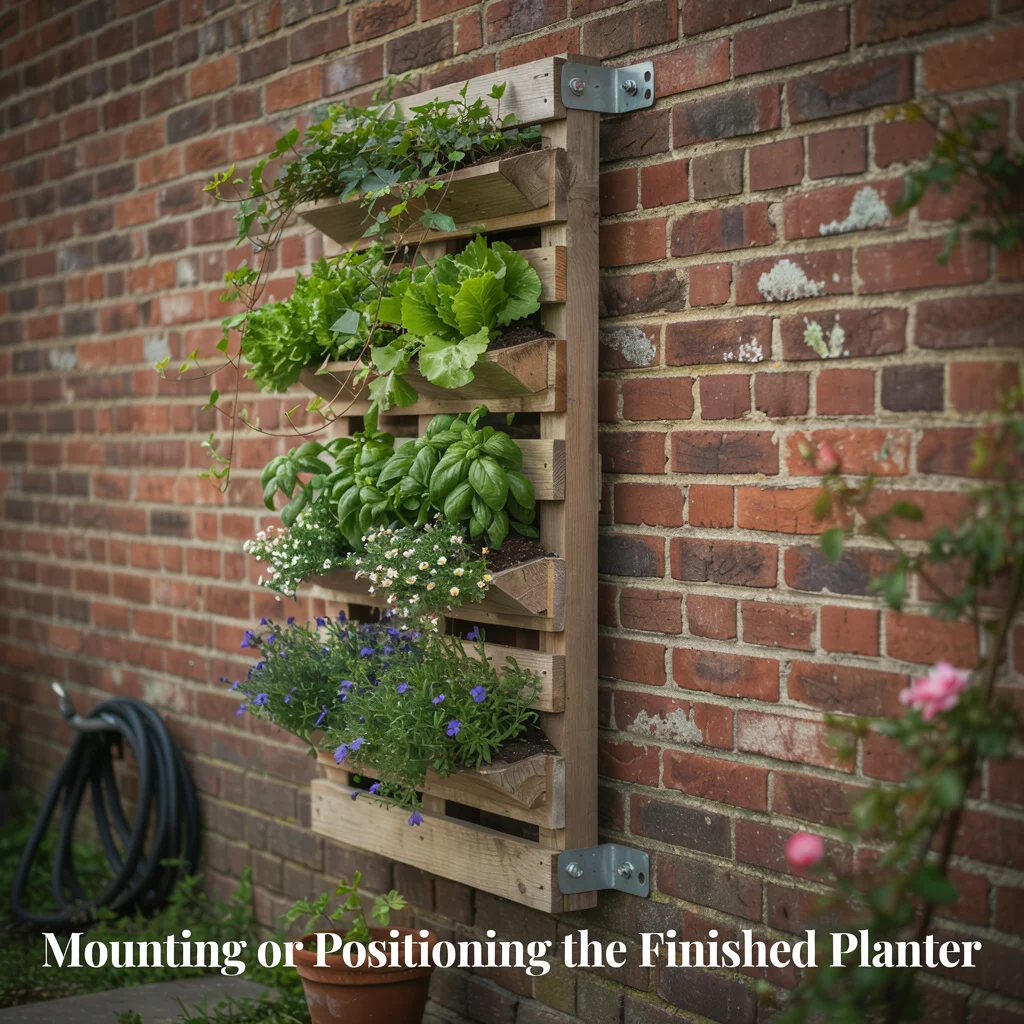
Mounting or positioning the finished planter safely is the last step, and given how heavy a soil-filled pallet becomes, secure anchoring matters as much as the build itself.
Leaning Versus Wall-Mounting for Stability
Leaning versus wall-mounting for stability each work, but wall-mounting with sturdy brackets rated for the weight is generally the safer option compared with simply leaning a full planter against a fence.
Positioning for the Right Amount of Sun
Positioning for the right amount of sun depends on what’s planted, so it’s worth confirming the mounted spot gets enough direct light for the specific herbs or plants chosen before the planter goes up permanently.
The Bottom Line
A vertical pallet planter comes down to picking a safe, untreated pallet, sealing and lining it properly, and choosing shallow-rooted plants that actually suit the tight growing space. It’s a genuinely low-cost way to add real growing space to a small patio, balcony, or fence line.
Readers working on this often also check Vermicomposting for Beginners: Turn Kitchen Scraps into Garden Gold, How to Build a Pet-Friendly Garden, and Mini Garden Ideas That Fit Any Space. For related ideas, see our articles on Outdoor Plant Pots Showing Their Age? Transform Them With Spray Paint!, How to Build a Bird Feeder Pole, and Why Lilacs Should Be Pruned Right After Blooming. This pairs well with our guide to The Best Trees to Plant in Your Yard.
Frequently Asked Questions
Are Pallet Planters Safe to Grow Vegetables In?
Pallet planters are safe for growing vegetables as long as the pallet is heat-treated rather than chemically treated, confirmed by checking for an “HT” stamp on the wood.
How Long Does a Pallet Planter Last Outdoors?
A properly sealed pallet planter typically lasts two to three years outdoors before the wood starts to break down, longer with an annual resealing.
Do Pallet Planters Need to Be Watered More Than Regular Pots?
Pallet planters generally need more frequent watering than standard pots, since the shallow soil depth in each slat pocket dries out faster than a deeper container would.
Can a Pallet Planter Be Mounted on a Fence?
A pallet planter can be mounted on a fence as long as the fence is sturdy enough and the planter is secured with brackets rated to hold its full soil-filled weight.
What’s the Easiest Way to Get a Pallet for Free?
Checking with local hardware stores, garden centers, or shipping and freight companies is generally the easiest way to get a pallet for free, since many are happy to give away pallets they’d otherwise dispose of.