
How to Grow Ligularia: Planting and Care Guide


Few shade perennials make as bold a statement as ligularia, with its huge, glossy, sometimes deeply cut leaves and tall spikes or daisy-like clusters of yellow-orange flowers rising above the foliage in mid to late summer. It’s a plant that rewards the right conditions generously but sulks visibly, usually by wilting dramatically in the afternoon sun, when those conditions aren’t quite right.
Choosing a Shady, Moist Planting Site
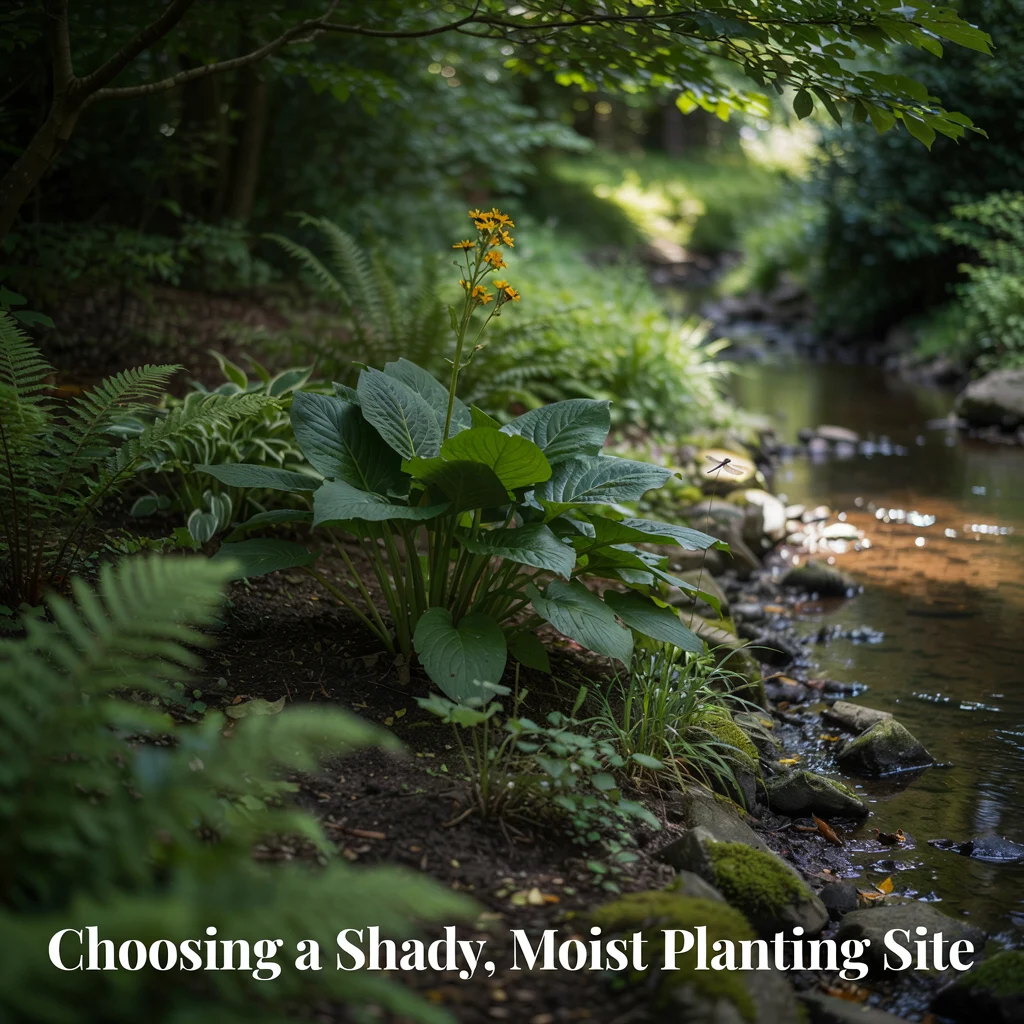
Choosing a shady, moist planting site is the single most important decision in growing ligularia successfully, since this perennial is native to damp woodland edges and streambanks rather than open, sun-baked ground.
Why Ligularia Wilts So Dramatically in Afternoon Sun
Why ligularia wilts so dramatically in afternoon sun comes down to its enormous leaf surface, which loses moisture faster than the roots can replace it whenever direct sun and heat combine, even in soil that isn’t actually dry.
The Best Spots to Plant Ligularia in a Home Garden
The best spots to plant ligularia in a home garden tend to be pond edges, low-lying beds that stay naturally damp, or shaded borders on the north or east side of a house.
Preparing Soil That Holds Moisture Well
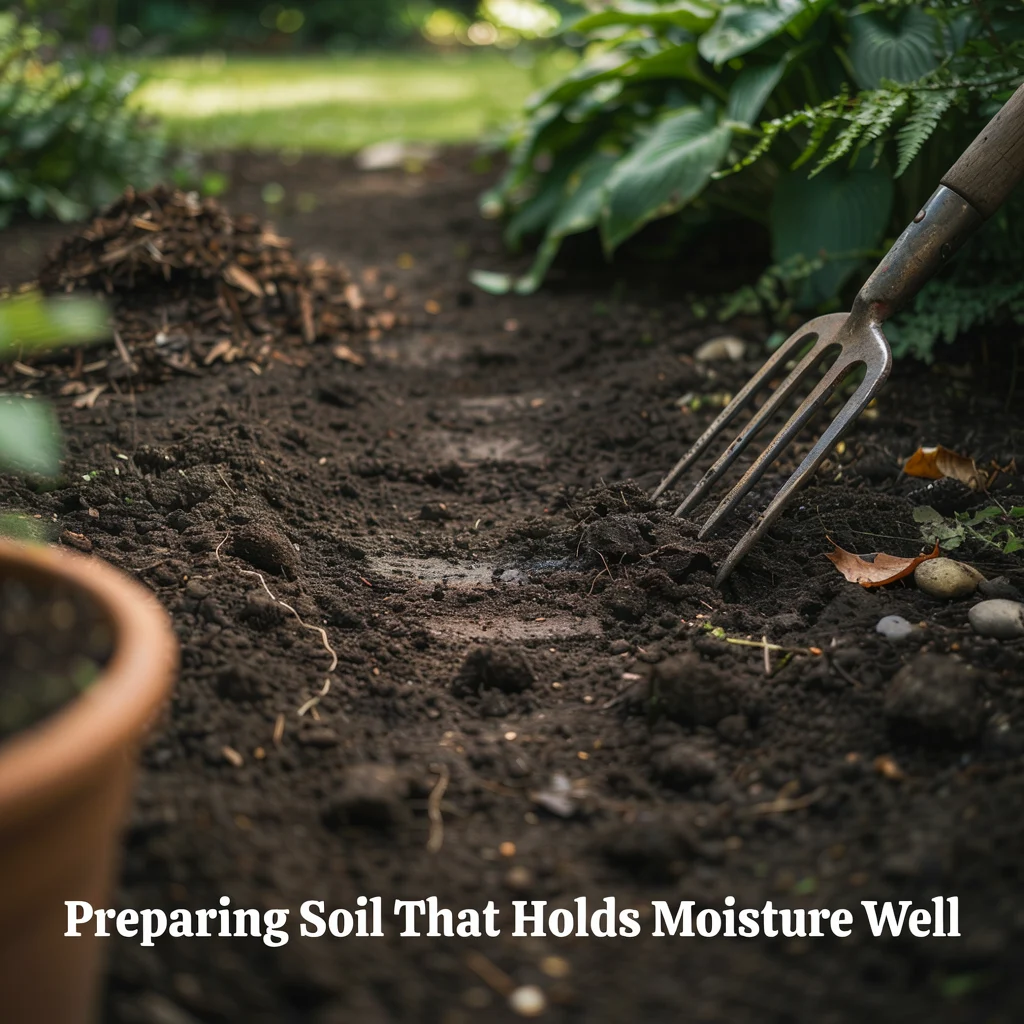
Preparing soil that holds moisture well matters more for ligularia than for almost any other shade perennial, since it genuinely struggles in soil that dries out between waterings.
Amending Soil With Organic Matter Before Planting
Amending soil with organic matter before planting, such as compost or well-rotted manure, improves both moisture retention and the rich fertility ligularia’s large leaves need to develop fully.
Why Heavy, Clay-Leaning Soil Isn’t a Dealbreaker
Why heavy, clay-leaning soil isn’t a dealbreaker comes down to ligularia’s natural preference for damp ground, meaning the moisture retention clay soil offers usually works in this plant’s favor, unlike with most other perennials.
Planting Ligularia the Right Way
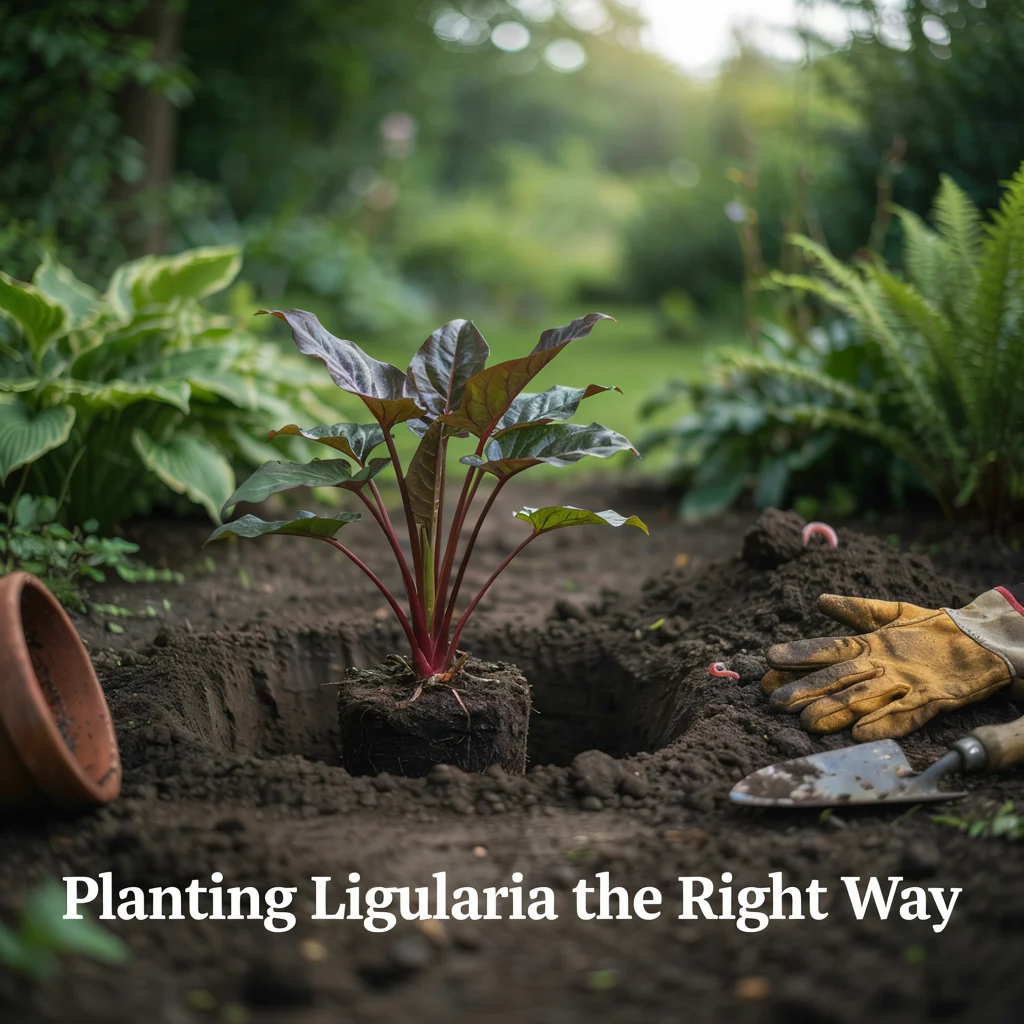
Planting ligularia the right way starts with spacing plants generously, since mature clumps can spread 2 to 3 feet wide and need enough room to develop without crowding neighboring plants.
Best Time of Year to Plant Ligularia
Best time of year to plant ligularia is early spring or fall, when cooler temperatures give the root system time to establish before it has to cope with summer heat.
Setting the Crown at the Right Depth
Setting the crown at the right depth means planting so the crown sits level with the surrounding soil surface, since burying it too deeply can lead to rot in consistently moist ground.
Watering and Feeding Through the Growing Season
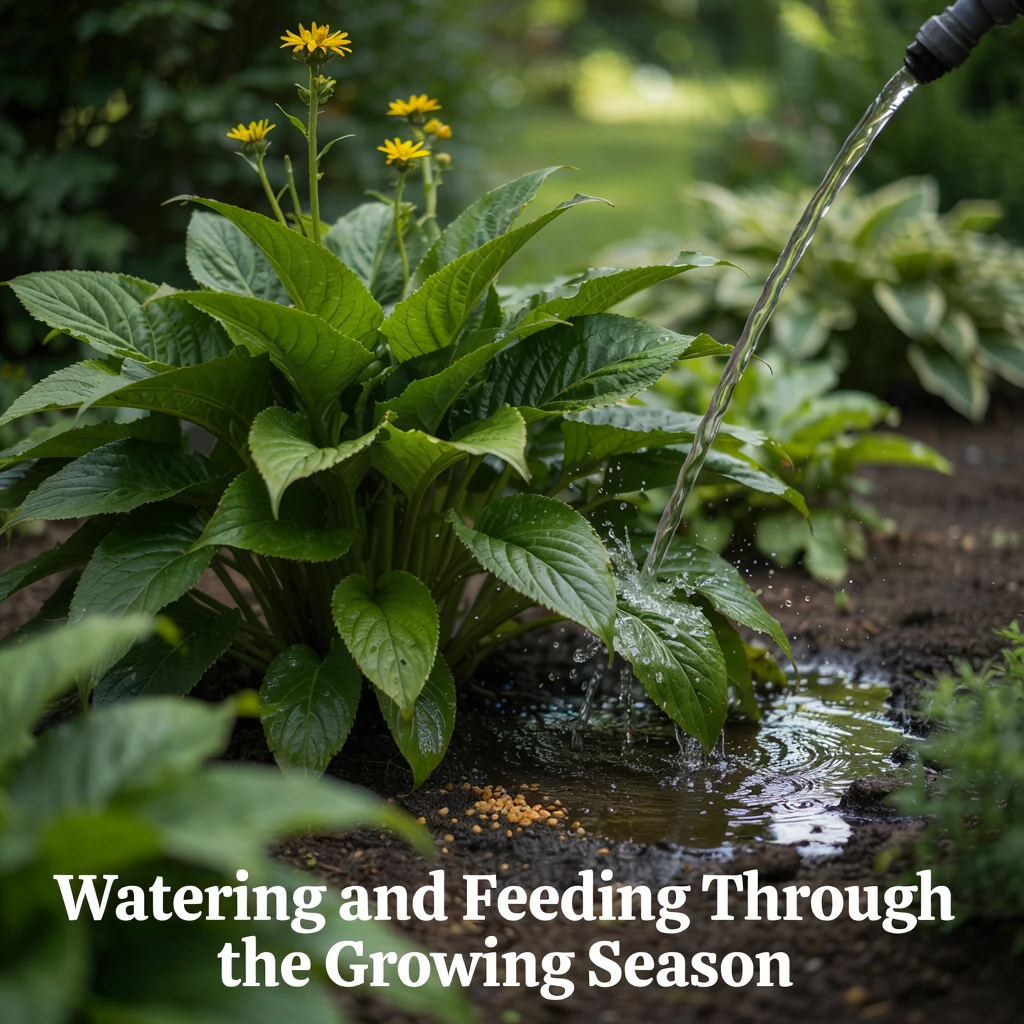
Watering and feeding through the growing season is where ligularia asks for more attention than most shade perennials, needing consistently moist soil rather than the occasional deep watering many other plants tolerate.
How Often Ligularia Needs Watering in Summer
How often ligularia needs watering in summer often means daily watering during hot, dry stretches, particularly for plants grown in anything less than consistently damp, naturally wet soil.
Feeding Ligularia for Bigger, Healthier Leaves
Feeding ligularia for bigger, healthier leaves with a balanced, slow-release fertilizer in spring supports the lush foliage growth this plant is primarily grown for.
Managing Slugs and Snails on the Foliage
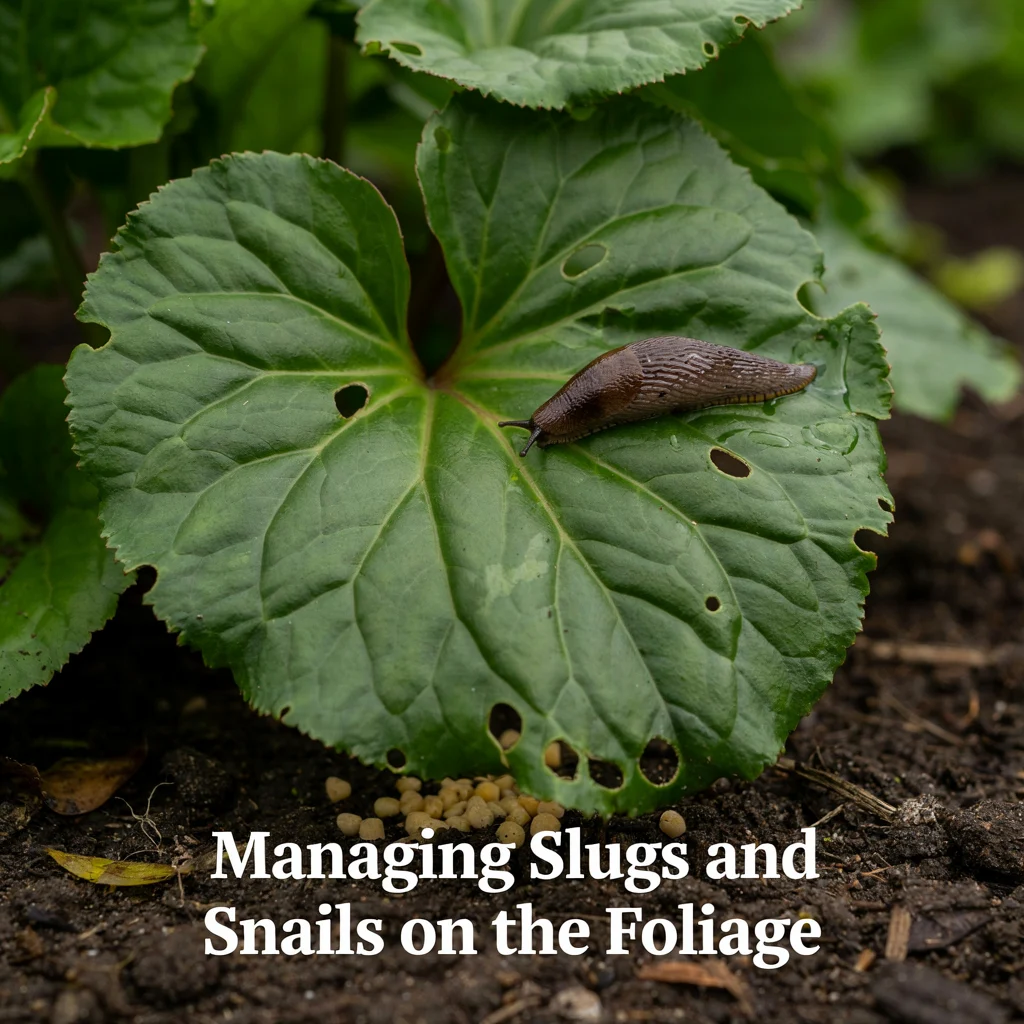
Managing slugs and snails on the foliage is an ongoing task with ligularia, since its broad, tender leaves are a favorite target and damage shows up as visible holes almost immediately.
Why Ligularia Leaves Attract So Many Slugs
Why ligularia leaves attract so many slugs comes down to the same soft, moisture-rich tissue that makes the foliage so lush, which also happens to make it easy for slugs to feed on.
Effective, Low-Toxicity Slug Control Methods
Effective, low-toxicity slug control methods include iron phosphate baits, copper tape around the base of plants, and simply handpicking slugs during evening checks when they’re most active.
Dividing and Overwintering Established Clumps
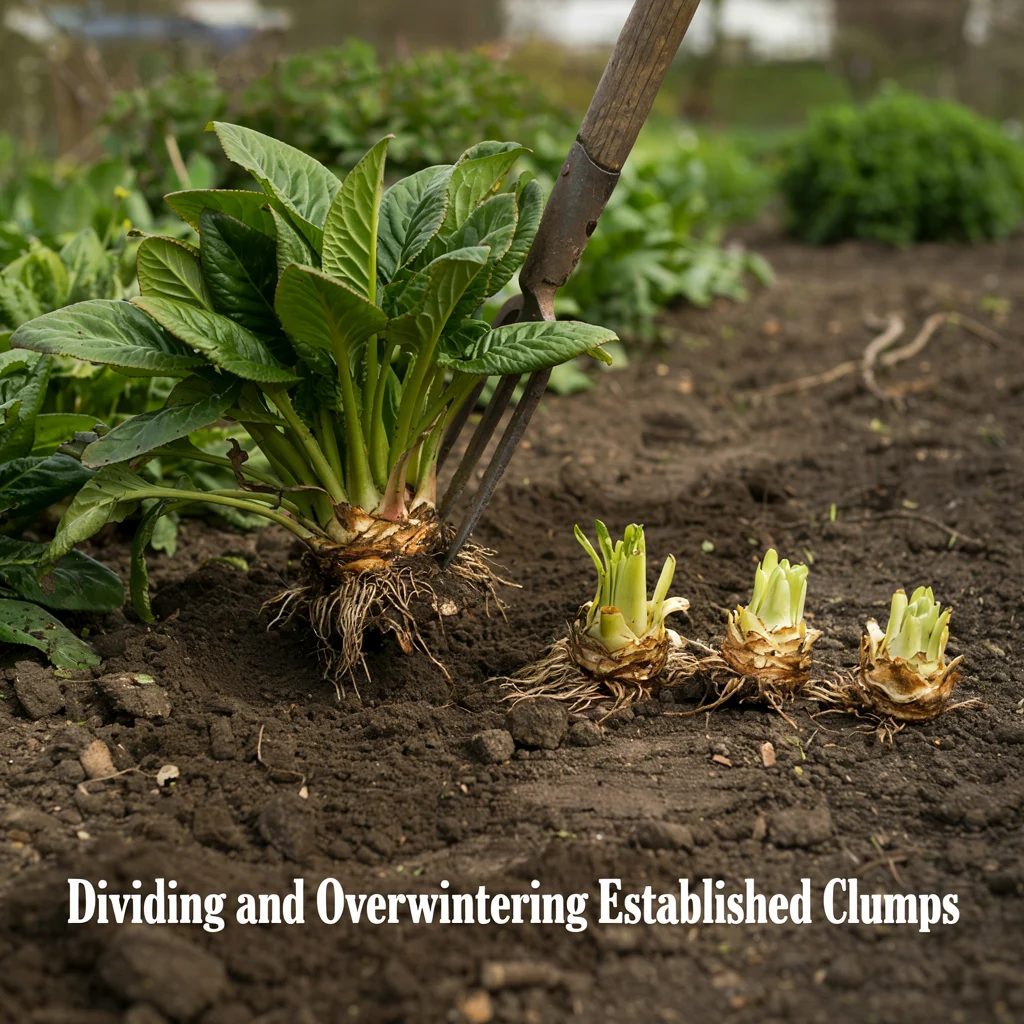
Dividing and overwintering established clumps keeps ligularia healthy long-term, since clumps left undisturbed for many years can become congested and produce fewer, smaller leaves.
When and How to Divide Ligularia Clumps
When and how to divide ligularia clumps is best done in early spring, lifting the entire clump and separating it into sections that each retain a healthy portion of roots and crown.
Preparing Ligularia for Winter Dormancy
Preparing ligularia for winter dormancy simply means allowing the foliage to die back naturally after frost, then cutting it to the ground and applying a layer of mulch in colder climates.
The Bottom Line
Ligularia rewards a damp, shaded spot with genuinely dramatic foliage and striking summer flower spikes, but it’s unforgiving of dry soil and direct afternoon sun. Get the site and moisture right from the start, stay ahead of slugs, and divide congested clumps every few years for the boldest results.
For related ideas, see our articles on How to Grow Morning Glory: Planting and Care Tips, A Complete Guide to Dogwood Tree Care, and Simple Steps for Creating a More Eco-friendly Garden. For more on this, our guides on How to Start a No-Till Raised Bed Garden, Different Types of Roses: A Guide for Gardeners, and These Easy Shade Tips Could Save A Ton of Summer Crops cover related ground.
Frequently Asked Questions
Does Ligularia Need Full Shade to Grow Well?
Ligularia grows best in part shade rather than full shade, though it tolerates more shade than most flowering perennials as long as the soil stays consistently moist.
Why Is My Ligularia Wilting Even Though the Soil Is Wet?
Ligularia often wilts in the afternoon sun even in moist soil simply because its large leaves lose water faster than the roots can absorb it, typically recovering on their own by evening.
How Big Does a Ligularia Plant Get?
Most ligularia varieties grow 3 to 4 feet tall and spread 2 to 3 feet wide at maturity, forming a substantial clump within a few growing seasons.
Is Ligularia a Perennial That Comes Back Every Year?
Ligularia is a reliable herbaceous perennial that dies back to the ground each winter and returns from its crown the following spring, particularly in climates with consistently moist soil.
What Plants Pair Well With Ligularia in a Shade Garden?
Ferns, hostas, and astilbe pair well with ligularia in a shade garden, since they share similar moisture and light requirements while offering contrasting leaf textures.