
Why Lilacs Should Be Pruned Right After Blooming

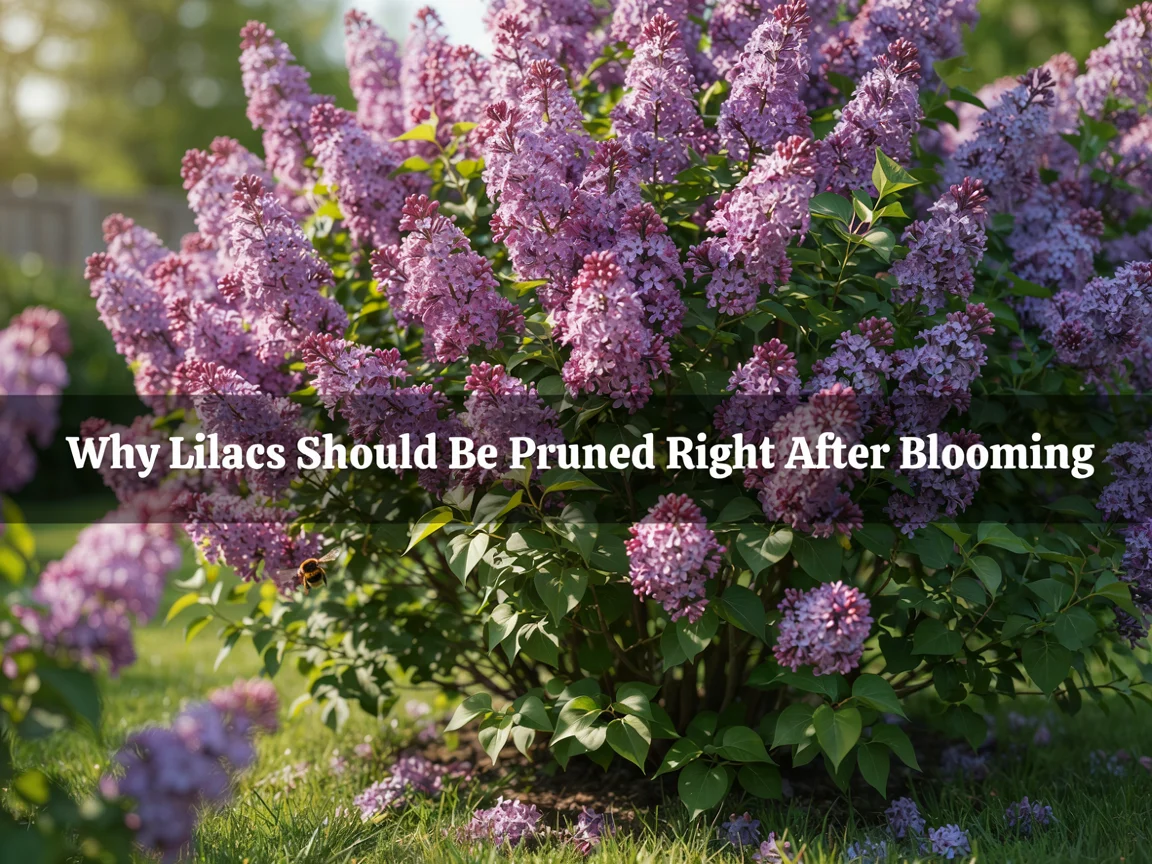
Timing matters more with lilac pruning than with almost any other flowering shrub, and getting it wrong doesn’t hurt the plant’s health so much as it quietly costs an entire season of flowers the following spring. Understanding why the timing window is so narrow makes the whole process considerably easier to plan around.
Understanding How Lilacs Set Next Year’s Flower Buds
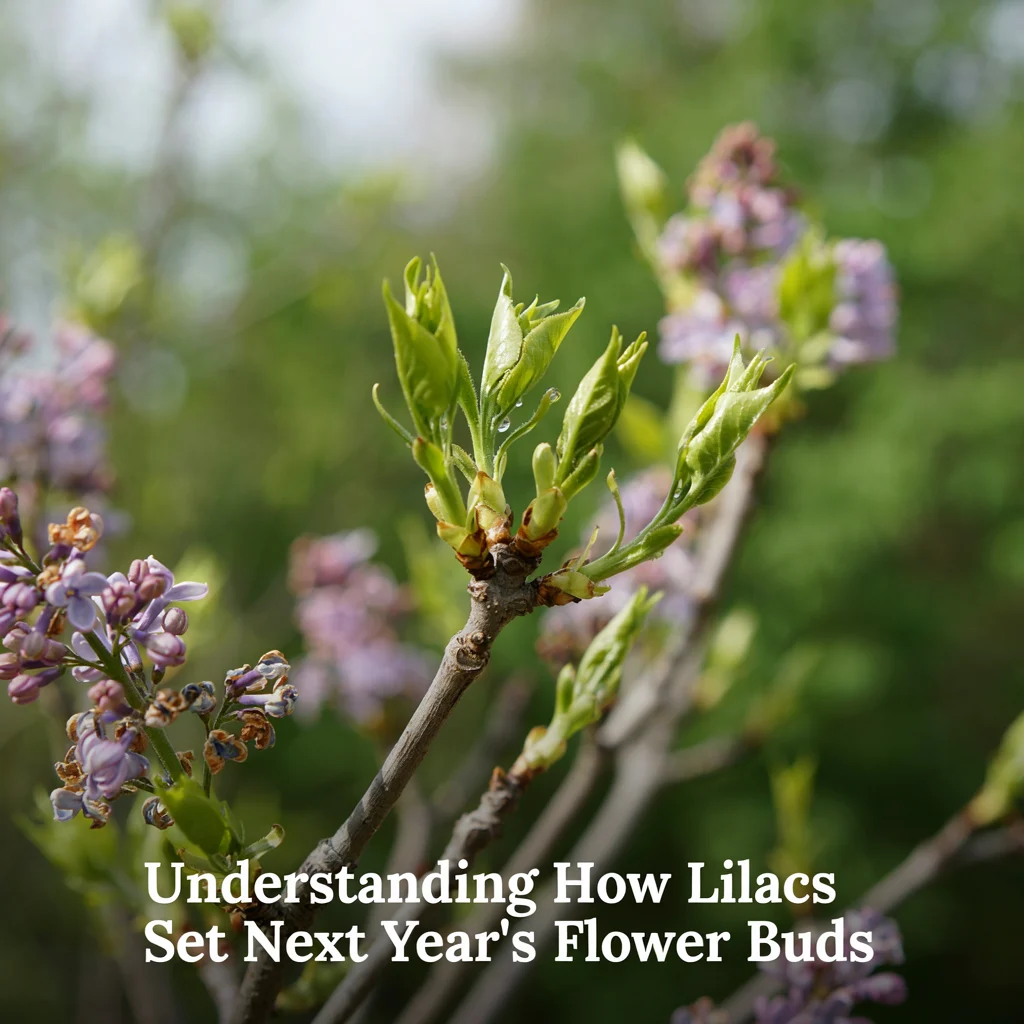
Understanding how lilacs set next year’s flower buds is the key to the whole timing question, since lilacs bloom on what’s called old wood, meaning the growth from the previous year rather than the current season’s new shoots.
What “Blooming on Old Wood” Actually Means
What “blooming on old wood” actually means is that the flower buds for next spring are formed on this year’s stems, not on branches that will grow next year, which is different from many other flowering shrubs.
Why This Growth Pattern Creates Such a Narrow Pruning Window
Why this growth pattern creates such a narrow pruning window comes down to bud formation timing, since lilacs begin setting next year’s buds within just a few weeks of finishing their current bloom.
Why Pruning Right After Blooming Protects Next Year’s Flowers
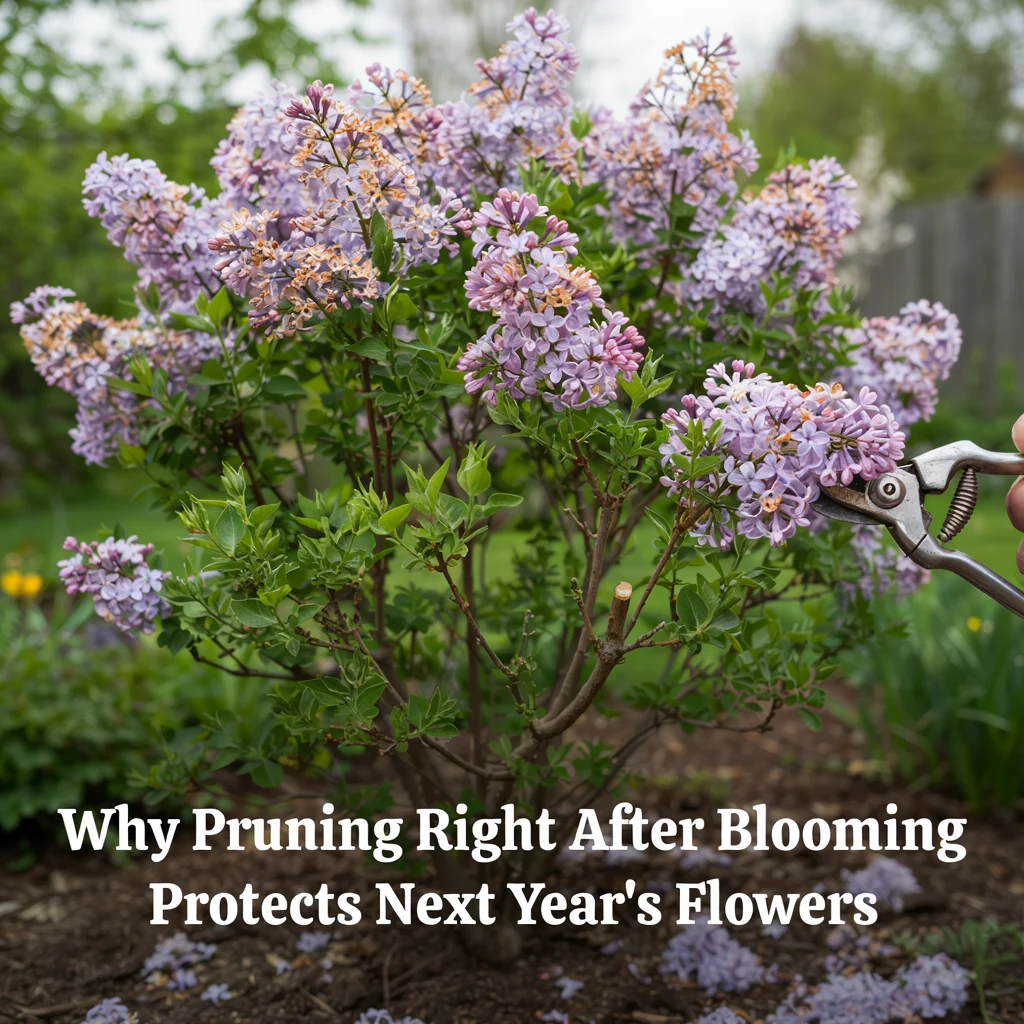
Why pruning right after blooming protects next year’s flowers comes down to simple timing, cutting the shrub back before new buds have formed means there’s nothing yet to accidentally remove.
The Short Window Between Blooming and Bud Formation
The short window between blooming and bud formation is typically just two to four weeks, making it worth pruning promptly rather than putting the task off until later in summer.
How Missing the Window Affects the Following Spring
How missing the window affects the following spring means that pruning done in mid or late summer removes the very buds that would have opened the next year, resulting in a lilac with few or no flowers.
What Happens When Lilacs Are Pruned Too Late
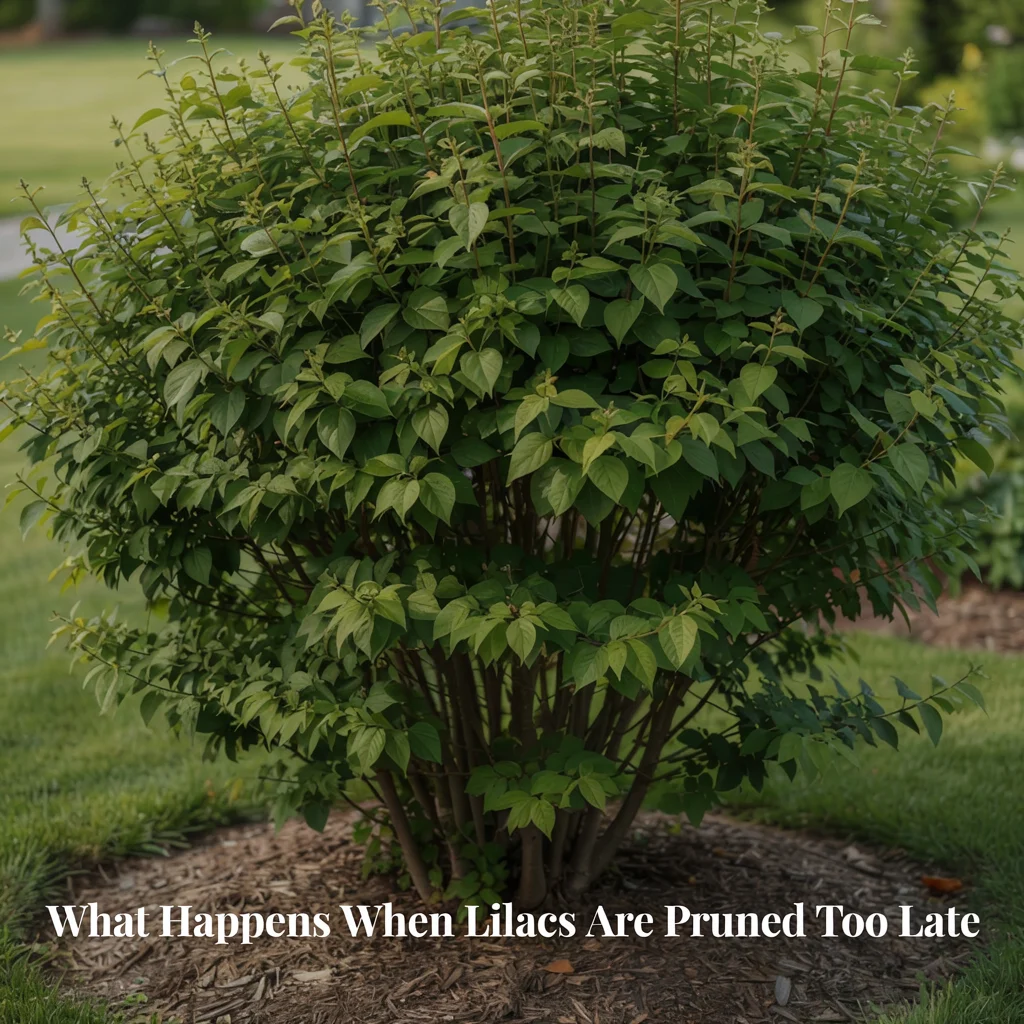
What happens when lilacs are pruned too late isn’t damage to the plant’s overall health, but rather a lost season of bloom, since the shrub still grows normally, it just won’t flower the following spring.
Why Late Pruning Doesn’t Harm the Plant Long-Term
Why late pruning doesn’t harm the plant long-term is genuinely reassuring for anyone who’s made this mistake, since the lilac simply resumes normal blooming the year after, once new buds have time to properly form.
Recognizing a Lilac That Was Pruned at the Wrong Time
Recognizing a lilac that was pruned at the wrong time usually shows up the following spring as a shrub with healthy green growth but noticeably sparse or absent flowers.
How to Prune Lilacs Correctly After Blooming
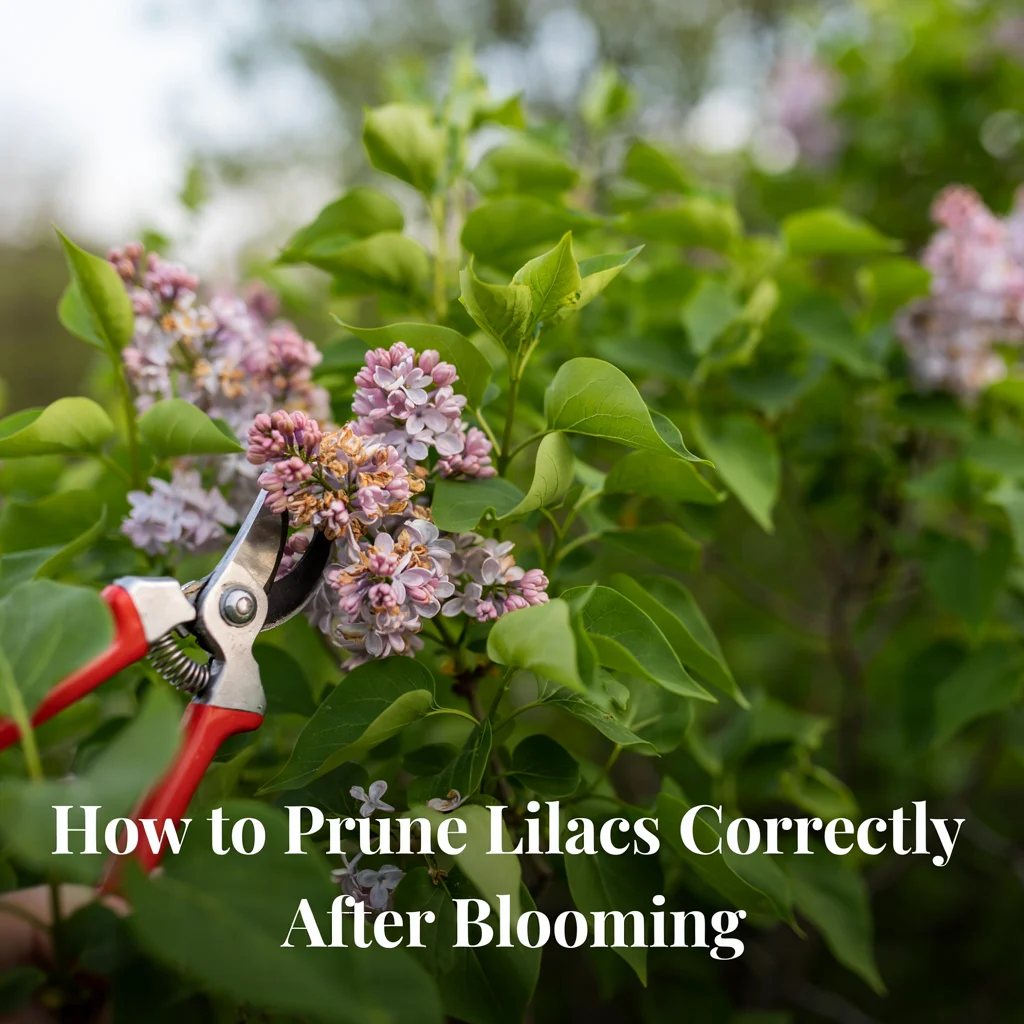
How to prune lilacs correctly after blooming starts with removing spent flower clusters, then moving on to any structural pruning the shrub needs while there’s still time for new buds to form.
Deadheading Spent Blooms for a Tidier Look
Deadheading spent blooms for a tidier look, cutting just below the faded flower cluster, redirects the plant’s energy toward next year’s bud development rather than seed production.
Removing Suckers and Crossing Branches
Removing suckers and crossing branches at the same time keeps the shrub’s structure open and healthy, improving both airflow and the overall shape of the plant.
Rejuvenating an Old, Overgrown Lilac
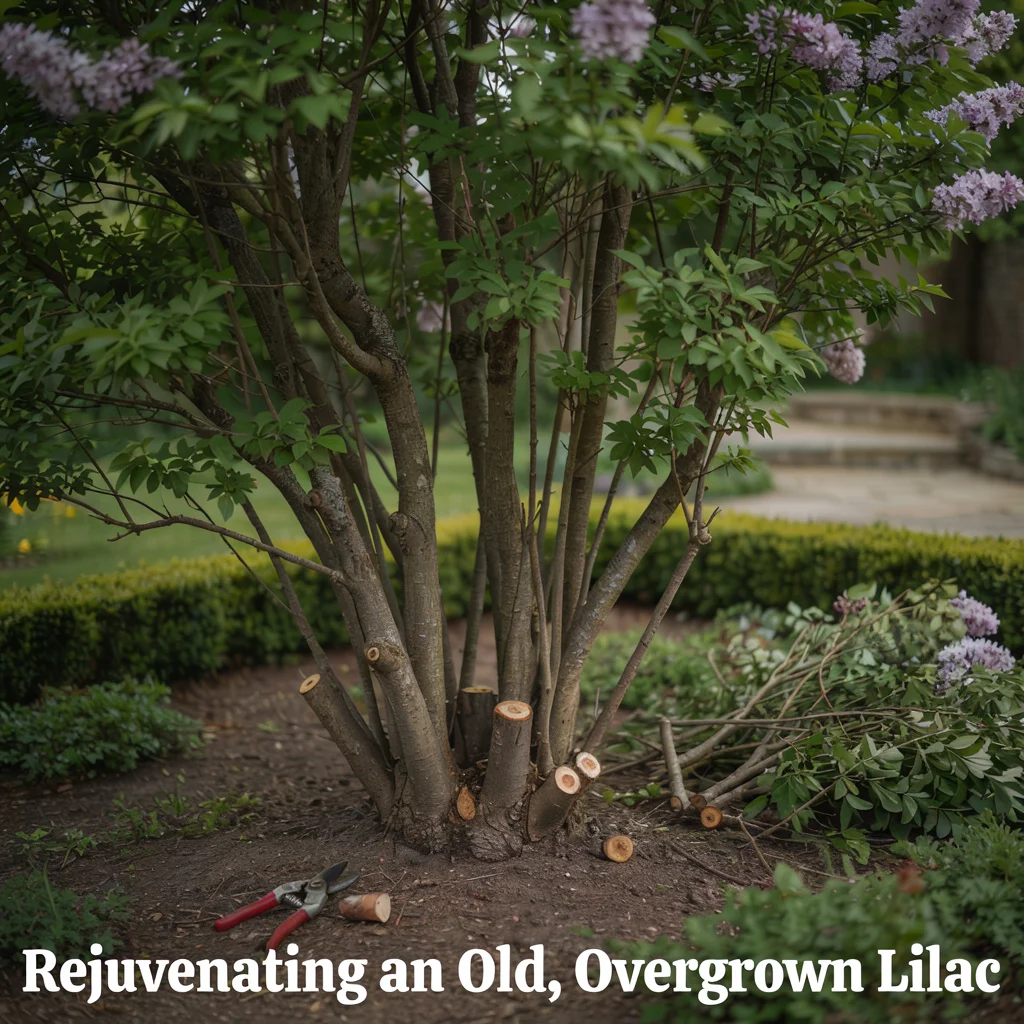
Rejuvenating an old, overgrown lilac generally takes a different, more patient approach than routine annual pruning, since a heavily overgrown shrub often needs to be cut back hard over several years.
The Three-Year Renewal Pruning Method
The three-year renewal pruning method involves removing about a third of the oldest, thickest stems each year right after blooming, gradually rejuvenating the shrub without sacrificing all of its flowers at once.
Why Renewal Pruning Is Gentler Than an All-at-Once Cutback
Why renewal pruning is gentler than an all-at-once cutback comes down to bloom continuity, since spreading the hard pruning across a few years still leaves some flowering wood intact each spring during the process.
The Bottom Line
Lilacs set next year’s flower buds within weeks of finishing their spring bloom, which is the entire reason the “prune right after blooming” rule exists. Missing that window doesn’t hurt the plant, it just means waiting an extra year for flowers, so marking the pruning task for right after bloom time is the simplest way to avoid the mistake altogether.
Readers working on this often also check Summer-Blooming, Full Sun Perennials, Why People Are Replacing Lawns, and How to Keep Stella de Oro Daylilies Blooming All Season. For related ideas, see our articles on Vermicomposting for Beginners: Turn Kitchen Scraps into Garden Gold, How to Build a Pet-Friendly Garden, and Mini Garden Ideas That Fit Any Space. This pairs well with Outdoor Plant Pots Showing Their Age? Transform Them With Spray Paint! and How to Build a Bird Feeder Pole.
Frequently Asked Questions
What Happens If I Prune My Lilac in the Fall?
Pruning a lilac in the fall removes the flower buds that have already formed for the following spring, resulting in a shrub with little to no bloom the next year, though it will resume flowering normally the year after.
How Long Do I Have to Prune Lilacs After They Bloom?
Lilacs generally need to be pruned within two to four weeks of finishing their bloom, before the shrub begins forming next year’s flower buds on the current season’s growth.
Can I Prune Lilacs in Late Winter Instead?
Pruning lilacs in late winter removes flower buds that have already formed, so while it won’t harm the plant, it will significantly reduce or eliminate that year’s spring bloom.
Does Deadheading Lilacs Make Them Bloom More the Same Year?
Deadheading lilacs doesn’t produce more blooms in the same season, since lilacs bloom only once per year, but it does redirect the plant’s energy toward healthier bud development for the following spring.
How Often Should an Established Lilac Be Pruned?
An established lilac generally benefits from light annual pruning right after blooming, with a more significant renewal pruning needed only every several years once the shrub becomes overgrown.